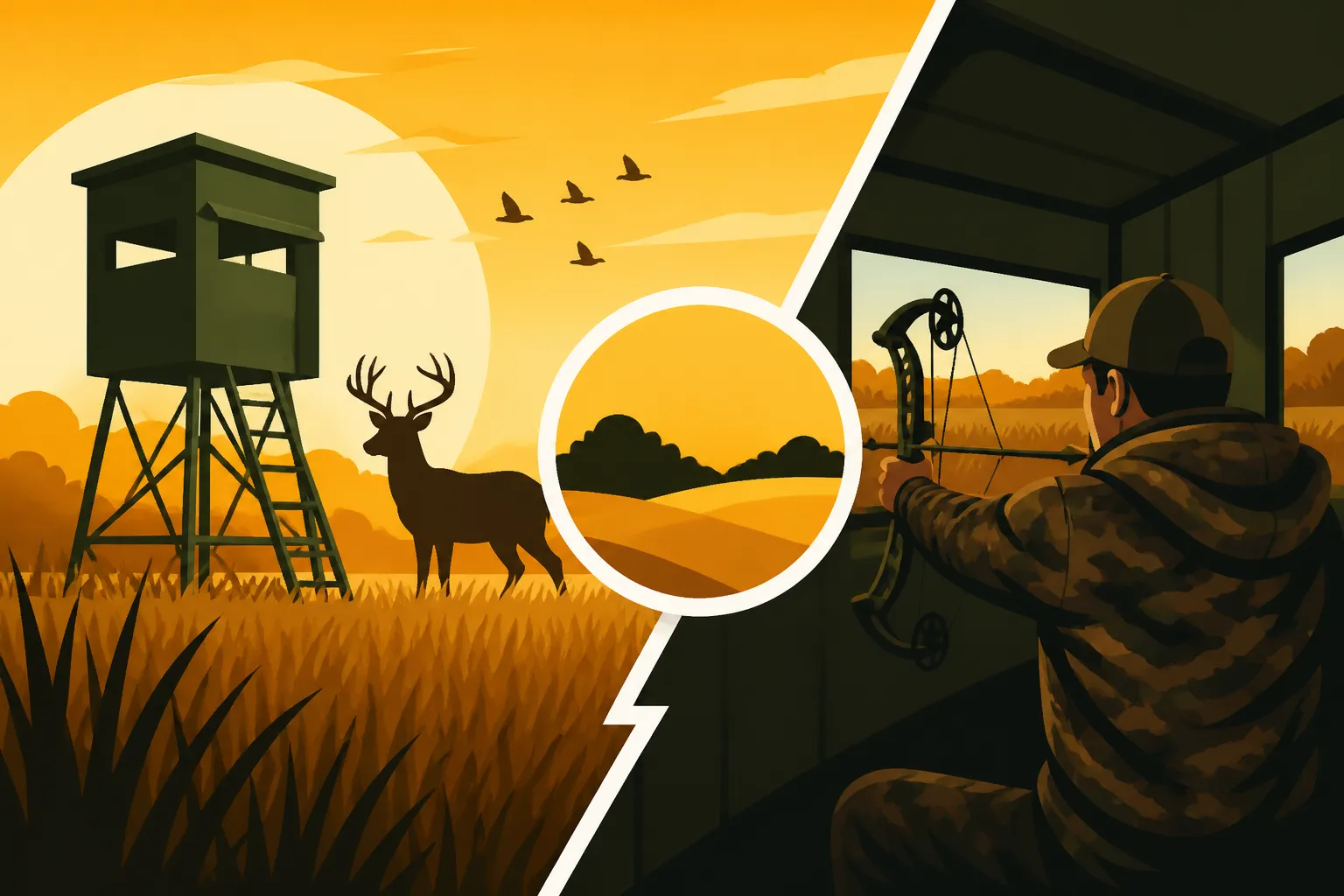
Blinds and Stands on Kansas WIHA
Hunting on Kansas Walk-In Hunting Access (WIHA) land is an incredible opportunity for public land hunters, but it often comes with a heap of questions, especially when it comes to setting up your deer blinds and treestands. It's frustrating to drive hours, unload all your gear, only to realize you can't use your setup the way you intended or, worse, violate a regulation. This guide will walk you through everything you need to know about using blinds and stands on Kansas WIHA tracts, ensuring you stay legal, ethical, and effective.
Understanding Kansas WIHA Regulations for Blinds and Stands
One of the biggest misconceptions about hunting public or walk-in land is that you can treat it like your own private lease. That simply isn't the case, and for good reason! WIHA is a program where private landowners open their ground for public hunting, and a key part of that agreement, and the overall management of public resources, involves rules to ensure fair access and minimize impact.
The Core Rule: Temporary Use Only
When you're hunting on WIHA, the golden rule for anything you bring in—be it a treestand or a ground blind—is that it must be for temporary use only. This isn't just a suggestion; it's a fundamental principle. What "temporary" means can sometimes feel a little vague, but generally, it boils down to this: if you bring it in, you need to take it out. You can't leave structures up for extended periods, let alone permanently.
Imagine the chaos if everyone left their blinds and stands up year-round. It would create visual clutter, potential hazards, and unfair advantage. Some hunters might "claim" a spot by leaving their gear, which defeats the purpose of shared access. More importantly, it shows disrespect to the landowner who has graciously allowed access. The Kansas Department of Wildlife and Parks (KDWP) regulations are designed to prevent this kind of scenario, ensuring that the land remains available and enjoyable for all hunters, without specific spots being permanently claimed. If you leave a blind or stand out for more than the legally defined temporary period (which for most WIHA means daily removal), you risk having it confiscated, and potentially facing a citation. Nobody wants that headache, especially when you've invested good money and time in your hunting gear.
Legal Types of Stands and Blinds
So, what can you use? The good news is that most common, portable hunting setups are perfectly fine, as long as you adhere to the temporary use rule.
Treestands: This category includes popular options like:
- Climbing Stands: These are self-contained units that allow you to "climb" a tree as you ascend. They are inherently temporary because you can't leave them without the climbing mechanism.
- Hang-on Stands: These stands require climbing sticks or a ladder to ascend. They attach to the tree with straps or chains.
- Ladder Stands: While less common on WIHA due to their bulk, portable ladder stands that can be erected and taken down daily are permissible. However, leaving them up for multiple days is generally a no-go.
The key with all treestands is the method of attachment. We'll dive into this more, but anything that damages the tree itself is typically prohibited.
Ground Blinds: These are increasingly popular, especially in open Kansas country where tall, straight trees might be scarce.
- Pop-up Blinds: These portable, fabric blinds are designed for quick setup and takedown. They offer excellent concealment and protection from the elements.
- Natural Ground Blinds: You can always create a blind using natural, readily available materials like fallen branches, tall grass, or brush. The critical distinction here is that you're not cutting live vegetation or permanently altering the landscape. You're simply arranging what's already there to break up your outline.
The main takeaway here is portability and minimal impact. If your setup allows you to pack it in, hunt, and pack it out without a trace, you're usually on the right track.
Specific Rules and Best Practices for Different Setups
Now that we know the general rules, let's get into the specifics of how to legally and effectively deploy your choice of blind or stand on Kansas WIHA land.
Treestands and Climbing Sticks
Using a treestand on WIHA can be incredibly effective, especially for whitetails in timbered creek bottoms or shelterbelts. However, the rules surrounding their use are often where hunters get tripped up.
Attachment Methods and Damage Prevention
The first, and perhaps most crucial, detail for treestands is how you attach them to the tree. Kansas regulations explicitly prohibit any method that permanently damages the tree. This means:
- No screw-in steps or pegs: While these are common on private land, they are a definite no-no on WIHA. They puncture the tree, creating wounds that can harm the tree's health and leave a lasting impact. Are Screw-In Steps Legal in Kansas? provides more detail on this, but on WIHA, avoid them completely.
- Acceptable attachments: Use straps, chains, ropes, or other non-marring methods. Most modern treestands and climbing sticks are designed with straps that wrap around the tree trunk. Always ensure these straps are snug but not so tight that they cut into the bark, especially if you plan to leave them for the maximum permissible temporary period (usually 24-48 hours, but check current regulations for specifics, as daily removal is safest on WIHA).
Removal Requirements: The Daily Grind
This is where the rubber meets the road for WIHA treestand hunters. For the vast majority of WIHA tracts, the rule is crystal clear: all treestands and ground blinds must be removed daily. This means after your morning hunt, you pack it out. After your evening hunt, you pack it out. This isn't just a suggestion; it's a hard rule designed to ensure fairness and prevent any single hunter from monopolizing a spot.
I know, it sounds like a lot of work. Hauling a stand and sticks in and out every single time can be exhausting, especially if you're deep in a river bottom. But that's the reality of hunting shared resources. This rule directly addresses concerns about Portable Stand Rules on Kansas Public Land and the broader goal of equitable access. If you decide to leave a hang-on stand and climbing sticks overnight, you're gambling. Another hunter might move in, or more importantly, a KDWP officer might find it and remove it, potentially issuing a citation. It's a risk most serious hunters aren't willing to take. This is why mobile hunting setups, like saddles or lightweight climbers, are so popular on WIHA. They are designed for quick setup and takedown, making the daily pack-in, pack-out routine much more manageable.
Ground Blinds and Concealment
Ground blinds offer incredible versatility, especially in the more open country of Kansas where prime treestand trees are scarce.
Pop-Up Blinds: Convenience with a Catch
Pop-up blinds are fantastic for concealment and comfort. They block your scent (to some degree), break up your outline, and offer protection from the wind, rain, or sun. However, like treestands, they fall under the "temporary use" rule.
- Daily Removal is Key: Just like treestands, pop-up blinds must be removed daily from WIHA tracts. You cannot set one up on Monday morning and expect to leave it there until Friday evening. This prevents potential issues with other hunters, respects the landowner's property, and avoids littering.
- Brushing In for Effectiveness: To make your pop-up blind truly disappear, you'll want to brush it in. This means using natural materials found on site—dead branches, corn stalks, tall grass—to break up its outline. The key is to use what's already there without cutting live vegetation. You're not building a permanent structure; you're just camouflaging your temporary one. A well-brushed-in blind becomes part of the landscape, making deer less likely to notice it. Check out tips on Ground Blind Brushing In to master this technique.
- Consider Wind and Visibility: When placing your ground blind, think about the wind direction in relation to where you expect deer to approach. You want your scent to be carried away from their travel corridors. Also, position it where you have clear shooting lanes but are still well-hidden. Sometimes, being just inside the edge of a timber block or against a plum thicket can make all the difference.
Natural Cover and Improvised Setups
Sometimes, the best blind is the one nature already built for you. Learning to read the landscape for natural concealment is a valuable skill, especially when hunting WIHA where you might not want to haul in a blind or stand.
- Leverage Existing Terrain: Look for natural features like the edges of cedar thickets, brushy fence lines, or the high bank of a creek draw. Cedar Thickets as Bedding Cover can also be fantastic spots to set up, as deer often use these for security.
- Crop Field Edges: The edge of a standing corn or milo field can offer excellent cover, especially when combined with a little natural brush. Just ensure you're not damaging the crops.
- Minimal Alteration: If you arrange some fallen branches or pile up some tall grass for a makeshift blind, ensure you're not cutting live trees or vegetation. The goal is to leave no trace, as if you were never there. This approach aligns perfectly with the ethos of Leaving No Trace on Walk-In Ground.
- Embrace Mobility: For many WIHA hunters, a truly mobile approach, like Mobile Hunting With a Saddle in Kansas, is the most practical solution. It allows you to quickly adapt to deer movement, hunting pressure, and changing conditions without the burden of hauling heavy equipment in and out.
Practical Considerations and Ethical Hunting on WIHA
Hunting on WIHA isn't just about following the rules; it's about being a responsible, ethical hunter who respects the land, the wildlife, and other users.
Leaving No Trace and Respecting the Landowner
This cannot be stressed enough: leave nothing behind. Everything you pack in—your stand, your blind, your snacks, your water bottles, spent shell casings, even your pee bottle—must be packed out. The WIHA program relies heavily on the goodwill of private landowners. If they find trash, damage, or abandoned equipment, they are far less likely to re-enroll their land in the program, which hurts all of us.
Always remember that you are a guest. Treat the land with more respect than you would your own property. This includes adhering to regulations about vehicular access (most WIHA is walk-in only), not driving across fields, and closing gates behind you. Your actions reflect on all hunters, and upholding a high standard of stewardship helps ensure these valuable hunting opportunities continue to exist.
Dealing with Other Hunters and Competition
One of the realities of hunting WIHA is that you're sharing the resource with other hunters. It's frustrating when you've scouted a great spot, only to arrive on opening day and find someone else there. It happens.
- First-Come, First-Served: Generally, on public ground, it's a first-come, first-served scenario. If someone is already in a spot, it's best to move on. Don't crowd them or try to set up too close. This leads to conflicts and diminishes the quality of the hunt for everyone.
- Scouting for Solitude: To mitigate this, invest heavily in Scouting Kansas Walk-In Tracts Before the Opener. Use tools like onX Hunt or GoHunt to identify multiple access points and potential stand locations. These mapping apps are invaluable for identifying property lines, topography, and potential hidden pockets that might see less pressure. You can use onX Hunt to layer various land types and identify overlooked corners or access routes that others might miss. E-Scouting Kansas Farm Country From Home is an absolute game-changer for this.
- Spread Out: Try to find areas that are less accessible, or require a longer walk. Oftentimes, deer will gravitate to these low-pressure zones. Understanding Hunting Pressure Patterns on Kansas Public Land can help you predict where deer (and other hunters) will be. Look for Access Routes That Do Not Bump Deer to get into your stand location quietly and undetected, further increasing your chances even if other hunters are nearby.
Pre-Season Scouting and Gear Planning
Success on WIHA, especially with stands and blinds, often hinges on meticulous pre-season planning.
- Identify Stand-Worthy Trees: During your scouting trips, don't just look for deer sign; actively look for trees that are suitable for a stand. Assess their height, cover, and proximity to deer travel routes or feeding areas. Not every tree is a stand tree. Some might be too small, too limby, or too exposed.
- Plan Ground Blind Locations: For ground blind users, scout for natural depressions, brush piles, or strategic edges where a pop-up blind would blend in perfectly. Consider sun angles and wind direction for optimal placement.
- Invest in Portable Gear: Because of the daily removal rule, lightweight and portable stands and blinds are your best friends on WIHA. A heavy, bulky setup quickly becomes a deterrent to mobility and adherence to regulations.
- Utilize Mapping Apps: Again, mapping tools like onX Hunt are indispensable. They allow you to drop pins for potential stand locations, mark access points, and measure distances. This helps you visualize your hunt long before you step foot on the property, allowing for smarter decisions about where to place your temporary stand or blind. When you're trying to figure out the best approach for First Week of November Stand Choice or where to position your Best Stand Locations in Flat Farm Country, these apps provide critical intel.
| Feature / Rule | Treestands (Hang-on, Climber) | Ground Blinds (Pop-up) | Natural Cover (Improvised) |
|---|---|---|---|
| Permitted Use | Yes, for temporary placement | Yes, for temporary placement | Yes, for temporary concealment |
| Attachment Method | Straps, chains, ropes (non-damaging only) | N/A (stands on ground) | N/A (utilizes existing features) |
| Screw-in Steps | NOT ALLOWED | N/A | N/A |
| Permanent Fixtures | NOT ALLOWED | NOT ALLOWED | NOT ALLOWED |
| Removal Requirement | MUST be removed daily | MUST be removed daily | Remove any personal items, leave natural materials as found |
| Damage to Vegetation | No cutting of trees or limbs | No cutting of live vegetation | No cutting of live vegetation |
| Pre-Season Placement | Not permitted to leave stands out prior to season | Not permitted to leave blinds out prior to season | Only scouting for existing natural features |
| Ethical Consideration | Pack in, pack out; leave no trace | Pack in, pack out; leave no trace | Pack in, pack out; leave no trace |
| Competition with Others | Expect shared use, plan alternative spots | Expect shared use, plan alternative spots | Expect shared use, plan alternative spots |
Hunting Kansas WIHA with blinds and stands is a rewarding experience, but it demands diligence and adherence to regulations. By understanding the rules, planning effectively, and respecting the land and fellow hunters, you can maximize your success and enjoy the incredible opportunities these public access areas provide.
Disclaimer
This article is for general informational purposes only and does not constitute professional advice. Laws, prices and regulations vary by location and change over time. Consult a qualified professional for guidance on your specific situation.