Dogs on Kansas WIHA Land
Heading out to hunt on Kansas Walk-In Hunting Access (WIHA) land is an incredible opportunity, but if you're like many of us, your trusty canine companion is a vital part of your hunting experience. The big question always comes up: can I bring my dog onto WIHA property? Navigating the rules for dogs on these public-access tracts can feel confusing, with concerns about disturbing livestock, other hunters, or even violating specific regulations. This guide will clarify when and how your four-legged hunting buddy can join you on Kansas WIHA land, ensuring you hunt responsibly and effectively.
The Basics of WIHA and Dog Regulations
Kansas's Walk-In Hunting Access (WIHA) program is truly a gem, opening up thousands of acres of private land for public hunting. It's a fantastic resource, but because it's still private land being used by the public, there are often specific nuances when it comes to bringing dogs along. Understanding the foundational rules and where to find the most current information is key to a successful and legal hunt.
General Rules for Dogs on Public Access
When we talk about WIHA, it's easy to forget that it's fundamentally private property whose owners have simply allowed temporary public access for hunting. This means that while you're welcome to pursue game, the landowners' interests, like protecting their crops, livestock, and other assets, are paramount. The Kansas Department of Wildlife and Parks (KDWP) sets general guidelines to respect these interests and ensure a good experience for all. This includes rules around vehicle use, camping, and, yes, even dogs. The underlying principle is always about minimizing disturbance and leaving the land as you found it.
For dogs, this often translates to requirements for them to be under direct control, whether by leash or by voice command. You're responsible for your dog's actions, and any damage or disruption caused by your dog could fall back on you. It's not just about the landowner; it's about being a good steward and neighbor to other hunters who might be out there. Imagine having your deer hunt blown because an uncontrolled dog is running through the timber; it's frustrating for everyone involved.
Specifics from the Kansas Hunting Atlas
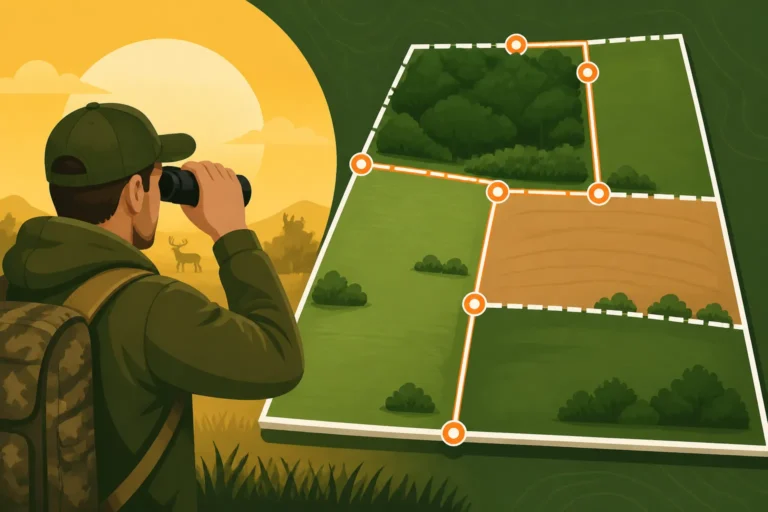
The most crucial tool for understanding dog regulations, or any WIHA rule for that matter, is the official KDWP Kansas Hunting Atlas. This isn't just a suggestion; it's a non-negotiable step before every hunt. The atlas, available online and sometimes in print, provides maps of all WIHA tracts, along with specific rules for each one. What's often overlooked is that regulations aren't always uniform across all WIHA properties. Some tracts might have special provisions or restrictions depending on the type of crops, presence of livestock, or proximity to residential areas.
It's not uncommon for a landowner to specify "no dogs" on a particular tract, or to allow them only for specific game seasons, such as upland birds. These details are typically marked directly on the map or listed in the accompanying text for that specific parcel. Before you even load up the truck, take the time to Getting the Kansas WIHA Atlas and pore over the specific area you plan to hunt. You can also utilize mapping apps like onX Hunt, which often integrate WIHA boundaries and can help you visualize the land while cross-referencing the official KDWP rules from the atlas. This double-check can save you a lot of grief and ensure you're compliant.
Types of Hunting and When Dogs are Permitted
The question of bringing your dog to WIHA land largely depends on what you're actually hunting. For some game, a dog isn't just permitted; it's an indispensable part of the hunt. For others, it's a strict no-go, with very limited exceptions. Knowing the difference is crucial for ethical and legal hunting.
Upland Bird Hunting with Dogs
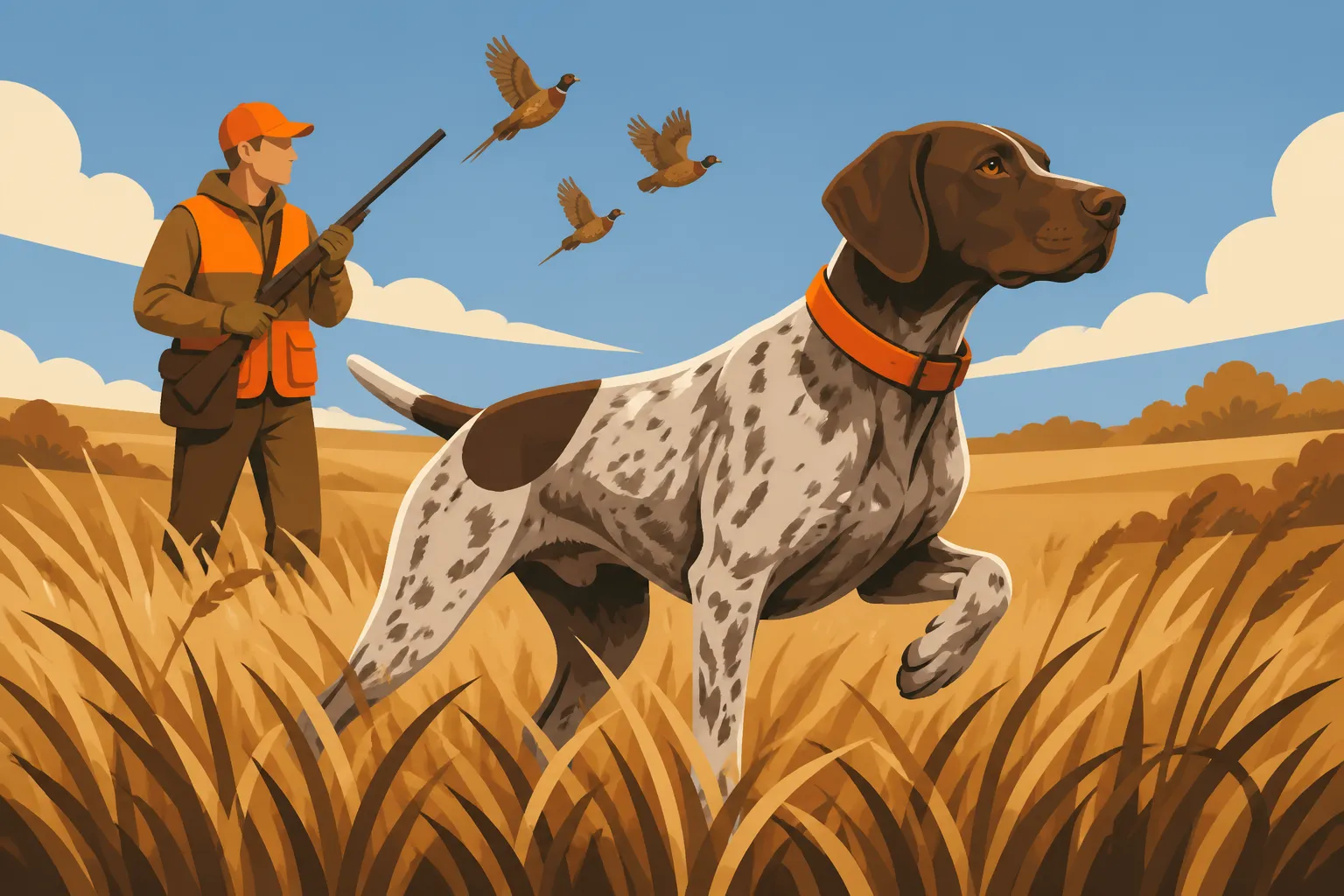
This is where your canine partner truly shines on Kansas WIHA land! Upland bird hunting, whether for ring-necked pheasants, bobwhite quail, or even greater prairie chickens, is often made infinitely better, and more successful, with a well-trained dog. Pointers can lock up on scent, flushers can burst birds from heavy cover, and retrievers ensure those hard-won birds make it back to hand, preventing lost game.
Imagine walking a vast field of milo stubble. Without a dog, you're kicking through thick rows, hoping to stumble upon a pheasant. With a skilled setter or pointer, they're quartering the field, sniffing out the subtle scent of a rooster hunkered down tight. The dog's body language tells you everything you need to know, building anticipation until the flush. When hunting in dense CRP grass or thick plum thickets where quail love to hide, a flusher like a Springer Spaniel can work through the cover efficiently, pushing birds into the air. While it's certainly possible to go Working Pheasant Fields Without a Dog, the experience and effectiveness are often greatly enhanced with one. Just make sure your dog wears a bell or a bright orange vest for safety, especially in dense cover or if other hunters are around. Checking Kansas Pheasant Season Dates and Kansas Quail Season Dates is always a good starting point for planning these hunts.
Waterfowl Hunting with Retrievers
For duck and goose hunters, a good retriever is practically a non-negotiable piece of equipment, especially when hunting Kansas reservoirs and playas. There’s nothing more heartbreaking than watching a downed bird sail into a cattail marsh or open water, only to be unrecoverable by a human. A Labrador, Chessie, or another dedicated retriever can brave icy water, navigate thick vegetation, and bring back birds that would otherwise be lost.
When you're set up in a layout blind in a cut field for geese or nestled into the bank of a playa lake for ducks, your retriever can be right there with you, hidden, waiting for the command. They are built for the work, and their enthusiasm adds another layer of joy to the hunt. Retrievers are generally well-received on WIHA tracts open to waterfowl hunting, provided they are under control and not disturbing other hunters or local wildlife. Remember to consider the conditions; cold water can be tough on dogs, so proper gear like neoprene vests might be necessary. It’s also important to be mindful of Reading a Kansas Wind for Waterfowl as it can affect where downed birds land and how challenging a retrieve might be. Overall, if you’re heading out to Waterfowl Hunting Kansas Reservoirs and Playas, your retriever is likely your best ally.
Deer and Turkey Hunting – A Different Story for Dogs
This is where the rules pivot dramatically. For most big game hunting in Kansas, specifically deer and turkey, dogs are generally not permitted as an active part of the hunt. The reasoning is straightforward: dogs can chase game, disrupt natural patterns, scatter deer from bedding areas, and generally interfere with the fair chase principles of big game hunting. Imagine spending hours carefully executing Hunting Terrain Funnels in Flat Country only to have someone else’s dog blow through your area. It’s a definite no-no and is strictly enforced by KDWP.
However, there is one very important, specific exception: blood trailing a wounded deer. Kansas law does allow the use of a leashed tracking dog to recover a wounded deer. This isn't a free pass to bring your dog every time, though. The dog must be on a leash, actively engaged in tracking, and handled by a person who is permitted to hunt. This rule is designed for recovery, not for the pursuit of game. It's a lifesaver for situations where you've made a good shot but the blood trail is sparse or has gone cold, perhaps in thick cover like Blood Trailing in CRP and Cedars. Always confirm the most current regulations with KDWP, but generally, the emphasis is on the dog being a recovery tool, not a hunting partner in the traditional sense for big game. For more details on this specific allowance, look into Using a Tracking Dog Legally in Kansas.
Etiquette and Responsible Dog Handling on WIHA
Bringing a dog onto public access land like WIHA comes with a significant responsibility. Not only are you accountable for your own actions, but also for those of your canine hunting companion. Good dog etiquette is essential to maintain good relationships with landowners, respect other hunters, and ensure the future availability of WIHA tracts.
Keeping Control of Your Canine Companion
The golden rule for hunting with dogs on WIHA is absolute control. Whether your dog is a seasoned upland bird dog or a waterfowl retrieving machine, they must respond instantly to your commands. In areas where livestock might be present, or near public roads, a leash is often the safest and most compliant option. Even if no explicit leash law is posted, having your dog on a leash when transiting through sensitive areas or when other hunters are nearby is simply good practice.
Voice commands should be strong and reliable, allowing you to stop, recall, or direct your dog even at a distance. Imagine a scenario where your dog is hot on a pheasant's trail, but that trail leads directly toward a fence marking private land or a field with cattle. You need to be able to call them back immediately. This level of discipline isn't just for convenience; it's about preventing potential conflicts, crop damage, or accidental harassment of livestock, which can quickly jeopardize the entire WIHA program. Our goal should always be Hunting Kansas Walk-In Land Without Burning It Out, and that includes avoiding issues with dogs.
Respecting Other Hunters and Landowners
Sharing public access land means being mindful of everyone else enjoying the outdoors. If you encounter other hunters, especially those not hunting with dogs, make sure your dog is controlled and does not interfere with their hunt. A friendly greeting and a brief chat can go a long way in ensuring positive interactions. A well-behaved dog reflects positively on all dog owners.
Furthermore, always clean up after your dog, especially in parking areas or near access points. No one wants to step in a pile of dog waste. When using mapping tools like onX Hunt or GoHunt, pay close attention to property lines. Even if your dog is well-trained, if they cross onto adjacent private property without permission, you could be in violation of trespass laws. These apps are invaluable for staying aware of your exact location and ensuring your dog doesn't inadvertently wander into restricted areas or disturb neighboring livestock. Being a considerate hunter, and dog owner, ensures that the WIHA program remains viable for years to come.
Health and Safety for Your Dog in Kansas Conditions
Kansas weather and terrain can be tough, and your dog's health and safety should be a top priority. In early seasons, like September bowhunting, high temperatures can quickly lead to overheating. Always carry plenty of water for both yourself and your dog, and recognize the signs of heat exhaustion. During later seasons, frigid temperatures and ice can pose risks, especially for waterfowl retrievers. Consider a neoprene vest for your dog if they'll be in cold water, similar to how we choose Cold Weather Stand Clothing for ourselves.
The Kansas landscape also presents unique challenges. Burrs, thorns, and sharp stubble can cut paws or become embedded in fur. Regularly check your dog's paws and coat. Ticks are a persistent problem throughout much of the year, so ensure your dog is on a preventative treatment and conduct thorough tick checks after every outing, especially during Tick and Chigger Season in September. Snake bites are another concern, particularly from rattlesnakes in western Kansas or copperheads in eastern timber. Knowing basic dog first aid and having a plan for emergencies can make all the difference.
Planning Your WIHA Hunt with a Dog
Successful hunting with your dog on Kansas WIHA land requires more than just showing up. It demands careful planning, attention to detail, and a commitment to responsible outdoor ethics.
Checking Specific Tract Regulations
I cannot stress this enough: always check the most current Kansas Hunting Atlas for the specific WIHA tract you intend to hunt. Regulations, especially regarding dog use, can change annually or for particular parcels based on landowner agreements or KDWP management decisions. A tract that allowed dogs last year might have new restrictions this year. Relying on outdated information is a recipe for disappointment, or worse, a violation.
When reviewing the atlas, pay close attention to any symbols or text indicating "no dogs," "dogs permitted for upland only," or any other specific limitations. Many hunters also use digital mapping tools like onX Hunt to overlay WIHA boundaries onto aerial imagery, helping them identify potential cover, access points, and property lines. Some iWIHA (internet Walk-in Hunting Access) tracts, which require digital check-in, might even have real-time updates or capacity limits that could influence your decision, as discussed in How Kansas WIHA Works. Taking the time to do this pre-hunt research is arguably the most important step in planning any WIHA outing with your dog.
Essential Gear for Dogs on WIHA
Just like you meticulously prepare your own gear for a hunt, your dog deserves the same attention. Here's a rundown of essential items to pack for your canine hunting partner:
- Water and Bowl: Absolutely critical, especially in warm weather or during strenuous activity. Dehydration is a serious risk.
- Leash and Collar: Even if you plan to hunt off-leash, a leash is necessary for safe transit, control in populated areas, and for adhering to specific rules. A sturdy collar with identification tags is also a must.
- GPS Collar: For upland and waterfowl hunting, a GPS-enabled collar can be a lifesaver, allowing you to track your dog's location in dense cover or across vast fields, especially when navigating CRP Grass and Where Bucks Bed or other expansive areas. Brands like Garmin are popular for this.
- Blaze Orange Vest/Bandana: Crucial for visibility and safety, especially during firearm seasons or in areas with other hunters.
- Paw Protection: Dog boots can protect sensitive paws from thorns, burrs, ice, or abrasive terrain. A small jar of paw balm can also help.
- First Aid Kit: Include items specific to dogs: antiseptic wipes, gauze, vet wrap, tick removers, tweezers, and any necessary medications.
- Neoprene Vest: For waterfowl retrievers, a neoprene vest offers insulation and protection in cold water.
- Training Whistle/E-collar: For effective communication and control at a distance. Ensure any e-collar use is ethical and legal.
Always have these items packed and ready. A prepared hunter and a well-equipped dog are much more likely to have a safe, successful, and enjoyable experience on Kansas WIHA land.
Summary of Dog Rules for Hunting on Kansas WIHA Land
To help you quickly grasp the general guidelines, here's a summary of dog usage on Kansas WIHA land by game type. Remember, always check the current KDWP Hunting Atlas for specific tract regulations as these are general principles only.
| Game Species | General Dog Use on WIHA Land | Specific Considerations | Important Notes |
|---|---|---|---|
| Upland Birds | Generally Permitted | Pointers, flushers, retrievers encouraged. | Essential for effective pheasant, quail, prairie chicken hunting. Keep under voice control; consider blaze orange for safety. |
| Waterfowl | Generally Permitted | Retrievers are highly beneficial, almost necessary. | Crucial for recovering downed ducks and geese, especially in water or thick cover. Consider neoprene vests in cold conditions. |
| Deer (Big Game) | Generally NOT Permitted | Exception: Leashed tracking dogs for wounded deer recovery. | Dogs actively pursuing deer are illegal and unethical. Strict KDWP rules apply to blood trailing dogs (leashed, permitted hunter). |
| Turkey (Big Game) | Generally NOT Permitted | No exceptions for active hunting. | Dogs can disrupt turkey patterns. Never use a dog to chase or find turkeys for harvest. |
| Furbearers/Predators | Varies, often Permitted | Check specific KDWP regulations for each species and method. | Some predator hunting (e.g., calling coyotes) may allow leashed or controlled dogs depending on method and location. Always verify. |
Disclaimer
This article is for general informational purposes only and does not constitute professional advice. Laws, prices and regulations vary by location and change over time. Consult a qualified professional for guidance on your specific situation.