Kaw Wildlife Area Acres and Management
For any Kansas hunter, especially those new to exploring the state's public lands, navigating the sheer volume of information—or lack thereof—about specific wildlife areas can be a real headache. You hear whispers about a place, maybe see it on a map, but getting a clear picture of what to expect, how much ground there is, and how it’s managed can feel like solving a puzzle with half the pieces missing. This guide is here to pull back the curtain on the Kaw Wildlife Area, giving you a detailed look at its size, management, and the incredible hunting opportunities it offers, helping you plan your next adventure with confidence.
Getting to Know the Kaw Wildlife Area: Size and Scope
The Kaw Wildlife Area, often simply referred to as "Kaw WMA," is a significant piece of public hunting ground that can be a fantastic resource if you know how to approach it. Understanding its scale and layout is your first step to unlocking its potential for a successful hunt, whether you’re after deer, turkeys, or upland birds.
The Lay of the Land: Total Acres and Key Features
Sprawling across approximately 2,500 acres, the Kaw Wildlife Area offers a diverse landscape for hunters. Unlike some WMAs that might be vast, unbroken tracts of a single habitat type, Kaw presents a mosaic. You’ll find significant timber stands, particularly along the Kansas River, which forms a major boundary and ecological influence for the area. These river bottom woodlands are a draw for big whitetails and robust turkey populations, offering dense cover and plentiful food sources.
Beyond the timber, you’ll encounter areas of managed grasslands, often a mix of native prairie and planted herbaceous cover, interspersed with agricultural fields. These fields might be left standing, partially harvested, or planted specifically for wildlife, providing crucial food and cover, especially during the colder months. This varied habitat is what makes Kaw WMA so appealing to a range of hunters. From the deep woods to the open fields, each section offers a unique challenge and opportunity, demanding different scouting and hunting tactics.
Navigating the Boundaries: Understanding What's Huntable
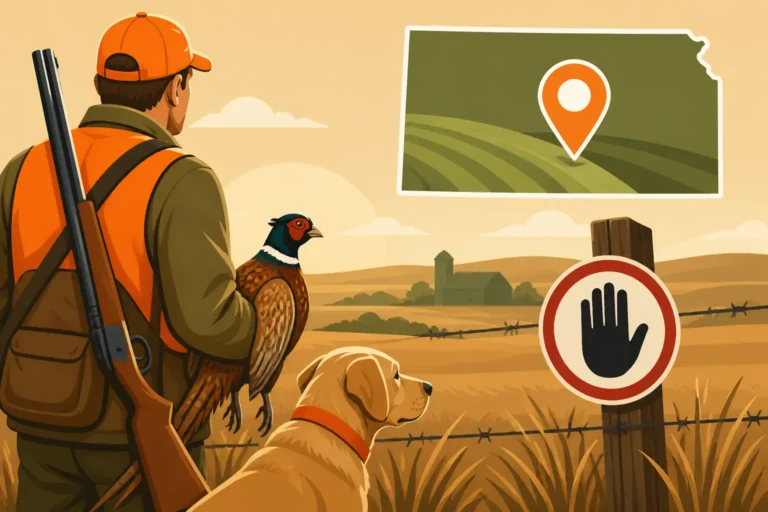
One of the biggest frustrations on public land is not knowing exactly where you can and cannot hunt. At Kaw WMA, like any public area, there are specific boundaries and sometimes even internal refuge zones or non-hunting areas that you absolutely need to respect. Ignorance is no excuse, and accidentally trespassing or hunting in a closed area can lead to serious consequences.
This is where modern mapping technology becomes your best friend. You really need to have a digital mapping tool like onX Hunt fired up on your phone. These apps clearly display the WMA boundaries, often differentiate between public and private land, and can even show specific KDWP-managed areas or restrictions within the WMA. Before you ever step foot on the property, spend time zooming in, identifying access points, parking areas, and potential points where public land meets private. Another great tool for initial planning can be GoHunt, which often provides overall insights into public land availability. Always cross-reference with the official Kansas Hunting Atlas, available online from KDWP, for the most up-to-date information on any special rules or recent boundary changes for Kaw. Being prepared with accurate maps ensures you stay legal and focus on the hunt, not on worrying about property lines.
Management Strategies and Their Impact on Wildlife
The Kansas Department of Wildlife and Parks (KDWP) doesn't just "own" this land; they actively manage it to enhance wildlife habitat and, in turn, hunting opportunities. Understanding these management strategies can give you a huge leg up in figuring out where the animals will be and why. It's not just random; there's a science to it.
Habitat Work: How KDWP Shapes the Landscape
The management practices at Kaw Wildlife Area are designed to create a diverse and healthy ecosystem for a variety of game species. One common and highly effective tool is prescribed burning. Controlled burns are used to rejuvenate grasslands, stimulate new growth of nutritious forbs and grasses, and reduce woody encroachment. For deer, this means fresh, palatable browse. For upland birds, it clears out matted dead vegetation, making it easier for poults and chicks to navigate and find insects, while also improving nesting cover structure.
You might also see evidence of timber stand improvement (TSI) in the forested areas. This involves selectively thinning trees to promote growth of more desirable species, open the canopy to allow sunlight to reach the forest floor, and create better understory for browse and cover. These efforts directly benefit Kansas Whitetail Deer and Why They Grow Big by providing more food and better bedding areas, and they help create vital roosting and nesting cover for turkeys. Sometimes, small food plots might be established in strategic locations, though extensive food plotting is less common on public land compared to private. The overall goal is always to create a diverse mosaic of food, water, and cover that supports robust wildlife populations.
Waterfowl and Upland Bird Focus
Given its proximity to the Kansas River and potentially wetland features, parts of Kaw Wildlife Area are often specifically managed with waterfowl in mind. This might include maintaining shallow water impoundments, moist soil units, or areas with managed annual grains that provide crucial food resources for migrating ducks and geese. Hunters targeting waterfowl should pay close attention to water levels and any designated refuge areas that might be in place to give birds a break from pressure.
For upland birds like pheasants and bobwhite quail, the management often centers on creating and maintaining quality grassland and shrubby cover. This involves techniques like strip disking, planting native grasses, and establishing plum thickets or other brushy cover that provides escape from predators and harsh weather. You might find areas of CRP (Conservation Reserve Program) grasses, which are excellent for nesting and winter cover. These areas are prime spots for Upland Bird Hunting Kansas Grass and Milo Edges, offering the dense cover that birds absolutely depend on. A detailed scouting trip or a quick look at aerial imagery can often reveal these pockets of prime upland habitat.
Hunting Opportunities and Species at Kaw
Kaw Wildlife Area offers a diverse menu for hunters, driven by its varied habitat. Knowing what species thrive there and how to hunt them effectively is key to a rewarding experience.
Deer Hunting: Whitetails in the River Bottoms
The whitetail deer population at Kaw WMA is often robust, largely due to the rich habitat found along the Kansas River. The extensive timber in the river bottom provides excellent cover, browse, and sanctuary. Deer utilize the river and its associated creek draws as travel corridors, especially during the rut. Scouting these areas for pinch points, old rubs, and scrapes can reveal prime stand locations. For more insights on this, check out Reading a Kansas Creek Bottom for Deer Sign.
While the river bottom is a major draw, don't overlook the interfaces where timber meets agricultural fields or dense grasslands. These edge habitats are frequently used by deer moving between bedding and feeding areas. Hunting pressure can be a factor, so consider venturing further from easy access points or hunting during weekdays to find less disturbed deer. Access routes that avoid bumping deer in their primary bedding areas are crucial, so study maps carefully to find sneaky entry and exit points. Understanding River Oxbows and Deer Movement can also provide tactical advantages for stand placement in this type of terrain.
Turkey and Small Game Prospects
Kaw WMA can be a fantastic spot for spring turkey hunting. The large tracts of mature timber, especially the cottonwoods and oaks along the river, provide ideal roosting sites. During the spring, gobblers will be looking for hens in these timbered areas and venturing into the adjacent fields. Early morning reconnaissance to Roosting Kansas Turkeys the Night Before can be invaluable, allowing you to position yourself for a setup near their fly-down location. Later in the morning, focusing on areas with open woods where they might strut or travel can pay off. Dealing with henned-up gobblers requires patience and sometimes aggressive calling; for tips on that, you might find Calling a a Henned-Up Kansas Gobbler useful.
Beyond deer and turkey, the WMA also provides opportunities for small game hunters. Squirrels are plentiful in the timbered areas, particularly where oak and hickory trees provide a food source. Rabbits can be found in brushy edges, plum thickets, and dense grasslands. While often overlooked, small game hunting can be a fun and accessible way to enjoy the WMA, especially for younger hunters or those looking for a different challenge.
Regulations and Area-Specific Rules
Before you embark on any hunt at Kaw Wildlife Area, you must ensure you are up-to-date on all Kansas hunting regulations and any rules specific to the WMA. This means possessing the correct Kansas hunting license and any necessary permits for the species you intend to hunt. Information on Kansas Hunting Licence and Permit Costs and Kansas Deer Season Dates by Weapon is readily available through KDWP.
It’s not just about tags, though. Pay attention to area-specific rules regarding vehicle access (some roads may be closed seasonally or year-round), the use of ATVs, camping policies, and restrictions on permanent stands or blinds. Some WMAs have specific rules about when portable stands must be removed or if screw-in steps are allowed. Always consult the official KDWP Kansas Hunting Atlas and any signage posted at the WMA entrance. These resources are your definitive guide to staying legal and respectful of the land and other users.
Planning Your Hunt at Kaw Wildlife Area
A successful hunt at Kaw Wildlife Area, especially on public land, comes down to preparation and realistic expectations. It’s not always easy, but the rewards are truly earned.
Essential Tools for Public Land Hunters
Having the right tools is paramount when venturing into any public hunting area, and Kaw WMA is no exception. A high-quality digital mapping application like onX Hunt or GoHunt is, frankly, non-negotiable. These apps provide invaluable real-time information, showing your precise location relative to property lines, WMA boundaries, and topographical features. This helps you identify access routes, pinpoint potential stand locations, and confirm you're not inadvertently stepping onto private property. Always download offline maps before you go, as cell service can be spotty in remote areas.
Beyond digital maps, don't forget the basics: a physical compass and paper map (even if just for backup), plenty of water, a reliable flashlight or headlamp, a basic first-aid kit, and appropriate clothing layers for the season. If you're deer hunting, a good pair of binoculars for scouting and identifying distant features will be a huge asset. For retrieving game, consider a deer cart if the terrain allows, as getting a deer out of a river bottom alone can be incredibly challenging. Pre-season scouting, even just from home using satellite imagery, can make a huge difference in finding promising areas and identifying potential challenges. For more on this, look into Scouting Kansas River Bottoms and Creek Draws.
Managing Hunter Pressure and Expectations
Let’s be real: Kaw Wildlife Area, being a well-known public hunting spot, can experience significant hunter pressure, especially during peak seasons like the firearm deer opener or the early days of turkey season. It’s a reality of public land hunting. However, this doesn't mean you can't find success or solitude. It just means you need to be smarter and perhaps work a little harder than the next hunter.
One of the best strategies is to walk further than most. Many hunters stick close to parking areas or easily accessible trails. By putting in the extra mileage, you can often reach pockets of habitat that receive less disturbance. Hunting mid-week, if your schedule allows, is another excellent way to avoid the weekend crowds. Also, don't be afraid to explore areas that might look less appealing on a map, like denser thickets or sections with more challenging terrain. Deer, especially mature bucks, often seek refuge in these overlooked spots. Setting realistic expectations is also key; public land hunting is a challenge, but the satisfaction of earning a successful hunt in a pressured environment is immense. For a deeper dive into this topic, consider reading Hunting Pressure Patterns on Kansas Public Land and Access Routes That Do Not Bump Deer.
| Species | Primary Hunting Opportunity | Key Habitat Features at Kaw | Important Considerations |
|---|---|---|---|
| Whitetail Deer | Archery, Muzzleloader, Firearm | River bottom timber, creek draws, crop field edges, dense CRP | High pressure during peak seasons, focus on travel corridors and bedding cover |
| Wild Turkey | Spring (Gobblers) | Mature timber, roosting trees along river, adjacent open fields | Roosting birds, calling tactics, scouting active strut zones |
| Pheasant/Quail | Upland Bird Season | Grasslands, crop stubble, plum thickets, fencelines | Best after fall crops are out, dog often beneficial, check habitat maps |
| Waterfowl | Fall/Winter (Ducks, Geese) | Kansas River, managed wetlands/impoundments (if present) | Scouting water levels, decoy spreads, blinds, check for specific regulations |
| Small Game | Year-round (Squirrels, Rabbits) | Timbered areas (squirrels), brushy cover/edges (rabbits) | Accessible, good for new hunters, often less pressure |
Disclaimer
This article is for general informational purposes only and does not constitute professional advice. Laws, prices and regulations vary by location and change over time. Consult a qualified professional for guidance on your specific situation.