Antelope Fawn Survival in Dry Years
It’s a tough reality out here on the High Plains, especially when the rains don’t come. For hunters who spend years observing the Kansas antelope herds, nothing is more disheartening than seeing the impact a dry year has on the most vulnerable among them: the fawns. This guide is all about shedding light on the critical factors that dictate antelope fawn survival when Mother Nature holds back the moisture, and what it means for the health of our herds.
The Harsh Reality of Dry Years for Antelope Fawns
When you think of Kansas antelope, you probably picture them out in the vast, open spaces of the western part of the state. It's a land of stoic beauty, but it can be unforgiving, especially when persistent drought settles in. For antelope fawns, these dry years present a gauntlet of challenges that can drastically impact their chances of making it to their first winter. It's not just about a lack of water; it's a cascade effect that touches every aspect of their early lives.
Impact on Forage and Nutrition
The most immediate and profound effect of a dry year is on the available forage. Antelope, being primarily browsers, rely heavily on forbs and certain grasses that flourish with adequate moisture. When drought takes hold, these vital plants either don't sprout, are stunted, or quickly dry up, becoming sparse and less nutritious. Imagine trying to raise a family when the grocery store shelves are bare and what little food remains is of poor quality. That’s essentially what a doe faces during a dry spring and summer.
This lack of quality forage directly impacts the health of the pregnant and lactating does. A well-nourished doe is crucial for healthy fawn development both in utero and after birth. She needs sufficient nutrients to carry the fawns to term and then to produce enough milk to sustain them for their first few critical weeks. When she's struggling for food, her milk production suffers, and the fawns receive less sustenance. This can lead to weaker, smaller fawns that are more susceptible to disease and less capable of evading predators. It's a direct link from the health of the land to the survival of the next generation.
Water Scarcity and Its Ripple Effects
Water is life, and in dry western Kansas, every drop counts. Antelope are remarkably adapted to arid environments, able to go for extended periods without free water by utilizing the moisture in the plants they eat. However, in truly dry years, even that plant moisture disappears. Ephemeral water sources – those temporary ponds and seepages that appear after rain – simply don't materialize or dry up almost immediately. This forces antelope, especially does with fawns, to seek out more permanent water sources like stock tanks, windmills, or larger ponds. You can often see the evidence on public land if you use a tool like GoHunt to scout water points.
The problem arises when these animals are forced to concentrate around limited water points. This concentration can lead to several issues. First, it increases competition for the already scarce forage in the immediate vicinity of the water. Second, it can increase the risk of disease transmission among the herd, as animals are in closer contact. Most critically for fawns, it often means longer treks to and from water, exposing them to greater danger from predators. A fawn trying to keep up with a thirsty doe across several miles of open country is far more vulnerable than one that can stay hidden near localized, abundant forage and water. Understanding the Antelope Range in Northwest Kansas helps illustrate just how vital these scattered water sources can be.
Increased Vulnerability to Predators in Drought Conditions
Predation is a natural part of any ecosystem, and antelope fawns are always on the menu for various predators. However, during dry years, the scales tip heavily against the fawns, making them significantly more vulnerable. It’s a harsh reality that fewer fawns means a slower recovery for the herd, even if hunting pressure is managed.
Reduced Cover and Concealment
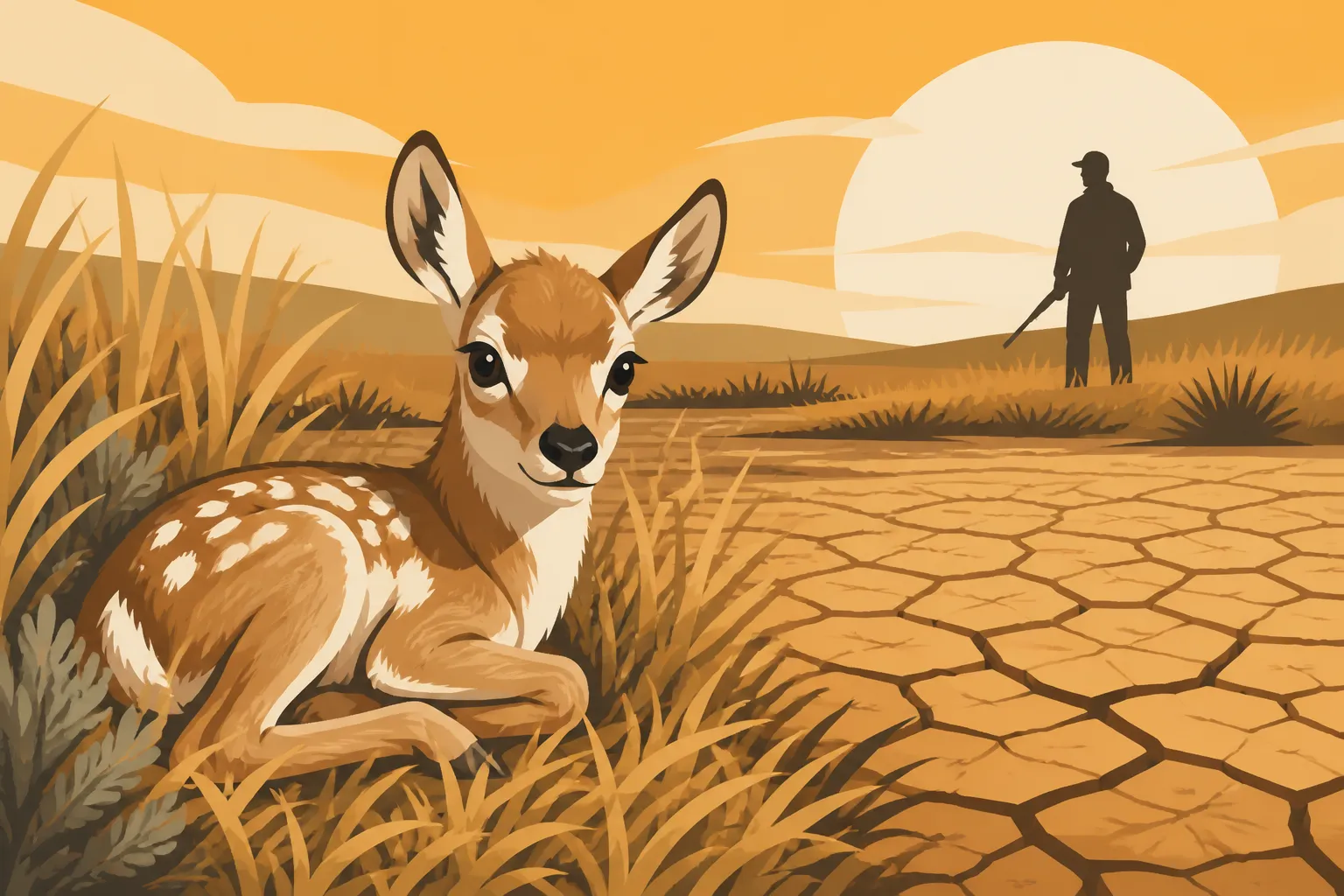
Antelope fawns, particularly in their first few weeks, rely heavily on camouflage and remaining motionless to avoid detection. They are masters of hiding in plain sight, often "bedded" down in tall grass or brush while their mothers feed nearby. However, a dry year drastically reduces the availability and density of this crucial cover. When the grasses are short, sparse, or completely withered, a fawn's natural defense mechanism is severely compromised. Imagine trying to hide a small, vulnerable animal in a landscape that offers little more than cracked earth and stubble.
Coyotes, bobcats, and even raptors like golden eagles become far more efficient hunters when there's less vegetation for fawns to disappear into. The open landscape, devoid of its usual leafy screen, essentially puts a spotlight on these young animals. For hunters scouting the plains, observing sparse cover in a dry year immediately flags a potential issue for fawn survival. Tools like GoHunt can help assess habitat conditions, but sometimes you just need to put boots on the ground to see the reality. This vulnerability compounds the challenges fawns already face due to poor nutrition, making them easier targets for a range of predators, including the ever-present Kansas Coyote Density and Bobcats and Furbearers in Kansas.
Weakened Fawns and Does
As we discussed earlier, dry years lead to poor forage and nutritional deficiencies for does. This stress takes a toll not just on milk production but on the doe's overall physical condition. A doe that is weak or stressed from drought conditions is less alert, less agile, and less able to defend her fawns from danger. She might not be able to lead them quickly enough to safety when a predator approaches, or she might not have the energy to chase off smaller threats.
Similarly, fawns born to nutritionally stressed does are often weaker, smaller, and develop slower. Their immune systems might not be as robust, making them more susceptible to illness, and their physical capabilities – their speed and agility – may be diminished. These factors combined create a perfect storm, where fawns are not only exposed due to lack of cover but are also less capable of escaping when detected. It's a sad but undeniable truth that the strong survive, and drought severely limits a fawn's ability to be strong from the start.
Long-Term Consequences for Kansas Antelope Herds
The immediate impact of low fawn survival is visible, but the effects of prolonged dry periods can ripple through the antelope population for years, affecting everything from herd structure to future hunting opportunities. It’s a cycle that emphasizes the delicate balance of nature and the importance of healthy habitat. Understanding Kansas Antelope Herd Size is crucial here, as poor fawn recruitment can significantly depress those numbers.
Stunted Recruitment and Population Decline
The term "recruitment" in wildlife management refers to the number of young animals that successfully survive to reproductive age and join the breeding population. In years with low fawn survival, recruitment takes a massive hit. If a high percentage of fawns don't make it past their first few months, there simply aren't enough young animals to replenish the older cohorts that naturally succumb to old age, disease, or predation. This isn't just a concern for hunters; it's a fundamental issue for the long-term health and sustainability of the herd.
Over several consecutive dry years, the cumulative effect can lead to a significant decline in the overall antelope population. It can take many years of favorable conditions – good rainfall, abundant forage, and successful fawn crops – for the herd to recover from such a setback. For hunters, this translates to fewer tags available in the draw, more conservative harvest limits, or even unit closures in extreme cases, as wildlife managers try to give the population a chance to rebound. This directly ties into the decisions made for Kansas Antelope Permits and Seasons.
Habitat Resilience and Management Strategies
While we can't control the weather, effective habitat management can certainly mitigate some of the harsher impacts of dry years. Landowners and wildlife agencies in Kansas are constantly working to improve habitat resilience, especially in those western counties where antelope thrive. This includes maintaining diverse native grasslands, ensuring access to reliable water sources, and managing grazing to promote healthy forage growth. For example, knowing Finding Water in Dry Western Kansas is critical for survival.
Programs that promote responsible land stewardship and maintain quality habitat, including some Kansas State Wildlife Areas, are vital. Diversified forage means that if one plant type struggles in drought, others might still provide some nutrition. Water development, whether through maintaining existing stock ponds or developing new ones, ensures that antelope have critical hydration points even when natural sources fail. Hunters who utilize mapping tools like GoHunt can often spot these managed areas or analyze aerial imagery to understand where antelope might be finding refuge and sustenance during tough times. Proactive management gives antelope a fighting chance when conditions are less than ideal.
What Hunters Can Observe and Consider
As hunters, we are often among the most astute observers of wildlife and their environment. Our time in the field provides valuable insights into herd health and the challenges animals face. In dry years, paying closer attention to certain signs can help us understand the bigger picture for Kansas antelope and make informed decisions.
Reading the Landscape for Fawn Success Indicators
When you're out scouting, especially in late spring or summer, start looking for clues about fawn survival. A healthy fawn crop isn't just about seeing fawns; it's about seeing healthy, vigorous fawns. Are they alert and quick? Do they appear well-fed, or do they look thin and listless? Pay attention to the condition of the does too. Are they robust, or do they show signs of stress? These observations can tell you a lot about the nutritional status of the herd.
Furthermore, assess the habitat. Are the key forbs and grasses that antelope rely on present and green, or are they withered and sparse? Is there accessible water without forcing animals to travel excessively long distances? Using detailed mapping resources, such as those found on GoHunt, can help you analyze the availability of cover and water sources, allowing you to Reading Aerial Imagery for Bedding Cover even from your home. This level of detail can give you an edge in understanding which areas might be supporting more fawns, or conversely, which areas are struggling. Talking to landowners or local wildlife biologists can also provide crucial local context. When considering hunting areas in the Western Kansas Plains Hunting Country, these observations become even more critical.
Ethical Considerations and Herd Health
Understanding the struggles antelope fawns face in dry years can, and perhaps should, influence our approach to hunting. If you've spent weeks scouting and observed a visibly low fawn recruitment, or if the does appear stressed, it might be a year to adjust your expectations. While antelope permits are often either-sex or buck-only, being aware of overall herd health is part of ethical hunting. Perhaps it means being more selective in your buck choice, or if you have an antlerless opportunity, taking the time to truly assess the herd dynamics before making a decision.
The goal for all of us should be a healthy, sustainable antelope population. While hunters are a small part of the overall fawn mortality picture, our collective understanding and appreciation for the challenges these animals face only strengthens our commitment to conservation. It’s about more than just pulling a trigger; it’s about being a steward of the land and its wildlife, ensuring that future generations of hunters can experience the thrill of pursuing Kansas antelope. Accessing land is often granted by understanding and respecting landowners, and knowing Kansas Landowner Permission Basics is a great first step in building those relationships.
| Condition | Impact on Forage | Impact on Does | Impact on Fawns | Predator Vulnerability | Overall Fawn Survival |
|---|---|---|---|---|---|
| Wet Years | Abundant, nutritious | Healthy, strong milk production | Strong, vigorous | Lower (more cover) | High |
| Dry Years | Sparse, poor quality | Stressed, reduced milk | Weak, susceptible | Higher (less cover, weaker) | Low |
Disclaimer
This article is for general informational purposes only and does not constitute professional advice. Laws, prices and regulations vary by location and change over time. Consult a qualified professional for guidance on your specific situation.