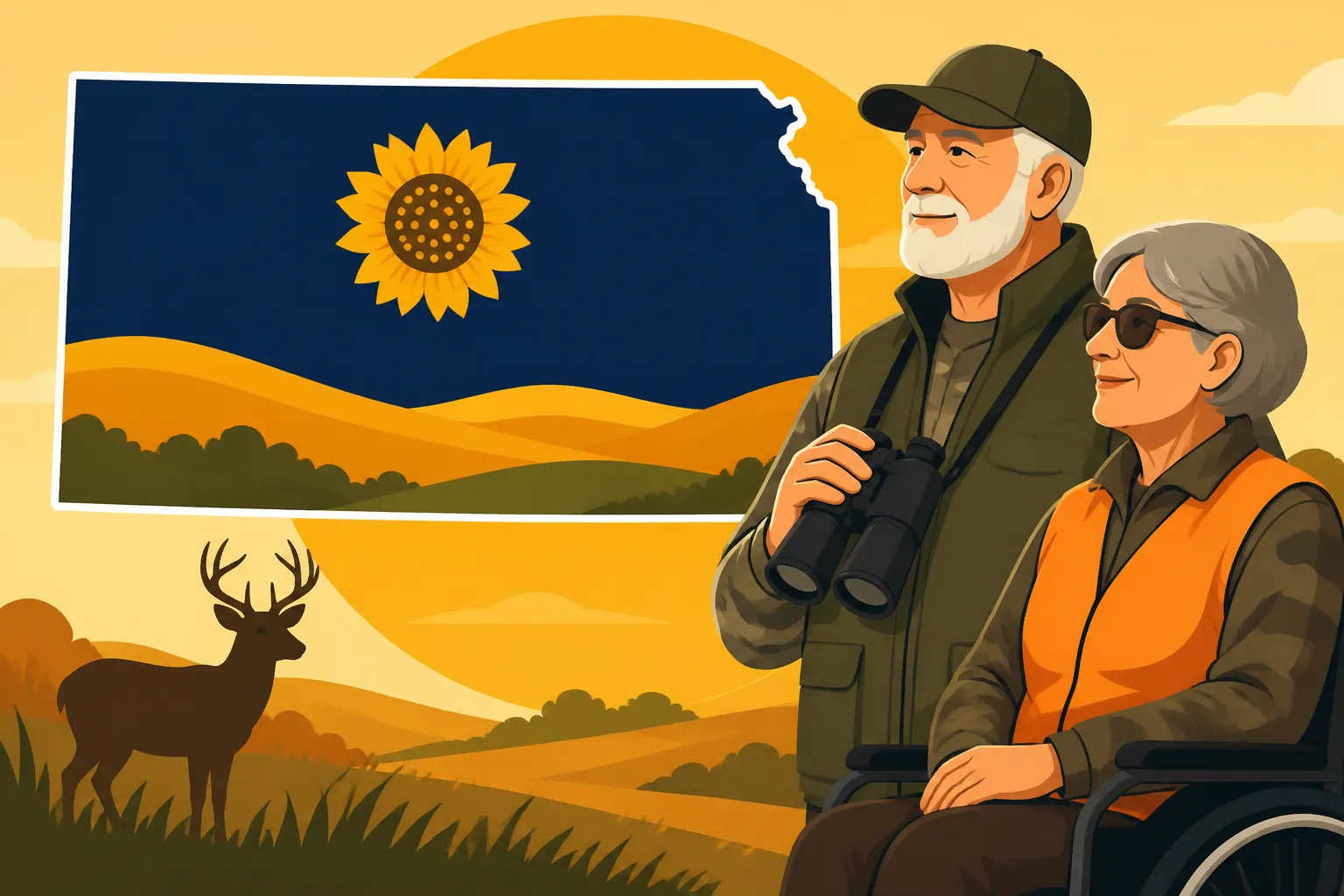
Kansas Senior and Disabled Licence Rules
Navigating the labyrinth of hunting regulations and license requirements in Kansas can feel like an impossible task, especially when you're looking for specific information as a senior hunter or someone with a disability. It’s a common frustration to just want to get out into the field, yet be bogged down by what often feels like intentionally opaque rules and application processes. This comprehensive guide is designed to cut through that confusion, providing clear, empathetic, and actionable insights into Kansas’s senior and disabled hunting license rules so you can focus on what truly matters: your time in the great outdoors.
Navigating Kansas Hunting Licenses for Senior Residents
For many seasoned hunters, reaching senior status should mean easier access to the sport they love, not more hoops to jump through. Kansas understands this, offering several benefits for its long-time residents. Understanding these options is the first step toward a hassle-free hunting season.
Eligibility for Senior Resident Hunters
Kansas Parks and Wildlife (KDWP) defines senior resident hunters based primarily on age and residency. To qualify for senior-specific licenses, you must be a bona fide resident of Kansas and meet the age requirement. As of the current regulations, a Kansas resident is generally considered a "senior" for hunting license purposes once they reach 65 years of age.
Proof of residency is paramount. This typically means having lived in Kansas for at least 60 consecutive days immediately prior to applying for a license, and having a valid Kansas driver's license or state ID card. It’s not just about spending winters here; it's about establishing a legal domicile. KDWP is pretty strict about this to ensure that only true residents benefit from the reduced rates, which helps manage game populations and resource allocation for those who contribute to the state’s wildlife conservation through their taxes and other means. This ensures fairness for everyone invested in Kansas hunting.
Discounted and Lifetime Senior Options
Once you meet the eligibility, Kansas offers some fantastic options. The most common is the Annual Resident Hunting License for Seniors, which is significantly reduced compared to the standard adult resident license. This is a great choice for those who want to buy their license each year, perhaps as part of a ritual or because they’re unsure how many more seasons they’ll be actively hunting.
However, for those looking for ultimate convenience and a long-term investment, the Lifetime Resident Hunting License for Seniors is often the best deal. This permit covers all future hunting license needs, eliminating the annual renewal hassle entirely. Imagine never having to worry about application deadlines for your base hunting license again! While it's a larger upfront cost, it pays for itself over time and ensures you're covered for life. It’s a perfect gift for an avid senior hunter, too. Just remember, these lifetime options don't typically include additional permits for specific species like deer or turkey, or federal duck stamps; those are usually still purchased annually.
Here’s a quick overview of some common license options and their benefits for senior residents:
| License Type | Age Requirement | Residency | Key Features | Typical Cost (approx.) |
|---|---|---|---|---|
| Annual Resident Hunting | 65+ | Resident | Basic hunting privileges for one year. | ~$15.00 |
| Lifetime Resident Hunting | 65+ | Resident | Basic hunting privileges for life, no annual renewal needed. | ~$40.00 |
| Annual Combination (Hunt/Fish) | 65+ | Resident | Combines hunting and fishing for one year, often a slight discount. | ~$30.00 |
| Lifetime Combination (Hunt/Fish) | 65+ | Resident | Combines hunting and fishing for life. | ~$60.00 |
(Note: Prices are approximate and subject to change by KDWP. Always check the official KDWP website or Go Outdoors Kansas portal for the most current rates.)
Application Process and Renewal for Seniors
Getting your senior license is straightforward, but attention to detail helps. Most applications can be completed online through the Go Outdoors Kansas portal. This is generally the easiest and quickest way. You'll need your Kansas driver's license or state ID number, and a valid credit or debit card for payment. The system is pretty user-friendly, guiding you through each step.
If you prefer, you can also purchase licenses in person at various KDWP offices or authorized license vendors across the state, such as sporting goods stores. This can be a good option if you have questions or prefer a physical transaction. Just be sure to bring your identification and proof of residency.
For annual licenses, renewals are just as simple – usually a few clicks online. For lifetime licenses, once it's purchased, you're done! You'll receive a permanent card, and you just need to keep it with you when you're hunting. It's truly a "set it and forget it" solution. For those planning a deer hunt, remember to also look into the Kansas Deer Permits and the Nonresident Draw process, as that's a separate application.
Special Provisions for Hunters with Disabilities in Kansas
Kansas is committed to making hunting accessible to everyone, and that includes providing specific provisions and permits for hunters with disabilities. These rules are designed to accommodate various challenges, ensuring that physical limitations don't entirely close the door to enjoying the state's abundant wildlife.
Defining Disability for Hunting Permits
The KDWP has specific criteria for what constitutes a "disability" for special hunting permits. It's not just a blanket term; certain conditions and their impact on physical mobility or sensory perception are considered. Generally, this includes individuals with permanent physical disabilities that significantly impair their ability to walk, stand, or use one or both hands or arms, or those who are visually impaired to a certain degree.
To qualify, you'll typically need to provide official documentation. This often involves a certified statement from a licensed physician outlining the nature and permanence of the disability, or proof of disability benefits from a state or federal agency. KDWP might also require you to submit an application for a "Disabled Hunter Card" or similar identification. It's crucial to understand these definitions before applying, as simply having a chronic condition might not automatically qualify you for every provision. Always check the current KDWP regulations handbook for the exact legal definitions and required paperwork.
Specific Disabled Hunter Permits and Privileges
Once qualified, hunters with disabilities can access a range of special permits and privileges that can make their time in the field much more manageable and enjoyable. These might include:
- Physically Disabled Hunting License: This is a base hunting license, similar to the annual resident license, but specifically for those with approved disabilities.
- Special Crossbow Permit: While archery season typically mandates traditional bows, disabled hunters might be eligible to use a crossbow during these seasons, which can significantly aid those with upper body limitations.
- Permit to Hunt from a Vehicle: This is one of the most impactful privileges. For individuals with severe mobility issues, being able to shoot legally from a stationary vehicle (often with specific safety stipulations like the engine being off and the vehicle not on a public road) can be game-changing. This allows access to areas that would otherwise be impossible to reach on foot.
- Reduced Tag Prices: In some instances, depending on the specific disability and species, there might be reduced prices for certain big game tags.
- Special Seasons or Methods: Occasionally, specific seasons or methods might be opened or adapted for disabled hunters, such as an early access season to avoid crowds, or extended shooting hours for those with visual impairments.
These accommodations are designed to level the playing field, ensuring that the spirit of fair chase is maintained while providing necessary support. For example, knowing you can utilize a crossbow during Bowhunting Kansas Deer From September to December can make all the difference for a hunter with a shoulder injury. Always verify the specifics of your permit, as each comes with its own set of rules and limitations regarding hunting methods, locations, and safety.
Obtaining and Utilizing Disabled Hunter Cards
The pathway to accessing these benefits usually starts with obtaining an official Disabled Hunter Card from KDWP. This card serves as your proof of eligibility for various accommodations. The process involves submitting an application, often with the required medical documentation. Once approved, the card will be issued, typically valid for a specified period or sometimes permanently, depending on the nature of the disability.
When in the field, it is absolutely crucial to have your Disabled Hunter Card with you, along with your hunting license and any species-specific tags. This card is your official authorization for any special privileges you are exercising. Game wardens will often check for this card if they observe you utilizing a special provision, such as hunting from a vehicle or using a crossbow during archery season. Think of it like a pass that validates your specific hunting methods. Losing it can lead to complications, so treat it with the same care you would your driver's license. It’s also wise to check for specific rules on Portable Stand Rules on Kansas Public Land or using Ground Blinds in Open Country that might be especially helpful for disabled hunters.
Important Considerations for All Senior and Disabled Hunters
Beyond just getting the right license, there are broader considerations that can make your Kansas hunting experience smoother and more enjoyable. These tips apply whether you're a seasoned senior or a disabled hunter exploring new opportunities.
Understanding Permit Combinations and Additional Stamps
It’s easy to get confused with the layering of licenses and permits. Your basic hunting license (senior or disabled) is usually just that: a general license to hunt small game. If you plan to pursue specific species like deer, turkey, or migratory birds, you’ll need additional permits or stamps.
For example, if you want to hunt whitetail, you'll need your base hunting license plus a Kansas Deer Permit, which is often unit-specific and may require participation in the draw process. For waterfowl, you'll need your hunting license, a Kansas Waterfowl Stamp, and a Federal Duck Stamp, along with HIP (Harvest Information Program) registration. Each of these typically has its own cost and application process. It’s not uncommon to need three or four different pieces of paper (or digital confirmations) to be fully legal for a specific hunt. This is where planning ahead and checking the KDWP regulation summary for the current year is absolutely vital. Tools like GoHunt can help clarify these requirements by providing unit-specific regulations and summaries.
Staying Informed with KDWP Resources and Technology
The Kansas Department of Wildlife and Parks (KDWP) website (ksoutdoors.com) is your primary, official source for all regulations, season dates, and license information. They publish an annual hunting and trapping regulations summary that is a must-read. You can also find detailed information on Kansas Deer Season Dates by Weapon or learn about Kansas Turkey Hunting Tactics for Spring Gobblers. Don't just rely on what you heard from a friend or read online; always cross-reference with the official KDWP publications.
In addition to the official website, platforms like the Go Outdoors Kansas portal mentioned earlier are essential for buying licenses and permits. For those who embrace technology, advanced hunting apps like GoHunt offer incredible tools for e-scouting, viewing public land boundaries, and even keeping up with regulation changes. These apps often integrate KDWP data, providing overlays for Kansas Walk-In Hunting Access Explained (WIHA) and other public lands, making it easier to plan your hunt from home, which can be a huge benefit for senior or disabled hunters who might have limited mobility for physical scouting. Utilizing these resources can save you headaches and ensure you're always compliant.
Planning Ahead for a Successful Hunt
Successful hunting, especially for senior and disabled individuals, often comes down to meticulous planning. This isn't just about licenses; it's about physical preparation, equipment, and scouting accessible locations.
- Scouting Accessible Areas: Use online maps and tools like GoHunt to identify public lands or WIHA tracts with easier access points, flatter terrain, or established trails. Consider areas near roads if you have a permit to hunt from a vehicle. Knowing how to read aerial imagery for bedding cover can be a game-changer.
- Physical Preparation: Even if you have mobility aids, a certain level of physical preparedness is helpful. Simple exercises or consulting with a physical therapist can improve stamina and comfort in the field. This also includes thinking about Cold Weather Stand Clothing to stay comfortable and safe.
- Appropriate Equipment: Invest in comfortable, lightweight gear. Consider specialized mobility devices designed for hunting, like all-terrain wheelchairs or sturdy shooting rests. If you are hunting Public Land Deer Hunting in Kansas, think about how you will recover game, and if you need assistance getting a deer out of a river bottom alone.
- Hunting Companions: Hunting with a friend or family member can significantly enhance safety and enjoyment. They can assist with equipment, game recovery, and navigating challenging terrain. Having a trusted companion can turn a potentially daunting outing into a cherished memory.
- Understanding Kansas Deer Units and What Each Holds: Each unit has unique characteristics, and understanding these can help you pick the best location for your physical capabilities and hunting goals.
By combining the right permits with thoughtful preparation, senior and disabled hunters can continue to experience the thrill and peace of Kansas's wild places for years to come. Remember, the goal is not just to hunt, but to enjoy the entire experience safely and comfortably.
Disclaimer
The information provided in this guide is for general informational purposes only and is subject to change. Hunting regulations, license fees, and eligibility criteria are set by the Kansas Department of Wildlife and Parks (KDWP) and can be updated at any time. Always consult the official KDWP website or their annual regulations summary for the most current and accurate information before planning your hunt.