Kansas Antelope on the High Plains
The vast, unbroken expanses of the Kansas High Plains might seem devoid of big game, but don't let the flat horizon fool you. For hunters accustomed to timbered deer country, the idea of pursuing antelope in Kansas can feel like a riddle wrapped in a puzzle, especially when permits are so elusive. This guide aims to pull back the curtain on hunting these incredible animals, offering a deep dive into everything you need to know about chasing pronghorn in the Sunflower State, from understanding their unique biology to navigating the tricky draw and employing effective hunting strategies.
Understanding Kansas Antelope: Beyond Just Speed
When we talk about "antelope" in Kansas, or anywhere in North America for that matter, we're really referring to the pronghorn. It's a common misconception, but true antelope are actually native to Africa and Eurasia. Our pronghorn are unique to this continent, a truly remarkable creature perfectly adapted to life on the open plains. Their reputation for blistering speed is well-deserved, but there's so much more to these animals that makes them a fascinating and challenging quarry.
The Unique Challenge of the Pronghorn
Pronghorn are often underestimated by hunters more familiar with deer or elk, but they present a completely different set of challenges. Their legendary speed, which can exceed 60 miles per hour, is only one piece of the puzzle. What truly makes them difficult to hunt effectively is their incredible eyesight. Imagine a 10-power binocular permanently attached to an animal's head, and you're getting close to a pronghorn's vision. They can detect movement and identify threats at distances that would make a deer hunter squint and pull out a spotting scope. This means your approach, your camouflage, and your understanding of the terrain become paramount.
Moreover, pronghorn are animals of vast, open spaces. There's often no dense timber to hide your approach, no creek bottoms deep enough to completely conceal your stalk. Every rise, every small draw, every patch of taller grass needs to be evaluated for its potential as cover. The wind, which seems to blow perpetually across the Kansas plains, plays a crucial role in scent dispersal, but their vision is still their primary defense. This combination of speed, vision, and habitat preference creates a hunting experience that is less about waiting and more about calculated, often exhausting, movement.
Physical Characteristics and Adaptations
Beyond their impressive speed and eyesight, pronghorn possess a suite of adaptations that allow them to thrive in the often-harsh High Plains environment. Their striking tan and white coloration isn't just for show; it acts as effective camouflage against the backdrop of dry grasslands and distant horizons. Their large, dark eyes, set high on their heads, provide an almost 360-degree field of view without needing to turn their heads significantly, constantly scanning for danger.
Unlike deer or true antelope, pronghorn have unique "horns." These are bony cores covered by a keratinous sheath, similar to a cow's horn, but they shed these sheaths annually, usually in late fall or early winter. This makes them the only horned animal in the world to shed a part of its horn. The bucks' horns are typically larger and prominently pronged (hence the name), while does might have small buttons or short, unpronged horns. Their slender, powerful legs are built for sustained running, not just short bursts, allowing them to cover miles with seemingly little effort. Their relatively large lungs and windpipes provide the oxygen supply needed for such high-octane escapes. All these features combine to create an animal that is a true marvel of evolution, and a formidable adversary for any hunter.
The Specific Range of Kansas Antelope: Where to Find Them
While Kansas might not be the first state that comes to mind when you think of pronghorn, these animals have a surprising, albeit localized, presence, primarily inhabiting the far western reaches of the state. Unlike the widespread whitetail deer, pronghorn populations are restricted to specific areas where the habitat perfectly aligns with their needs. Knowing where these strongholds are is the absolute first step in even contemplating a Kansas antelope hunt.
Mapping the High Plains Strongholds
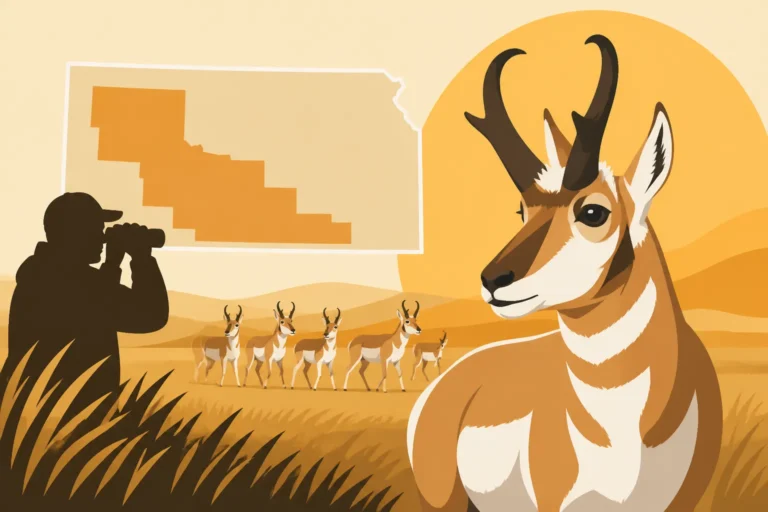
The vast majority of Kansas's pronghorn population is found in the extreme western counties. Think of areas bordering Colorado and Oklahoma, specifically counties like Morton, Stanton, Hamilton, Wallace, and Cheyenne. These are the classic High Plains counties, characterized by expansive shortgrass prairie, sparse shrub cover, and agricultural fields (often wheat or milo) that provide crucial forage. This is truly Western Kansas Plains Hunting Country. You won't find significant numbers of antelope east of Highway 283, and certainly not in the timbered river bottoms of central or eastern Kansas.
One of the most notable public land opportunities for antelope, though limited, exists within the Cimarron National Grassland in Morton County. This is a massive tract of federally managed land, and it offers hunters a glimpse into what the prairie looked like centuries ago. However, even within these counties, pronghorn distribution isn't uniform. They prefer open vistas where their eyesight can be fully utilized, avoiding heavily treed areas or dense human development. Successful hunters spend considerable time studying topographical maps and aerial imagery, looking for the subtle breaks in terrain, the isolated water sources, and the edges of agricultural fields that antelope frequent. This pre-season scouting, even from a computer, is essential for pinpointing potential hotspots.
Habitat Preferences and Seasonal Movements
Pronghorn are true creatures of the open prairie. Their ideal habitat consists of vast grasslands, sagebrush flats, and areas interspersed with short-stature agricultural crops like winter wheat. They are not animals that thrive in dense timber or brush. This preference is directly tied to their primary defense mechanism: their incredible eyesight. They need to see danger coming from a long way off, giving them ample time to flee. This means areas with rolling hills, subtle draws, and scattered low-growing vegetation offer ideal cover for stalking, while still maintaining their wide-open field of view.
While they don't undertake long migrations like some elk or deer herds, pronghorn do exhibit seasonal movements driven by food availability and weather. In the spring and summer, they often spread out across the landscape, taking advantage of new growth. As winter approaches, they may congregate in larger herds, seeking out areas with more reliable forage, such as winter wheat fields, or areas where snow cover is less deep, allowing easier access to browse. Water sources are also critical, especially in the arid western Kansas landscape. Isolated ponds, stock tanks, and even natural seeps can act as magnets for pronghorn, particularly during dry periods. Understanding these patterns, and using tools like the Kansas Online Hunting Atlas for public ground or GoHunt's mapping features for private parcels, can significantly narrow down your search and increase your chances of finding them during the hunting season.
Antelope Behavior and Habits: A Hunter's Playbook
To successfully hunt Kansas antelope, you need to understand them. These aren't just animals that run fast; they have complex social structures, predictable routines, and sensory abilities that demand respect and a strategic approach from any hunter. Learning their daily rhythm and how they interact with their environment is key to getting within range.
Daily Routines and Social Structures
Pronghorn typically follow a fairly consistent daily routine, especially outside of the peak rut. They are primarily diurnal, meaning most of their activity occurs during daylight hours, which is good news for hunters. Early mornings and late evenings often find them actively grazing, making them more visible and potentially vulnerable. During the hotter parts of the day, particularly in the early September antelope season, they will often bed down. However, "bedding down" for a pronghorn doesn't mean hiding in thick cover like a whitetail. They'll find a slight rise, a patch of taller grass, or even just an open area where they can still maintain that 360-degree visual advantage.
Their social structure varies with the season. Outside of the rut, does and fawns will form herds, sometimes quite large. Bachelor groups of bucks might also form, though older, more dominant bucks often lead a more solitary existence until the rut approaches. As the rut heats up, dominant bucks will actively gather harems of does and fiercely defend them against rival bucks. This social dynamic can be a powerful tool for hunters, as rutting bucks can become singularly focused on their rivals, sometimes making them less wary of an approaching human, or more susceptible to decoying tactics.
Rut Behavior and Post-Rut Patterns
The pronghorn rut in Kansas typically kicks into gear in late September and extends into early October. This period is marked by intense activity, with bucks constantly pushing and herding does, engaging in aggressive posturing, and occasionally outright fighting with other bucks. This heightened activity makes them more visible and often less cautious, as their focus shifts dramatically from predator avoidance to breeding. It's a fantastic time to be in the field, as the chances of seeing multiple bucks interacting are high, providing excellent opportunities for stalks or decoying.
After the rut, as temperatures drop and forage quality changes, pronghorn patterns shift again. Herds tend to consolidate, often forming larger mixed-sex groups. They become more focused on feeding, trying to put on fat for the winter, and their wariness returns to pre-rut levels. They might frequent agricultural fields more consistently, taking advantage of leftover grains or green winter wheat. This post-rut period, if an extended season is available, often demands longer-range glassing and more patient, persistent stalking strategies. Understanding these seasonal shifts in behavior is crucial for effective hunting.
Antelope Senses: What You're Up Against
When it comes to pronghorn, their senses are your primary challenge. Their eyesight, as mentioned, is legendary. They can spot a hunter from literally miles away across flat terrain. This means camouflage, slow movements, and utilizing every bit of available cover are paramount. If you move too fast, wear contrasting colors, or expose yourself on a skyline, they will see you. This is where patience becomes a virtue – sometimes, the best move is no move at all, just waiting for them to move into a more favorable position.
While their nose isn't as acute as a whitetail's, they still possess a keen sense of smell. The ever-present Kansas wind needs to be respected. Always try to approach from downwind, even if it means a significantly longer stalk. Getting caught upwind, especially at closer ranges, will send them rocketing across the prairie faster than you can blink. Their hearing is also sharp, though usually less of a factor than their sight or smell in the open country. A dropped rangefinder or a loud step on crunchy ground can certainly blow a stalk, so quiet movement is always essential. Truly, every step you take needs to be deliberate and mindful of these incredible senses.
Navigating the Kansas Antelope Draw and Permits: It's a Puzzle
Here's where the rubber meets the road for anyone dreaming of a Kansas antelope hunt: getting a tag. Unlike deer, Kansas antelope permits are extremely limited, highly coveted, and navigating the draw system can feel like trying to solve a Rubik's Cube blindfolded. It's often the biggest hurdle to overcome, and understanding the nuances is critical.
The Realities of the Kansas Draw System
Kansas manages its antelope population very carefully, and for good reason—the numbers are relatively small compared to neighboring states. This means non-resident opportunities are few and far between. Kansas offers a limited number of permits through a lottery draw system, and there are no preference points for antelope. This is a crucial distinction from the state's deer draw. Every applicant, whether it's their first time applying or their tenth, has the same odds of drawing a tag each year. This makes the draw truly a game of chance, and it can be incredibly frustrating for hopeful hunters.
The application period for Kansas antelope typically runs in the summer, usually July, with results announced later in the summer. It's a short window, and missing it means you're out of luck for the year. This is where resources like GoHunt become invaluable. They track application periods, draw odds, and permit quotas, helping you stay on top of the critical dates and make informed decisions. Don't just assume the dates are the same as deer or turkey; always double-check the Kansas Department of Wildlife and Parks (KDWP) regulations or a reliable hunting resource. The competition is stiff, and it's not uncommon for hunters to apply for many years before finally drawing one of these highly sought-after tags. It takes patience and persistence just to get a foot in the door.
License and Permit Costs
Even if you beat the odds and draw an antelope permit, there are associated costs to consider. As a non-resident, you'll first need to purchase a non-resident hunting license. As of recent years, this license can be around $130, but it's always wise to check the current KDWP regulations for the most up-to-date fees. On top of that, the antelope permit itself has a significant cost, often in the range of $300-$400 for a non-resident. There's also usually a small application fee that is non-refundable, regardless of whether you draw a tag.
These costs, while certainly an investment, are standard for out-of-state big game hunting. However, it's important to factor them into your overall budget, especially given the uncertainty of the draw. You're paying the application fee each year with no guarantee of success, so be prepared for that reality. For residents, the costs are considerably lower, but the limited nature of the permits still makes them a challenging draw even for Kansans. Understanding the full financial commitment beforehand ensures there are no surprises once those coveted draw results are announced. For detailed information, always refer to the official KDWP website or a service like GoHunt that aggregates this critical data.
Understanding the Limited Quotas
The reason the Kansas antelope draw is so tough is directly tied to the extremely limited quotas set by the KDWP. Unlike many other Western states with thriving, widespread pronghorn populations, Kansas simply doesn't have the habitat or herd numbers to support a large harvest. The KDWP manages the herd conservatively to maintain a healthy population. For non-residents, the number of tags issued each year is often in the single or low double digits across the entire state.
This table illustrates roughly how limited the opportunities can be.
| Unit | Estimated Permits Available (Non-Resident) | Approximate Draw Odds (Non-Resident) | Primary Counties |
|---|---|---|---|
| Unit 1 (North) | Very Limited (e.g., 1-3) | < 1% | Wallace, Sherman, Cheyenne |
| Unit 2 (South) | Very Limited (e.g., 2-5) | < 1% | Morton, Stanton, Hamilton |
| Total (Statewide) | Extremely Limited (e.g., 3-8) | < 1% | Western Kansas |
Note: These numbers are illustrative and can change annually based on KDWP population surveys and management goals. Always consult the most current KDWP regulations.
As you can see, the odds are incredibly long. This scarcity is what makes a Kansas antelope tag such a trophy in itself, even before the hunt begins. It highlights the conservation efforts in place to protect Kansas Antelope Herd Size and ensures that the population remains viable. For those committed to hunting antelope in Kansas, this reality means applying every year, remaining patient, and being ready to hit the ground running if your name is finally drawn. This low quota is a primary reason Why Antelope Numbers Stay Low in Kansas.
Hunting Strategies for Kansas Antelope: Closing the Distance
Once you've beaten the odds and drawn a Kansas antelope tag, the real work begins. Hunting pronghorn on the High Plains demands a different mindset and skillset than hunting in timbered areas. It's a game of patience, stealth, and often, long-range marksmanship.
Spot and Stalk Mastery
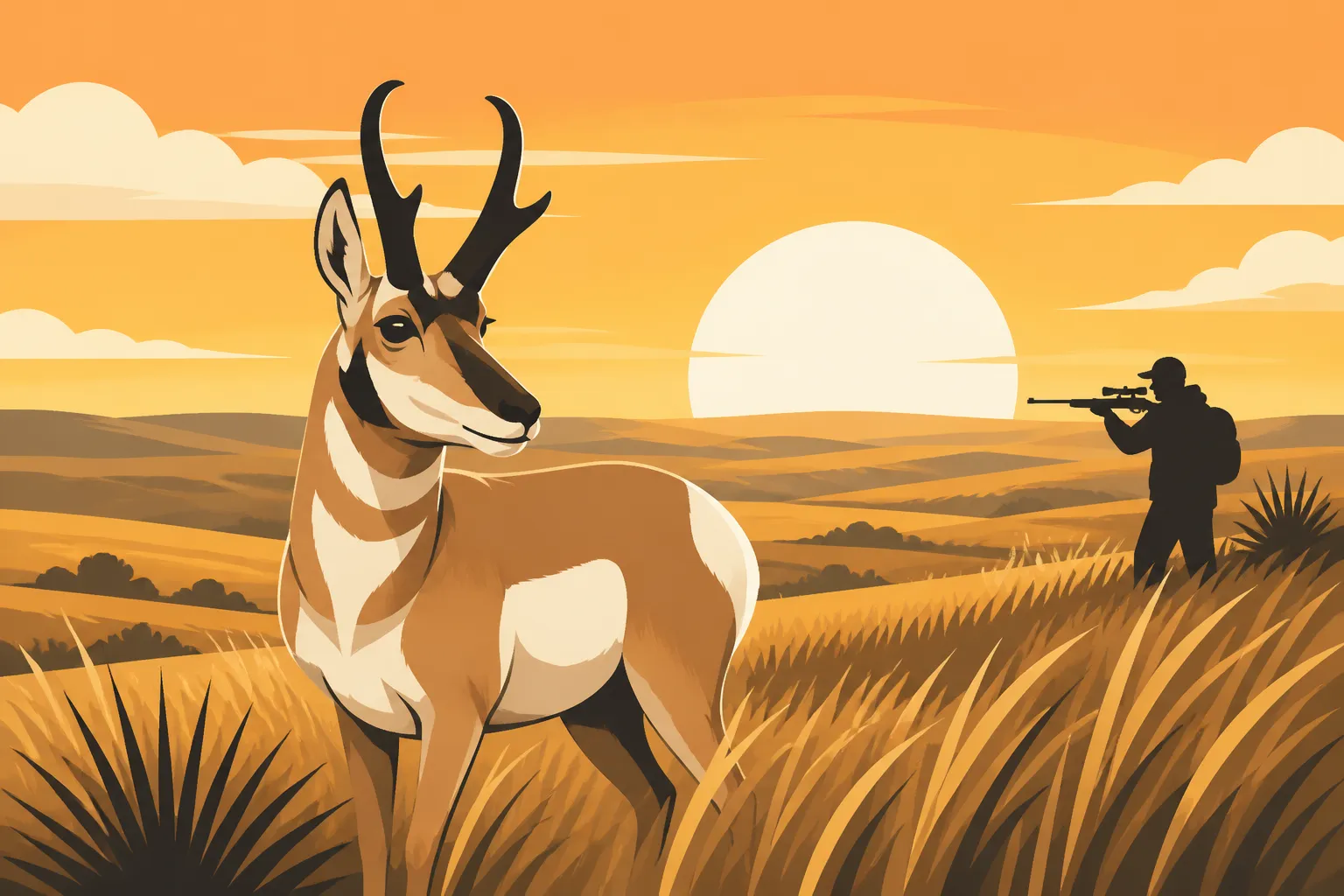
The spot and stalk method is, without a doubt, the quintessential way to hunt antelope in Kansas. Given their incredible eyesight and the open terrain, trying to still-hunt or ambush them without first spotting them from a distance is largely a futile effort. You'll spend most of your day behind high-quality optics – a good pair of 10x binoculars and a reliable spotting scope are absolutely essential. Find the highest vantage point you can, whether it's a small knoll, a grain bin, or even the top of your truck, and systematically glass the landscape. This is where quality equipment, like those offered by brands such as Vortex or Leupold, truly makes a difference.
Once you spot a buck you want to pursue, the real chess match begins. The stalk is a slow, deliberate process of using every scrap of available cover. This means taking advantage of subtle terrain features: the backside of a small rise, a faint crease in the earth, a line of taller grass, or even a fence row. You need to move agonizingly slowly, keeping your profile as low as possible. Crawling on your hands and knees or even belly-crawling for extended distances is often required. The goal is to get within comfortable shooting range, typically 200-300 yards for most rifle hunters, without being detected. This is also where you'll be using your Rangefinding in Flat Country skills. If they spot you, even from a distance, they'll likely move off, and you'll have to start the process all over again. Be prepared for multiple failed stalks; it's part of the game.
Ambush Hunting Near Water or Fences
While spot and stalk is the primary method, sometimes conditions or terrain lend themselves to ambush tactics, particularly early in the season when it's still warm. Water sources can be gold mines. In arid western Kansas, natural springs, stock tanks, or even small farm ponds can become focal points for antelope, especially during dry spells. Setting up a ground blind or finding natural cover downwind of a known water source, especially in the afternoon, can sometimes pay off. Just be aware that their eyesight still applies, so a well-brushed-in blind or perfectly still natural cover is a must.
Another potential ambush point can be along fence lines, particularly in areas where antelope regularly cross. While they are amazing jumpers, they often prefer to crawl under fences or use established crossings. Identifying these pinch points through scouting can offer an opportunity for a stationary setup. However, these opportunities are generally less common than spot and stalk, as antelope move across vast territories, and committing to a single ambush point means you're not actively searching. Always ensure you are on legal hunting ground, especially when setting up near fence lines, as Finding Private Land Access in Kansas is crucial.
Decoying Tactics for Aggressive Bucks
Decoying can be an incredibly exciting and effective tactic for antelope, especially during the peak of the rut. As bucks become territorial and focused on breeding, they can respond aggressively to the sight of a rival buck or a lone doe. A full-body antelope decoy, or even a silhouette, can sometimes draw a curious or territorial buck right into shooting range. The trick is deploying it effectively.
Typically, one hunter will carry the decoy, holding it low and approaching from behind terrain features. Once within sight, the decoy is slowly raised, simulating an intruder. The second hunter (or the same hunter, if alone) will be positioned slightly behind and to the side of the decoy, ready to shoot when the buck commits. Wind direction is critical; you want the buck to approach into the wind so he can't smell you, but also so his attention is focused on the decoy, not your position. Bucks will often circle downwind to get a scent, so anticipate this. It's a high-risk, high-reward tactic that requires good communication if hunting with a partner, patience, and the ability to read the buck's body language. A buck charging a decoy at full speed is one of the most exhilarating experiences in hunting.
Essential Gear for High Plains Antelope Hunting: Don't Skimp
Hunting antelope in Kansas is a gear-intensive endeavor, and the open, often harsh environment demands that you choose your equipment wisely. Cutting corners on certain items can quickly turn a challenging hunt into a miserable one.
Optics: Your Most Important Tool
If there's one area where you absolutely cannot scrimp, it's optics. As discussed, antelope have incredible eyesight, and the vastness of the High Plains means you'll be doing a tremendous amount of glassing. A high-quality pair of 10x binoculars (like those from GoHunt's recommended gear lists or top brands) will be your constant companion. Look for clear glass, good light-gathering capabilities for dawn and dusk, and a comfortable ergonomic design for hours of use.
Even more crucial for long-range identification and evaluating bucks is a powerful spotting scope, ideally in the 15-45x or 20-60x range, mounted on a sturdy tripod. This allows you to pick apart distant herds, determine sex and trophy quality without spooking animals, and plan your stalk effectively. You'll be spending more time looking through glass than actually walking or shooting, so invest in the best you can afford. A reliable laser rangefinder is also non-negotiable for accurate shot placement in flat, open terrain where judging distance can be deceiving.
Rifles and Ammunition Considerations
Given the typically long-range nature of antelope hunting, a flat-shooting rifle chambered in a cartridge known for accuracy at extended distances is highly recommended. Popular choices include cartridges like the .25-06 Remington, .270 Winchester, 6.5 Creedmoor, 7mm Remington Magnum, or .300 Winchester Magnum. The key is finding a rifle you are proficient and accurate with out to 300-400 yards, or even further if you are confident in your abilities. Practice, practice, practice at these distances from field positions, not just a bench rest.
Ammunition choice is equally important. Look for high-ballistic-coefficient (BC) bullets designed for controlled expansion, such as Hornady ELD-X, Berger VLD Hunting, or Nosler AccuBond. These bullets maintain energy well at range and perform reliably on impact. While antelope are not particularly large or tough animals, a precise, well-placed shot is essential for a quick, ethical harvest, especially when dealing with variables like wind on the open plains. Don't show up with a brush gun and expect success on the High Plains; precision is king.
Clothing and Footwear for Open Country
Your clothing system for Kansas antelope hunting needs to be versatile, durable, and provide excellent concealment. Layering is crucial, as early September mornings can be cool, but midday temperatures can soar, only to drop again in the evening. Lightweight, breathable, moisture-wicking base layers are a must. Outer layers should offer good camouflage (patterns like Sitka Optifade Subalpine or similar prairie-specific patterns work well) and be resistant to burrs and thorns. Consider a light, packable rain jacket, as sudden prairie storms are not uncommon.
Footwear might be the second most important item after optics. You'll be covering a lot of ground, often over uneven terrain, walking through stubble fields, and possibly crawling. Comfortable, broken-in, ankle-supporting hiking boots are ideal. Ensure they are waterproof or water-resistant, as you might encounter dew-soaked grass or muddy areas near water sources. Blisters can ruin a hunt faster than almost anything, so invest in quality boots and good merino wool socks, and break them in thoroughly before you ever step foot in Kansas.
Post-Harvest Care and Trophy Preservation: Making It Count
Drawing a Kansas antelope tag and successfully harvesting a buck is a monumental achievement. But the work isn't over when the shot is fired. Proper post-harvest care is crucial for ensuring the meat is good and the trophy is preserved for a lifetime of memories.
Field Dressing in Warm Weather
Kansas early archery and muzzleloader antelope seasons can be quite warm, sometimes with temperatures well into the 80s or 90s, especially in September. This heat is the enemy of venison. Rapid field dressing is absolutely critical to ensure the meat doesn't spoil. As soon as your antelope is down and you've confirmed it's expired, get to work. Remove the entrails as quickly and cleanly as possible to allow the carcass to begin cooling from the inside out.
After field dressing, if you're not immediately heading to a processor or cooler, it's wise to prop the cavity open and allow air circulation. If possible, get the animal into the shade, even if it means moving it a short distance. Some hunters will even pack bags of ice into the chest cavity for the journey back to camp or town, especially on particularly hot days. Don't underestimate the speed at which meat can spoil in warm conditions; your diligence in these first few hours can make all the difference in the quality of your venison. This is especially relevant if you are Field Dressing in Seventy-Degree Weather or hotter.
Caping for a Trophy Mount
If you've harvested a buck with an impressive set of horns, chances are you'll want to preserve it with a shoulder mount. Proper caping in the field is essential for giving your taxidermist the best possible material to work with. There are many excellent online resources and videos demonstrating proper caping techniques, but the basics involve making careful cuts to ensure there's ample hide for the mount, especially around the brisket and shoulders.
Generally, you'll want to make a cut around the circumference of the body, behind the front legs, and then a straight cut up the back of the neck to the base of the skull. From there, careful skinning around the horns, eyes, nose, and mouth is required. If you're unsure, it's often better to leave more hide than too little. When in doubt, a reputable taxidermist can provide detailed instructions or even talk you through it over the phone. Once caped, the hide should be salted heavily and rolled up or frozen to preserve it until you can get it to the taxidermist. Remember to keep the skull plate with the horns attached to the hide or packaged separately, clearly labeled, as your taxidermist will need it.
Meat Care and Transport
After the animal is field dressed and ideally cooled, the next step is getting the meat processed and transported. If you plan to process your own deer, getting it to a cool location, like a garage with air conditioning or a walk-in cooler, as quickly as possible is key. Many hunters quarter their antelope in the field to make transport easier, especially if hunting alone or far from the vehicle. This also allows for faster cooling of the individual pieces.
For non-resident hunters, or those who prefer professional processing, locate a good locker plant or wild game processor in or near your hunting area before your hunt. Call ahead to confirm their hours and capacity, especially during peak seasons. They can often skin, cut, wrap, and even freeze your meat for transport. When transporting meat back home, especially across state lines, be aware of any specific regulations regarding carcass transport, particularly concerning Chronic Wasting Disease (CWD). Many states have rules about transporting only deboned meat, clean skull plates, or taxidermy-ready capes. Always check both Kansas regulations and those of your home state to avoid any issues. Consider investing in a high-quality cooler or chest freezer for the journey home to keep your hard-earned venison frozen solid.
Conservation and Management of Kansas Antelope: Protecting the Future
The opportunity to hunt pronghorn in Kansas is a privilege made possible by careful management and the dedicated efforts of wildlife agencies and hunters. Understanding the conservation landscape is crucial for appreciating and contributing to the future of these magnificent animals.
Population Trends and Challenges
The pronghorn population in Kansas is relatively small and exists at the eastern edge of their historic range. Unlike states further west, Kansas doesn't have vast tracts of uninterrupted pronghorn habitat. Their numbers have seen fluctuations over the years, influenced by factors such as severe winters, habitat loss due to agricultural expansion, and changes in land use. Antelope Fawn Survival in Dry Years can be particularly challenging, impacting overall herd growth. Fencing, while necessary for ranching, can also pose a barrier to antelope movement, fragmenting their habitat and limiting their ability to access crucial forage and water.
The KDWP closely monitors the population through aerial surveys and hunter harvest data to make informed management decisions. These efforts aim to maintain a healthy, sustainable population while providing limited hunting opportunities. Hunters play a direct role in this conservation effort, not only through license and permit fees that fund wildlife management but also by providing valuable data through harvest reporting. It's a delicate balance, ensuring the population remains robust enough to withstand environmental pressures and continue to offer a unique hunting experience.
KDWP Management Efforts
The Kansas Department of Wildlife and Parks employs a range of strategies to manage and conserve the state's pronghorn population. This includes habitat improvement projects, such as working with landowners to implement grazing practices that benefit pronghorn or removing old, unnecessary fences that impede their movement. They also conduct regular population surveys to assess herd health, fawn recruitment, and buck-to-doe ratios, which are critical for setting appropriate harvest quotas.
By limiting the number of permits, especially non-resident permits, the KDWP ensures that the harvest remains well within sustainable limits, preventing overharvest and allowing the population to remain stable or grow where conditions allow. Research into diseases, predator impacts, and the effects of climate change also informs their management decisions. The goal is long-term sustainability, ensuring that future generations can also experience the thrill of pursuing a Kansas pronghorn on the High Plains. Their work is vital to managing the Antelope Range in Northwest Kansas effectively.
Hunter's Role in Conservation
As hunters, we are often the first line of conservation. Our financial contributions through licenses and tags directly fund the KDWP's management and research efforts for pronghorn and all other wildlife. Beyond financial support, ethical hunting practices are paramount. This means taking only clean, ethical shots, respecting land boundaries, and promptly reporting harvests. Adhering to all regulations, including those for Kansas Antelope Permits and Seasons, is crucial.
Furthermore, advocating for habitat preservation and supporting initiatives that benefit wildlife, even beyond the hunting season, strengthens the future of all game species. Being informed about current issues impacting pronghorn, such as habitat fragmentation or drought conditions, allows us to be better stewards of the land and its wildlife. The pursuit of the elusive Kansas antelope is more than just a hunt; it's an engagement with the natural world that carries a responsibility to protect it for tomorrow.
Disclaimer
Please note that hunting regulations, season dates, permit costs, and draw odds are subject to change annually by the Kansas Department of Wildlife and Parks (KDWP). While every effort has been made to provide accurate and up-to-date information, it is the hunter's responsibility to consult the official KDWP website and current regulations summary before planning and undertaking any hunting activities.