Kansas Spring Turkey Permits and Units
Trying to understand the ins and outs of Kansas's spring turkey permits and unit restrictions can feel like deciphering a secret code, especially with application periods, different unit quotas, and the constant worry of missing a crucial deadline. Many hunters, both resident and non-resident, find themselves scratching their heads, wondering if they're making the right choices or if they'll even draw a tag. This comprehensive guide is designed to cut through that confusion, giving you a clear, realistic roadmap to successfully applying for and understanding your Kansas spring turkey hunting opportunities, unit by unit.
The Allure of Kansas Spring Turkey Hunting
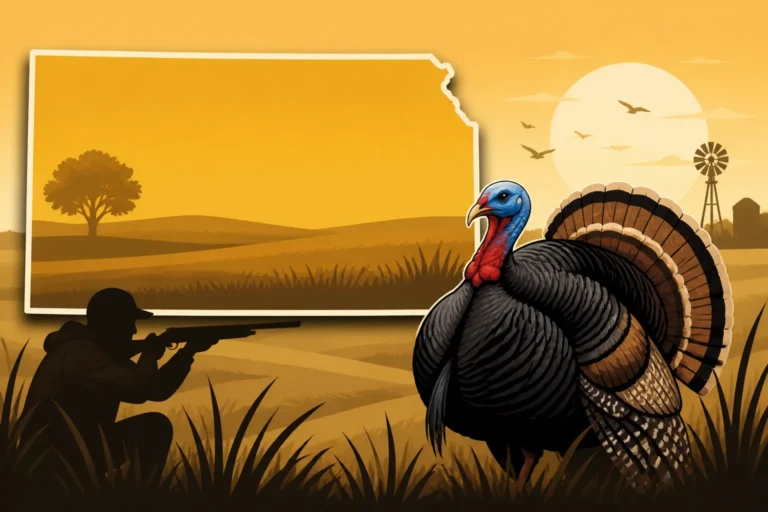
Kansas has quietly, or not so quietly, earned a reputation as a fantastic destination for spring gobblers. While some states grab more headlines, the sunflower state offers a unique blend of habitat, relatively low hunting pressure in many areas, and the chance to chase vocal Rio Grande and hybrid turkeys across vast landscapes.
Why Kansas Draws Turkey Hunters
For many, Kansas represents the quintessential wild turkey hunting experience. We're talking about birds that love to gobble on the roost, strut in open fields, and challenge even the most seasoned callers. The blend of agricultural fields, river bottom timber, and expansive grasslands creates diverse habitats where turkeys thrive. The opportunity to encounter birds that haven't been relentlessly pressured makes for a more responsive, exciting hunt. Unlike some regions where turkeys might be "call-shy" from opening day, Kansas often provides a more classic, run-and-gun scenario, especially early in the season or on less-accessed public lands. This dynamic, coupled with generous bag limits in many years, makes it incredibly appealing.
A Look at Kansas's Turkey Populations
While Kansas boasts a healthy turkey population, it's not without its challenges. The state is primarily home to Rio Grande turkeys, especially in the central and western regions, with Eastern subspecies and hybrids found more frequently in the eastern timbered areas. Over the past decade, like many states, Kansas has seen some localized fluctuations in its turkey numbers. Factors such as severe weather during nesting and poult-rearing, habitat changes, and disease outbreaks can all play a role. Understanding these trends is crucial for setting realistic expectations and planning your hunt. For more detailed insights into these trends, you can explore information on Kansas Wild Turkeys and the Population Decline, which covers the factors impacting populations. Despite these variations, the overall outlook remains positive for spring hunting, particularly in areas with strong habitat and favorable weather patterns leading up to the season.
Understanding the Spring Season Structure
The Kansas spring turkey season is typically divided into several segments to accommodate different hunter types and weapon choices, though it's predominantly an archery and shotgun season. Generally, the season kicks off with a youth/disability season, followed by the main archery-only season, and then the full shotgun/archery season. This staggered approach helps spread out hunting pressure, offering unique opportunities for different styles of hunting. For instance, the early archery-only period can be fantastic for those who prefer to pattern birds before the shotgunners arrive. Conversely, the general season, which often coincides with peak gobbling activity, provides a wider window for success. It's vital to check the current year's Kansas Spring Turkey Season Dates directly from the Kansas Department of Wildlife and Parks (KDWP) to ensure you have the most accurate information, as these can shift slightly year to year. Knowing these windows allows you to plan your scouting trips, vacation time, and application strategy well in advance.
Deciphering the Kansas Turkey Permit System
The Kansas permit system for spring turkeys can seem a bit convoluted at first glance, but once you break it down, it's quite manageable. The key is understanding the different permit types and the crucial timelines involved.
Permit Types and What They Entail
For spring turkeys in Kansas, you're primarily looking at either "unit-specific" or "statewide" permits, and these distinctions are incredibly important, especially for non-residents.
- Unit-Specific Permits (Non-Residents): Non-residents are typically restricted to unit-specific permits, meaning you must choose a specific unit (e.g., Unit 1, Unit 2, Unit 3, etc.) when you apply. These units have quotas, which means only a certain number of permits are issued. This system helps manage hunting pressure and turkey populations within specific regions. If you are unsuccessful in drawing your chosen unit, your permit application typically converts to an opportunity to obtain a leftover permit, if available.
- Statewide Permits (Residents): Residents usually have the option to purchase either unit-specific permits or a more flexible "statewide" permit that allows hunting in units not designated as "resident-only." This provides much greater flexibility, allowing residents to hunt across multiple units without having to commit to one specific area during the application phase.
- Youth Permits: There are also special youth permits, often available over-the-counter for both residents and non-residents, making it easier for younger hunters to get out into the field during the dedicated youth season. These permits are an excellent way to introduce new hunters to the sport, often with fewer restrictions on the specific unit.
Understanding which type of permit you need and are eligible for is the absolute first step in your application journey.
Essential Application Dates and Deadlines
Missing an application deadline is a gut-punch that no hunter wants to experience, especially for coveted spring turkey permits. For non-residents, the application period for unit-specific permits is generally in early January, closing around mid-February. These dates are firm and do not usually extend, so marking them clearly on your calendar is non-negotiable. The draw results are typically released in late February or early March, giving successful applicants time to make travel arrangements.
For residents, permit sales often begin shortly after the draw results are released for non-residents, and they usually continue over-the-counter (OTC) until the season closes. While residents have more flexibility, it's still wise to purchase your permit early, especially if you have a specific unit or hunting location in mind, as some popular areas can see higher demand. Always double-check the KDWP website or regulation pamphlet for the precise dates each year, as they can vary slightly. Programs like GoHunt often compile these dates into an easy-to-reference calendar, making it simpler to stay on top of all the critical deadlines.
Navigating the Online Application Portal
Applying for your Kansas spring turkey permit is almost exclusively done through the KDWP's online licensing and permit portal, which is part of the Go Outdoors Kansas system. While generally user-friendly, it’s a system you’ll want to approach with a clear head, not five minutes before the deadline.
- Create an Account: If you don't already have one, you'll need to create an account on the Go Outdoors Kansas platform. This involves providing personal information and setting up login credentials.
- Purchase Hunting License: Before you can apply for a turkey permit, you must have a valid Kansas hunting license. For non-residents, this is an additional cost that needs to be factored into your budget. Residents also need a valid hunting license. You can purchase this concurrently with your permit application.
- Select Permit Type: Carefully choose the correct spring turkey permit type based on your residency and desired hunting area. Non-residents will be prompted to select their preferred unit.
- Payment: Have your payment information ready. There's usually an application fee in addition to the permit cost, especially for non-residents applying in the draw.
- Confirmation: Always ensure you receive and save a confirmation email or print a receipt of your application. This is your proof of application.
The online portal will guide you through the steps, but a little preparation goes a long way. Double-checking your unit selection before finalizing the application can save a lot of headaches later.
Diving Deep into Kansas Turkey Units
Kansas is divided into several turkey management units, each with its own characteristics, population dynamics, and permit quotas. Understanding these units is paramount to planning a successful hunt.
Overview of Kansas Turkey Management Units
Kansas currently has six turkey management units: Unit 1, Unit 2, Unit 3, Unit 4, Unit 5, and Unit 6. These units are geographical regions that help KDWP manage turkey populations and hunting pressure effectively.
- Unit 1: Located in the northwest, often characterized by vast agricultural lands interspersed with timbered river bottoms and smaller creek draws.
- Unit 2: North-central Kansas, similar habitat to Unit 1 but with more expansive river systems.
- Unit 3: Northeast Kansas, generally more timbered with numerous small creek systems and larger rivers. This unit often has a higher percentage of Eastern and hybrid turkeys.
- Unit 4: East-central Kansas, typically the most heavily timbered unit and the densest turkey population in certain areas, but it's resident-only.
- Unit 5: South-central Kansas, a mix of agricultural and river bottom habitat.
- Unit 6: Southeast Kansas, also featuring significant timber and river corridors, often holding more Eastern turkeys than the western units.
Each unit offers a distinct hunting experience, influenced by habitat, turkey subspecies, and hunter density. Your choice of unit will heavily dictate the type of terrain you'll encounter and the specific tactics you might employ. For example, Hunting Terrain Funnels in Flat Country might be more relevant in Units 1 or 2, while tactics for dense timber would apply more to Units 3, 4, or 6.
Detailed Look at Key Non-Resident Units and Quotas
For non-residents, the choice of unit is critical because your permit is unit-specific and subject to quotas. This means you need to prioritize units that offer a good balance of turkey numbers, accessible land, and reasonable draw odds.
- Unit 1 and Unit 2: These western units often have lower non-resident demand compared to eastern units, potentially offering better draw odds. They feature large tracts of private land but also significant Walk-In Hunting Access (WIHA) and public lands along rivers. Turkeys here are primarily Rio Grandes, known for being responsive and visible in more open terrain.
- Unit 3, Unit 5, and Unit 6: These units in the central and eastern parts of the state generally have higher turkey densities and more timber, which appeals to many hunters. Consequently, they often have higher non-resident demand and can be harder to draw. Unit 3 and 6, in particular, may offer more Eastern subspecies interactions.
- Quotas: The number of non-resident permits issued for each unit varies each year based on KDWP's assessment of turkey populations and management goals. These quotas are published annually and are a key piece of information for non-residents. Knowing the historical quotas and demand can help you make an informed decision when applying. Websites like GoHunt often provide historical draw odds and permit data, which can be invaluable for strategizing your application.
It's wise to research not only the turkey numbers but also the amount of accessible public land, including WIHA tracts and state wildlife areas, within your chosen unit. While some units may hold the Kansas Turkey Unit With the Most Permits, that doesn't always translate to easier hunting if the public access is limited or heavily pressured.
Understanding Why Kansas Unit 4 Is Resident Only
Unit 4 is a unique case in Kansas spring turkey hunting: it is exclusively for resident hunters. This means non-residents cannot apply for or hunt turkeys in Unit 4. The primary reason for this restriction is likely related to managing hunter pressure and ensuring ample opportunities for Kansas residents in one of the state's most popular and turkey-rich regions.
- High Turkey Density: Unit 4, encompassing a significant portion of east-central Kansas, is known for its excellent turkey habitat and historically high turkey populations. The timbered river corridors and diverse agricultural landscapes provide ideal conditions for wild turkeys.
- Proximity to Population Centers: Being relatively accessible from major population centers within Kansas, Unit 4 would likely experience extremely high hunting pressure if opened to non-residents, potentially impacting the quality of the hunting experience for everyone and placing undue stress on turkey populations.
- Resident Opportunity: By designating Unit 4 as resident-only, KDWP ensures that a core group of hunters—Kansas residents—have a dedicated area with potentially less competition, thereby fulfilling part of the department's mandate to provide recreational opportunities for its constituents.
While it means one less option for non-residents, understanding this restriction helps in focusing your application efforts on the other units.
Non-Resident Turkey Permit Strategy
For non-resident hunters, securing a Kansas spring turkey permit requires a thoughtful approach, understanding the draw system, and preparing for contingencies.
The Non-Resident Application Process Step-by-Step
The non-resident application process is a draw system, meaning you submit an application during a specific window, and permits are then allocated via a lottery.
- Purchase Hunting License: First and foremost, you'll need a non-resident Kansas hunting license. This is a prerequisite for applying for any hunting permit in the state. You can purchase this at the same time you apply for your turkey permit.
- Access Go Outdoors Kansas: Navigate to the official KDWP licensing portal.
- Choose "Spring Turkey Non-Resident Permit": Select the correct permit type. You will then be prompted to choose your desired turkey management unit (Unit 1, 2, 3, 5, or 6).
- Single Unit Choice: Non-residents apply for one unit. There's no primary/secondary unit choice for turkeys like there might be for deer. This makes your unit selection even more critical.
- Submit Payment: Pay the application fee and the full permit cost. If you are unsuccessful in the draw, the permit cost (minus the application fee) is typically refunded.
- Confirm Application: Double-check all information before submitting and save your confirmation.
It's a straightforward process, but the critical part is making an informed unit choice and not missing the deadline, usually in February.
Maximizing Your Draw Odds as a Non-Resident
Maximizing your draw odds for a non-resident Kansas spring turkey permit involves a bit of research and strategic thinking.
- Research Quotas and Historical Demand: The KDWP annually publishes the number of non-resident permits available for each unit. While historical draw odds aren't a guarantee for the current year, they provide a strong indicator of which units are more competitive. Units with lower historical demand (often Units 1 or 2 in western Kansas) generally offer better draw odds. Resources like GoHunt often track this data, giving you a clearer picture.
- Consider Timing: Apply early in the application window. While the draw is random, applying early ensures no last-minute technical glitches or forgotten steps derail your application.
- Flexibility on Location: If your primary goal is simply to hunt Kansas turkeys, rather than a specific trophy or a particular area, be flexible with your unit choice. Opting for a unit that's historically easier to draw will increase your chances of getting a tag in hand.
- No Preference Points: Unlike deer, Kansas does not currently use a preference point system for turkeys. Every non-resident applicant for a spring turkey permit has an equal chance in the draw, regardless of past application history. This levels the playing field but also means there's no way to "build up" your chances over time.
What Happens After the Draw: Success and Contingencies
Once the draw results are released, typically in late February or early March, you'll find out if you were successful.
- Successful Draw: Congratulations! If you drew a permit, you're all set to hunt in your chosen unit. Now it's time to finalize your scouting, lodging, and travel plans. This might include researching Kansas Public Land Turkey Hunting Spots within your unit or asking for permission on private land.
- Unsuccessful Draw: Don't despair! If you didn't draw, you still have options. Your permit fee (minus the application fee) will be refunded. Then, you can explore the possibility of purchasing a leftover permit. KDWP often offers these permits over-the-counter after the initial draw, and they can be a great way to still get into the field, albeit potentially in a different unit than you originally applied for. These are usually sold on a first-come, first-served basis, so being ready when they drop is key.
Having a backup plan for both successful and unsuccessful draws helps manage expectations and keeps your hunting dreams alive.
Resident Hunter Permit Options and Benefits
Kansas residents enjoy more flexibility and broader access when it comes to spring turkey permits, reflecting the state's focus on providing opportunities for its local hunters.
Resident Permit Types and Availability
For Kansas residents, the spring turkey permit landscape is much simpler and more accessible.
- Statewide Permit (Units 1, 2, 3, 5, 6): The most common and popular option for residents is the statewide permit. This permit allows you to hunt in any of the open turkey management units (Units 1, 2, 3, 5, and 6), offering incredible flexibility. You don't have to choose a specific unit during an application period; you simply buy it over-the-counter.
- Unit 4 Permit (Resident-Only): Residents who specifically want to hunt in Unit 4, the resident-only unit, will purchase a Unit 4 specific permit. This is also typically available over-the-counter.
- Second Turkey Permit: Residents generally have the option to purchase a second turkey permit, often an archery-only tag, after they have harvested a bird on their initial permit. This extends the season and offers more opportunity. Always check the current regulations for bag limits and specific permit rules, as these can change.
This straightforward system allows residents to decide where and when to hunt with much greater ease.
Over-the-Counter Purchases and Convenience
One of the biggest advantages for Kansas residents is the ability to purchase spring turkey permits over-the-counter (OTC). This means no draw, no preference points, and no nail-biting wait for results.
- Immediate Access: Once permits go on sale (usually in early March), residents can buy their permit instantly online via the Go Outdoors Kansas portal or from authorized license vendors across the state.
- Flexibility: This OTC availability offers unparalleled flexibility. You can wait to see how local turkey populations are looking, monitor weather forecasts, or simply decide last-minute to head out. This is a stark contrast to the non-resident draw, which demands planning months in advance.
- Cost-Effective: Resident permits are also significantly less expensive than non-resident permits, making turkey hunting an affordable and accessible pursuit for Kansas locals.
This convenience is a huge benefit, allowing residents to easily partake in one of Kansas's most exciting hunting seasons.
Youth and Disability Permit Considerations
Kansas is committed to fostering hunting opportunities for youth and hunters with disabilities, and the spring turkey season reflects this with specific provisions.
- Youth Permits: Hunters aged 16 and under (with specific age cutoffs for supervised hunting) can often purchase youth spring turkey permits, which may be valid statewide or have specific liberalized rules regarding unit boundaries or season dates. These are typically available OTC and at a reduced cost. There's often a special youth-only season that precedes the general archery season, giving young hunters a dedicated opportunity with less competition.
- Disability Permits: Hunters with qualifying disabilities can also apply for special permits or accommodations. These might include access to certain areas, permission to use specific equipment, or assistance from another hunter. The KDWP outlines these requirements and application processes in detail, usually requiring documentation of the disability.
These programs are vital for ensuring that hunting remains an inclusive activity for future generations and those facing physical challenges. Encouraging youth participation through programs like the early youth season is crucial for the long-term health of our hunting heritage.
Scoring Leftover Permits and Late Season Opportunities
Even if you miss the initial application deadline or don't draw your preferred unit, Kansas often provides additional avenues to get a spring turkey permit through leftover sales.
When and How Leftover Permits Become Available
Leftover permits are unsold or un-drawn non-resident unit-specific permits that become available for purchase after the initial draw is complete.
- Timing: KDWP typically announces the availability of leftover permits shortly after the non-resident draw results are released, usually in early to mid-March. These permits are then sold on a first-come, first-served basis.
- Units Available: The units with leftover permits are generally those that had fewer non-resident applicants than available quotas in the initial draw. Historically, this often includes Units 1 and 2 in western Kansas, but sometimes other units might have a few permits remaining.
- Availability Changes: It's important to remember that the number and specific units with leftover permits can vary greatly from year to year. Some years might see a decent number of permits available, while others may have very few, or none at all, if demand was particularly high.
Staying vigilant and ready to act quickly when KDWP makes the announcement is essential for securing one of these permits.
Strategies for Acquiring a Leftover Permit
If you're eyeing a leftover permit, you need to be prepared and act swiftly.
- Monitor KDWP Announcements: Keep a close eye on the KDWP website and their social media channels for announcements regarding leftover permit sales. Sign up for email notifications if available.
- Be Ready to Purchase Online: When the permits drop, they are typically sold exclusively through the Go Outdoors Kansas online portal. Have your hunting license purchased, your account logged in, and your payment information ready to go the moment sales open. These permits can sell out incredibly fast, sometimes within minutes or hours.
- Flexibility is Key: You likely won't have a choice of all units. Be prepared to purchase a permit for any unit that's available. If your goal is simply to hunt turkeys in Kansas, an open unit might be the perfect opportunity, even if it wasn't your first choice. For example, if you miss the main draw but a Kansas Leftover Turkey Permit Sales opens for Unit 1, embracing that opportunity allows you to still hunt.
Remember, this is a race against other hunters. A proactive and flexible approach is your best bet.
Making the Most of Late Season Hunts
Hunting on a leftover permit often means you'll be hitting the woods during the later parts of the spring turkey season, which comes with its own set of challenges and opportunities.
- Pressure Management: By the late season, turkeys might have experienced significant hunting pressure, especially on public lands. Birds can become warier and less responsive to calling. However, this doesn't mean it's impossible. Instead, it requires a shift in tactics.
- Adapting Tactics: Turkeys may be "heavier" into breeding by the late season, but they are also often more scattered as hens begin nesting. Focus on finding birds that have already bred or that are still seeking hens. This could mean more scouting to locate fresh roosts or observation of strut zones. Calling tactics might need to be more subtle, relying on soft yelps and purrs rather than aggressive cutting.
- Food and Water: As foliage greens up, turkeys may shift their feeding patterns. Look for new bugging areas, green fields, or accessible water sources, especially during dry spells.
- Reduced Competition: While birds might be tougher, the flip side is that hunter numbers usually decline significantly in the late season, particularly on weekdays. This can provide a more solitary and peaceful hunting experience.
Embracing the unique conditions of the late season can still lead to a rewarding hunt, and it's a testament to your persistence as a hunter.
Key Regulations and Ethical Hunting Practices
Beyond permits and units, understanding and adhering to Kansas's hunting regulations and ethical practices is crucial for a safe, successful, and sustainable hunting experience.
Legal Hours, Bag Limits, and Tagging Rules
Knowing the rules of engagement is fundamental to avoid violations and ensure a legal harvest.
- Legal Hunting Hours: Generally, turkey hunting in Kansas is allowed from half an hour before sunrise until sunset. Always confirm the exact times for your specific hunting dates, as these are strict. Hunting outside these hours is illegal.
- Bag Limits: For spring turkeys, the typical bag limit is one male turkey (tom or gobbler) or a bearded hen per permit. Kansas often allows hunters to purchase a second permit, but the total bag limit for the spring season is usually two birds. Again, these specifics can change, so always consult the most current regulations. For example, knowing the Kansas Turkey Bag Limits for the current year is non-negotiable.
- Tagging Requirements: Upon harvesting a turkey, it must be immediately tagged with your permit. The tag typically needs to be securely attached to the bird. This might involve physically attaching a paper tag or logging your harvest electronically via the KDWP's online system or Go Outdoors Kansas app.
- Harvest Reporting: All harvested turkeys must be reported to KDWP within a specific timeframe (often within 24-48 hours). This data is vital for wildlife managers to monitor populations and set future seasons and quotas.
Ignorance of the law is not an excuse, so familiarize yourself with these regulations before you head afield.
Safety Considerations and Public Land Etiquette
Hunting safety and respectful behavior, particularly on public lands or shared private access, are paramount.
- Hunter Orange: While not always required for turkey hunting (especially in archery-only seasons), it's highly recommended to wear hunter orange when walking in or out of your hunting area, especially during seasons that overlap with other hunting activities or on crowded public lands. This alerts other hunters to your presence.
- Positive Identification: Never shoot at sound or movement. Positively identify your target as a legal turkey (a gobbler or bearded hen) and be absolutely certain of what is beyond your target. Misidentification can lead to unfortunate accidents.
- Calling Safety: When using a turkey call, especially a gobble call, be aware that you might attract other hunters. Position yourself with your back against a wide tree or other obstruction that protects you from a potential shot if another hunter approaches from behind. Consider using a fan or reaping decoy only when you are certain no other hunters are in the immediate vicinity and when it's safe to do so.
- Public Land Etiquette: When hunting Public Land Turkey Safety in Kansas, treat other hunters with respect. Avoid setting up too close to another hunter's vehicle or known hunting spots. Pick up all your trash, including spent shell casings. Leave no trace. Parking your vehicle in a way that doesn't block access or appear to be scouting in an already-occupied spot goes a long way.
These practices ensure a safer environment for everyone and help maintain a positive image of hunting.
The Importance of Scouting and Calling Effectively
Successful turkey hunting, regardless of the permit type or unit, hinges on effective scouting and skillful calling.
- Pre-Season Scouting: Before the season opens, dedicate time to scouting your chosen unit. This can be done remotely using aerial imagery and topographical maps to identify potential roosting areas, feeding grounds, and travel corridors. Programs like GoHunt offer detailed mapping layers that show property boundaries and public land access, making e-scouting more efficient. Then, transition to on-the-ground scouting, listening for gobblers at dawn and dusk, looking for tracks, scat, and dusting bowls. For example, knowing how to approach Roosting Kansas Turkeys the Night Before gives you a significant advantage.
- Adapt Your Calling: Turkeys respond differently throughout the season and depending on pressure. Early season birds might be more aggressive, while late season birds might require more subtle tactics. Learn a variety of calls – yelps, clucks, purrs, cutting, and even gobbling – and know when to use them. Aggressive calling can sometimes spook pressured birds, while soft, infrequent calls can draw them in. Mastering how to effectively use a variety of calls, such as Calling a Gobbler Off the Roost or Working a Henned-Up Tom Midday, is a continuous learning process.
- Decoy Use: Decoys can be incredibly effective, especially in open Kansas terrain. However, proper decoy placement and understanding Turkey Decoy Spreads That Work is crucial. Make sure your decoy setup appears natural, is visible to incoming birds, and safe from other hunters. In units with heavy pressure, minimal or no decoys might be preferred to avoid drawing unwanted attention.
Scouting provides the knowledge of where the birds are, and calling provides the means to bring them in, making them two pillars of successful turkey hunting.
Maximizing Your Success in the Field
Beyond the permit and regulations, the actual hunt involves adapting to the environment and the turkeys themselves.
Tailoring Tactics to Different Kansas Habitats
Kansas offers a diverse range of habitats, and adjusting your hunting tactics to match the terrain is key.
- River Bottoms and Creek Draws: These areas, often laden with mature timber, are prime turkey habitat in Kansas. Turkeys will roost in tall trees along these watercourses and use the draws as travel corridors. Focus on setting up within calling distance of known roosts or ambush points along the timber edges. Reading a Kansas Creek Bottom for Deer Sign often applies equally to turkeys, as they utilize similar cover and travel routes. A quiet approach into these areas, perhaps with a pre-set ground blind, can be highly effective.
- Agricultural Fields and Pastures: Kansas is famous for its vast crop fields and pastures. Turkeys love to strut in these open areas, especially in the mornings. Look for field edges, timber points, or small brushy islands within fields where birds might stage or travel. Decoying can be particularly effective in these open settings, as birds can see the setup from a distance. Setting up on the edge of a field where turkeys are feeding or strutting can yield excellent results.
- CRP and Grasslands: In western Kansas, you'll find extensive Conservation Reserve Program (CRP) lands and native grasslands. Turkeys will use these areas for nesting, feeding on insects, and as travel routes between timber blocks. Hunting these areas might require more walking and "run-and-gun" tactics, utilizing terrain features for concealment. Understanding how to apply Run-and-Gun Turkey Tactics on Kansas Walk-In Ground is a must here. Listen for distant gobblers and be prepared to move to get ahead of them.
Each habitat type demands a slightly different strategy, making Kansas turkey hunting a mentally engaging pursuit.
Adapting to Weather and Changing Turkey Behavior
Kansas weather can be notoriously unpredictable, especially in spring, and turkeys respond directly to these changes.
- Cold Fronts and Rain: Turkeys often become less active and vocal during cold fronts or heavy rain. They may stick to dense cover, making them harder to locate. On these days, focus on areas with good thermal protection or where turkeys might seek refuge from the elements. Light rain, however, can sometimes make birds more vocal as they emerge.
- Warm Weather and Sunshine: Warm, sunny days, especially after a cold snap, can trigger intense gobbling and strutting activity. Turkeys will often be visible in open fields. These are prime days for active calling and moving to intercept birds.
- Wind: Wind is a major factor. High winds make it difficult to hear gobblers and for them to hear your calls. On windy days, try to hunt areas with natural windbreaks, like deep draws or dense timber, where the sound carries better. Turkeys will also often seek shelter from strong winds.
- Seasonal Progression: Early season birds might be more eager to respond to calls as they establish dominance and seek hens. As the season progresses and hens start nesting, gobblers might become "henned up," making them harder to pull away. This is where subtle calling, persistence, and patience become even more critical. Understanding When the Kansas Rut Peaks for deer, while different, gives a similar appreciation for how animal behavior shifts with time.
Being flexible and adapting your approach to the day's conditions will greatly increase your chances of success.
Post-Harvest: Processing and Reporting Your Bird
Successfully harvesting a turkey is just one step; responsible post-harvest handling and reporting are equally important.
- Field Dressing: In warmer Kansas spring weather, quickly field dressing your turkey is crucial to cool the meat and prevent spoilage. Remove the entrails and any foreign matter. You can also skin the bird in the field to help it cool faster, though many prefer to keep the feathers on for photos or display.
- Cooling and Transport: Get your bird cooled down as quickly as possible. This might mean placing it on ice in a cooler, or simply getting it into a shaded, cool environment. Transport it carefully to avoid bruising the meat. Be mindful of Field Dressing in Warm Kansas Weather if the temperatures soar.
- Processing: Whether you process the bird yourself or take it to a local locker plant, ensure it's done hygienically. Focus on breast meat, leg meat, and tenders.
- Reporting: As mentioned earlier, reporting your harvest to KDWP is mandatory. This is often done online through the Go Outdoors Kansas portal or the KDWP app. Have your permit number, the unit harvested in, and the date of harvest ready. This helps KDWP gather vital data for managing the state's turkey populations, ensuring healthy future seasons for everyone.
Every step, from the permit application to the post-harvest reporting, contributes to the overall hunting experience and the conservation efforts in Kansas.
Disclaimer
The information provided in this guide is for general informational purposes only and is subject to change. Hunting regulations, season dates, and permit availability can vary annually. Always consult the most current official Kansas Department of Wildlife and Parks (KDWP) regulations and publications before planning and undertaking any hunting activity.