Kansas Hunting Licence and Permit Costs
One of the biggest hurdles many hunters face, whether you're a lifelong Kansas resident or dreaming of a plains adventure from out of state, is sifting through all the different hunting licenses, tags, and permits. It can feel like you need a degree in deciphering regulations just to figure out what you need and how much it’s all going to cost. This guide is designed to cut through that confusion, breaking down every cost and requirement so you can confidently plan your next hunt in the Sunflower State.
Understanding the Kansas Hunting License Structure
Before we dive into the nitty-gritty of dollar amounts, it's really helpful to understand the basic framework Kansas uses for its hunting licenses and permits. It's not just a grab-bag of fees; there's a system in place that serves a vital purpose for the state's wildlife.
Why Licenses Are Necessary and How They Work
At its core, a hunting license isn't just a piece of paper or a digital credential; it's a fundamental tool for wildlife conservation and management. When you purchase a hunting license or a specific permit in Kansas, a significant portion of that money goes directly back into the Kansas Department of Wildlife and Parks (KDWP). This funding is absolutely crucial. It supports everything from habitat improvement projects on public lands, like the state wildlife areas and Walk-In Hunting Access (WIHA) tracts, to critical research on game populations. KDWP uses these funds to monitor herd health, track migration patterns, manage disease outbreaks like CWD, and even fund law enforcement efforts that protect wildlife from poaching.
Think of it this way: your license fee is an investment in the future of Kansas hunting. Without it, the vibrant populations of whitetail deer, pheasants, and turkeys that we all enjoy would simply not be sustainable. The general hunting license is your entry ticket, allowing you to pursue most small game and furbearers, but for big game species like deer, turkey, elk, and antelope, you’ll almost always need additional, species-specific permits or tags on top of that base license. These extra permits are often limited in number and can be unit-specific, helping KDWP manage harvest levels in different parts of the state.
Resident vs. Non-Resident Licensing Basics
Kansas, like most states, operates on a two-tiered system for hunting and fishing licenses: one set of rules and prices for residents, and another, typically more expensive, for non-residents. This differentiation isn't meant to penalize out-of-staters, but rather to acknowledge that Kansas residents already contribute to the state's economy and tax base, which indirectly supports wildlife programs. Non-residents, while welcome and highly valued contributors to the state's conservation efforts, are generally asked to pay a higher fee to help balance that contribution.
To qualify as a Kansas resident for hunting and fishing purposes, you must have lived in the state continuously for at least 60 days immediately preceding your application for a license. You also need to demonstrate that Kansas is your bona fide residence and that you don't claim residency in any other state. This often means providing a Kansas driver's license, voter registration, or other official documentation if requested. For students attending a Kansas institution of higher education and military personnel permanently stationed in Kansas, there are usually specific provisions that allow them to qualify as residents, even if their permanent home state is elsewhere. It's always a good idea to check the most current KDWP regulations if you're unsure about your residency status, as rules can sometimes have nuances.
General Hunting License Costs for All Hunters
Every hunter, regardless of what they're chasing, needs a foundational hunting license. This isn't just a technicality; it's the gateway to everything else. Without it, you can't even legally possess a firearm or bow in the field for hunting purposes, let alone pursue game.
Resident General Hunting License Fees
For those who call Kansas home, the general hunting license fees are structured to be accessible and offer various options depending on your age and how long you plan to hunt. The most common choice is the annual resident hunting license. This permit covers you for most small game, furbearers, and often serves as the prerequisite for buying specific big game permits. As of recent updates, an annual resident hunting license typically costs around $30.50.
But there are other options for residents too. For example, if you're a long-term planner, Kansas offers a five-year hunting license, which can save you a little bit over time and the hassle of renewing every year. For the truly dedicated, a lifetime hunting license is available. While a significant upfront investment, it means you'll never have to worry about renewal again, which can be a real peace of mind for avid hunters. For younger hunters, there are specific junior hunting licenses at reduced rates, encouraging the next generation to get into the field. Also, an "apprentice hunting license" is available for those new to hunting, allowing them to try it out under the supervision of an experienced hunter before committing to a full license and completing hunter education. This is a fantastic way to introduce new people to the sport without immediate full commitment. Hunters aged 65 and over often qualify for a discounted senior hunting license, recognizing their years of contribution and passion for the outdoors.
Non-Resident General Hunting License Fees
Now, for those of you traveling to Kansas for a hunt of a lifetime, the general hunting license structure is a bit different, and, as mentioned, usually carries a higher price tag. The standard annual non-resident hunting license is significantly more than the resident equivalent, typically around $127.50. This is the base fee that almost every non-resident will need to pay before they can even consider applying for deer, turkey, or other big game permits.
While the annual license is the most common for non-residents coming for a full season or multiple hunts, Kansas also offers shorter-term options for some activities. For instance, there might be a non-resident five-day hunting license, often useful for a quick upland bird trip or a short small game pursuit. However, for big game like deer, an annual non-resident hunting license is almost always required in addition to any drawn permit. It's crucial to factor this higher base cost into your overall hunting budget, as it's a non-negotiable expense for any out-of-state hunter. Always check the KDWP website or the current hunting regulations summary before your trip to ensure you have the most up-to-date pricing, as these numbers can shift slightly from year to year.
Special License Categories and Exemptions
Kansas also provides special considerations for certain groups of hunters, acknowledging their unique circumstances or contributions. These categories aim to make hunting more accessible or to honor specific service.
For hunters with disabilities, Kansas offers special hunting licenses that can be significantly reduced in cost or even free, depending on the nature and severity of the disability. These often require proof of disability from a medical professional and must meet specific KDWP criteria. The state is committed to ensuring that individuals with physical challenges still have opportunities to enjoy its rich hunting traditions.
Military personnel, especially those actively serving and stationed in Kansas, often receive special resident rates for licenses and permits. This is a gesture of appreciation for their service. Even non-resident military members might find specific exemptions or reduced rates for general hunting licenses, though typically their deer or turkey permits would still fall under non-resident draw categories. Veterans, especially those with combat-related disabilities, may also have access to specific license benefits, so it's always worth checking with KDWP to see if you qualify.
Landowners also play a critical role in Kansas hunting, as the vast majority of the state is private land. Because of this, Kansas has specific provisions for landowners and their family members. If you own a certain acreage (usually 80 acres or more, or farm/ranch an equivalent amount), you might be eligible for a hunt-on-your-own-land deer permit at a reduced cost or even free, depending on the specifics. This acknowledges the direct contribution landowners make to habitat and wildlife management on their property. There are strict rules about eligibility for these permits, including how long the land has been owned and who can apply, so be sure to understand the full details. Tenant farmers also often qualify for similar benefits.
Kansas Deer Permit Costs and Application Process
Deer hunting in Kansas, especially for trophy whitetails, is incredibly popular, drawing hunters from all corners of the country. But securing a deer permit, particularly for non-residents, involves a specific application process and several associated costs.
Non-Resident Deer Permit Application Costs and Process
This is where things can get a bit more complex, especially for non-residents eyeing a Kansas whitetail. To even have a chance at drawing a deer permit, non-residents must go through an application process, and this comes with its own set of fees. First off, there's a non-refundable application fee. This fee, typically around $27.50, is charged whether you draw a permit or not. It helps cover the administrative costs of running the lottery system.
When you apply, you'll choose your preferred deer management unit and your weapon choice (archery, muzzleloader, or firearm). You'll also specify if you're applying for an "Either-Species/Either-Sex" permit (which allows you to take either a whitetail or a mule deer, male or female) or a "Whitetail Either-Sex" permit (allowing a whitetail of either sex). The non-resident whitetail either-sex permit is usually the most sought-after and costly, often ranging from $442.50 to $452.50. If you are successful in the draw, this fee will be charged to your card. This permit allows you to harvest one antlered whitetail or one antlerless whitetail. If you don't draw your primary choice, you might have the option for a secondary unit or a refund of the permit fee (but not the application fee).
For those dreaming of a mule deer, Kansas has a special "Mule Deer Stamp" draw. Non-residents must first draw a regular Either-Species/Either-Sex permit and then be lucky enough to draw a separate Mule Deer Stamp. The Mule Deer Stamp itself is typically around $152.50. This means if you're one of the fortunate few to draw both, your total permit cost will be substantially higher. It’s crucial to understand the Kansas Deer Application Window in April and get your application in on time. Missing that deadline means missing out on the entire season. Websites like GoHunt offer detailed insights into draw odds and unit breakdowns, which can be invaluable for non-residents trying to make an informed application strategy.
Resident Deer Permit Costs and Options
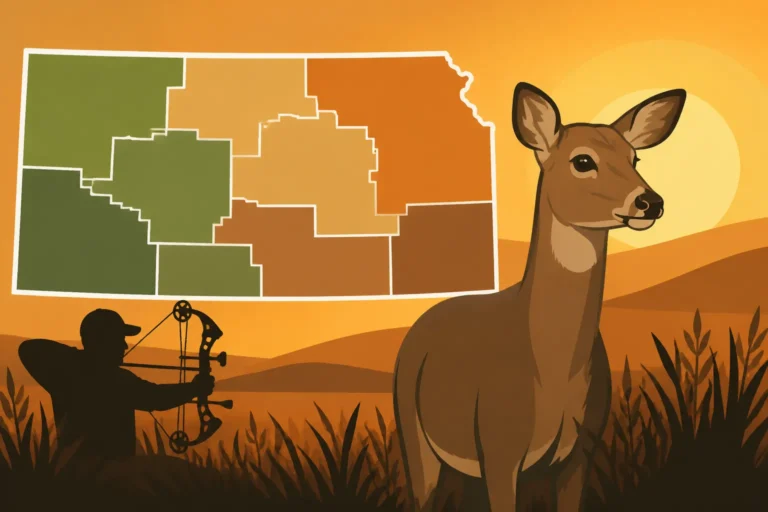
Residents have a much more straightforward and affordable path to deer hunting in Kansas. Most residents simply purchase their permits over the counter or online without going through a draw, especially for whitetail deer. The cost for a resident Whitetail Either-Sex permit is significantly lower than for non-residents, often in the range of $42.50. This permit allows you to harvest one whitetail buck or one whitetail doe.
In addition to the standard either-sex permit, Kansas offers Kansas Antlerless Deer Permits, which are typically much cheaper, around $17.50, and are designed to help manage the deer population by encouraging doe harvest. These are usually available over-the-counter and are often unlimited or have very high quotas in most units. You can often purchase multiple antlerless permits, especially for late-season hunts, to help fill your freezer. Landowners and tenant farmers also have special permits available at reduced or no cost, as mentioned earlier. These "Hunt-on-Your-Own-Land" permits are an important part of how Kansas manages deer on private property and acknowledges the role of property owners.
Preference Points and Their Costs
For non-residents, understanding preference points is absolutely critical for long-term planning, especially if you're aiming for a specific, harder-to-draw unit or species. A preference point essentially gives you an advantage in future draws; the more points you have, the better your odds of being drawn for a permit.
The beauty of the Kansas system is that if you apply for a deer permit as a non-resident and are unsuccessful in the draw, you are automatically awarded a preference point for the next year. Alternatively, if you know you can't hunt this year but want to build points for the future, you can purchase a preference point without applying for a permit. This "point-only" purchase typically costs around $27.50. It’s important to note that you cannot both apply for a permit and buy a point in the same year if you are successful in drawing a permit. The point system is designed to reward loyalty and persistence in the draw, not to allow double-dipping.
While useful, there are some important considerations for Kansas Preference Points Explained. Your points generally remain active for a certain number of years (currently five) if you do not apply or purchase a point. If you go five consecutive years without applying or purchasing a point, your accrued points will expire and be lost. This means you need to stay active in the system to keep your points accumulating. Also, preference points only apply to the whitetail deer draw. They do not help with the special Mule Deer Stamp draw, which is a pure lottery regardless of points. Savvy non-residents often start building points years in advance to improve their chances of drawing a prime tag in a high-quality unit.
| Permit/License Type | Resident Cost (Approx.) | Non-Resident Cost (Approx.) | Notes |
|---|---|---|---|
| Annual Hunting License | $30.50 | $127.50 | Required for most hunting, base fee. |
| Five-Year Hunting License | $102.50 | N/A | Resident only. |
| Lifetime Hunting License | $442.50 – $502.50 | N/A | Age-dependent pricing for residents. |
| Apprentice Hunting License | $17.50 | N/A | Resident only, supervised hunting. |
| Senior Hunting License (65+) | $17.50 | N/A | Resident only. |
| Deer Permit Application Fee | N/A | $27.50 | Non-refundable for non-residents. |
| Non-Resident Whitetail Either-Sex | N/A | $442.50 – $452.50 | Cost upon successful draw. |
| Resident Whitetail Either-Sex | $42.50 | N/A | Over-the-counter for residents. |
| Antlerless Deer Permit | $17.50 | $17.50 | Over-the-counter, often multiple allowed, for both resident and non-resident. |
| Non-Resident Mule Deer Stamp | N/A | $152.50 | Requires drawing a regular deer permit first. |
| Preference Point (Point Only) | N/A | $27.50 | For non-residents to build points for future draws. |
| Turkey Permit (Spring, Resident) | $27.50 | N/A | Unit restrictions may apply for non-residents. |
| Turkey Permit (Spring, Non-Res) | N/A | $87.50 | Unit-specific draw for non-residents. |
| State Waterfowl Stamp | $7.50 | $10.00 | Required for waterfowl hunting, in addition to HIP. |
| Federal Duck Stamp | $25.00 | $25.00 | Required for waterfowl hunting (age 16+). |
| HIP Registration | Free | Free | Required for migratory bird hunting (annual). |
| Prairie Chicken Permit | N/A | $32.50 | Non-resident Greater Prairie Chicken Permit. Residents need small game license. |
| Furharvester License | $27.50 | $252.50 | Required for commercial fur harvesting. General hunting license for coyotes. |
Turkey Permit Costs and Season Specifics
Kansas offers fantastic turkey hunting opportunities, particularly for Rio Grande turkeys in the central and western parts of the state, with Eastern and hybrid birds in the east. Like deer, securing a turkey permit has its own set of rules and costs, especially if you're coming from out of state.
Spring Turkey Permit Costs for Residents and Non-Residents
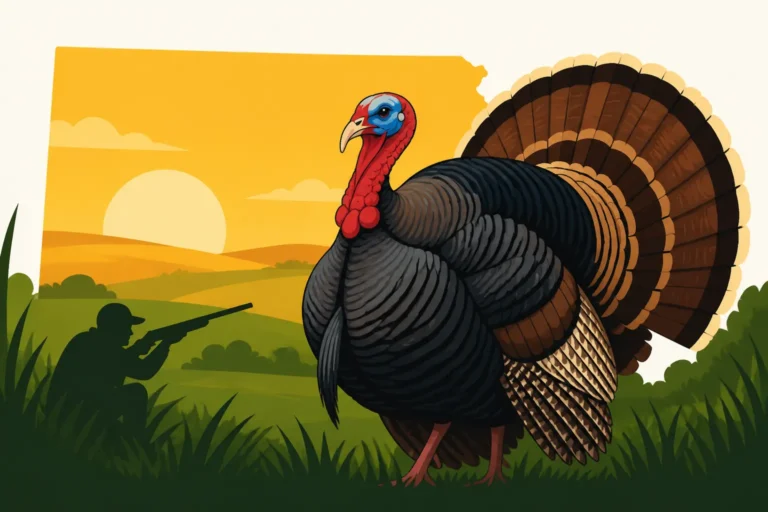
Spring turkey season is a highly anticipated time in Kansas, filled with the thrilling sounds of gobblers echoing across the plains and timber. For residents, acquiring a spring turkey permit is relatively straightforward and affordable. A resident spring turkey permit typically costs around $27.50. These permits are generally available over-the-counter or online, without a draw, and usually allow for the harvest of one male turkey or bearded hen. Some residents may opt for a second permit if available, subject to bag limits and regulations.
Non-residents, however, face a more competitive process and higher costs. To hunt spring turkeys in Kansas, non-residents must participate in a limited draw for a permit. The non-resident spring turkey permit usually costs around $87.50. This permit is typically unit-specific, meaning you apply for and are restricted to hunting within a particular deer management unit or group of units. The number of permits issued for non-residents in each unit is limited, and some units are significantly harder to draw than others. For example, Kansas Nonresident Turkey Unit Quotas vary wildly, with some units having many permits and others very few. Unit 4, for instance, is often resident-only. It's critical for non-residents to research draw odds and unit populations when applying. The application period for non-resident spring turkey permits usually opens in January, so mark your calendars if you plan to chase a Kansas gobbler.
Fall Turkey Permit Rules and Costs
While spring turkey season gets most of the attention, Kansas also offers a fall turkey season. This season typically provides opportunities to harvest either-sex turkeys, which means you can take a hen or a gobbler, often with different tactics than the spring. For residents, if a fall turkey season is open, permits are generally easy to acquire and cost a similar amount to spring permits, around $27.50.
For non-residents, the availability and cost of fall turkey permits can vary. In some years, non-resident fall turkey permits might be available over-the-counter, or they might be subject to a draw similar to the spring season but with higher success rates due to less demand. The cost, when available, would likely be similar to the spring non-resident permit. However, the Kansas Fall Turkey Season Status can change depending on population trends and management goals, so it's absolutely essential to check the latest KDWP regulations well in advance of the fall season. In recent years, due to turkey population declines, fall turkey hunting opportunities have sometimes been curtailed or significantly restricted. Always verify current regulations to avoid disappointment and ensure you're hunting legally.
Upland Bird and Waterfowl Permit Costs
Kansas is renowned as an upland bird hunter's paradise and a major stop on the Central Flyway for waterfowl. While you won't typically need a "permit" for pheasants or quail in the same way you do for deer, there are still specific stamps and registrations required beyond your general hunting license.
Pheasant, Quail, and Prairie Chicken Permit Requirements
For pursuing the state's iconic ring-necked pheasants and energetic bobwhite quail, your annual general hunting license (resident or non-resident) is usually all you need in terms of a base permit. There isn't a separate "pheasant tag" or "quail permit" to purchase. This makes upland hunting quite accessible once you have your general license. However, if you plan to hunt the magnificent greater prairie chickens, there's an additional step for non-residents.
Kansas has a specific Kansas Prairie Chicken Permit Requirement for non-resident hunters pursuing these birds. This permit typically costs around $32.50. Residents do not need a separate prairie chicken permit; their general hunting license covers them. This special non-resident permit helps KDWP manage harvest pressure on prairie chicken populations, especially in the sensitive Flint Hills region. Beyond the general license and, for non-residents, the prairie chicken permit, remember to respect daily bag limits and possession limits for all upland species, which are clearly outlined in the annual hunting regulations.
Waterfowl Hunting License and Stamp Costs
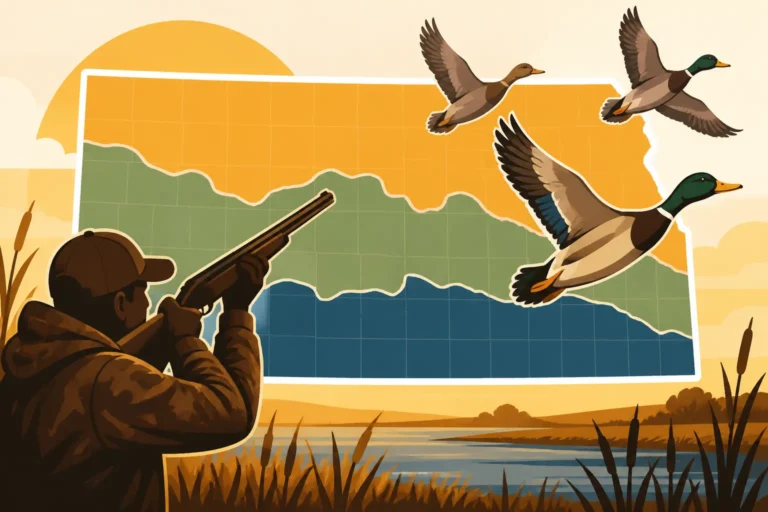
Waterfowl hunting in Kansas involves a few extra layers of requirements to ensure compliance with both state and federal regulations for migratory birds. In addition to your general hunting license, you'll need three main things:
-
Kansas State Waterfowl Stamp: This is a state-specific stamp, typically costing around $7.50 for residents and $10.00 for non-residents. The funds from this stamp go directly to state-level waterfowl habitat projects and research, benefiting ducks and geese throughout Kansas.
-
Federal Duck Stamp: This is a federal requirement for all waterfowl hunters aged 16 and over across the United States. The Federal Migratory Bird Hunting and Conservation Stamp, commonly known as the Federal Duck Stamp, costs $25.00. This stamp is an absolute must-have for anyone hunting ducks, geese, or even sandhill cranes. The revenue from the Federal Duck Stamp is used to conserve wetlands and purchase wildlife refuges across the country. You can purchase it at most post offices, sporting goods stores, or online.
-
Harvest Information Program (HIP) Registration: This is a free, annual registration that all migratory bird hunters (including doves, ducks, geese, cranes, woodcock, and snipe) must complete. It's not a permit that costs money, but it's essential for helping the U.S. Fish and Wildlife Service collect harvest data, which is vital for managing migratory bird populations. You register by answering a few simple questions about your previous year's hunting success for various migratory species. You'll receive a HIP confirmation number, which must be carried with you while hunting migratory birds. This can usually be done quickly online through the KDWP licensing system.
So, for waterfowl, you're looking at your general hunting license, the Kansas waterfowl stamp, the Federal Duck Stamp, and your annual HIP registration. It might seem like a lot of individual items, but each plays a critical role in supporting the conservation of these incredible migratory resources.
Other Game Species Permits and Niche Hunts
While deer, turkey, and upland birds steal much of the spotlight, Kansas also offers hunting opportunities for other species, though some are far more limited or require different types of permits.
Elk and Antelope Permit Costs
Kansas has very small, localized populations of elk and antelope, and hunting opportunities for these animals are extremely limited and highly coveted. For elk, the primary population centers are around the Fort Riley military reservation and some smaller, free-ranging herds. Hunting elk in Kansas is almost exclusively done through a very restrictive draw. Residents must apply for one of the few available tags, and non-residents rarely, if ever, have an opportunity, though it's technically possible with incredibly long odds. The permit costs for successfully drawn elk tags are substantial, often in the range of $152.50 for residents. The specific rules for Kansas Elk Permits and Fort Riley Hunts are complex and involve separate application processes, sometimes even through the base itself. These hunts are generally considered once-in-a-lifetime opportunities.
Similarly, pronghorn antelope are found only in the far western counties of Kansas, and hunting them is also managed through a very limited draw system. Again, these permits are primarily allocated to residents, with non-resident opportunities being exceedingly rare or non-existent in most years. When available, resident antelope permits typically cost around $52.50, plus any application fees. The Kansas Antelope Permits and Seasons are designed to carefully manage these small, fragile populations. If you're hoping to hunt either elk or antelope in Kansas, be prepared for many years of applying and potentially purchasing preference points, if applicable to the draw system at the time. Success often comes down to pure luck of the draw.
Predator and Furbearer License Requirements
Hunting predators and furbearers like coyotes, bobcats, raccoons, and opossums in Kansas can be an exciting way to spend time outdoors, especially during the colder months when other seasons are closed. For coyotes, which are classified as a predatory animal, a general hunting license (resident or non-resident) is usually all you need. There isn't a specific "coyote tag" required. This makes coyote hunting very accessible and popular throughout the state.
However, for other furbearers like bobcats, raccoons, opossums, red foxes, gray foxes, badgers, skunks, and civets, if you plan to hunt them specifically for their fur or to sell their pelts, you will likely need a specific Kansas Furharvester Licence. This license is separate from the general hunting license and allows for the taking of furbearers by hunting or trapping. A resident furharvester license typically costs around $27.50, while a non-resident furharvester license is significantly more, often around $252.50. The high cost for non-residents reflects the commercial aspect often associated with fur harvesting. If you're simply hunting raccoons or opossums for sport and not for their fur, your general hunting license might suffice, but always double-check the latest regulations to be certain. The specific regulations regarding hunting hours, weapon types, and bag limits for furbearers can also vary, so consult the current KDWP hunting and furharvesting regulations.
Navigating the Application Process and Online Resources
Understanding the costs is one thing, but actually going through the application process and knowing where to find current information can be another challenge entirely. Kansas has made great strides in moving many of these processes online, which can simplify things if you know where to look.
Step-by-Step for Online Applications
The Kansas Department of Wildlife and Parks (KDWP) maintains a comprehensive online licensing and permit portal, typically accessible through their main website (www.ksoutdoors.com) or the "Go Outdoors Kansas" platform. This is usually your first stop for purchasing general hunting licenses, state stamps, and applying for big game draws.
Here’s a general step-by-step for online applications:
- Create an Account: If you don't already have one, you'll need to create a profile on the KDWP licensing portal. This will store your personal information, hunter education details, and past purchase history.
- Log In: Use your credentials to log in.
- Select Your Desired Item: Navigate to the "Purchase Licenses and Permits" or "Apply for Draws" section. Here you can select your annual hunting license, specific permits like spring turkey, or initiate a deer permit application.
- Enter Application Details: For draws (like non-resident deer or turkey), you'll need to specify your chosen unit, weapon, and any other required information. For deer, this is where you decide between, say, a whitetail either-sex permit or an either-species option, and whether you're trying for the Mule Deer Stamp.
- Review and Pay: Before finalizing, double-check all your selections. Ensure your unit choices are correct and that you've selected the right weapon. The system will show you the total cost, including any non-refundable application fees. You'll then proceed to payment with a credit or debit card.
- Confirmation: After a successful transaction, you'll receive a confirmation email with your license or application details. Many permits are now digital and can be stored on your phone through the Go Outdoors Kansas mobile app, or you can print a copy.
For non-residents, especially, it's wise to complement the KDWP portal with resources from platforms like GoHunt. These types of sites specialize in draw odds, unit data, and application strategies, offering a powerful layer of analytics that can help you decide which units to apply for to maximize your chances of drawing a desirable tag. They aggregate harvest data, public land availability, and permit quotas, giving you a significant edge in navigating the complex Kansas draw system.
Important Deadlines and Avoiding Common Mistakes
Missing a deadline is perhaps the most common and heartbreaking mistake a hunter can make when applying for permits. For non-resident deer permits, the application deadline is typically in April, usually towards the end of the month. Non-resident spring turkey applications usually open in January and close a few weeks later. These deadlines are absolute, and there are no extensions. Mark your calendar, set reminders, and apply well in advance!
Another frequent error is incorrect unit selection or weapon choice. Always verify that the unit you're applying for aligns with your scouting and hunting plans. If you select "archery" and then show up with a rifle during firearm season, you'll be in violation. Double-checking payment information is also crucial; an expired credit card or insufficient funds can lead to your application being denied, effectively missing the draw. Remember that application fees are generally non-refundable, even if you don't draw a permit. This isn't KDWP trying to be difficult; it's simply covering the costs of processing thousands of applications. Taking the time to read the annual Kansas Hunting & Trapping Regulations Summary, available on the KDWP website each year, is your best defense against making a costly mistake.
Maximizing Your Investment and Planning Your Hunt
Hunting in Kansas, whether you're a resident or a non-resident, is an investment—not just in terms of money for licenses and permits, but also in time, effort, and passion. Making sure you get the most out of that investment requires careful planning beyond just securing your tags.
Budgeting for a Kansas Hunt
The cost of a hunting license or permit is often just the tip of the iceberg when it comes to the overall expense of a hunt. A comprehensive budget for a Kansas hunting trip needs to account for far more than just the KDWP fees.
Consider these additional factors:
- Travel: Fuel for driving, or flights and car rental if you're coming from afar. Kansas is a big state, and driving across it adds up.
- Lodging: Hotel rooms, cabin rentals, or camping fees. If you're looking at a guided hunt, this might be included in the package, but for DIY hunters, it's a significant line item.
- Food: Groceries for camp cooking or dining out.
- Gear: Ammunition, arrows, broadheads, new camo, optics, calls, treestands, ground blinds – the list can be endless. While not annual costs, equipment maintenance and upgrades are part of the long-term budget.
- Processing and Taxidermy: If you're successful, there's the cost of having your game professionally processed, or the supplies if you do it yourself. And, of course, the potentially significant cost of a taxidermy mount.
- Guide/Outfitter Fees: If you opt for a guided or semi-guided experience, these fees will be the largest component of your budget.
For those looking to keep costs down, focusing on public land or Hunting Kansas Walk-In Land Without Burning It Out can significantly reduce expenses by eliminating private land lease fees or guide costs. Camping instead of staying in hotels also offers considerable savings. Thoughtful budgeting ensures that you don't run into unexpected financial surprises during your hunt.
Making Informed Decisions for Your Permits
The financial investment in Kansas permits means you'll want to make the most informed decisions possible, particularly for limited-draw permits like non-resident deer or turkey. It's not just about getting a tag; it's about getting a tag in a unit that offers the best chance of success given your hunting style and goals.
Before you even apply, dedicate time to researching potential units. Look at KDWP harvest reports, which provide data on success rates and buck-to-doe ratios by unit. Consider the types of habitat within different units – do they align with how you like to hunt? Some units might have more public land opportunities, while others are predominantly private. For example, understanding Public Land Deer Hunting in Kansas regulations for different units will be critical if you don't have private land access.
Leverage the data available from resources like GoHunt, which can help predict draw odds and analyze unit quality based on various factors. These platforms often break down public land percentages, habitat types, and historical harvest data in granular detail, allowing you to weigh your options intelligently. Don't just apply for the most famous unit; apply for the unit that gives you the best odds of both drawing a permit and having a quality hunting experience. Understanding the nuances of Choosing a Kansas Primary Unit and even adjacent units can literally make or break your hunt planning for the year. This diligent pre-application research is just as important as the hunt itself.
Disclaimer
Please note that hunting license and permit costs, as well as specific regulations and season dates, are subject to change annually by the Kansas Department of Wildlife and Parks (KDWP). While every effort has been made to provide accurate and up-to-date information in this guide, it is essential for all hunters to consult the most current official KDWP regulations summary and website before purchasing licenses, applying for permits, or going afield. This guide is for informational purposes only and should not be considered a substitute for official KDWP publications.