Firearm Season Opening Day Strategy
That first crisp morning of firearm deer season in Kansas is an event many of us anticipate all year. But let's be honest, it's also often a chaotic scramble, with deer seemingly vanishing into thin air as soon as the first trucks pull onto the roads. The woods can feel alive with human presence, and those predictable patterns you scouted just weeks ago can evaporate overnight. This guide is all about cutting through that opening day madness, helping you develop a robust strategy to navigate the heightened pressure and find success.
Understanding Opening Day Pressures and Deer Behavior
Opening day of firearm season in Kansas brings a unique set of challenges that can drastically alter deer behavior. It’s not just about getting out there; it’s about understanding the immediate shift in the landscape and how our quarry reacts.
The Initial Rush and Its Impact
There's no denying it: opening day sees the highest concentration of hunters in the woods all year. Whether you're hunting private ground or exploring some fantastic public land deer hunting in Kansas, that initial wave of human activity creates what I like to call the "shockwave effect." Deer that were comfortable feeding in open fields or bedding in predictable thickets suddenly feel the pressure from all directions. This isn't just a few deer getting spooked; it's often a widespread, instantaneous reaction across an entire area. The sheer number of boots on the ground, vehicles on rural roads, and gunshots reverberating through the timber sends a clear message to whitetails: danger is here. Their primary instinct kicks in, and they will look for the quickest, safest escape route to denser cover. This often means they’ll vacate their usual haunts entirely, seeking out overlooked nooks and crannies, or simply going completely nocturnal in their movement.
Adapting to Alert Deer
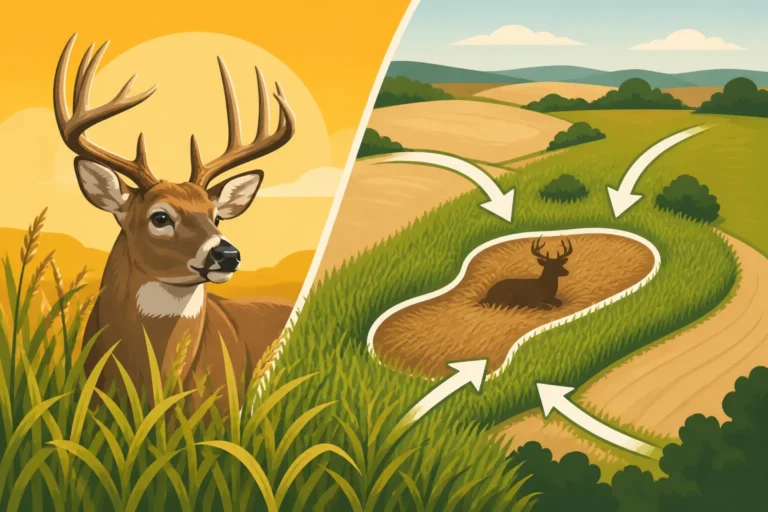
Once the initial shockwave hits, deer don't just disappear; they become incredibly cautious. The deer you encounter on opening day are likely hyper-alert, moving differently, and using terrain features in new ways. They'll often shift from open feeding areas to more secluded, heavy cover immediately. This could be a dense cedar thicket, a deep river bottom, or even just a small, isolated patch of timber that most hunters overlook. Their movement will become more deliberate, often sticking to the thickest edges, using creek beds or ditches for concealment, and traveling during the lowest light conditions. Expect deer to be moving with their guard up, constantly checking their surroundings, and ready to bolt at the slightest hint of danger. This means you need to adjust your approach from casual scouting to one that respects their heightened senses. Forget crashing through the woods; think quiet, slow, and intentional movement, anticipating where a wary buck would try to sneak through.
Scouting for Pressure Points
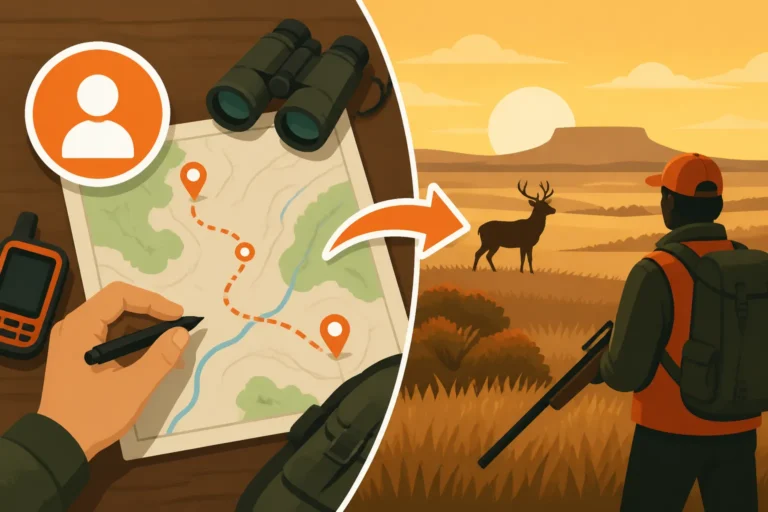
Before the season even begins, it’s crucial to anticipate where the pressure will be most intense. High-visibility areas, easily accessible public tracts, and common travel corridors for hunters will be hit hard. This is where pre-season scouting, combined with mapping technology, becomes your secret weapon. Tools like GoHunt can be invaluable here. Before you even step foot in the woods, you can use satellite imagery to identify common access points, obvious trails, and open terrain that will likely draw a crowd. Conversely, use these same tools to pinpoint remote, harder-to-reach pockets of cover, thick shelterbelts, or overlooked creek bends. These "pressure points" and "pressure refuges" are key to your strategy. Understanding Hunting Pressure Patterns on Kansas Public Land can help you predict where deer will be pushed to and from. Deer, when pushed, don't often run aimlessly; they typically head towards the densest, most secure cover they know. If you can identify these natural escape routes and bedding areas, you're a step ahead. Remember, the goal isn't just to find deer, but to find deer that aren't being hammered by every other hunter in the county.
Strategic Setup and Stand Placement
Your opening day success hinges greatly on where you choose to set up and how you get there. With deer on high alert, your stand placement and access routes are even more critical than usual.
Utilizing Key Terrain Features
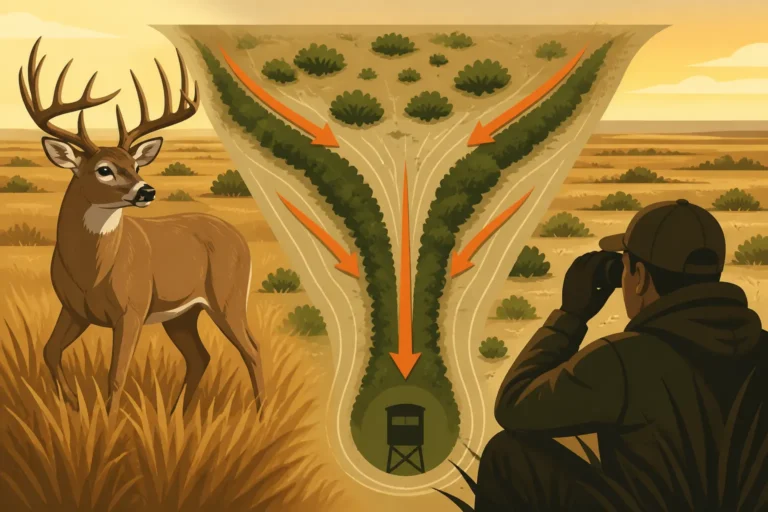
When the woods are buzzing with activity, deer fall back on predictable escape patterns, often using natural funnels and heavy cover. This is where studying key terrain features becomes paramount. Look for areas where topography or vegetation naturally bottlenecks deer movement. A perfect example is a creek crossing worth hanging a stand on, especially if it’s nestled within a thicker timber block that offers a sense of security. Deer pushed from open fields or lighter timber will instinctively head towards these draws, using them as safe travel corridors. Similarly, the end of a long shelterbelt in flat farm country can act as a crucial pinch point. Deer will often skirt the edges of these cover strips, and an intersection of a shelterbelt with a ditch or another field edge can be a high-traffic area.
Think about areas that provide both cover and a clear travel path. River oxbows and creek draws often offer dense vegetation and natural elevation changes that deer love for security. In flat farm country, even subtle terrain funnels that work without hills can be deadly. These could be narrow strips of timber connecting larger woodlots, brushy fence rows, or even just a slight ditch line providing visual obstruction. Before the season, pore over maps, looking for these connections. A quick check on GoHunt's satellite imagery can help you identify these pockets of cover and potential travel routes. By understanding how deer navigate the landscape under pressure, you can position yourself in a location where they feel compelled to pass.
Access Routes That Minimize Disturbance
Having a fantastic stand location means absolutely nothing if you spook every deer in the county on your way to it. On opening day, with hyper-alert deer, your access route is paramount. You need to plan your entry and exit to be as stealthy and unintrusive as possible. This means avoiding known bedding areas and prime feeding spots during your walk in. Consider routes that use natural terrain features for concealment, such as walking along the edge of a noisy creek, sticking to the bottom of a ditch, or traversing open fields under the cover of darkness well before legal shooting light.
Your goal is to become invisible. Think about the path of least resistance for you that creates the least disturbance for the deer. Sometimes, this means taking a longer, more circuitous route rather than a direct one. If you're hunting near a river, understanding Wind and Thermals on a River Bank is critical, not just for your stand, but for your entry and exit as well. The last thing you want is for your scent to be carried directly into a bedding area as you walk in. For areas of Kansas Deer Units 1 Through 19 with heavier pressure, you might even consider parking further away than usual and walking in a bit more to get to your spot. This is all part of having Access Routes That Do Not Bump Deer. Remember, those first few hours of opening day are golden, and you don't want to compromise them before you even climb into your stand.
Considering Wind and Thermals
Wind and thermals are always important in deer hunting, but on opening day, they are absolutely non-negotiable. With deer moving cautiously and constantly scent-checking, a single misstep with the wind can blow your entire hunt. Before you even leave the house, check multiple weather apps for wind direction and speed. Have a primary stand location for a particular wind, and a secondary or even a tertiary option for different wind conditions. Don't be afraid to change your plans last minute if the wind shifts unexpectedly.
Thermals, the rising and falling air currents, are equally crucial, especially in river bottoms or areas with significant elevation changes. In the morning, as the air warms, thermals rise, carrying your scent upwards. In the evening, as the air cools, thermals fall, carrying your scent downwards. Factor this into your stand placement, particularly if you're hunting a draw or creek bottom. If you're elevated, remember that your scent might eventually drop and spread. This is why understanding Best Stand Locations in Flat Farm Country needs to extend beyond just finding cover; it means finding locations where you can consistently stay undetected by a deer's nose. A savvy hunter might even carry a small bottle of scent indicator to constantly check the subtle air currents around their stand.
Tactics for Engaging Opening Day Whitetails
Once you're in your carefully selected stand, the real work begins. Opening day often demands a different kind of patience and specific tactics to bring a wary whitetail into range.
Patience and Long Sits
This isn't the day for a quick two-hour hunt. Opening day, especially with the Kansas Firearm Deer Season Dates being a short, intense window, demands commitment. The woods are active, deer are moving, but they might not move when you expect them to. The initial rush of hunters can push deer into new areas, and it might take hours for them to settle down or for another hunter to inadvertently push a buck your way. This is why those long, all-day sits become your best friend. Pack plenty of snacks, water, and extra layers. Be prepared to sit from before legal light until after dusk.
Think about it: many hunters will head in mid-morning or leave for lunch. Those are precisely the times when deer, feeling a slight lull in pressure, might begin to move. A trophy buck, often more nocturnal and cautious, might only make an appearance during the quietest parts of the day – which often happen between 10 AM and 2 PM when others are back at the truck or grabbing a sandwich. Your ability to simply remain in your stand, quiet and still, increases your odds exponentially. It's a mental game as much as a physical one, and the hunters who can out-sit the competition often find themselves rewarded.
Still-Hunting and Drives in Small Timber
While sitting patiently is often the best play, there are situations where more active tactics can be effective, particularly in areas with small, isolated timber blocks that might be holding pushed deer. Still-hunting, which involves moving slowly and deliberately through the woods, taking a few steps then stopping for extended periods to scan, can be a great way to encounter deer that are trying to slip through cover. This isn't about crashing through the woods; it's about moving at a snail's pace, using binoculars to pick apart every shadow, and being ready to freeze at a moment's notice. Focus on areas of dense cover, especially cedar thickets as bedding cover, where a pressured deer might be holed up.
For slightly larger timber blocks or dense shelterbelts, conducting Small Timber Drives With Two Hunters can be incredibly effective, but it requires careful planning and communication for safety. One hunter acts as the "driver," moving slowly and making noise to push deer out, while the other acts as the "stander," positioned strategically at the end of the timber block or along a known escape route. The key here is small drives, using only a couple of people, to gently encourage deer movement without sending them into a full-blown panic. This technique works especially well in Kansas's farm country, where small patches of timber can hold a surprising number of deer. Safety is paramount, so always know where your partner is and have a clear shooting lane and backdrop.
Calling Strategies for Wary Bucks
On opening day, the woods are typically filled with more human noise than deer noise, which makes calling a bit of a nuanced affair. Aggressive rattling and grunting, which can be deadly during the peak of the rut, might actually be detrimental on opening day with hyper-alert deer. A big, mature buck that has just felt intense pressure isn't likely to come charging in to investigate a loud ruckus. He's thinking escape, not confrontation or breeding.
Instead, lean towards subtle, realistic calling. A soft grunt or two, mimicking a deer simply passing through, can sometimes pique a cautious buck's interest without alarming him. A snort-wheeze on a cruising buck might work if he's actively looking for other deer, but use it sparingly and watch his reaction. If he stiffens or appears to be looking for danger, back off immediately. The goal is to sound like an unpressured deer, not an aggressive one trying to pick a fight. Some hunters have success with a soft doe bleat, signaling contentment, which can sometimes calm a nervous deer. The important thing is to read the deer's body language. If he responds negatively, hold your calls and rely on your stealth and stand placement.
Post-Shot Strategy and Recovery
The shot is only half the battle. Recovering your deer efficiently and ethically is the final, crucial step, and opening day's unique conditions can complicate it.
Waiting Periods and Blood Trailing
You've made a good shot, or at least you think you have. The adrenaline is pumping, and the urge to immediately jump down and track is strong. Resist it. On opening day, with potentially more hunters and moving deer, exercising patience after the shot is even more critical. If you suspect a less-than-perfect hit, or if the deer didn't go down within sight, it's absolutely vital to give the animal time. A general rule of thumb for a solid lung or heart shot is 30-60 minutes, but for gut shots, you might need 4-6 hours, or even overnight. This allows the deer to bed down and expire, rather than being pushed further by your immediate pursuit.
When you do take up the Waiting Before Taking Up a Blood Trail, mark your last known blood or the spot where the deer was last seen. Take your time, moving slowly and methodically. Every drop of blood, every broken twig, every scuff mark matters. Blood trailing in tall CRP or dense cedars can be incredibly challenging, so don't rush. Bring plenty of flagging tape or toilet paper to mark the trail. If you lose the trail, back out, reassess, and consider forming a grid search pattern with a buddy. Remember that other hunters might be in the area, so move cautiously and be aware of your surroundings.
Dealing with Recovery on Shared Lands
Kansas offers fantastic public hunting opportunities through its Walk-In Hunting Access (WIHA) program and various state wildlife areas. However, these shared lands can present unique challenges during recovery, especially if a deer crosses a property line. It's a frustrating but common scenario: you shoot a deer on public land, and it runs onto adjacent private property. This is where knowing the law and being respectful is paramount.
In Kansas, it is illegal to retrieve game from private land without explicit permission from the landowner. Period. There are no exceptions for shot game. This means if your deer crosses onto private land, you must attempt to contact the landowner and request permission to retrieve it. This is where having a tool like GoHunt or onX maps, which can show property lines and landowner names, becomes invaluable. Being able to quickly identify the landowner and present your case calmly and courteously can make all the difference. Offer to show them where the deer ran, and be ready to adapt to their rules. Sometimes, they'll let you retrieve it; other times, they might offer to do it themselves. And, unfortunately, sometimes they'll say no. It’s a tough pill to swallow, but respecting property rights is crucial for maintaining good hunter-landowner relations. Understanding Recovering a Deer Across a Property Line means knowing your legal limits and how to navigate these often delicate situations respectfully.
| Aspect | Opening Day Firearm Season Focus | Later Season Firearm Season Focus |
|---|---|---|
| Hunter Pressure | Extremely High: Expect maximum competition, widespread disturbance. | Moderate to Low: Fewer hunters, localized pressure from persistent folks. |
| Deer Behavior | Hyper-alert, Evasive: Seeking dense cover, moving nocturnally, using escape routes. | Seeking Food/Cover: More predictable patterns around food sources, conserving energy. |
| Stand Placement | Escape Routes, Dense Cover: Pinch points, thickets, creek draws, isolated timber. | Food Sources, Bedding Areas: Standing crops, thermal cover, south-facing slopes. |
| Access Routes | Ultra-stealthy: Long, indirect paths, use of natural buffers, pre-dawn entry. | Stealthy, but direct: May be able to get closer if deer aren't pressured. |
| Calling Strategy | Subtle/Minimal: Soft grunts, bleats, avoid aggressive calls. | More Aggressive: Rattling, grunting, snort-wheezes, especially during the rut extension. |
| Patience Level | Maximum: All-day sits are crucial to catch lulls in pressure. | High: Long sits still beneficial, but may find more consistent movement. |
| Primary Goal | Intercept pushed deer: Catch movement between bedding/escape cover. | Find feeding deer: Focus on active food sources. |
Disclaimer
Please note that hunting regulations, seasons, and access rules can change. Always consult the official Kansas Department of Wildlife, Parks and Tourism (KDWP) regulations and public land maps for the most current and accurate information before planning any hunt. This guide is for informational purposes only and does not replace official state regulations.