Hunting the Three-Day Antlerless Window
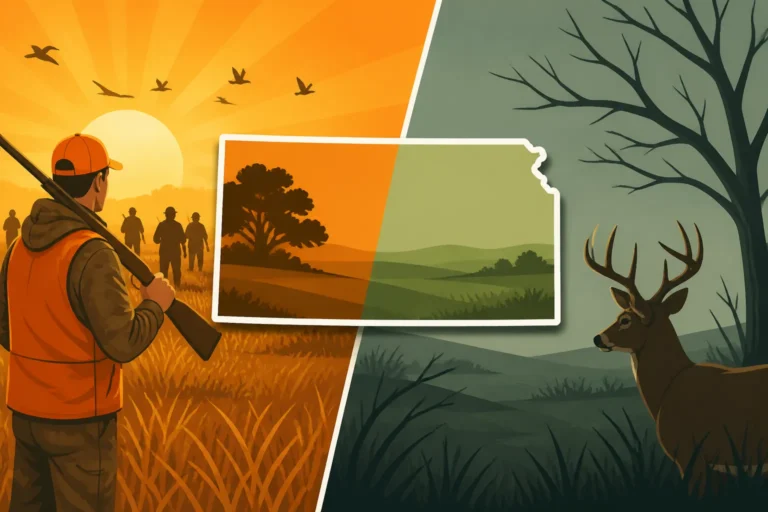
That unique three-day antlerless window in Kansas can feel like a blur – a blink-and-you-miss-it opportunity that many hunters either overlook or struggle to capitalize on. It’s often a short burst of activity nestled between the early archery season and the main rut, designed to help manage the deer population. But let me tell you, it's a golden chance to fill your freezer, fine-tune your early-season tactics, and contribute to sound deer management. This guide is all about helping you master that brief, exciting period, ensuring you're prepared to make the most of every precious moment in the field.
Understanding the Kansas Three-Day Antlerless Window
This specialized three-day season isn't just another hunting date on the calendar; it's a strategic period established by the Kansas Department of Wildlife, Parks and Tourism (KDWP) to specifically target antlerless deer. The primary goal is herd management, helping to balance deer populations, reduce crop damage, and ensure healthier deer overall. While it might seem short, its timing often coincides with favorable early fall conditions, making it a highly effective period if you approach it with the right strategy.
What is this Season and When Does it Occur?
Typically, the Kansas three-day antlerless window falls in late September or early October, bridging the gap after the initial push of the archery opener and before the full swing of the October pre-rut. This timing is critical because deer are often still in their relatively predictable summer patterns, heavily focused on food and water sources. They haven't been as pressured as they will be later in the season, and the weather can often be warm, making for comfortable sitting, though it brings its own set of challenges for post-harvest care.
The beauty of this short season is that it provides a specific focus: does and fawns. For hunters primarily seeking venison, this is a fantastic opportunity. It also allows you to scout and learn deer movement patterns on your property or public land without the added pressure of buck fever. It's a low-stakes, high-reward situation for filling the freezer and gaining valuable experience.
Key Regulations and Unit Availability
Navigating the regulations for this brief season is paramount. First and foremost, you'll need the appropriate antlerless-only permit. These are usually available over the counter, but it's always best to check the KDWP website for the most current information regarding specific units and availability. Remember, this isn't a general deer tag; it's an Kansas Antlerless-Only Permit Cost that explicitly allows for the harvest of a deer without antlers or a deer with antlers less than five inches in length.
Not all units participate in this three-day window, so a crucial step in your preparation is verifying that your chosen hunting unit has the season open. The KDWP hunting atlas or regulation summary will clearly list the Kansas Deer Season Dates by Weapon and unit-specific rules. Additionally, be mindful of any specific rules concerning public vs. private land access during this time. Some walk-in hunting areas (WIHA) might have different opening dates or restrictions than private ground, so double-check before you head out.
Scouting Strategies for This Unique Season
Given the limited three-day window, extensive pre-season scouting isn't just helpful; it's absolutely essential. You can't afford to spend precious hunting hours looking for deer sign. Your goal should be to identify high-confidence areas where deer are consistently feeding, watering, or bedding, long before the season even opens.
Pinpointing Early Season Food and Water Sources
In late September and early October, Kansas deer are still heavily reliant on abundant food sources to build up fat reserves for the coming colder months. Think about what's green and palatable during this time. Soybeans, alfalfa fields, and lush green winter wheat or clover plots are prime targets. Even standing corn can be attractive, offering both food and cover. Don't overlook soft mast like persimmons or white oak acorns if they're available in your area; these can be deer magnets.
Water sources are equally critical, especially if the weather is still warm and dry. Ponds, creeks, and even small puddles can draw deer, particularly in the afternoons. When I'm E-Scouting Kansas Farm Country From Home, I'm constantly looking for the convergence of dense cover, prime food, and reliable water. A tool like GoHunt, with its detailed satellite imagery and property line overlays, helps immensely in this phase. You can often see historical crop rotations and pinpoint subtle changes in topography that might funnel deer toward these resources.
Identifying Bedding Areas and Travel Corridors
Deer don't travel far from their bedding areas to feed and water, especially during this early season period when pressure is generally lighter. Look for dense cover adjacent to your identified food and water sources. This could be thick CRP (Conservation Reserve Program) grass, cedar thickets, brushy creek bottoms, or heavy timber. These are the places deer will feel safe resting during the day before venturing out.
Once you've located potential bedding and feeding/watering areas, connect the dots. What are the most logical travel routes between them? These are your deer highways. Often, deer will use terrain features like ditches, fence lines, overgrown field edges, or creek beds to move under cover. Reading Aerial Imagery for Bedding Cover is a skill that becomes incredibly valuable here. Look for fingers of timber extending into fields, inside corners of crop fields, or narrow strips of cover that act as natural funnels. The less visible and less exposed the route, the more likely deer are to use it.
Effective Hunting Tactics for Antlerless Deer
With the three-day window being so short and specific, your hunting tactics need to be precise and efficient. This isn't the time for trial-and-error; it's about executing a well-thought-out plan based on your scouting.
Strategic Stand Placement and Scent Control
Your stand location is paramount. For antlerless deer, focus on entry and exit points of food sources or along established travel corridors leading to them. Remember, does and fawns are often the first deer to enter a field in the evening and the last to leave in the morning. Being positioned slightly off the main travel route, where you can observe without being directly in their path, can be very effective.
Best Stand Locations in Flat Farm Country often involve points of timber, inside corners, or even a well-brushed-in ground blind on a field edge. Always consider the wind. This cannot be stressed enough. Early season deer, especially does, are incredibly wary, and a single whiff of human scent will send them scattering. Play the wind religiously, even if it means sacrificing your preferred spot. I use the GoHunt app for real-time wind forecasts, which helps me plan my approach and stand entry. If you're hunting near a river or creek, understanding Wind and Thermals on a River Bank can give you a significant advantage, as subtle air currents can drastically alter scent dispersal.
Quiet Entry, Exit, and Patience in the Stand
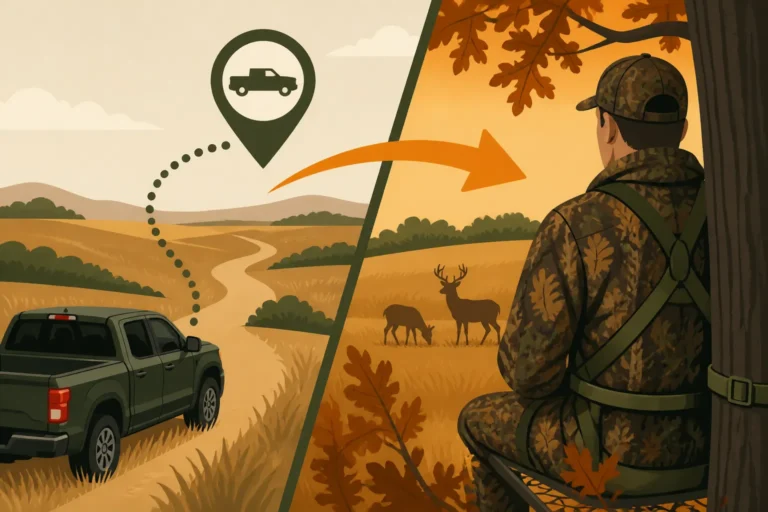
The brief nature of this season means every sit counts. Plan your Access Routes That Do Not Bump Deer carefully. This often means parking well away from your chosen stand and walking a wide, quiet path to avoid disturbing deer in their bedding areas. Walking in before legal light is also critical for morning hunts, and waiting until after dark for evening hunts is equally important to avoid bumping deer off the field. Move slowly, quietly, and be aware of every twig underfoot.
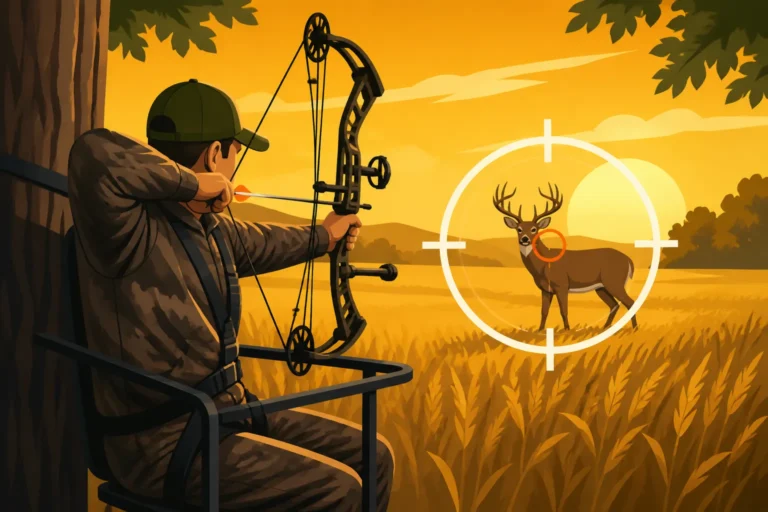
Once in your stand, patience is your greatest ally. You might not see deer immediately, but they will often materialize as darkness approaches or just at dawn. Resist the urge to fidget, check your phone, or move unnecessarily. Use your binoculars to scan edges and open areas. When deer do appear, take your time identifying your target and ensure you have a clean shot. The focus is on a humane, ethical harvest. Being ready for a Shot Placement on a Whitetail at Twenty Yards is crucial, as this is a common range for a comfortable, ethical shot.
Gear and Preparation Specifics for Early Fall
The early fall conditions during the three-day antlerless window present unique challenges and requirements for your gear and preparation. Thinking through these details beforehand can be the difference between a successful hunt and a frustrating one.
Dressing for Potentially Warm Weather
While the calendar might say fall, late September and early October in Kansas can still feel a lot like summer. Temperatures can easily reach the 70s or even 80s Fahrenheit during the day. This demands careful clothing choices. Layering is key, but focus on lightweight, breathable, moisture-wicking fabrics. Avoid heavy insulation that will make you sweat on the walk-in, compromising your scent control and comfort.
Think about clothing designed for active hunting in warmer temperatures. Brands like Sitka Gear or First Lite offer excellent options that are breathable yet durable. Darker colors or camouflage patterns that blend with still-green foliage are a good choice. Remember to bring a light jacket or vest for cooler mornings or evenings, but prioritize comfort and ventilation for the bulk of the day. A good bug spray can also be your best friend during this period, as ticks and mosquitoes can still be active. This is where September Bow Season Heat Strategy really comes into play.
Post-Harvest Care in Warm Conditions
This is perhaps the most critical aspect of early-season antlerless hunting. Field Dressing in Seventy-Degree Weather or warmer requires immediate and thorough attention. As soon as you recover your deer, get to work. Gutting the animal quickly helps cool the carcass from the inside out. Consider bringing disposable gloves and plenty of paper towels.
Beyond field dressing, cooling the meat rapidly is non-negotiable to prevent spoilage. If you're hunting far from home or a locker plant, a large cooler filled with ice is absolutely essential. I often bring several bags of ice, even for a short hunt. Quartering the deer in the field can help fit it into coolers more efficiently and allow for faster cooling. For more detailed advice, read up on Getting a Deer Cooled in September. Don't underestimate the importance of this step; a quickly cooled deer means delicious venison for your freezer.
Here's a quick comparison of key aspects between the Antlerless Window and the General Archery Season:
| Feature | Three-Day Antlerless Window (Late Sept/Early Oct) | General Archery Season (Throughout Fall) |
|---|---|---|
| Primary Goal | Herd management, freezer filling | Trophy bucks, freezer filling |
| Target Deer | Does and fawns (antlerless) | Bucks and antlerless (depending on tag) |
| Deer Behavior | Mostly summer patterns, focused on food/water | Transitions from summer to rut patterns |
| Hunting Pressure | Generally lower, specific to antlerless hunters | Varies, increases significantly in Oct/Nov |
| Weather Conditions | Often warm, can be hot | Varies widely, from warm to cold |
| Vegetation | Still green, lush crops, some early mast | Changing colors, falling leaves, various mast |
| Required Permit | Antlerless-Only Permit | Any-Deer Permit (for antlered), Antlerless-Only |
| Scouting Importance | Critical, pre-season for specific food/water | Ongoing, adapting to changing patterns |
| Post-Harvest Care | High urgency due to warmth | Still important, but less extreme urgency in cooler temps |
The three-day antlerless window in Kansas is a fantastic opportunity for any hunter looking to contribute to sound wildlife management and secure some high-quality venison for their family. It demands meticulous scouting, careful planning, and efficient execution, but the rewards are well worth the effort. By understanding the unique aspects of this season, you can make the most of those precious 72 hours in the field, setting yourself up for a successful early fall hunt.
Disclaimer
The information provided in this article is for general guidance and informational purposes only. Hunting regulations in Kansas can change frequently. Always consult the most current Kansas Department of Wildlife, Parks and Tourism (KDWP) regulations and official resources before planning any hunting trip. It is the hunter's responsibility to understand and comply with all applicable laws and regulations.