Quail Coveys in Plum Thickets
There’s nothing quite as frustrating as walking prime quail habitat in Kansas, knowing the birds are there, but just not being able to pin them down. They seem to vanish into thin air, or you hear a flush way ahead of you, only to find empty ground. Often, the secret lies in a particular type of cover: the dense, thorny embrace of plum thickets. This guide will dive deep into why these unassuming patches of brush are absolute magnets for bobwhite quail and how you can effectively hunt them, whether you've got a seasoned bird dog or you're working the cover on foot.
Understanding Kansas Quail Habitat and Behavior
Kansas offers some fantastic quail hunting opportunities, but successfully pursuing these fast-flying game birds requires a keen understanding of their preferred environments and how they behave within them. It's not just about looking for tall grass; it's about finding the whole package, and plum thickets are often the missing puzzle piece.
The Bobwhite's Preferred Environment in Kansas
Bobwhite quail thrive in a diverse landscape that provides a perfect mix of food, water, and crucially, escape cover. Think about the classic Kansas farm country: you've got vast croplands providing food like milo, corn, and wheat, alongside native grass pastures, fencerows, and scattered timber. This mosaic creates ideal conditions. However, changes in agricultural practices over the years, such as larger monoculture fields and cleaner fencerows, have unfortunately led to a reduction in some of this diverse, "edge" habitat that quail so desperately need. When considering Bobwhite Quail Habitat in Kansas, you're looking for that sweet spot where open ground meets thick cover, allowing them to forage safely and quickly bolt for protection when a hawk or coyote comes calling. They need areas to dust themselves, to sunbathe, and to gather for warmth in coveys during colder months.
Why Plum Thickets Are Quail Magnets
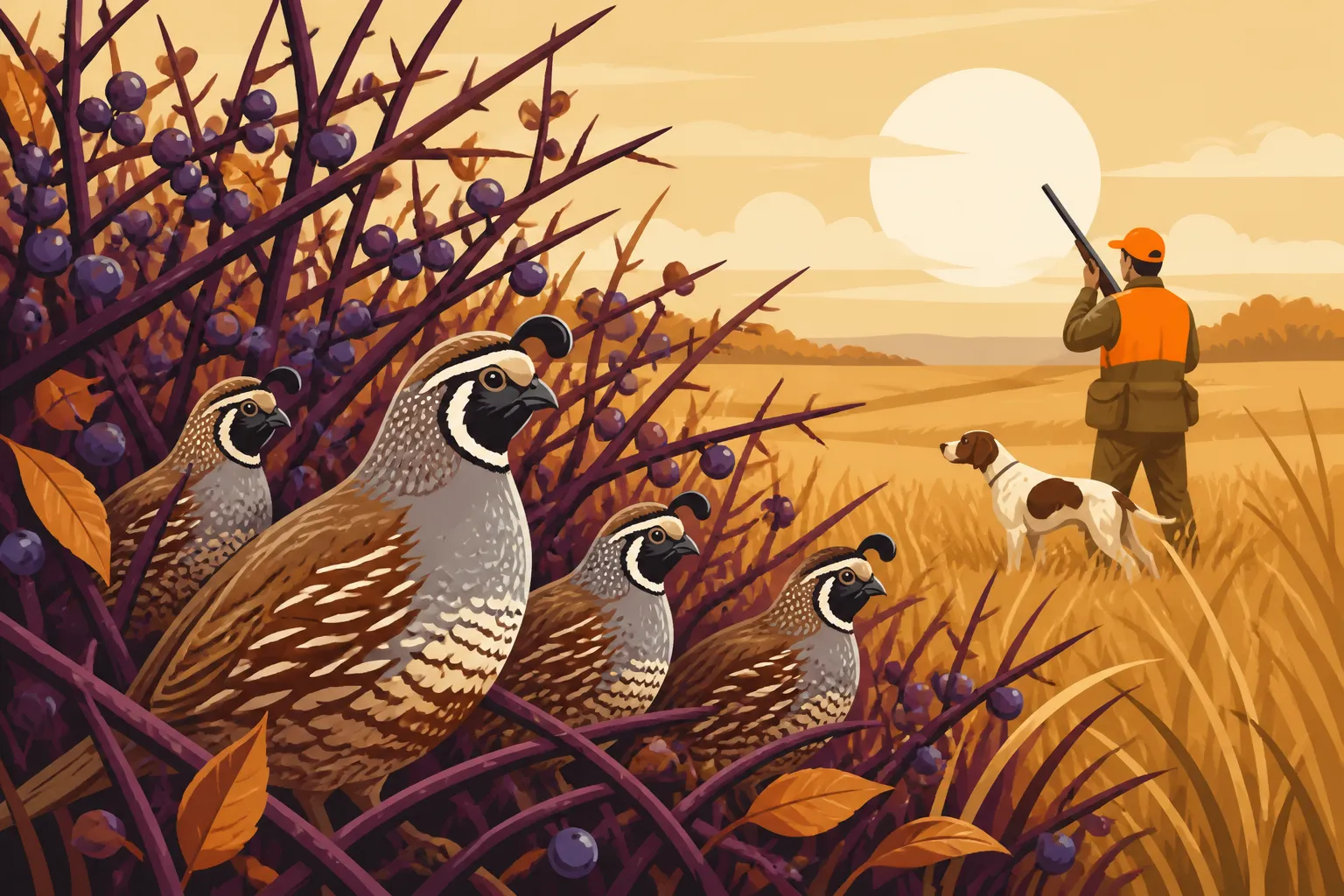
Now, let's talk about the plum thicket itself. These thorny, dense patches of brush are not just another piece of cover; they are often the heart of a quail covey's home range. Imagine a small bobwhite, vulnerable to everything from aerial predators like hawks to ground threats like foxes and even larger raptors that might snatch them from the sky. A plum thicket provides an almost impenetrable fortress. The interwoven, thorny branches create a literal wall of protection that larger predators struggle to navigate.
Beyond sheer physical protection, plum thickets are also a food source. While we might think of the fruit for human consumption, quail will readily feed on fallen plums and the seeds they contain. These thickets also harbor a rich insect population, especially earlier in the season, providing crucial protein for growing birds. As temperatures drop and winter sets in, the dense canopy offers vital thermal cover, protecting coveys from biting winds and heavy snow, which can be a matter of life and death. The way these thickets stand against the elements makes them a crucial refuge, especially when Winter Weather and Quail Survival is on the line. They provide a safe haven, a pantry, and a nursery all in one, making them incredibly attractive to quail year-round.
Locating Productive Plum Thickets
You can't hunt birds in plum thickets if you can't find them first, and that's where a combination of modern technology and old-school woodsman skills really shines. Don't waste precious hunting time wandering aimlessly; approach your hunt with a strategic plan.
E-Scouting for Plum Thicket Signatures
Before you even lace up your boots, you can make significant progress from your living room. E-scouting, using satellite imagery and mapping applications, is an invaluable tool for locating potential plum thickets. Programs like GoHunt and OnX Hunt offer detailed aerial views that can reveal hidden gems. When you're scrolling through a potential hunting tract, look for areas with irregular, dense green or reddish-brown brush patches that stand out against the surrounding fields or grassland. These thickets often form along fencerows, drainage ditches, old homestead sites, or the edges of crop fields.
The key is to zoom in and examine the texture and color. Plum thickets often appear darker and more uniform in density than scattered trees or other types of scrub brush. They also tend to have a distinct, often circular or oblong shape, rather than the linear appearance of a treeline. Pay close attention to transition zones where different types of habitat meet – for example, where a milo field borders a pasture, or where a creek draw rises into an open field. These "edge" habitats are notorious for holding quail, and a dense plum thicket nestled into such an edge is almost guaranteed to be a hotspot. This initial reconnaissance helps you pinpoint areas to investigate further on the ground, making your time in the field far more efficient. You can also leverage tools like the Kansas Hunting Atlas Online to cross-reference public hunting areas with potential thicket locations.
Ground Scouting and Reading the Landscape
E-scouting will get you in the ballpark, but nothing beats boots on the ground for confirming those promising locations and truly understanding the specific lay of the land. Once you've identified a few likely plum thickets from above, it's time to visit them, ideally before opening day, to scout for actual bird sign. Look for physical evidence that quail are using the thicket. This includes droppings (small, dark, and often concentrated), dusting bowls (small depressions in soft earth where birds have "bathed" in dust to clean their feathers), and tiny tracks in soft mud or snow around the edges of the thicket.
Beyond direct sign, observe how the thicket relates to its surroundings. Does it butt up against a standing crop field, offering easy access to food? Is there a reliable water source nearby, such as a pond, creek, or even a livestock tank? Are there patches of short, open grass nearby where birds might sun themselves or loaf? Plum thickets located strategically between food sources, water, and other forms of protective cover (like tall CRP grass or timber blocks) are far more likely to hold active coveys. Also, consider the topography – even subtle dips and rises can offer additional protection from wind or predators, making a thicket in such a spot even more appealing. These small details, like those found when Reading a Kansas Creek Bottom for Deer Sign, can unlock the secrets to where the birds are spending their time.
Tactical Approaches for Hunting Plum Thickets
Hunting quail in plum thickets presents unique challenges due to the dense, often thorny nature of the cover. Whether you're working with a dog or going dogless, you need specific tactics to effectively push birds out and get shot opportunities.
Working Plum Thickets With Dogs
If you're lucky enough to have a good bird dog, hunting plum thickets can be incredibly rewarding, but it also demands a well-trained, disciplined animal. Pointers are fantastic for locating coveys, locking up on point even in the thickest stuff, and allowing you to move into position. Flushers, on the other hand, will dive into the thicket and push birds out. The biggest challenge is the cover itself; thorns can be brutal on a dog, so protective vests are highly recommended, especially for sensitive areas like their chest and belly.
When working a thicket with a pointer, you'll want to move slowly along the perimeter or through the least dense parts, letting your dog work the wind and scent. Once the dog goes on point, position yourself strategically to cut off escape routes before moving in for the flush. If you're using a flusher, encourage them to go deep into the thicket. You and any hunting partners should be ready on the edges, anticipating where the birds might burst out. One common issue in dense thickets is "runners" – birds that prefer to run out the back of the thicket rather than flush. A good dog can often follow these scent trails and relocate them, allowing for a second chance. Remember, communication with your dog is paramount; a silent whistle or hand signals are often more effective than shouting in dense cover. A seasoned dog will quickly learn that these specific thickets are prime spots for Quail Covey Size and Behaviour, and adjust their search pattern accordingly.
Dogless Strategies for Plum Thickets
Don't have a bird dog? No problem! Many successful quail hunters work thickets effectively without one, but it requires more manpower and a different approach. The "block and drive" method is king here. For smaller thickets, station one or two hunters (the "blockers") on the anticipated escape side – typically the side facing open ground where birds would fly to escape. Then, one or two hunters (the "drivers") move through the thicket from the opposite side, making noise and pushing the birds forward. The goal is to flush the birds towards your blockers.
For larger, longer thickets, you might adopt a more linear push. Hunters should walk abreast, maintaining visual contact and a safe shooting lane, slowly pushing through the cover. Use sticks or even your feet to rustle the brush and encourage birds to flush. Communication is absolutely critical in dogless hunting, especially in dense cover where visibility is limited. Always know where your partners are. Anticipate where the birds will flush – often on the edges, or sometimes straight up and over the top. It's tough work, but with patience and teamwork, you can absolutely get birds out of even the nastiest plum thickets. This often involves tactics similar to Working Grass Edges Without a Dog but with significantly thicker vegetation to contend with.
Approaching and Flank Maneuvers
The way you approach a plum thicket can make or break your hunt. A careless approach can result in flushing birds prematurely or having them escape out the backside before you're in position. Always consider the wind. Quail, like most game birds, prefer to flush into the wind for better lift and control. If possible, approach the thicket from downwind, so if birds flush, they might fly into the wind, giving you a slightly slower, more predictable shot opportunity.
For small, isolated thickets, a quick, coordinated approach is best. Have hunters surround the thicket, leaving no obvious escape routes, and then move in simultaneously. For longer, narrower thickets, a "flank" maneuver can be effective. One or two hunters walk along the long sides of the thicket, just inside the cover, while another hunter or two walk parallel on the outside, ready for birds that flush towards the open. This wide approach can help funnel birds, or at least ensure that if they flush wide, someone is in position. Think about the thicket's shape and size, and visualize the most likely escape routes. If the thicket is on a fencerow, birds might fly down the fencerow for more cover. If it's next to a standing crop field, they might dive straight into it. Planning your approach with these possibilities in mind will greatly increase your chances of success.
Gear and Safety Considerations for Thicket Hunting
Hunting plum thickets is physically demanding and demands specific gear to protect yourself and ensure safety. You can't just head into this stuff in jeans and a t-shirt and expect to come out unscathed.
Essential Gear for Plum Thicket Hunts
First and foremost, briar-proof clothing is non-negotiable. Invest in heavy-duty canvas or synthetic pants with face fabric designed to resist thorns. Brands like Filson or high-quality sporting goods store brands offer pants specifically made for upland hunting. A sturdy, long-sleeved shirt and a durable hunting vest will also protect your upper body. Eye protection is absolutely critical; even in open country, stray twigs are a hazard, but in dense plum thickets, you're constantly pushing through branches that can snap back. Safety glasses or sunglasses with polycarbonate lenses are a must.
Your footwear needs to be waterproof and supportive, with good ankle support. You'll be traversing uneven ground, pushing through brush, and potentially dealing with mud. As for your shotgun, an open choke (like improved cylinder or skeet) is often preferred for close-quarters flushing shots in thick cover. Quail are fast, and shots can come quickly at short distances. Lighter loads of birdshot (like 7.5 or 8 shot) are ideal for these smaller birds. Carry plenty of water, even on cool days, as pushing through thickets is hard work. Finally, a basic first-aid kit with antiseptic wipes, bandages, and tweezers (for thorns!) is a smart addition to your pack. You never know when you'll snag yourself or your dog on a particularly nasty briar.
Safety First in Dense Cover
Hunting in thick plum thickets inherently carries greater safety risks due to reduced visibility and challenging terrain. Hunter spacing and communication are paramount. Never walk too close to your hunting partners. Maintain enough distance so that if a bird flushes between you, you have ample swing room without ever pointing your muzzle in a partner's direction. Establish clear communication protocols: verbal "hunter right!" or "hunter left!" can confirm positions, and a loud "STOP!" should halt all movement and shooting.
Muzzle control is more critical than ever. Always know where your gun barrel is pointing, especially when pushing through brush, stepping over logs, or climbing over fences. Keep your finger off the trigger until you're ready to shoot and the bird is clearly visible and safe to engage. Be aware of other wildlife; while deer or rabbits are unlikely to be mistaken for quail, it’s good practice to positively identify your target. Also, be mindful of hidden hazards like barbed wire, fallen branches, or even wasp nests. Before you head out, make sure everyone in your group understands and commits to strict safety guidelines. After all, the goal is to have a successful hunt and get everyone home safely.
| Feature / Tactic | Dog Hunting in Plum Thickets | Dogless Hunting in Plum Thickets |
|---|---|---|
| Primary Advantage | Efficiently locates coveys, works scent in thick cover, retrieves birds. | Accessible to all hunters, cost-effective, can use "block and drive" tactics. |
| Challenges | Dog safety (thorns, exhaustion), requires well-trained dog, dog can get lost in dense cover. | High physical exertion, limited visibility, precise coordination needed, difficult for singles. |
| Key Gear | Protective dog vest, e-collar, whistle, first-aid for dogs. | Briar-proof clothing, safety glasses, good communication devices (whistles). |
| Approach | Let dog work edges and penetrate thicket, move in on point. | Surround, push through methodically, or "block and drive" to waiting shooters. |
| Shot Opportunities | Often closer, flushing shots as birds are pushed. | Can be more unpredictable, often on the edges of the thicket. |
| Retrieval | Dog retrieves flushed birds and potentially singles. | Requires careful marking and active searching after the shot. |
Maximizing Your Success and Finding More Birds
Finding the initial covey in a plum thicket is a huge win, but the hunt isn't over once the birds flush. Understanding what happens next and how quail use these thickets throughout the season can significantly boost your bag.
Post-Flush Strategy and Relocation
When a covey flushes from a plum thicket, chaos often erupts. Birds burst out in all directions, and it can be difficult to get a shot off, let alone mark where they land. The most crucial part of a post-flush strategy is to pay close attention. Listen to the direction of flight. Did they fly into an adjacent grass field, or did they dive into another nearby thicket? Mark the general fall zones of the individual birds as best you can. Quail are notorious for scattering after an initial covey flush, but they also have a strong instinct to regroup. They won't fly miles away; they'll typically seek out the nearest available cover to land and then begin calling to reassemble.
This is where the real hunting begins for singles. After the initial volley, quickly move to the area where you saw or heard birds land. Singles will often hunker down tightly, becoming much harder to flush without a dog. If you're hunting with a dog, this is their time to shine, methodically working the cover and pointing individual birds. If you're dogless, you'll need to grid-search the area where you think they landed, making lots of noise and covering every square foot. Walk parallel lines, stamping your feet, and kicking at brush piles. Look for anything that could provide a bit of concealment, like a clump of tall grass or a small brush pile, as a single quail will be trying to hide as effectively as possible. Often, they'll relocate to another part of the same plum thicket, or a smaller, satellite thicket nearby. Recognizing Hunting Pressure Patterns on Kansas Public Land can also inform your post-flush strategy, as heavily pressured birds may run farther before flushing.
Seasonal Variations and Plum Thicket Productivity
The productivity of plum thickets for quail can change significantly throughout the Kansas hunting season, primarily influenced by food availability and weather. In the early season (late October through November), when temperatures are milder and natural food sources like crop residue and insects are abundant, quail might be more spread out. They'll use plum thickets for roosting and escape cover, but they might also be found feeding in open fields or less dense cover.
As the season progresses into late November and December, plum thickets become even more critical. With colder temperatures, frost, and potential snow, many natural food sources diminish, and thermal cover becomes paramount. The dense, interwoven branches of a plum thicket offer protection from icy winds and harsh weather, making them prime bedding and loafing areas during the day. This makes them absolute must-check locations for Late-Season Food Source Hunting as well, especially if there's an associated food plot or crop field nearby. A thicket that might have only held a few birds in October could be holding multiple coveys by December, all seeking refuge from the elements. After a heavy snow, look for plum thickets that have accumulated snow in their branches, creating a sort of "snow roof" that offers even better insulation. Understanding these seasonal shifts allows you to adapt your hunting strategy and focus your efforts on the most productive cover at any given time.
Important Kansas Quail Hunting Information
| Aspect | Details |
|---|---|
| Hunting Season Dates | Typically November through January, but always check the current Kansas Department of Wildlife, Parks, and Tourism (KDWP) regulations. |
| Bag Limit | Usually 8 quail per day, with a possession limit of 24. |
| License Requirements | A valid Kansas hunting license is required for residents and non-residents. Non-residents will also need a non-resident hunting license. Check Kansas Small Game Licence Requirements. |
| Public Land Access | Kansas offers significant Walk-In Hunting Access (WIHA) and State Wildlife Areas. Use resources like the Kansas WIHA Acres and Enrollment and the online hunting atlas (GoHunt or KDWP website) to find public hunting grounds. |
| Permit Requirements | No specific permits for quail, just a general hunting license. |
| Dog Use | Dogs are highly recommended for quail hunting, especially in dense cover like plum thickets, but dogless hunting is entirely possible with proper tactics. |
| Safety Considerations | Hunter orange is recommended for visibility. Always follow safe firearm handling practices, especially in dense cover. |
| Carcass Handling | Proper field dressing and cooling are important, especially in warmer early season temperatures, to ensure quality meat. Refer to Pheasant and Quail Meat Handling for best practices. |
Disclaimer
The information provided in this guide is for general informational purposes only and is subject to change. Hunting regulations, seasons, and licensing requirements in Kansas can be updated periodically by the Kansas Department of Wildlife, Parks, and Tourism (KDWP). Always consult the most current official KDWP regulations and publications before planning and undertaking any hunting activities. It is the hunter's responsibility to know and obey all applicable laws and regulations.