Milford Wildlife Area Hunting
Finding good public hunting land in Kansas can feel like searching for a needle in a haystack, especially when you're hoping for diverse opportunities beyond just deer. Many hunters get frustrated with overcrowded spots or areas that simply don't hold the game they're after. This guide is here to help you navigate the rich, yet sometimes challenging, landscape of Milford Wildlife Area, offering practical insights and strategies to make your next hunting trip a success.
Discovering Milford Wildlife Area's Bounty
Milford Wildlife Area (MWA) is a true gem in north-central Kansas, straddling parts of Geary and Clay counties. It's not just a big chunk of public ground; it's a mosaic of habitats managed to support a wide array of game species. The area encompasses the lands surrounding Milford Lake, Kansas's largest lake, offering a unique blend of timber, native grasslands, cultivated fields, and critical wetland habitats. This diversity is what draws so many hunters, providing opportunities for everything from big game to small game and waterfowl. It's a place where you can seriously plan a varied hunting calendar throughout the seasons.
Geographic Layout and Habitat Diversity
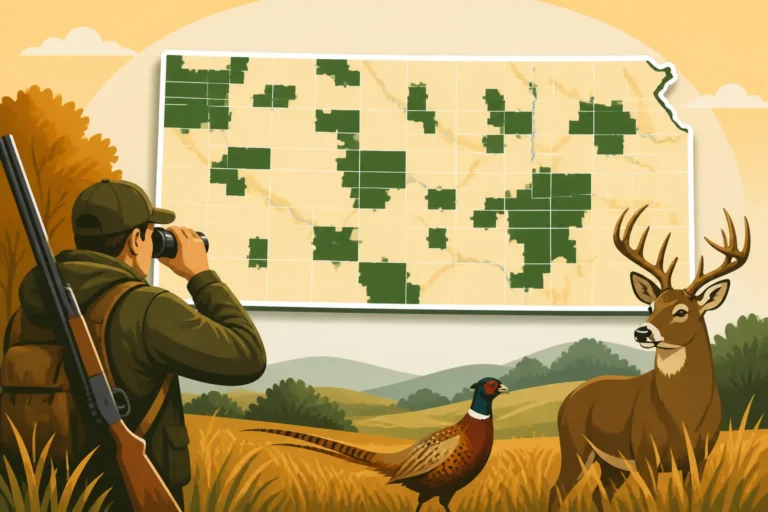
The sheer size of Milford Wildlife Area is impressive, covering thousands of acres managed by the Kansas Department of Wildlife and Parks (KDWP). What makes it truly special, however, is the intricate mix of environments within its boundaries. You'll find extensive timbered draws and creek bottoms that feed into Milford Lake, providing excellent cover and travel corridors for deer and turkeys. These wooded areas often transition into expansive tracts of native prairie and managed grasslands, perfect for upland birds like pheasants and quail. Then there are the cultivated agricultural fields, sometimes left standing, sometimes harvested, which offer critical food sources throughout the fall and winter. Along the lake itself, you'll discover numerous coves, shallow flats, and designated wetland pools that become magnets for migrating waterfowl. This patchwork quilt of habitats means that a diligent hunter can find opportunities for different species often within a relatively short distance, but it also means understanding where to focus your efforts for each particular game animal. Using a mapping application like onX Hunt can be incredibly beneficial here, allowing you to clearly see property boundaries, habitat types, and topographical features that might influence game movement.
Primary Game Species Opportunities
Milford Wildlife Area truly shines in the variety of game it supports. Whitetail deer are, without a doubt, a major draw, thriving in the timbered river bottoms, agricultural edges, and dense cover. Bucks grow to impressive sizes here, benefiting from the rich food sources. Beyond deer, wild turkeys—primarily Rio Grande subspecies with some Eastern influence—can be found throughout the timbered areas, especially around the lake's tributaries. The upland hunting scene is also robust, with pheasants favoring the grassy uplands and crop field margins, and bobwhite quail often found in coveys within plum thickets and brushy draws. Waterfowl hunting can be exceptional, with ducks and geese utilizing the lake, its numerous bays, and smaller managed wetlands. Don't overlook the small game either; rabbit and squirrel hunting can provide exciting action and a full freezer, especially in the timbered pockets. Milford is one of those places where you can genuinely plan a combination hunt, perhaps chasing pheasants in the morning and then slipping into a treestand for deer in the evening. Understanding the nuances of Kansas Deer Season Dates by Weapon, Kansas Spring Turkey Permits and Units, and Kansas Upland Bird and Waterfowl Seasons will be crucial for planning your trips.
| Game Species | Primary Habitat | Best Times to Hunt | Key Considerations |
|---|---|---|---|
| Whitetail Deer | Timbered draws, crop field edges, dense creek bottoms | Archery (Sept-Dec), Muzzleloader (Sept), Firearm (Dec) | Look for pinch points and transition zones between cover and food. |
| Wild Turkey | Riparian timber, mature woodlots, roosting trees near water | Spring (April-May) | Roosting birds the night before can be highly effective. |
| Ring-necked Pheasant | Native grass, CRP fields, milo/corn stubble, brushy cover | Fall (Nov-Jan) | Work windrows and field edges; dogs are a huge asset. |
| Bobwhite Quail | Plum thickets, brushy draws, hedgerows, tall grass | Fall (Nov-Jan) | Listen for covey calls, work dense cover thoroughly. |
| Waterfowl (Ducks/Geese) | Milford Lake, wetland pools, flooded timber, agricultural fields | Fall-Winter (Oct-Feb) | Scout actively for bird concentrations; wind direction is key. |
| Rabbit / Squirrel | Brushy areas, timbered edges, fallen logs, hedgerows | Year-round (check regs) | Great for young hunters; provide consistent action. |
Navigating Hunting Regulations at Milford
Hunting on public land like Milford Wildlife Area isn't just about knowing where the game is; it's equally about understanding and adhering to the specific rules and regulations. These rules are put in place not only to manage wildlife populations but also to ensure safety for all users of the area. Neglecting to familiarize yourself with these guidelines can quickly turn a hopeful hunting trip into a frustrating, or even legally problematic, experience. The KDWP regulations apply statewide, but many wildlife areas have additional local rules that are vital to know.
General State Regulations and Licensing
Before you even step foot into Milford Wildlife Area, you'll need to make sure your state hunting license and any necessary permits (like deer or turkey tags) are in order. Kansas requires all hunters to possess a valid hunting license, with specific permits for deer, turkey, elk, and antelope. If you're a nonresident, you'll want to pay close attention to the application periods for Kansas Deer Permits and the Nonresident Draw, as these are often limited. Additionally, hunter education requirements are in place for certain age groups, so if you're a younger hunter or bringing one along, be sure to check those specifics. Beyond licensing, general rules like legal hunting hours, hunter orange requirements during firearm seasons, and tagging procedures are all mandated by state law. It's a good practice to review the annual Kansas hunting regulations summary every year, as rules can occasionally change.
Area-Specific Rules and Restrictions
Milford Wildlife Area, being a major public hunting destination, has some particular rules that hunters need to be aware of. While many KDWP-managed lands operate under general guidelines, MWA may have specific restrictions on motor vehicle use, designated parking areas, or rules regarding temporary blinds and treestands. For instance, some areas might prohibit permanent stands or require portable stands to be removed daily, while others might allow them for longer periods but demand clear labeling. Camping regulations, if you plan to stay overnight, are also important to check. Always look for signage at entry points to the wildlife area, or consult the KDWP website's specific information page for Milford. These local nuances are critical; for example, some sections might be designated as refuges during certain times of the year, off-limits to hunting, or have special regulations for Kansas Walk-In Rules and Restrictions. Missing these details could lead to unnecessary fines or spoiling a hunt. This is another area where a tool like onX Hunt can be indispensable, often showing specific public land boundaries and sometimes even displaying certain restrictions or access points directly on the map. It's much easier to plan your approach when you can visualize these details.
Strategies for a Successful Milford Hunt
Success at Milford Wildlife Area often comes down to strategy and understanding how to apply general hunting principles to its unique terrain. With such diverse habitat and game populations, a one-size-fits-all approach simply won't cut it. Thinking critically about species-specific tactics and how to adapt them to public land pressure is key.
Deer Hunting Tactics on MWA
Milford's whitetail deer population is robust, but public land deer hunting always presents challenges, primarily in the form of hunter pressure. To consistently find success, you'll need to go beyond the obvious spots. Focus your scouting efforts on the timbered creek bottoms that flow into Milford Lake and the dense woodlots tucked away from easy road access. These areas often serve as bedding cover and travel corridors. Look for terrain features that naturally funnel deer movement, even in relatively flat farm country, such as changes in elevation, brushy fence lines, or the inside corners of crop fields. Best Stand Locations in Flat Farm Country will often apply here. During the rut, these funnels become even more critical as bucks are on the move. Don't be afraid to walk a little further than most to find undisturbed pockets of timber or CRP grass. Also, pay close attention to subtle signs like rubs and scrapes; they'll tell you where bucks are actively traveling. Early season, consider Early-Season Bowhunting Over Water if dry conditions prevail, as deer will often frequent ponds or creek access points. Later in the season, focus on standing crops or food plots if they exist on or adjacent to the public ground.
Upland Bird and Waterfowl Approaches
For upland birds, Milford Wildlife Area offers fantastic opportunities, especially for pheasants and quail. When targeting pheasants, concentrate your efforts on the extensive native grass and CRP fields, particularly those with good edge cover like plum thickets or brushy fence rows. Walking these fields strategically, especially with a good bird dog, can be incredibly productive. For Working Pheasant Fields Without a Dog, focus on blocking off field ends with hunting partners or systematically walking strips to push birds towards natural breaks. Quail, on the other hand, will often be found in denser, brushier cover; focus on plum thickets, brushy draws, and the overgrown edges of timber. For waterfowl, the vast expanse of Milford Lake and its associated wetlands are the main draw. Scouting is paramount here. Drive around the lake's access points at dawn or dusk, or even use tools like GoHunt to research harvest reports or historic patterns, to see where birds are roosting and feeding. Setting up decoys in shallow coves or pitching a blind along a secluded stretch of shoreline can be very effective. Be prepared for early mornings and potentially long walks to your chosen spot, as the best waterfowl hunting is often away from the crowds. Understanding Waterfowl Hunting Kansas Reservoirs and Playas can really help.
Planning and Preparation for Your Milford Adventure
A successful hunt at Milford Wildlife Area, like any public land, isn't just about what you do in the field; it begins long before with thorough planning and preparation. Being organized, understanding the terrain, and having the right tools can significantly increase your chances of success and make your experience more enjoyable.
Essential Gear and Tools
Beyond your weapon and ammunition, there are several key pieces of gear that will make hunting Milford Wildlife Area much more effective. Good quality optics, like binoculars or a spotting scope, are invaluable for scouting large open areas for deer or locating distant flocks of birds. Comfortable, durable footwear is a must, as you'll likely be covering a lot of ground over varied terrain. A reliable backpack with enough capacity for water, snacks, extra layers, and any game you might harvest is also crucial. For navigation, a GPS unit or a smartphone with a robust hunting app like onX Hunt is non-negotiable. These apps provide detailed maps showing property boundaries, topography, and often even different habitat types, helping you stay on public land and pinpoint promising hunting locations. They can also mark your vehicle, stand locations, and game trails, which is immensely helpful in unfamiliar territory. Don't forget species-specific gear, such as calls for turkeys or decoys for waterfowl. For mobile deer hunters, considering Mobile Hunting With a Saddle in Kansas could open up new possibilities on public land.
Scouting and Information Gathering
Effective scouting is arguably the most critical component of a successful hunt at Milford. This starts well before you ever set foot on the ground. Utilize online resources like the KDWP public land maps, satellite imagery (available through platforms like onX Hunt or Google Earth), and even historical weather data. Look for key features: where timber meets open fields, how creek draws wind through the landscape, potential bedding areas in dense cover, and accessible water sources. Identify natural funnels, pinch points, and areas that offer seclusion from other hunters.
Once you arrive, conduct on-the-ground scouting, ideally outside of hunting season or during off-peak times. Walk the areas you identified from aerial imagery, looking for fresh deer sign, turkey roosts, or upland bird dust bowls. Pay attention to Reading a Kansas Creek Bottom for Deer Sign or identifying ideal Cedar Thickets as Bedding Cover. Talk to local KDWP staff if possible; they often have invaluable insights into game populations and pressure patterns. Keep in mind that Milford is a popular area, so Hunting Pressure Patterns on Kansas Public Land can greatly influence animal movement. Learning to adapt your strategy based on where other hunters are (or aren't) is a skill that comes with experience, and often means being willing to walk a little further or hunt less conventional spots. Platforms like GoHunt can also offer research tools and community forums where hunters share insights, though always cross-reference information with official KDWP sources.
Disclaimer
This article is for general informational purposes only and does not constitute professional advice. Laws, prices and regulations vary by location and change over time. Consult a qualified professional for guidance on your specific situation.