Cheney Wildlife Area Acres
Finding quality public hunting land in Kansas, especially a vast and diverse area, can be genuinely challenging. Many hunters feel overwhelmed by the sheer size of places like Cheney Wildlife Area, not knowing where to start. This guide aims to clear up that confusion by providing a comprehensive breakdown of Cheney Wildlife Area's significant acreage, its unique habitats, and practical, on-the-ground strategies to help you plan your next successful hunt.
Understanding Cheney Wildlife Area's Scope and Opportunities
Cheney Wildlife Area is one of Kansas's truly significant public hunting gems, sprawling across an impressive landscape that offers a little bit of everything for the dedicated hunter. It’s not just a patch of woods or a few fields; it’s an entire ecosystem that revolves around the immense Cheney Reservoir, a dominant feature in the south-central part of the state. When you consider planning a hunt here, the sheer acreage can feel intimidating, but understanding its geographical footprint and the diverse opportunities it provides is your first step towards success.
Geographical Footprint and Key Features
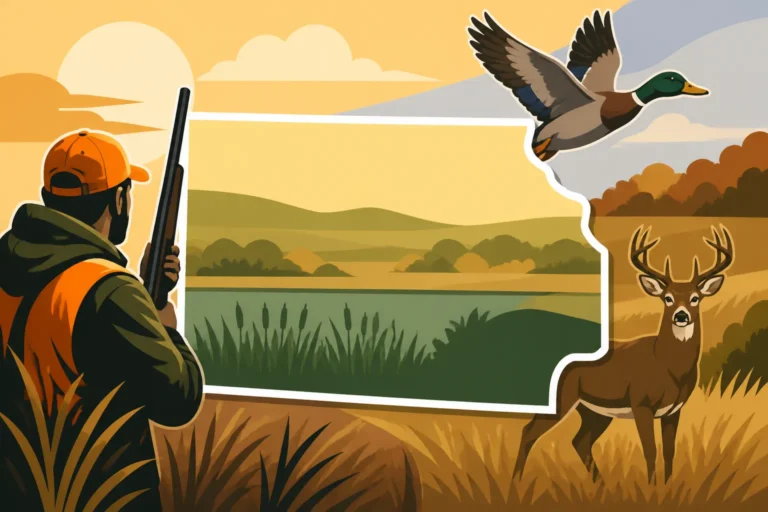
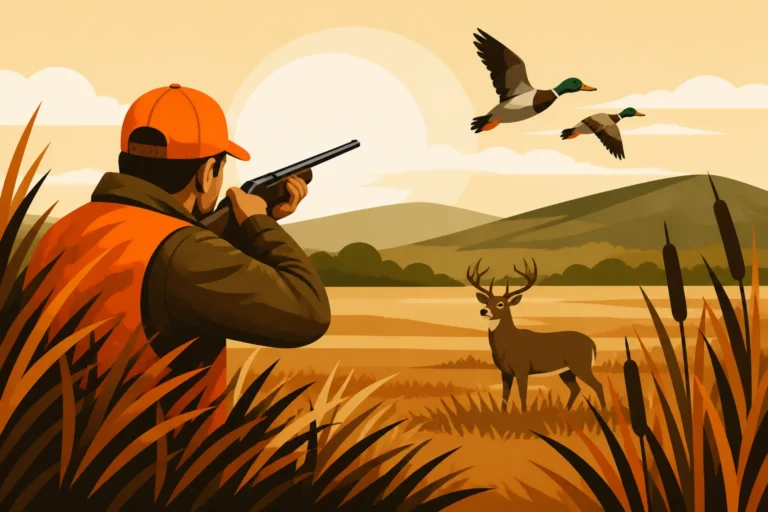
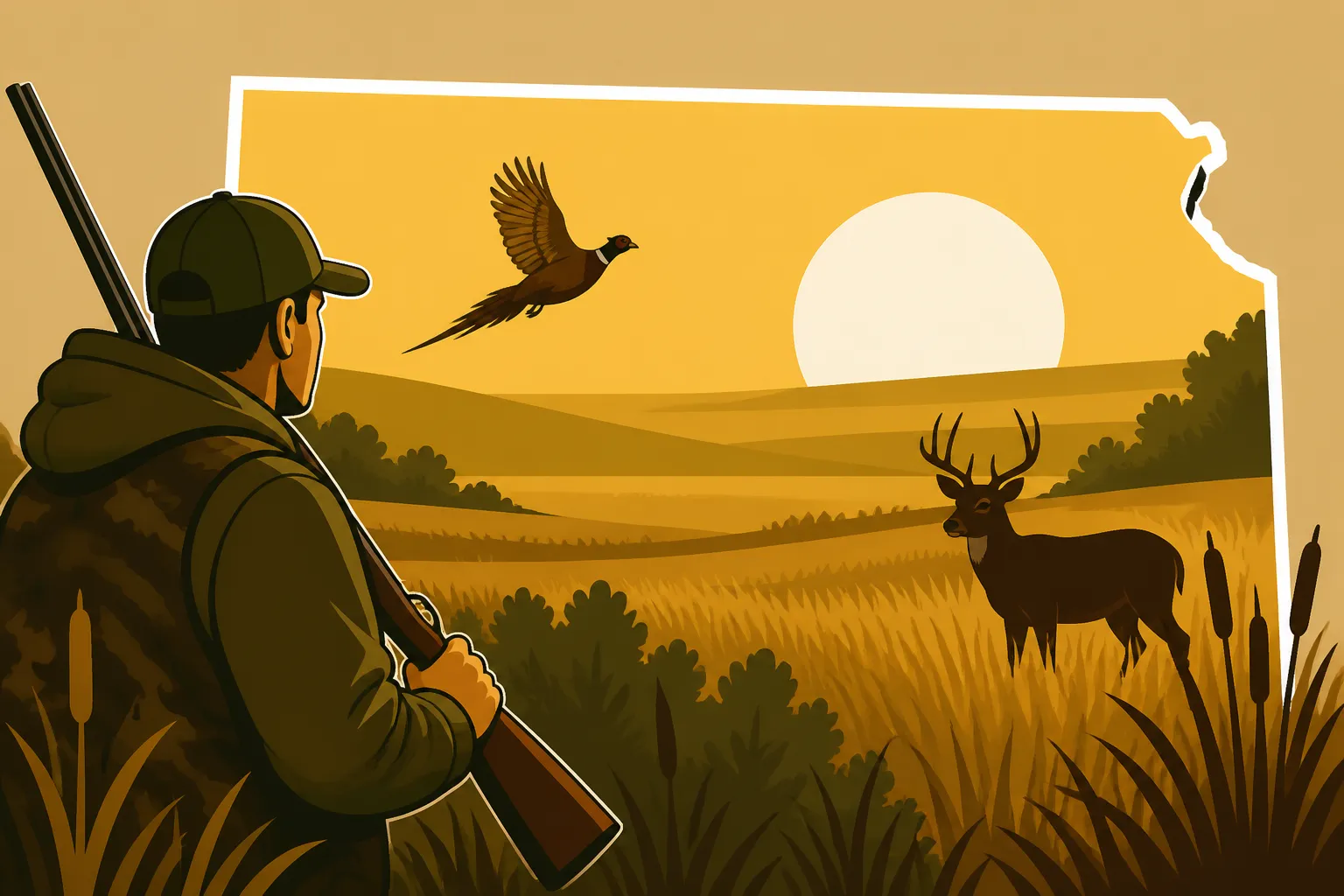
The wildlife area encompasses thousands upon thousands of acres, both surrounding the reservoir and extending into the nearby uplands. This isn't just a simple shoreline; it includes extensive tracts of land managed specifically for wildlife habitat. Think about the variety: you’ll find dense timber in the creek bottoms, broad expanses of native grasslands and managed fields like CRP (Conservation Reserve Program), and crucial agricultural ground bordering the public access points. Then, of course, there are the wetlands and shallow water impoundments intentionally created to attract waterfowl. This complex mosaic of habitats means that a "Cheney hunt" can look drastically different depending on which part of the area you choose to explore. The reservoir itself, with its vast open water, draws in migratory birds, while the surrounding terrestrial habitats provide cover and forage for deer and upland game. It’s a place where the landscape changes frequently, demanding adaptability from hunters.
For instance, driving along the roads that traverse the area, you might pass a seemingly endless field of cut milo, perfect for pheasants, only to turn a corner and find a thick riparian timber stand along a creek arm, holding deer. Further on, shallow ponds bordered by cattails could be bustling with ducks. This isn't static land; the management efforts by the Kansas Department of Wildlife, Parks and Tourism (KDWP) mean that fields are rotated, prescribed burns might occur, and water levels in impoundments are adjusted, all creating a dynamic environment that benefits a wide array of game. The key is to see this vastness not as a problem, but as a rich tapestry of possibilities.
Hunting Opportunities Across Different Game Species
The diversity of Cheney Wildlife Area's habitat directly translates into a wide range of hunting opportunities, making it a true multi-species destination for many Kansas hunters. The primary draw for many is undoubtedly whitetail deer. The extensive timber in creek bottoms, the dense pockets of cover within grasslands, and the abundant food sources from surrounding agricultural fields all contribute to Why Kansas Grows Trophy Whitetails. Bucks here have the potential to grow impressive racks, though the hunting pressure that comes with popular public land means they're often wary and require strategic approaches. You'll find yourself needing to master everything from still-hunting timber to setting up along field edges.
Waterfowl hunting, particularly for ducks and geese, is another huge draw thanks to the massive reservoir and the dedicated wetland units. During the migration, the skies can be alive with birds. Hunters here spend countless hours constructing blinds, deploying decoy spreads, and perfecting their calling to bring birds into range. It’s a challenging but incredibly rewarding pursuit, offering fast-paced action on crisp fall mornings. Beyond deer and waterfowl, Cheney Wildlife Area also provides excellent prospects for upland birds like pheasants and bobwhite quail. The mix of tall grasses, brushy draws, and crop field edges creates ideal habitat, and working these areas, especially with a good bird dog, can lead to exhilarating flushes. Hunters also pursue small game like squirrels and rabbits in the timbered areas, and coyotes are plentiful, offering year-round hunting opportunities. It's rare to find such a robust blend of popular game species all within one public land boundary, making Cheney a versatile choice for any hunter.
Navigating Regulations and Access at Cheney
Public land hunting, while a fantastic resource, always comes with its own set of rules and access considerations. Cheney Wildlife Area is no exception, and understanding these specifics is paramount for a legal, safe, and ultimately successful hunt. It’s not enough to just know what game you want to pursue; you need to know how, when, and where you’re allowed to do it. Ignoring these details can quickly turn a hopeful day afield into a frustrating encounter, or worse.
Understanding Special Unit Regulations
Like most KDWP-managed properties, Cheney Wildlife Area operates under general statewide hunting regulations, but also has its own set of specific rules designed to manage hunter impact and protect wildlife. For instance, while hunter orange is a statewide requirement during firearm seasons, specific zones within Cheney might have additional restrictions or guidelines. Waterfowl hunters, as is standard practice on many public wetlands, are typically required to use non-toxic shot, which is a critical detail to remember before heading out. There can also be designated refuge areas where hunting is prohibited, or specific times when certain sections are open or closed to particular activities. Sometimes, you might even encounter controlled hunts for specific species, requiring a separate application process and drawing.
The best way to stay informed is to consult the most current Kansas hunting regulations summary, available from the KDWP. Pay close attention to the section on public lands and specifically look for any special regulations pertaining to Cheney Wildlife Area. These rules are usually clearly outlined and updated annually, often before the hunting seasons begin. Trust me, spending a few minutes reading through the fine print can save you a lot of headaches later on. Knowing, for example, that certain roads are seasonally closed or that ATV use is restricted to designated trails can make all the difference in your planning and ensure you're always hunting legally and ethically. Keeping an eye on the Kansas Regulation Summary Release Date is a good habit.
Vehicle and Foot Access Considerations
Given Cheney Wildlife Area's expansive nature, understanding how to access different parts of it is crucial. The area boasts numerous designated parking areas, clearly marked and often equipped with informational kiosks. These are your primary entry points. However, many of the most productive hunting spots are not directly accessible by vehicle, requiring significant walk-in efforts. This is where a detailed mapping application becomes an indispensable tool. Tools like onX Hunt are incredibly valuable here, allowing you to clearly see public land boundaries, track your movements, and identify potential access routes that minimize disturbance to game. You can pinpoint trail systems, old farm roads, or even just open grass fields that offer a path to more remote cover.
Consider the challenge of getting deep into some of the timbered creek bottoms or reaching secluded impoundments. You might be looking at a mile or more of hiking, often through tall grass or uneven terrain. This demands careful consideration of your gear, your physical fitness, and your exit strategy, especially when contemplating retrieving a downed animal. Deer Carts on Walk-In Ground can be a lifesaver in these situations. Furthermore, keep in mind that vehicle access can vary throughout the year; some roads that are open in the early season might be closed later due to weather conditions or specific management objectives. Always double-check current access information before heading out, especially if you plan to hunt more remote sections. This proactive approach ensures you maximize your hunting time and minimize surprises on the ground.
Strategies for Successful Hunting at Cheney Wildlife Area
Hunting at a place like Cheney Wildlife Area isn't just about showing up; it's about preparation, adaptation, and smart tactics. The sheer size and diversity mean that a "one-size-fits-all" approach simply won't cut it. You've got to put in the legwork, both before you leave home and once you're on the ground, to truly leverage what this amazing public resource has to offer.
Scouting and E-Scouting Best Practices
Effective scouting is the backbone of any successful hunt on public land, and at Cheney, it’s absolutely non-negotiable. Before you even set foot on the ground, use tools like onX Hunt or GoHunt to "e-scout" the area. Pull up satellite imagery and topographic maps to identify key features: river oxbows, creek crossings, timber points, and inside corners of crop fields. Look for changes in vegetation, potential funnels, and areas of dense cover that could serve as bedding areas. This initial digital reconnaissance helps you narrow down vast tracts into manageable sections for physical scouting. You might spend hours virtually walking the property, dropping pins on promising locations, before ever leaving your couch. Reading Aerial Imagery for Bedding Cover can help you spot hidden sanctuaries.
Once you’ve identified a few promising spots, it’s time for boots-on-the-ground scouting, ideally outside of hunting season to minimize disturbance. Walk the property, looking for actual deer sign—rubs, scrapes, trails, and droppings. Observe how deer are using the terrain. Where are they crossing fences? Are there natural funnels that force movement through specific corridors? For waterfowl, identify where birds are loafing or feeding, paying attention to wind direction and potential blind locations. For upland birds, focus on finding plum thickets or tall grass adjacent to food sources. This physical scouting confirms your e-scouting suspicions and gives you a real feel for the terrain, allowing you to fine-tune your approach. Remember, the more you know about the ground, the less you'll be left guessing when the season opens.
Adapting Tactics to Cheney's Unique Habitat
The varied habitats at Cheney Wildlife Area demand a flexible hunting approach. If you’re chasing whitetails, you might find yourself focusing on Hunting Inside Corners of Crop Fields or exploring the dense timber along the North Fork of the Ninnescah River. During the rut, rattling and grunting can be effective in areas of good timber and brush, while later in the season, focusing on Late-Season Food Source Hunting in standing corn or milo stubble can pay off. Deer here are often pressured, so consider more mobile tactics, like saddle hunting, or setting up ground blinds well in advance to allow deer to get used to them.
For waterfowl hunters, the strategy shifts dramatically. Success hinges on precise decoy placement, understanding Reading a Kansas Wind for Waterfowl, and meticulous blind concealment. You might be hunting from a shoreline blind on the reservoir, wading into a shallow impoundment, or even field hunting geese in cut stubble. Non-toxic shot is a must, and a good spread of decoys, coupled with effective calling, is key. Upland bird hunters, conversely, will be putting in miles walking fields. For pheasants, working long grass strips or the edges of dense cover can be productive, while for quail, focusing on brushy draws and Plum Thickets That Hold Quail is often the ticket. Regardless of your quarry, always consider the wind, the time of day, and the potential for other hunters on public land. Adapting your tactics to the specific micro-habitats within Cheney, and being prepared to change your plan based on what the day brings, is what separates a successful hunt from just a walk in the woods.
| Game Species | Primary Habitat at Cheney WA | Hunting Considerations |
|---|---|---|
| Whitetail Deer | Timbered river bottoms, crop field edges, dense uplands | Patterning movement between bedding and feeding, stand placement in funnels, mobile setups, understanding Hunting Pressure Patterns on Kansas Public Land |
| Waterfowl | Cheney Reservoir, associated wetlands, impoundments | Decoy spreads, blind concealment, wind direction, non-toxic shot required, Decoying Ducks on a Kansas Reservoir |
| Pheasant | Tall grass, milo stubble, CRP fields, shelterbelts | Working edges, understanding pheasant flushing behavior, dog optional, Working Pheasant Fields Without a Dog |
| Quail | Plum thickets, brushy draws, transition zones | Locating coveys, hunting after a good rainfall year, dog highly recommended, understanding Quail Coveys in Plum Thickets |
| Small Game | Timber, brushy areas, field edges | Stealth, understanding small game habits, close-range shooting, quieter access routes |
| Coyote | Open fields, timber edges, brushy draws | Calling in open country, understanding wind, year-round opportunity, Coyote Calling in Open Kansas Country |
Preparing for Your Hunt: Essential Gear and Safety
A successful hunt at Cheney Wildlife Area isn't just about finding the game; it’s also about being properly equipped and prioritizing safety. Because of the sheer size and varied terrain, you can easily find yourself a long way from your vehicle or any immediate assistance. Overlooking crucial gear or ignoring safety protocols can quickly turn an exciting adventure into a dangerous predicament. Thinking through these elements beforehand is part of responsible hunting on any public land, especially one as vast and dynamic as Cheney.
Gear for Varied Conditions and Terrain
The gear you pack for Cheney Wildlife Area will depend heavily on what you're hunting and when you're going, but a few staples are universal. Regardless of the season, comfortable, broken-in hunting boots are non-negotiable. You’ll be doing a lot of walking, potentially through tall, dew-soaked grass or muddy creek bottoms. Layered clothing is also key, as Kansas weather can change on a dime, especially during fall. A cool morning can quickly turn into a warm afternoon, and vice-versa. Having waterproof outer layers is always a smart move, whether it's for an unexpected shower or just pushing through wet vegetation. Don't forget bug repellent, particularly in the early season when ticks and chiggers are abundant.
Beyond clothing, a quality backpack to carry essentials is critical. Think about a good first-aid kit, plenty of water, high-energy snacks, a knife, a headlamp, and a fully charged cell phone. Your cell phone, paired with a reliable mapping app like onX Hunt, will be your best friend for navigation, especially if you venture deep into the walk-in areas. A portable charger can extend its life significantly. For deer hunters, this might mean a pack big enough to carry climbing sticks or a tree saddle for Mobile Hunting With a Saddle in Kansas. For waterfowl hunters, extra shells, calls, and perhaps waders are essential. And for upland bird hunters, vests with game pouches and sturdy brush pants are indispensable. The bottom line is to pack smart, thinking about all contingencies.
Safety Protocols and Environmental Awareness
Hunting safety should always be your top priority, and on public land with potentially other hunters present, it becomes even more critical. Always follow the cardinal rules of firearm safety: treat every gun as loaded, never point your muzzle at anything you don't intend to shoot, keep your finger off the trigger until ready to fire, and be sure of your target and what's beyond it. During firearm seasons, Kansas Hunter Orange Requirements are in effect, so make sure you're highly visible. Even outside of firearm seasons, wearing some blaze orange is a good idea to signal your presence to other users of the wildlife area, whether they are hikers, bird watchers, or other hunters.
It’s also crucial to leave a detailed trip plan with someone not joining your hunt. Let them know where you’re going, when you expect to return, and who you’re with. With the vastness of Cheney Wildlife Area, getting lost or injured can be a serious issue. Be aware of your surroundings, listen for sounds of other hunters, and if you're hunting with a partner, communicate frequently. Be mindful of property lines, even on public land, which you can easily identify with tools like onX Hunt. Beyond hunter safety, practice good outdoor ethics: pack out everything you pack in, leave no trace, and respect the wildlife and other users of the area. This ensures that Cheney Wildlife Area remains a pristine and productive hunting ground for everyone for years to come.
Disclaimer
This article is for general informational purposes only and does not constitute professional advice. Laws, prices and regulations vary by location and change over time. Consult a qualified professional for guidance on your specific situation.