Norton Wildlife Area Access
Navigating public hunting ground can sometimes feel like trying to decipher a secret code, especially when you're looking at a specific wildlife area for the first time. The Norton Wildlife Area in northwest Kansas is a prime example; it offers fantastic hunting opportunities, but understanding its unique landscape, rules, and best access points is crucial for a successful and enjoyable trip. This comprehensive guide will walk you through everything you need to know to hunt the Norton Wildlife Area confidently and effectively.
Understanding Norton Wildlife Area's Lay of the Land
The Norton Wildlife Area is a real jewel in the crown of public hunting opportunities in the northwestern part of the state. It’s managed by the Kansas Department of Wildlife and Parks (KDWP) and is intrinsically tied to the Keith Sebelius Lake, often just called Norton Reservoir. This connection to the lake is what really shapes the habitat and, consequently, the hunting experiences available here.
Geographic Location and Key Features
Situated in Norton County, the Wildlife Area sprawls around the shores of Keith Sebelius Lake. When you picture northwest Kansas, you might immediately think of vast, open plains, and while that's certainly part of the regional character, Norton WMA offers a much more diverse ecosystem. The landscape here is a fascinating mix, primarily defined by the reservoir itself. You'll find significant stands of timber, particularly in the drainages and along the old river channels that feed into the lake. These timbered areas often consist of cottonwood, elm, and other deciduous trees, providing crucial cover and food for deer.
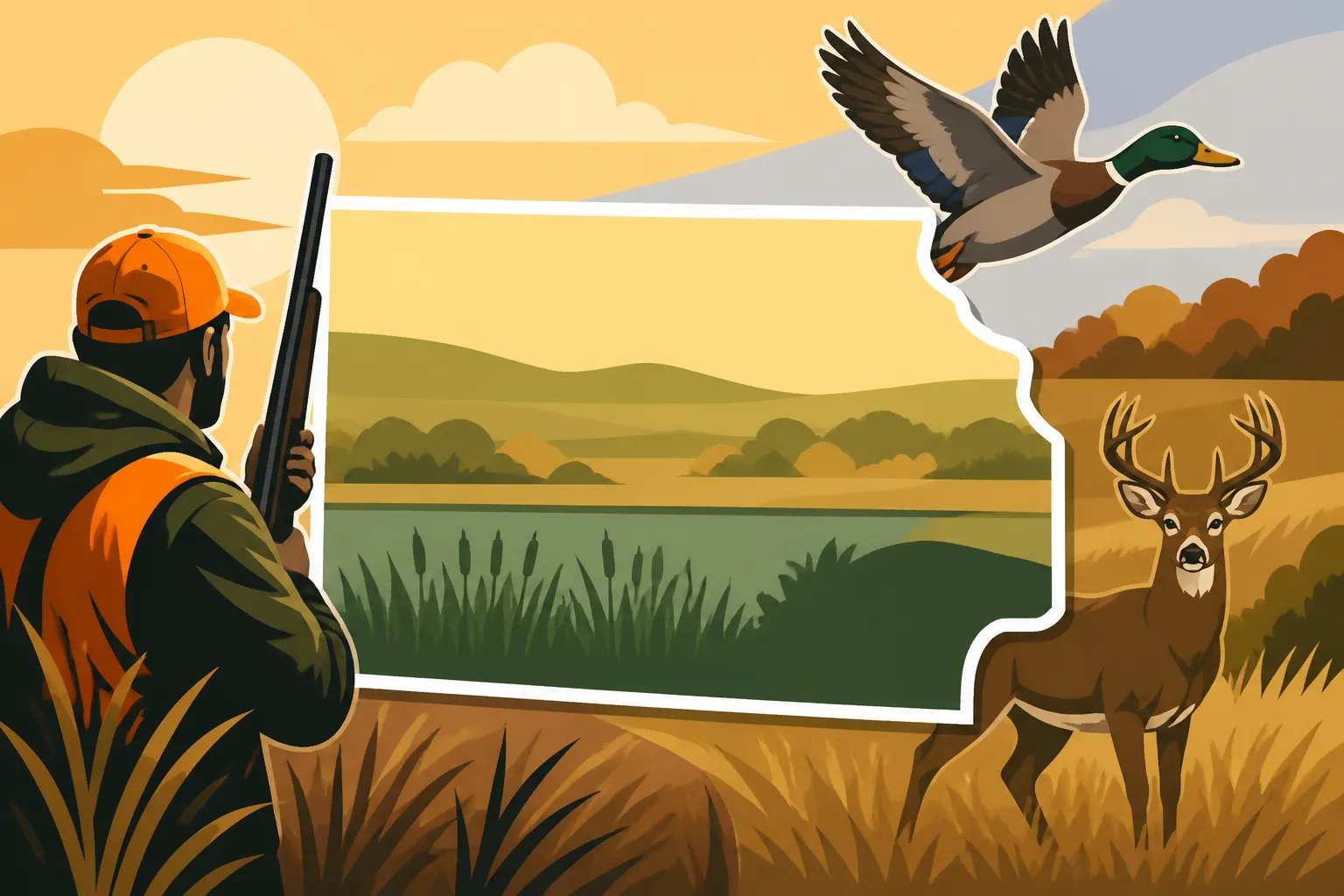
Beyond the timber, there are expansive native grass prairies, often interspersed with food plots managed by KDWP. These managed plots, along with agricultural fields bordering the public land, create a mosaic of habitat that is incredibly attractive to wildlife. The shoreline itself, with its fluctuating water levels, also creates unique opportunities, especially for waterfowl. This variety in habitat types means that hunters pursuing different species can often find what they're looking for within the same general area, making Norton WMA a versatile destination.
Primary Game Species Available
Norton Wildlife Area is a diverse ecosystem that supports a healthy population of several game species, offering something for almost every hunter. Most notably, it's a fantastic spot for whitetail deer. The combination of dense timber, thick CRP-like grasses, and adjacent agricultural fields provides ideal bedding cover, security, and consistent food sources, allowing bucks to grow to impressive sizes. You'll find deer utilizing the creek bottoms, the edges of crop fields, and the thicker pockets of timber near the water.
Upland bird hunters also find success here, particularly with pheasants and quail. The managed food plots, native grass stands, and plum thickets offer excellent habitat for these birds. Working the edges where these habitat types meet is often the most productive strategy. Then there's the waterfowl hunting, which can be exceptional thanks to Keith Sebelius Lake. Ducks and geese use the reservoir as a stopover on their migration, and hunters can find opportunities along the shoreline, in flooded timber, or in nearby field blinds depending on the season and water levels. Don't overlook the potential for turkey hunting in the spring, especially in the timbered areas where they roost.
Designated Access Points and Parking
Accessing a large wildlife area like Norton WMA can sometimes be a puzzle, but KDWP has done a good job of designating specific access points and parking areas to make it easier for hunters. These access points are usually clearly marked with KDWP signage, often indicating "Public Hunting" or "Wildlife Area." You'll typically find gravel or dirt parking lots strategically placed along county roads that border the property. These lots are designed to get you off the main thoroughfare and provide a safe place to leave your vehicle while you head into the field.
It's really important to respect these designated areas. Parking off-road in undesignated spots can lead to vehicle damage, block farm access, or even result in fines. When you're planning your trip, take some time to look at an aerial map. Tools like onX Hunt are invaluable here; they clearly show property lines, public land boundaries, and often mark specific access points or parking areas. This can save you a lot of frustration driving around looking for a place to start your hunt. Make sure to check the KDWP website for any specific seasonal closures or changes to access, as these can occur.
Navigating Regulations and Restrictions at Norton WMA
Hunting any public land in Kansas comes with a set of rules, and wildlife areas like Norton WMA often have additional layers of specific regulations designed to manage hunter impact and protect the resource. It’s crucial to understand these rules not just to stay legal, but to ensure everyone has a safe and enjoyable experience.
General Public Land Rules in Kansas
When you step onto any piece of public hunting land in Kansas, including Norton WMA, you're immediately under the umbrella of general KDWP regulations. This includes the most fundamental stuff: you need a valid hunting license and the correct permits for the species you're pursuing. If you're hunting deer, you'll need your Kansas Deer Permits and the Nonresident Draw, or resident equivalent. For upland birds, make sure you're aware of the Kansas Upland Bird Season Dates and Limits.
Beyond licenses, there are rules about hunter orange during firearm seasons, legal shooting hours (typically 30 minutes before sunrise to 30 minutes after sunset), and prohibitions on baiting. You also can't leave trash behind – the "pack it in, pack it out" principle is vital for maintaining the quality of our public lands. Remember, every hunter is an ambassador for our sport, and leaving a clean camp or stand site is a basic courtesy. Be sure to consult the most current Kansas hunting regulations summary before your trip, as rules can sometimes change from year to year.
Specific Norton WMA Regulations
While the general rules apply, Norton Wildlife Area often has specific regulations that hunters need to be aware of. These can range from restrictions on vehicle use, like designated routes or seasonal closures of certain roads, to rules about constructing or leaving blinds. For instance, some wildlife areas have limits on how long portable stands or blinds can be left up, or they might require them to be clearly marked with your KDWP number. It’s not uncommon for areas around boat ramps or recreational zones to have specific firearm discharge restrictions for safety.
Camping might be restricted to designated campgrounds or prohibited entirely within the hunting portions of the WMA. For waterfowl hunters, there might be specific rules about boat access, decoy spreads, or even designated refuge areas where hunting is not permitted. These specific rules are usually posted at primary access points or detailed in the KDWP hunting atlas. Using a mapping application like onX Hunt can often provide insights into boundary lines, refuge areas, and potential access restrictions, helping you plan effectively. Always look for signage when you arrive at the WMA; it’s your most up-to-date source for local rules.
Permits and Licenses Required
Before you even think about setting foot in Norton Wildlife Area with a weapon, you absolutely must ensure your licensing is in order. For residents, this typically means a valid Kansas hunting license. Nonresidents will also need a nonresident hunting license, in addition to any species-specific permits. For deer, nonresidents must successfully navigate the draw process for a whitetail permit, and sometimes a mule deer stamp if hunting in specific units and lucky enough to draw. Always check the Kansas Hunter Education and Licensing Basics to make sure you're compliant.
If you're after upland birds like pheasant or quail, your hunting license is usually sufficient, but again, confirm this with the current regulations. Waterfowl hunting requires additional stamps: a Kansas state waterfowl stamp and a federal duck stamp, along with being HIP (Harvest Information Program) registered. Don't forget, if you're pursuing any type of furbearer, a furharvester license would be necessary. Double-check all these requirements well in advance of your hunt. There's nothing worse than driving all the way to a prime spot only to realize you're missing a critical piece of paperwork.
Maximizing Your Hunt at Norton Wildlife Area
Hunting at Norton Wildlife Area, like any public ground, requires a blend of preparation, strategic thinking, and adaptability. It's not just about showing up; it's about understanding the nuances of the terrain and the behavior of the game animals within it.
Pre-Season Scouting and E-Scouting
Preparation for a successful hunt at Norton WMA often begins long before you ever set foot on the property. This is where pre-season scouting, both from your home and in the field, becomes invaluable. E-scouting, using online tools, is an excellent place to start. Fire up onX Hunt or a similar mapping app and spend time examining aerial imagery of the wildlife area. Look for key features like pinch points in timber, natural funnels created by terrain, edges where different habitat types meet (like timber lines next to CRP fields), and potential bedding areas. Focus on areas away from easy road access, as these often hold less pressured animals. You might find a good creek crossing or a unique point of timber that acts as a natural travel corridor, helping you identify Best Stand Locations in Flat Farm Country.
Once you have some potential spots identified, a physical scouting trip can confirm your suspicions and reveal fresh sign. Look for deer tracks, rubs, scrapes, and turkey roost trees. Pay attention to how deer might be moving from bedding to feeding areas, especially considering the proximity to agricultural fields. Early season scouting allows you to assess food sources, identify natural barriers, and get a feel for potential hunting pressure. Remember, hunting pressure can drastically alter animal movement, so consider weekdays over weekends if possible.
Strategic Hunting Approaches for Different Game
The diverse habitat at Norton WMA allows for a variety of hunting strategies depending on your target species. For whitetail deer, focus on those transition areas. Setting up on the edge of a timber block overlooking a food plot or agricultural field can be highly effective, especially during the morning and evening hours. During the rut, cruising bucks will often utilize the timbered creek bottoms and draws, making those areas prime for all-day sits. Consider how deer use Terrain Funnels That Work Without Hills in the relatively flat Kansas landscape.
Upland bird hunting for pheasant and quail often involves walking productive cover. Work those edges where the dense grass meets crop fields or the plum thickets. Focus on areas with good cover density, as birds will hold tight. Don't be afraid to walk deep into the grass, as many hunters stick to the easy edges. For waterfowl, understanding prevailing winds and current water levels on Keith Sebelius Lake is paramount. Scouting for feeding areas in nearby fields or observing flight patterns can lead to success. Hunters often use layout blinds in cut fields or set up in natural cover along the lake's edges, paying close attention to Reading a Kansas Wind for Waterfowl.
Utilizing Technology for Navigation and Compliance
In today's hunting world, technology isn't just a convenience; it's an essential tool, especially on public land like Norton WMA. Mobile apps like onX Hunt are game-changers for navigation and ensuring compliance. With it, you can instantly see public and private land boundaries, which is critical for staying legal and avoiding trespass. You can mark your stand locations, track your walking routes, and drop pins on fresh deer sign, making it easier to return to productive spots. It also often shows topographic lines, aiding in identifying subtle elevation changes that can create funnels or thermal advantages.
Beyond basic mapping, other platforms like GoHunt can offer valuable insights into hunting regulations, draw odds for different units (though less relevant for general WMA access, it's vital for permits), and even harvest data trends that might indirectly inform your strategy for a particular area. When hunting on public ground that might border private properties, knowing exactly where you are at all times using GPS on your phone is non-negotiable. Always download offline maps before you head out, as cell service can be spotty in remote areas of Kansas. This ensures you always have your map and GPS functionality, even without a signal.
Preparing for Your Trip: Logistics and Considerations
A successful and enjoyable hunting trip to Norton Wildlife Area isn't just about knowing where to hunt or what to hunt, but also about the practicalities of getting there and being prepared for whatever Mother Nature throws your way.
Essential Gear and Equipment
Packing the right gear is paramount for any hunting trip, and Norton WMA is no exception. Beyond your weapon, ammunition, and required licenses, think about the specific conditions you might encounter. For early season archery hunts, lightweight, breathable clothing is key, and don't forget your tick and chigger repellent; Kansas summers and early falls are notorious for them. As the weather cools into late fall and early winter for firearm seasons, layering is crucial. A good quality waterproof and windproof outer shell is a must, along with insulated boots and hand warmers for those long, cold sits. Remember, staying warm and dry directly impacts your focus and endurance. You can get some ideas for what to wear from articles like Cold Weather Stand Clothing.
Navigation tools are also critical. While your phone with onX Hunt is great, a traditional compass and paper map are excellent backups in case of battery failure. A good headlamp with extra batteries is non-negotiable for walking in before dawn or out after dark. Carry a first-aid kit, a sharp knife, game bags if you plan to quarter a deer in the field, and plenty of water and snacks. If you're planning on a mobile hunt, consider Mobile Hunting With a Saddle in Kansas for lightweight setup. Don't forget a rope or game cart for deer recovery; dragging a deer out of a creek bottom alone is a brutal task.
Nearby Amenities and Services
While Norton WMA offers a sense of wild solitude, it's reassuring to know that amenities aren't too far away. The city of Norton, which lends its name to the area, is typically your closest hub for gas, groceries, and lodging. You'll find a few motels, local restaurants, and convenience stores there. It’s always a good idea to fuel up your vehicle and stock up on supplies before you head out to the wildlife area, especially if you plan to hunt far from town. This saves precious hunting time and ensures you have what you need.
Depending on which side of the lake you are hunting, other small towns like Almena might offer limited services as well. If you harvest a deer, investigate local locker plants or deer processors in Norton well in advance. During firearm season, these can get extremely busy, and knowing their hours and processing capabilities beforehand can save you a lot of hassle and ensure your meat is handled properly, especially if you need to quickly get it Getting a Deer Cooled in September. Having a plan for these logistics can make a big difference in the overall enjoyment of your trip.
Respecting the Resource and Other Users
Hunting on public land is a privilege, not a right, and it comes with a responsibility to respect the resource and fellow outdoor enthusiasts. This means practicing ethical hunting behavior: taking clean shots, tracking diligently, and abiding by all regulations. It also means being considerate of other users you might encounter, whether they are other hunters, hikers, or birdwatchers. Maintaining a low profile, keeping noise levels down, and giving others ample space are all part of good public land etiquette. Remember, you might be the first person another non-hunter interacts with; your actions reflect on all of us.
Leaving no trace is perhaps the most fundamental aspect of respecting the resource. This means packing out everything you pack in, including spent shell casings, food wrappers, and anything else you brought with you. Avoid damaging trees, creating new trails, or otherwise altering the natural environment. If you're utilizing portable stands or blinds, make sure they adhere to regulations regarding marking and removal. The goal is to leave the Norton Wildlife Area in the same, or even better, condition than you found it, ensuring that this fantastic hunting opportunity remains viable for generations to come.
| Aspect | Key Considerations at Norton WMA | Why It Matters |
|---|---|---|
| Habitat Diversity | Mix of timber, native grass, croplands, and lake shoreline. | Supports diverse game (deer, pheasant, quail, waterfowl), offering varied hunts. |
| Access & Parking | Designated gravel/dirt lots along county roads; use mapping apps to find them. | Prevents trespass, ensures safe vehicle storage, and guides entry points. |
| Specific Regulations | May have unique rules on vehicle use, blind placement, camping, or restricted zones (refuges). | Ensures compliance, safety for all users, and protects sensitive areas. |
| E-Scouting | Utilize tools like onX Hunt to identify funnels, bedding, food sources, and access points. | Saves time, increases efficiency, and helps pinpoint productive hunting spots. |
| Hunting Pressure | Can be high, especially on weekends and near easy access; seek out harder-to-reach areas. | Affects animal movement patterns; understanding it helps strategy and success. |
| Seasonality | Different seasons offer unique opportunities (rut for deer, migration for waterfowl, fall for upland). | Dictates what species are available and what tactics are most effective. |
Disclaimer
This article is for general informational purposes only and does not constitute professional advice. Laws, prices and regulations vary by location and change over time. Consult a qualified professional for guidance on your specific situation.