Kansas Deer Unit Boundaries
Figuring out the exact boundaries of Kansas deer units can feel like trying to read a treasure map drawn by someone who moved the X's after the fact. It's not always as straightforward as "just follow the county line," and that confusion can lead to real anxiety, especially for non-residents or new hunters trying to make sense of the permit draw. This guide is here to untangle the mystery of Kansas deer management units, helping you understand where they are, why they matter, and how to use that knowledge to plan a successful hunt.
Understanding the Kansas Deer Management Unit System
Kansas is a powerhouse for whitetail deer, and to manage this incredible resource effectively, the state divides itself into distinct deer management units. These aren't just arbitrary lines on a map; they're carefully designed zones that help Kansas wildlife biologists track deer populations, monitor harvest rates, and implement regulations that make sense for the unique habitats and deer densities found across the state. Without these units, managing such a diverse deer herd, from the timbered river bottoms of the east to the wide-open plains of the west, would be nearly impossible.
Why Kansas Uses Deer Management Units
The primary goal behind establishing deer management units is balance. Biologists need to ensure a healthy deer population, maintain suitable habitat, and provide ample hunting opportunities, all while minimizing conflicts with agricultural interests and landowners. In areas with high deer densities, more antlerless permits might be issued to help control the population and reduce crop damage. Conversely, in areas where deer numbers are lower or stable, regulations might be more conservative. This unit-based approach allows for targeted management strategies, ensuring that hunting seasons and permit allocations are tailored to the specific conditions within each region. It's about maintaining that delicate equilibrium between robust deer herds and sustainable hunting for future generations.
It's easy to get frustrated when trying to understand all the different rules and boundaries, especially if you're used to hunting states with simpler, statewide regulations. But once you grasp the underlying reasons, it makes a lot more sense. Think of it as a way to ensure that the quality of hunting you experience in one part of the state isn't negatively impacted by vastly different conditions or pressures elsewhere. This localized control is crucial for protecting the trophy potential and overall health of Kansas's deer.
The General Structure of Kansas Deer Units
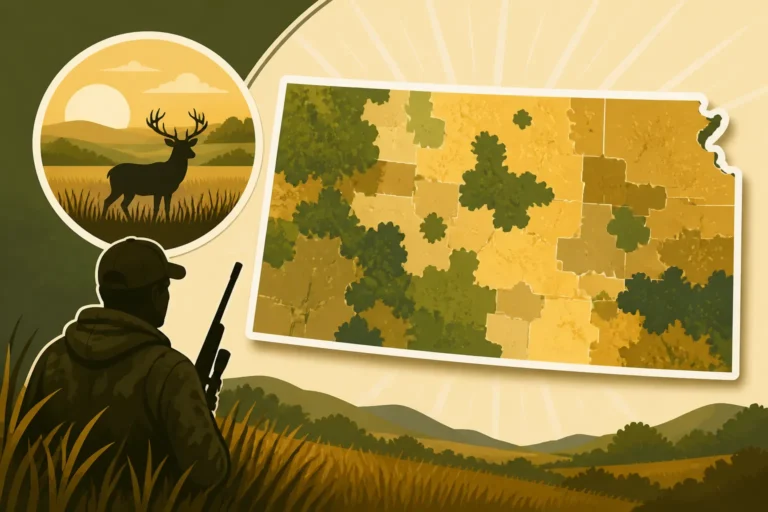
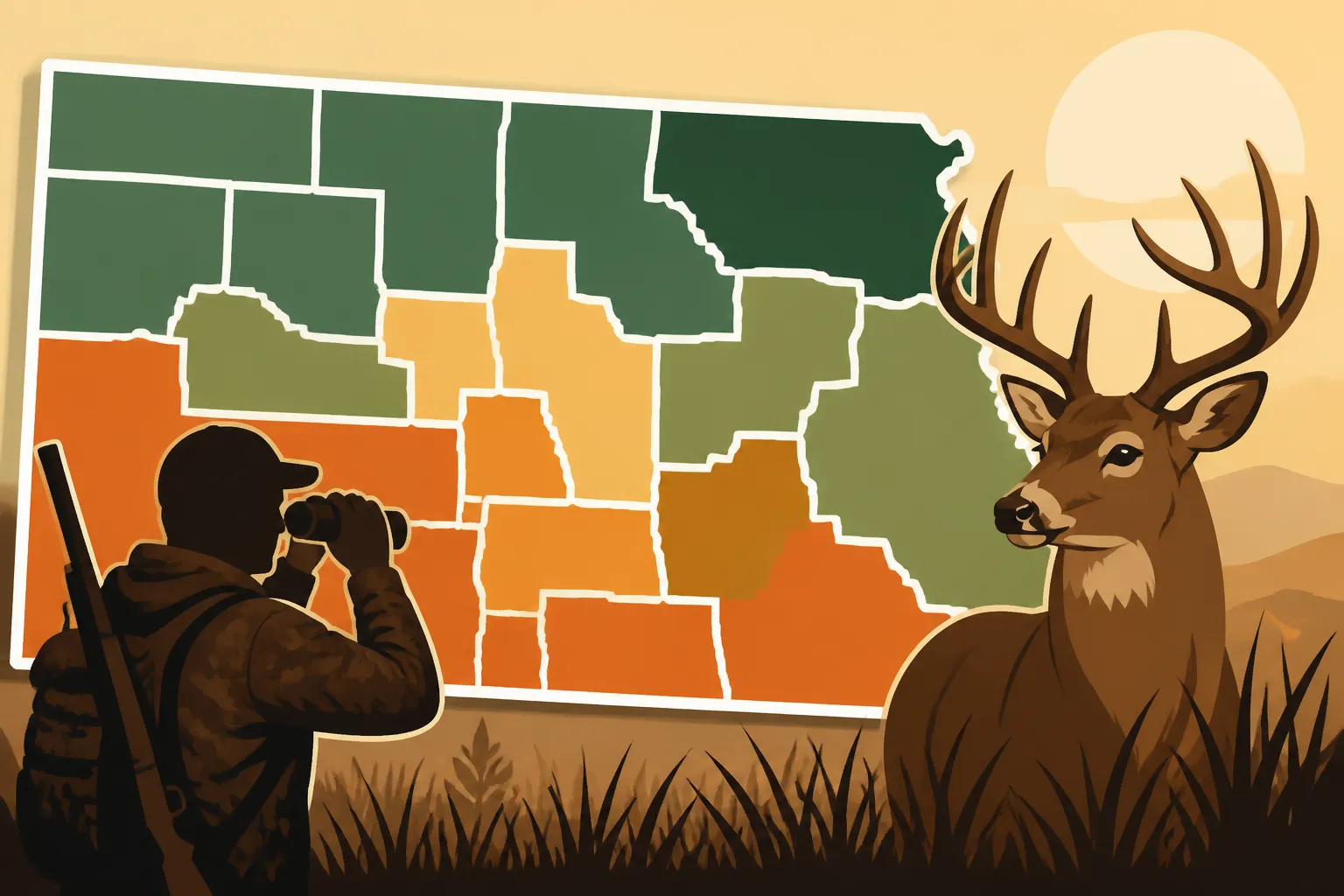
Kansas is currently divided into 19 deer management units, numbered 1 through 19. While many of these units roughly follow county lines, they don't always align perfectly. Sometimes, a major river might form a boundary, or a distinct change in habitat dictates where one unit ends and another begins. This can be particularly tricky when you're scouting or hunting close to a unit border. It's not uncommon to be on one side of a county road and be in Unit 10, only to cross to the other side and find yourself in Unit 11, with entirely different regulations or permit requirements.
For example, some units are entirely contained within a few counties, while others might snake across several, often along waterways. The unit boundaries are typically well-defined in the official Kansas Department of Wildlife and Parks (KDWP) regulations, but for practical field use, a good mapping application is indispensable. I highly recommend using digital mapping tools like onX Hunt to overlay these boundaries directly onto your satellite imagery, ensuring you know exactly where you stand. This becomes especially critical during the application period when you're trying to select your primary and adjacent units for the nonresident draw. You can find a detailed visual breakdown in Kansas Deer Unit Map.
Eastern Kansas Deer Units: Timber and River Bottoms
When you think of eastern Kansas, envision lush river bottom timber, rolling hills, and a mix of agriculture. This region, generally covering Units 1 through 6, and parts of others like Unit 10, is where you'll find higher deer densities and some truly massive whitetail bucks. The habitat here provides everything a deer needs: thick cover in the woods, abundant food in the crop fields, and reliable water sources from the numerous rivers and creeks.
Characteristics of Eastern Units
These units are characterized by significantly more timber than their western counterparts. The major river systems, like the Missouri River, Kansas River, Marais des Cygnes, and Neosho River, create expansive corridors of mature hardwoods, cedars, and dense undergrowth. This provides ideal bedding cover and travel routes for deer. While agriculture is still dominant, it's often broken up by these timber blocks and creek draws, creating a more fragmented landscape. Hunters in these units often focus on hunting bottlenecks, creek crossings, and edges where timber meets crops. The deer here are masters of using whatever cover is available, often disappearing into surprisingly small woodlots.
The high deer density in these units means you're likely to see more deer, and the genetics are strong, contributing to the state's reputation for trophy whitetails. The soil fertility in eastern Kansas is also generally higher, which translates to better nutrition for deer and, consequently, bigger antlers. However, this also means more hunters, and often, more fragmented land ownership, making finding accessible hunting ground a bit more challenging. Understanding the nuances of Eastern Kansas Timber and River Bottoms is key to success here.
Common Hunting Challenges and Opportunities
Hunting in eastern Kansas units often comes with increased pressure, particularly on public lands. With more hunters vying for limited public access, it's crucial to scout diligently and develop strategies to avoid other hunters. This can involve walking deeper into tracts, hunting during weekdays, or focusing on less obvious travel corridors. Hunting Pressure Patterns on Kansas Public Land are very real here. However, the opportunities are also immense. The consistent presence of mature whitetails, combined with diverse terrain, offers exciting bowhunting and firearm opportunities.
Landowner permission is often the golden ticket in these units, but even on public ground, smart tactics can pay off. Focus on finding those overlooked pockets of cover, thick cedar patches, or hidden creek bends that other hunters might pass by. Also, don't underestimate the power of agriculture; standing corn, milo, and soybean fields are magnets for deer, especially in the late season. Using a mapping application like onX Hunt becomes invaluable in these units, allowing you to instantly see public land boundaries, property lines, and potential access points, which is a game-changer when navigating fragmented land ownership.
Western Kansas Deer Units: Plains and Crop Country
Shifting gears to western Kansas, units like 1, 2, 17, 18, and 19 offer a vastly different hunting experience. Here, the landscape opens up dramatically, dominated by vast expanses of agriculture, shortgrass prairie, and significantly less timber. This is big country, requiring a different approach and often rewarding those who embrace the wide-open spaces.
Characteristics of Western Units
In western Kansas, timber is a precious commodity, often limited to narrow shelterbelts around farmsteads, isolated creek beds, or pockets of cottonwoods along larger rivers. The deer here primarily rely on the endless acres of corn, wheat, and milo for both food and cover, supplemented by CRP (Conservation Reserve Program) grasslands and draws. Deer in these units are masters of using subtle terrain features – ditches, terraces, and even standing crops – to disappear. The populations can be a bit more spread out, and densities may be lower than in the east, but the opportunities for truly immense whitetails and even mule deer are very real.
This region also holds the state's limited mule deer population, primarily concentrated in the far western units. If drawing a mule deer tag is your dream, this is the area to focus your application, keeping in mind that the mule deer stamp draw is notoriously difficult and does not factor in preference points. You can learn more about these unique animals in Mule Deer in Western Kansas. The vastness of the landscape often means less immediate hunting pressure in any given spot, but finding the deer can be a greater challenge.
Hunting Strategies and Unique Considerations
Hunting western Kansas requires patience and a good set of optics. Glassing large areas from elevated positions, using binoculars and spotting scopes, is often the most effective way to locate deer. Long-range shooting skills are also more critical here, as opportunities for close-range encounters might be fewer. When deer are found, strategies often involve slow, careful stalks or setting up ground blinds along known travel routes or food sources. Wind direction is paramount in this open country, as your scent will travel much further.
Public access in the form of Walk-In Hunting Access (WIHA) tracts can be plentiful in many western units, offering fantastic opportunities for those willing to put in the legwork. However, these tracts can be very large, and scouting them thoroughly is essential. It also means you might be hunting deer that are more accustomed to moving through vast, open areas, making them incredibly wary. Considering the draw odds for these highly sought-after units, especially if you're a non-resident, is crucial. Resources like GoHunt can provide valuable data on draw success rates for various units, helping you make an informed decision before applying.
Navigating Unit Boundaries and Choosing a Unit
The sheer number of units and the sometimes-confusing boundaries can make selecting the right unit for your Kansas deer hunt feel overwhelming. It's not just about picking a unit with big bucks; it's about finding a unit that aligns with your hunting style, offers the best chance of drawing a tag, and provides accessible land.
Using Digital Tools to Define Your Hunt Area
In today's hunting world, digital mapping applications are no longer a luxury—they're an absolute necessity, especially when dealing with complex unit boundaries. Services like onX Hunt allow you to view state deer unit lines directly on satellite imagery, ensuring you know exactly which unit you're in, or where one ends and another begins. This is critical for staying legal and maximizing your hunting time. Imagine finding a promising pinch point, only to realize half of it is in an adjacent unit where you don't have a permit. These apps prevent such headaches by providing real-time, accurate boundary information.
Beyond just the unit lines, these apps also display public land boundaries, WIHA tracts, and often private property lines with landowner names. This information is invaluable for scouting, planning access routes, and identifying potential private land to ask for permission. For those who don't live in Kansas, e-scouting with these tools can save countless hours of driving and footwork, allowing you to narrow down potential hunting areas long before you ever set foot in the state. They are truly game-changers for understanding the landscape and avoiding costly mistakes related to boundary lines.
Factors to Consider When Selecting a Unit
When it comes to choosing your unit, there are several key factors to weigh. First, consider your target species: are you focused solely on whitetails, or do you have a dream of pursuing a mule deer (which typically means western units)? Second, think about access. How much public land is available in a given unit? Some units are much richer in WIHA and state wildlife areas than others, which is vital for nonresident or public land hunters. You can dive deeper into this aspect by looking at Kansas Units With the Most Public Land.
Third, what's your preferred hunting style? If you love dense timber and close-quarters bowhunting, eastern units might be more your speed. If you prefer long-range glassing and open-country stalks, western units could be a better fit. Fourth, and crucially, you need to consider the draw odds for the unit you're interested in, especially if you're an out-of-state hunter. Some units are simply harder to draw than others due to demand, deer quality, or a combination of factors. This leads us into the next critical aspect of unit selection.
The Impact of Unit Choice on Your Kansas Deer Hunt
Your choice of Kansas deer unit can quite literally make or break your hunting trip. It impacts everything from your likelihood of drawing a tag to the type of deer you'll encounter and the specific regulations you'll need to follow. This is why a thorough understanding of each unit's characteristics and its place in the draw system is paramount.
Understanding Draw Odds and Permit Availability
For nonresident hunters, the Kansas deer draw is a major hurdle. The state uses a preference point system for whitetail permits, meaning the more points you have, the better your chances of drawing your desired unit. However, some units require significantly more points to draw than others, making your unit choice a long-term strategic decision. Resources like GoHunt, which compiles and analyzes draw results, can be incredibly helpful here. They can show you how many preference points it typically takes to draw a permit in a specific unit, allowing you to assess your chances and plan your application strategy effectively.
It’s not just about whitetail permits, either. The limited mule deer stamp, if you're lucky enough to draw it, is typically valid only in specific western units. Furthermore, even if you draw your primary unit, knowing what happens if your primary unit fills and you need to rely on your adjacent unit choice is important. Understanding the entire application process, including Kansas Deer Permits and the Nonresident Draw and Kansas Preference Points Explained, is essential to maximize your chances of success. Missing the Kansas Deer Application Window in April can mean an entire year without a hunt!
How Unit Regulations Affect Your Hunt
Beyond draw odds, each unit can have subtle but significant differences in regulations. While general statewide season dates for archery, muzzleloader, and firearm seasons exist, some units may have extended antlerless seasons or specific weapon restrictions that differ from the norm. For example, some units might have additional opportunities for antlerless-only hunts outside the main season, which can be great for filling the freezer. Checking the KDWP regulations for your chosen unit regarding Kansas Antlerless Deer Permits is always a wise move.
Moreover, if you are hunting with specific intentions, such as primarily filling an antlerless tag, some units might offer more straightforward opportunities or more available permits. The weapon choice declared on your permit application is also unit-specific; a firearm permit in an archery-only unit would be useless, though Kansas generally allows any legal weapon in most units during the regular firearm season. Always double-check the KDWP regulations specific to your selected unit for the most up-to-date information on Kansas Deer Season Dates by Weapon and any special provisions. It’s better to be over-informed than to face a violation in the field.
Comparing Eastern and Western Kansas Units: A Quick Overview
To help you visualize the key differences, here's a brief comparison of what you can expect when choosing between Eastern and Western Kansas deer units:
| Feature | Eastern Kansas Units | Western Kansas Units |
|---|---|---|
| Primary Habitat | River bottom timber, mixed hardwoods, smaller crop fields | Vast crop fields (corn, wheat, milo), CRP, shelterbelts |
| Whitetail Density | Generally higher | Moderate to lower, more spread out |
| Mule Deer | Very rare to non-existent | Limited presence in far western units |
| Hunting Style | Treestand, ground blind, still hunting, focusing on pinch points | Glassing, long-range shots, stalking, ground blinds |
| Terrain | Rolling hills, dense timber, creek draws | Open plains, subtle elevation changes, wide horizons |
| Public Access | Scattered, often smaller WIHA/wildlife areas | Can be extensive WIHA, some larger wildlife areas |
| Pressure | Can be higher due to density and access challenges | Can be lower in any given spot, but deer are wary |
| Draw Difficulty | Varies, some require more points (e.g., Units 1, 2, 3) | Varies, some require more points (e.g., Units 17, 18) |
Final Thoughts on Kansas Deer Unit Planning
Navigating the Kansas deer unit system takes a bit of homework, but it's an investment that pays off immensely in the long run. By understanding the unique characteristics of eastern versus western units, and by leveraging modern mapping and draw-odds tools, you can significantly increase your chances of securing a tag and having a successful hunt. Don't be afraid to put in the time for e-scouting and research; it's just as important as time spent in the stand. Whether you dream of a massive whitetail from a timbered creek bottom or a plains monarch across open stubble, Kansas has a unit waiting for you.
Disclaimer
This article is for general informational purposes only and does not constitute professional advice. Laws, prices and regulations vary by location and change over time. Consult a qualified professional for guidance on your specific situation.