How Many Acres Kansas WIHA Covers
If you've ever felt that familiar pang of frustration, driving past prime-looking habitat in Kansas, only to see "No Hunting" signs every fifty yards, you're not alone. Finding reliable hunting access in a state dominated by private land can feel like an impossible puzzle. But there's a beacon of hope: the Kansas Walk-In Hunting Access (WIHA) program. This guide is here to shed light on exactly how much ground WIHA makes available, how it works, and how you can unlock its potential for your next hunt.
The Immense Scope of Kansas's Walk-In Hunting Access Program
For many hunters, especially those without private land connections, the thought of endless "No Trespassing" signs can be disheartening. That's where the Kansas Walk-In Hunting Access (WIHA) program swoops in as a true hero. It’s an innovative program designed to open up private land to public hunting, offering a vast and ever-changing landscape for hunters targeting everything from whitetail deer to pheasants and quail. Knowing the sheer scale of this program is the first step to appreciating its value and planning your strategy.
The Dynamic Nature of WIHA Acreage Over Time
Unlike static public lands such as state wildlife areas or national forests, the total acreage enrolled in the WIHA program isn't a fixed number you can just carve into stone. It's a living, breathing entity, constantly fluctuating year by year, and sometimes even within a season. Landowners voluntarily enroll their properties, often for a period of one to three years, and these agreements can be renewed, expanded, or sometimes allowed to expire. This means that a tract you hunted last year might not be available this year, and conversely, new ground is continually opening up, presenting fresh opportunities. This dynamic quality requires hunters to stay vigilant and informed, always checking the latest maps, which are typically released annually.
Imagine the work involved for the Kansas Department of Wildlife and Parks (KDWP) in securing these leases. They work tirelessly to build relationships with farmers and ranchers, convincing them of the benefits of opening their land, even temporarily, to public access. The program pays landowners per acre to allow public hunting, which provides a financial incentive for them to participate. This often means converting areas that were once strictly off-limits into viable hunting grounds, which is an incredible boon for hunters. When you consider the vast agricultural landscape of Kansas, and then factor in thousands of individual agreements, the scale becomes truly mind-boggling. It underscores the importance of regularly checking for updates, especially as When Kansas WIHA Tracts Open in Fall approaches, to ensure you're looking at the most current information.
Why WIHA is a Game Changer for Public Land Hunters
For decades, public land hunters in Kansas faced significant challenges. With a high percentage of the state's land being privately owned, access was historically limited to a comparatively small number of state wildlife areas and federal lands. This created bottlenecks, leading to intense hunting pressure on those limited public parcels and often leaving hunters feeling like they were constantly competing for a spot. The advent of the WIHA program profoundly shifted this paradigm. It democratized access, essentially creating an enormous network of "pop-up" public hunting areas right across the state, many of which would otherwise be completely inaccessible.
Think about the sheer variety this program offers. One day you might be chasing pheasants in a massive field of milo stubble, and the next you could be perched in a treestand along a creek bottom pursuing a mature whitetail buck. This level of diversity in available habitat and species is unparalleled for public access in many other states. It means hunters, whether resident or nonresident, have a genuine chance to experience the incredible hunting Kansas offers, often in areas that hold quality game. Without WIHA, countless hunters would simply be left out, unable to participate in the rich hunting traditions of the Sunflower State. It’s a testament to what can be achieved when government agencies and private landowners collaborate for a common goal.
How the WIHA Program Functions for Hunters and Landowners
The Walk-In Hunting Access (WIHA) program isn't just about throwing open gates; it's a carefully structured system that balances the needs of hunters with the concerns of private landowners. Understanding the mechanics behind this innovative program can greatly enhance your ability to utilize it effectively and respectfully. It’s a true partnership, built on mutual benefit and clear guidelines.
The Partnership: Landowners and Public Access
At its core, WIHA is a voluntary agreement. Landowners choose to enroll their property into the program, granting public access for hunting, fishing, or both, for a specified period. In return, they receive financial compensation per acre from the Kansas Department of Wildlife and Parks. This compensation helps offset potential disturbances to their operations or simply provides an additional income stream, making the proposition attractive. For a farmer who might otherwise leave vast tracts of crop stubble or CRP unhunted, this program offers a practical way to manage wildlife populations and generate revenue.
This collaboration is crucial because it leverages the immense amount of private land in Kansas. Without landowner participation, public hunting opportunities would be drastically reduced. The program often targets specific habitat types or areas that fill gaps in public access. For example, a large expanse of CRP grass that acts as prime pheasant or quail cover might be enrolled, providing critical habitat diversity that might not be available on traditional public land. This creates a win-win scenario: landowners get compensated, and hunters gain access to diverse, high-quality hunting grounds that would otherwise be off-limits. It truly embodies the spirit of shared resources and responsible land stewardship.
Different Types of Habitat You'll Find on WIHA Tracts
One of the most exciting aspects of the WIHA program is the incredible diversity of habitats it encompasses. You're not just getting access to one type of terrain; you're stepping into a mosaic of landscapes that directly reflect the agricultural and natural makeup of Kansas. This variety is key to successful hunting, as different species prefer different cover and food sources.
| Habitat Type | Typical Game Species | Hunter Approach |
|---|---|---|
| Crop Stubble (Milo, Corn) | Pheasant, Quail, Deer, Turkey | Excellent for walking up birds, deer feed late season |
| CRP Grassland | Pheasant, Quail, Deer, Turkey | Ideal for flushing upland birds, deer bedding cover |
| Timber/Creek Bottoms | Whitetail Deer, Turkey, Squirrel | Prime deer and turkey travel corridors, great for archery stands |
| Pasture/Rangeland | Quail, Pheasant, Deer (less common for deer) | Can hold coveys, less dense cover for deer but can offer unique sits |
| Plum Thickets | Quail, Rabbit | Dense cover, often a magnet for quail in open country |
| Wetlands/Ponds | Waterfowl, Dove | Limited but can offer jump-shooting or decoying opportunities |
As you can see from the table, a single WIHA atlas might reveal a patchwork of these environments, often within a few miles of each other. This habitat diversity is exactly what makes Kansas Whitetail Hunting Tactics Through the Rut so effective on some tracts, while others might be ideal for Upland Bird Hunting Kansas Grass and Milo Edges. You might find sprawling fields of milo stubble that are fantastic for late-season pheasants, or dense cedar thickets and creek bottoms that serve as bedding areas and travel corridors for big whitetail bucks. This variety demands a versatile approach from hunters, often requiring different strategies and gear depending on the specific tract and the game you're pursuing. Always pay close attention to the habitat descriptions in the WIHA atlas to match your target species with the most suitable land.
Understanding WIHA Rules and Regulations for a Successful Hunt
While WIHA lands offer incredible opportunities, it's crucial to remember that they are still private property, albeit with public access for hunting. This means there are specific rules and regulations that hunters must adhere to, beyond the general state hunting laws. Disregarding these guidelines not only risks a citation but also jeopardizes the entire program, as landowner confidence is paramount. The primary rule is "Walk-In Only," meaning motorized vehicles are generally prohibited beyond designated parking areas. This preserves the integrity of the property and minimizes disturbance for both the landowner and other hunters.
Another key aspect is the restriction on permanent structures. You cannot erect permanent blinds, stands, or place feeders on WIHA ground. Portable stands and ground blinds are usually permitted, but they must be removed daily unless otherwise specified, which is a major point of difference from some traditional public lands. Always consult the specific WIHA tract details, as some may have unique local rules. For instance, some areas might have specific dates for certain species or might be limited to archery only. Knowing Kansas Walk-In Rules and Restrictions by heart is not just good practice; it's essential for maintaining the program's viability and ensuring future access for everyone. Always treat the land with respect, leave no trace, and park only in designated areas.
Navigating and Maximizing Your Hunt on WIHA Ground
The sheer volume of acres available through WIHA is impressive, but simply knowing the numbers isn't enough. To truly make the most of this program, you need practical strategies for finding the right tracts, understanding their nuances, and navigating the challenges that come with hunting highly accessible land. It’s about being informed, strategic, and respectful.
Essential Tools for Locating and Mapping WIHA Tracts
In today's digital age, finding and utilizing WIHA tracts is easier than ever, but it still requires diligence. The first and most critical tool is the official Kansas WIHA Atlas, which is updated annually. This atlas, available online as a digital map and sometimes in print form, visually represents all enrolled WIHA tracts across the state. It outlines boundaries, specifies hunting seasons, and often includes habitat descriptions, making it an indispensable resource for planning your hunt. Always make sure you're using the most current version.
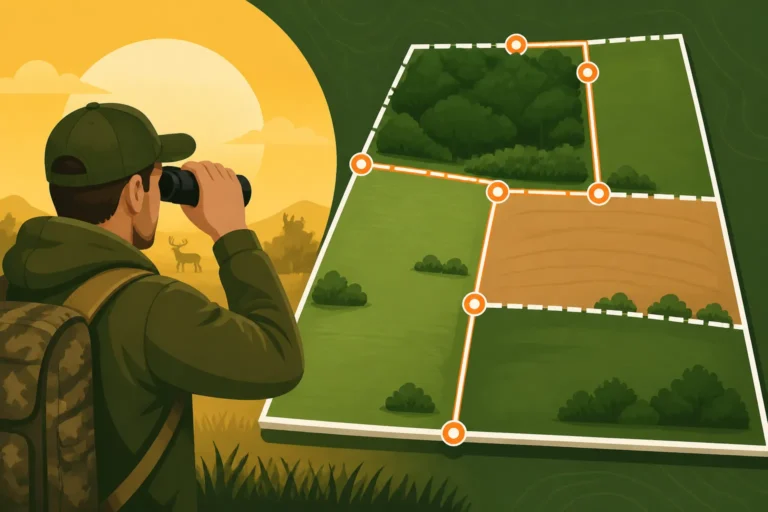
Beyond the official atlas, modern mapping applications have revolutionized how hunters interact with WIHA land. Platforms like onX Hunt are invaluable for overlaying WIHA boundaries onto detailed satellite imagery and topographic maps. This allows you to scout from home, identify potential funnels, bedding areas, and food sources, and even see property lines that might border WIHA ground. Imagine being able to virtually walk the perimeter of a tract, noting where the CRP meets a timber patch, or where a creek meanders through a cornfield – all before you ever set foot on the ground. Another excellent resource for broad hunt planning and understanding regulations, often including details on public access programs, is GoHunt, which can help contextualize WIHA within your broader Kansas hunting strategy, perhaps even helping you decide when to apply for other draws or how to combine hunts. These tools are crucial for Reading Aerial Imagery for Bedding Cover and making informed decisions about where to focus your efforts.
Managing Expectations: Hunter Pressure and iWIHA Considerations
While WIHA provides incredible access, it's not a secret. Many hunters are aware of the program, which means some popular or easily accessible tracts can experience significant hunter pressure, especially during peak seasons like the opening weekend of pheasant season or the whitetail rut. It's a reality you have to contend with on any widely available public access ground. Understanding this helps you manage your expectations and adjust your tactics accordingly. Don't be surprised if you pull up to a parking area and see other vehicles, particularly on prime tracts.
This is where the Interactive Walk-In Hunting Access (iWIHA) system comes into play in some counties. iWIHA tracts, often found in high-demand areas, require hunters to "check in" electronically before hunting and "check out" afterward. This system helps manage Daily Capacity Limits on iWIHA Tracts, preventing overcrowding and ensuring a more quality experience. If a tract is at capacity, you'll simply need to find another. While it adds a small step to your routine, it's a necessary measure to maintain the integrity of the hunting experience on these popular parcels. Planning your hunt for weekdays instead of weekends, or targeting less obvious access points, can often help you escape the crowds and find a more secluded experience.
Strategic Scouting and Hunt Planning for Walk-In Success
Simply showing up on opening day to a WIHA tract you've never seen is often a recipe for disappointment. While it can sometimes work out, strategic scouting and thorough hunt planning drastically increase your odds of success. This starts with leveraging your mapping tools to identify promising areas. Look for features that might concentrate game, such as pinch points, distinct changes in cover, isolated timber blocks, or natural travel corridors. Even in flat farm country, subtle elevation changes or brush lines can create excellent Terrain Funnels That Work Without Hills.
Physical scouting, even if it's just a walk-through a week or two before your hunt, can provide invaluable real-time information. You can verify aerial map observations, locate fresh sign, identify existing trails, and confirm cover quality. Be mindful when Scouting Kansas Walk-In Tracts Before the Opener not to disturb the area excessively, especially if you're targeting wary game like deer. Consider how game animals might move through the property, paying attention to nearby food sources and bedding areas, even if they're on adjacent private ground. Your goal is to find the less obvious spots, the overlooked corners, or the difficult-to-access pockets that other hunters might bypass. This kind of diligent preparation, combining e-scouting with boots-on-the-ground recon, is the key to unlocking the true potential of Kansas WIHA.
Disclaimer
This article is for general informational purposes only and does not constitute professional advice. Laws, prices and regulations vary by location and change over time. Consult a qualified professional for guidance on your specific situation.