When Kansas Started the WIHA Program
It can be incredibly frustrating to hear seasoned hunters talk about "WIHA ground" and feel like you're missing a crucial piece of the puzzle, especially when you're trying to figure out how to access quality hunting land in Kansas. Many of us know the program exists, but the history and how it came to be can feel shrouded in mystery, making it hard to appreciate its significance or even use it effectively. This guide is here to pull back the curtain on the origins of the Kansas Walk-In Hunting Access (WIHA) program, detailing when it started, why it was needed, and how it has evolved into the invaluable resource it is today.
The Genesis of Kansas WIHA: A Vision for Public Access
Imagine a time when the vast expanses of Kansas, with all their hunting potential, felt increasingly out of reach for the average hunter. That was the reality facing many sportsmen and women in the state decades ago. As private land became more intensively managed or leased exclusively, the need for accessible hunting opportunities grew stronger. The Kansas Department of Wildlife, Parks and Tourism (KDWPT) recognized this growing chasm between hunter demand and available land, and thus began the foundational discussions that would lead to one of the most successful public access programs in the nation.
Addressing Declining Access for Hunters
Before WIHA, public hunting land in Kansas was, frankly, limited. While state wildlife areas and federal lands certainly existed, they couldn't keep pace with the increasing number of hunters or the shifting landscape of private land ownership and leasing trends. Hunters, particularly those without connections to private landowners or the financial means to lease land, found themselves with fewer and fewer options. This wasn't just an inconvenience; it threatened the very future of hunting participation in Kansas. Young hunters weren't getting the opportunities, and seasoned hunters were growing disheartened. The problem wasn't a lack of game animals in many areas; it was simply a lack of places to pursue them. The KDWPT saw this as a critical issue that needed a creative, collaborative solution involving private landowners.
Early Program Structure and Funding
The Kansas Walk-In Hunting Access (WIHA) program was officially born in 1995. It wasn't an overnight sensation, but a carefully planned initiative designed to leverage private land for public hunting. The core idea was simple yet revolutionary: pay landowners to allow public hunting on their property for a designated period. This created a mutually beneficial relationship. Landowners received financial compensation for opening their gates, and hunters gained access to millions of acres they otherwise wouldn't have. Funding for WIHA primarily comes from hunting license sales and federal excise taxes on hunting equipment through the Wildlife Restoration Program (Pittman-Robertson Act). This self-sustaining model meant that hunters themselves were directly funding the expansion of their own opportunities, creating a strong sense of ownership and investment in the program's success. The early days involved significant outreach to landowners, educating them on the benefits and alleviating concerns about liability and property damage. It was a grassroots effort that slowly but surely started to build momentum.
Evolution and Expansion: Growing the WIHA Footprint
From its modest beginnings in 1995, the WIHA program steadily grew, adapting to new technologies and hunter demands. It wasn't just about adding acres; it was about refining the program to make it as effective and user-friendly as possible, while also ensuring the continued partnership with Kansas landowners.
Growth in Acreage and Popularity
The initial rollout of WIHA was met with cautious optimism, but as word spread and landowners saw the benefits, the program really took off. Over the years, the acreage enrolled in WIHA has expanded dramatically. From a few hundred thousand acres in its early stages, it now encompasses well over a million acres annually, fluctuating slightly based on landowner contracts and interest. How Many Acres Kansas WIHA Covers is a topic many hunters are curious about, and the answer is usually impressive. This expansion has opened up significant opportunities for hunting deer, pheasant, quail, turkey, and other game species across much of the state, particularly in regions where public land was historically scarce. Hunters flocked to these newly accessible lands, leading to the development of detailed maps and online resources to help navigate the expanding network of WIHA properties. This growth wasn't just quantitative; the quality of land enrolled also improved, with many landowners offering prime habitat for various species.
Introduction of iWIHA and Technology Integration
One of the most significant evolutions in the WIHA program came with the introduction of the Interactive Walk-In Hunting Access (iWIHA) in the late 2010s. This marked a major technological leap, moving beyond the traditional printed atlas to a real-time, online system. iWIHA tracts differ from regular WIHA in that they have daily capacity limits and require hunters to check in and out electronically via the Go Outdoors Kansas platform. This innovative approach was designed to manage hunter pressure on smaller, high-demand parcels, ensuring a quality experience and preventing overcrowding. For hunters, this meant being able to check the real-time availability of specific tracts from their phone before even leaving home. It also helped distribute pressure more evenly across different parcels. The integration of GPS technology and mapping platforms, like the popular onX Hunt app, made navigating WIHA properties easier than ever. Hunters could overlay WIHA boundaries directly onto satellite imagery, pinpoint their location, and confidently know whether they were on public or private land. The system provided unprecedented transparency and convenience, though it did introduce a new set of rules and considerations for hunters. Kansas iWIHA Check-In Rules became a crucial piece of knowledge for many.
| Feature | Original WIHA Program (since 1995) | iWIHA Program (introduced late 2010s) |
|---|---|---|
| Start Date | 1995 | Late 2010s |
| Access Method | Walk-in access, no check-in required | Electronic check-in/out via Go Outdoors Kansas |
| Hunter Capacity | Unlimited, first-come, first-served | Daily capacity limits apply |
| Information | Printed WIHA Atlas, KDWPT website | Real-time online map, Go Outdoors Kansas |
| Purpose | Maximize overall public access | Manage pressure on popular/smaller tracts |
| Technology | Primarily map-based (paper/PDF) | GPS-integrated, real-time data |
WIHA's Impact on Kansas Hunting: A Game Changer
The implementation and growth of the WIHA program have had a profound and lasting impact on hunting in Kansas. It's not just about more acres; it's about fostering a culture of access, responsibility, and conservation that benefits everyone involved.
Benefits for Hunters and Landowners
For hunters, WIHA is nothing short of a lifesaver. It provides access to Public Hunting Land in Kansas that might otherwise be locked up behind private gates, democratizing hunting opportunities for residents and non-residents alike. Whether you're a bowhunter chasing big bucks during the rut or an upland bird hunter walking CRP fields for pheasants, WIHA offers a vast array of possibilities. This access has allowed countless hunters to pursue their passion without the prohibitive cost of leases or the challenge of finding private permission. It’s particularly valuable for new hunters or those without established hunting traditions.
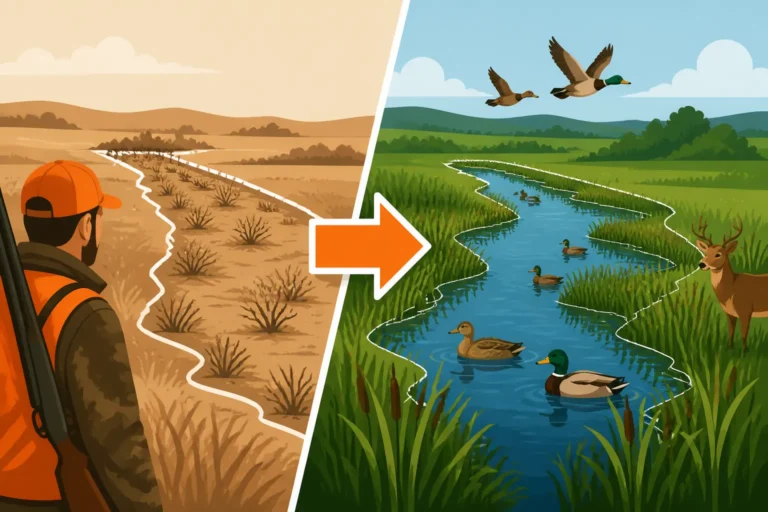
For landowners, the benefits are equally significant. Beyond the financial compensation, WIHA offers liability protection under state statutes, reducing a major concern for those considering opening their land. It also provides an opportunity to manage their property in a way that benefits wildlife and contributes to conservation efforts, often receiving technical assistance from KDWPT biologists. Many landowners take pride in knowing their land provides recreation for others and supports the future of hunting. This symbiotic relationship is the bedrock of the program's long-term success.
Challenges and Future Considerations
Of course, no program is without its challenges. Hunter pressure can be an issue, especially on smaller or well-known WIHA tracts. While iWIHA helps manage this, it's still a constant balancing act. Some landowners express concerns about irresponsible hunters leaving trash, damaging property, or violating rules, which can jeopardize future enrollment. This underscores the critical importance of hunter etiquette and respect for the land. Hunting Kansas Walk-In Land Without Burning It Out is a concept every hunter needs to embrace to ensure the program's longevity.
Looking ahead, the program constantly evaluates how to adapt to changing agricultural practices, land values, and wildlife populations. Maintaining landowner interest and enrollment, especially in an era of increasing commodity prices and development pressure, is an ongoing effort. The future of WIHA hinges on continued funding, strong landowner partnerships, and hunters who demonstrate respect and responsible behavior.
Navigating WIHA Today: Your Guide to Successful Hunts
Understanding the history of WIHA is one thing, but knowing how to effectively use it today is what truly matters for hunters. With millions of acres available, the key is knowing where to look, what to expect, and how to maximize your chances of a successful and ethical hunt.
Using Digital Tools for WIHA
Gone are the days when a paper map was your only guide (though many still love the tactile feel of the Reading the Kansas WIHA Atlas). Today, digital tools are your best friend for navigating WIHA. The KDWPT offers an excellent online hunting atlas that clearly delineates WIHA boundaries, dates of enrollment, and allowed activities. This is your first stop.
However, for truly efficient scouting and in-field navigation, apps like onX Hunt are indispensable. They layer WIHA boundaries directly onto detailed satellite imagery, topographic maps, and even public land ownership data. This allows you to plan your approach, identify access points that won't disturb bedding areas, and understand the terrain before you ever set foot on the ground. You can mark potential stand locations, food sources, and travel corridors, saving valuable time and reducing disturbance. Similarly, platforms like GoHunt can provide valuable insights into hunt units, drawing odds, and even harvest data that can inform your WIHA strategy. Learning to E-Scouting Kansas Farm Country From Home is a crucial skill for hunting today. These digital tools are constantly being updated, so make sure you're using the most current versions.
Understanding WIHA Rules and Etiquette
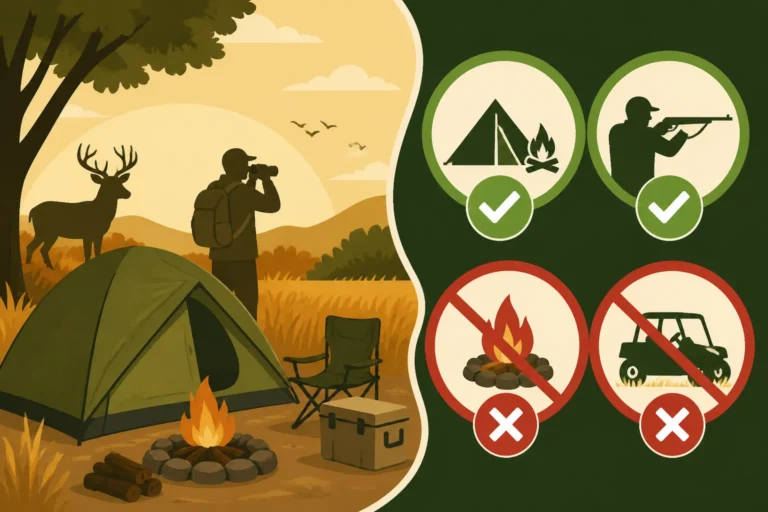
Hunting on WIHA land comes with specific rules and, more broadly, a code of etiquette that all hunters must adhere to. The basic rules are usually posted at access points or listed in the online atlas and often include restrictions on vehicles, camping, and leaving stands overnight. Always check the specific rules for the tract you intend to hunt, as they can vary. For instance, Portable Stand Rules on Kansas Public Land are important to know.
Beyond the letter of the law, etiquette is about respect: respect for the landowner, the land itself, and your fellow hunters. This means packing out everything you pack in, leaving no trash, closing all gates, and avoiding damage to fences or crops. If you see other hunters, maintain a respectful distance and avoid encroaching on their space. Being a good steward of WIHA land is paramount to the program's continued success and the willingness of landowners to participate. Remember, a single careless action can jeopardize access for everyone.
Maximizing Your Success on WIHA Lands
Hunting WIHA effectively requires a bit of strategy. Since many tracts are agricultural in nature, understanding crop rotations, timber edges, and water sources is key. Deer, for instance, will often use small timber points, creek draws, or brushy fence lines as travel corridors between bedding cover and food sources. Access Routes That Do Not Bump Deer are essential to consider, especially in open farm country. Don't overlook the obvious; deer often cross at the path of least resistance.
For upland birds, focus on dense cover like CRP grass, plum thickets, and field edges where birds can find refuge and food. The beauty of WIHA is its diversity, offering a wide range of habitats to explore. Be prepared to walk, scout thoroughly (even virtually), and adapt your tactics. Think about hunting during weekdays when pressure might be lower, or targeting less obvious areas that other hunters might overlook. With preparation and a respectful approach, WIHA can offer some incredible hunting experiences in the heart of Kansas.
Disclaimer
This article is for general informational purposes only and does not constitute professional advice. Laws, prices and regulations vary by location and change over time. Consult a qualified professional for guidance on your specific situation.