Kansas Wildlife Areas With Waterfowl Refuges
It's incredibly frustrating when you're geared up for a duck or goose hunt, you know Kansas has some amazing public land, but then you find yourself staring at a map, unsure which "wildlife area" actually offers solid waterfowl opportunities, especially with those pesky refuge boundaries to contend with. We've all been there, wondering if we're going to stumble into a restricted zone or, worse, completely miss the prime hunting spots because we didn't understand how these areas are managed. This guide is here to untangle that knot, walking you through the ins and outs of Kansas wildlife areas that feature critical waterfowl refuges, helping you pinpoint where to hunt, and how to do it effectively and legally.
Understanding Wildlife Areas and Waterfowl Refuges in Kansas
Kansas is a jewel in the Central Flyway, a critical migratory route for millions of ducks and geese. Our state offers some incredible opportunities for waterfowl hunters, but it's not always as simple as finding a body of water and setting up. Many of the most productive areas are managed by the Kansas Department of Wildlife and Parks (KDWP) and are often designated as "Wildlife Areas." These aren't just one big, open hunting ground; they are complex ecosystems with varied uses, and understanding their structure is key to a successful and ethical hunt.
The Dual Purpose of Kansas Wildlife Areas
Think of Kansas Wildlife Areas as multi-use properties, often quite extensive, designed to serve a variety of conservation and recreational purposes. While many people associate them with deer, pheasant, or turkey hunting, a significant number of these areas are also managed to provide crucial habitat for migratory waterfowl. This means you'll find everything from timbered river bottoms to managed wetland complexes within their boundaries. The general appeal is broad, offering something for almost every hunter, angler, and nature enthusiast.
However, this multi-use approach comes with a caveat: you can't just hunt anywhere. These areas are designed with specific zones for different activities. Some parts might be open for general hunting, others for specific seasons, and then there are the critical areas designated as refuges. It's really important to realize that the rules and regulations can vary significantly from one wildlife area to the next, even if they're only a short drive apart. Always assume there are unique local regulations in play, and make it your business to know them before you ever step foot on the property.
What Exactly is a Waterfowl Refuge?
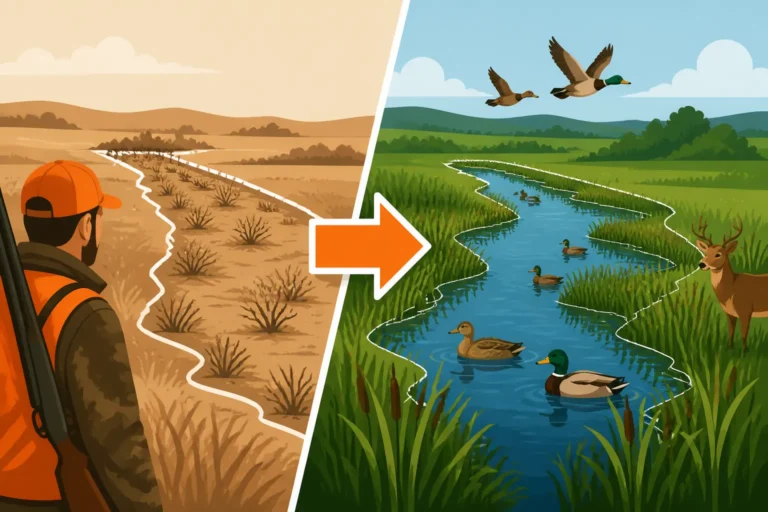
Within the broader expanse of a Kansas Wildlife Area, a waterfowl refuge is a specifically designated zone where hunting is strictly prohibited. It's not just a suggestion; it's a hard boundary. The purpose of these refuges is absolutely vital for waterfowl populations: they provide a safe haven where ducks and geese can rest, feed, and loaf without fear of disturbance from hunters. Imagine flying hundreds or thousands of miles; you need a place where you know you can put down and not be pressured. That's what a refuge offers.
These protected zones create a kind of "pump" for the surrounding hunting areas. Birds that are using the refuge will often fly out to feed in nearby fields or to other open water bodies, offering opportunities for hunters set up on the boundaries or in adjacent open hunting units. Without these refuges, the birds would likely be pushed out of the area entirely due to constant pressure, diminishing hunting prospects for everyone. By respecting these boundaries, hunters are actively contributing to the long-term health of the waterfowl population and, by extension, the quality of hunting opportunities in Kansas. They are a cornerstone of effective waterfowl management.
Key Kansas Wildlife Areas Featuring Waterfowl Refuges
Kansas is blessed with several prominent wildlife areas that are specifically managed with waterfowl in mind, often featuring critical refuge areas. These locations act as magnets for migratory birds, offering some of the best hunting opportunities in the state, provided you understand their unique layouts and rules.
Cheyenne Bottoms Wildlife Area: The Crown Jewel
When you talk about waterfowl in Kansas, Cheyenne Bottoms is almost always the first place that comes to mind, and for good reason. Located in Barton County, it's the largest freshwater marsh in the interior of the United States and a globally recognized wetland of importance. This place is absolutely vital for waterfowl in the Central Flyway, hosting hundreds of thousands of ducks and geese during migration peaks. It’s truly a sight to behold.
Cheyenne Bottoms is meticulously managed with a system of designated hunting pools and significant refuge zones. The KDWP actively manipulates water levels and vegetation to maximize forage and resting areas for birds. You'll find a wide array of waterfowl here, from mallards and pintails to various teal species, along with large concentrations of Canada geese and snow geese. Hunting here often involves setting up blinds on pool edges or in flooded timber. The history of Cheyenne Bottoms as a natural stopping point for migratory birds dates back millennia, making its continued protection and management crucial for the entire flyway.
Quivira National Wildlife Refuge: A Salt Marsh Oasis
A bit south of Cheyenne Bottoms, you'll find Quivira National Wildlife Refuge in Stafford and Reno counties. While federally managed by the U.S. Fish and Wildlife Service, it shares a similar ecological importance and management philosophy with state wildlife areas. What makes Quivira unique are its naturally occurring saline wetlands, fed by underground saltwater. It's a truly remarkable ecosystem that supports not only waterfowl but also a diverse array of shorebirds and other wildlife.
Quivira is primarily a refuge, but it does offer limited, designated hunting opportunities on certain parts of the refuge, typically focused on waterfowl. The boundaries between refuge and huntable areas are usually very clearly marked, often with signs and distinct geographical features. It is absolutely essential to consult the specific Quivira Refuge Hunting Rules before planning a trip here, as federal regulations can sometimes differ from state KDWP rules. Knowing where you can and cannot go is paramount to a legal and enjoyable hunt in this unique salt marsh oasis.
Marais des Cygnes Wildlife Area: Eastern Kansas Haven
Moving to the eastern part of the state, the Marais des Cygnes Wildlife Area, situated primarily in Linn County, is a critical stopover for waterfowl migrating along the Marais des Cygnes River corridor. This area features extensive bottomland timber, managed wetlands, and oxbow lakes, creating a diverse habitat that attracts a significant number of ducks and geese, especially during the fall migration. It’s a completely different feel than the wide-open expanse of the western marshes.
The Marais des Cygnes complex includes a robust refuge system that allows birds to rest and feed undisturbed. These refuges are typically integrated within the larger wildlife area, with hunting opportunities available in adjacent units and pools. Hunters here often focus on flooded timber or agricultural fields that are near the refuge boundaries, anticipating birds moving off the protected areas. The KDWP manages water levels and habitat here to benefit a variety of species, making it a reliable destination for eastern Kansas waterfowlers. Make sure to check the Marais des Cygnes Wildlife Area specific regulations for access and hunting units.
Jamestown Wildlife Area: Northeastern Waterfowl Magnet
In the northeastern part of Kansas, the Jamestown Wildlife Area in Cloud County stands out as another vital waterfowl destination. This area encompasses a series of managed pools, wetlands, and agricultural lands that serve as an important feeding and resting ground for ducks and geese utilizing the northern half of the state. It's a well-known spot, particularly for those hunting along the Republican River corridor.
Jamestown has integrated refuge units that are off-limits to hunting, providing sanctuary for birds. The design allows for public hunting in specific managed wetland units and fields, often drawing birds out of the protected zones. You'll find a mix of dabbling and diving ducks, along with geese, making use of the diverse habitat. Understanding the layout of these managed wetland units and how the refuges function is crucial for success here. Always consult the KDWP’s specific maps and regulations for Jamestown Wildlife Area Access to ensure you're hunting in an open area.
Navigating and Hunting Around Waterfowl Refuges
Hunting near waterfowl refuges can be incredibly productive, as the birds congregate in these protected areas. However, it also requires a heightened sense of responsibility and an intimate knowledge of the area's boundaries and rules. This isn't a place for guesswork; precision and preparation are your best friends.
Reading the Maps and Regulations Carefully
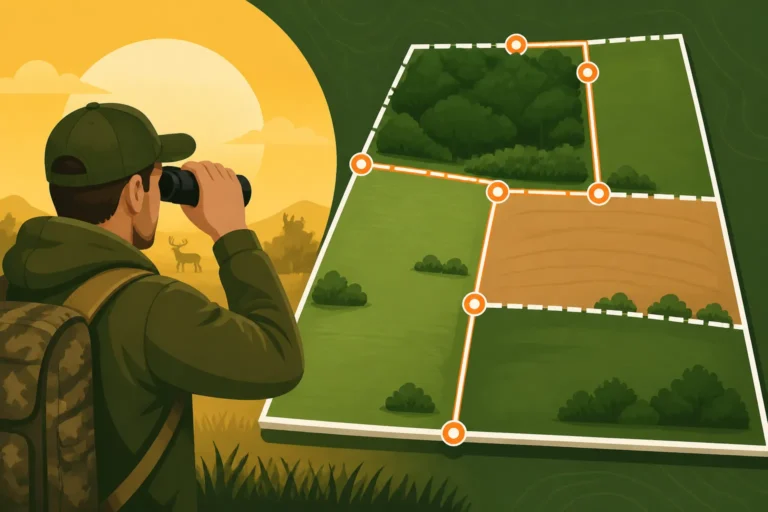
This might sound obvious, but it's the number one mistake hunters make: not having the most current and detailed map of the specific wildlife area you plan to hunt. KDWP publishes maps for all its wildlife areas, often showing hunting units, non-hunting areas, and, crucially, refuge boundaries. These are not static; management plans can change, so always ensure you have the latest version. Trust me, it's worth the extra effort.
Modern technology can be a huge asset here. Mapping apps like onX Hunt or GoHunt are invaluable for identifying property lines, public land boundaries, and even KDWP specific layers that delineate hunt zones and refuges. Using these tools in conjunction with official KDWP maps gives you a powerful advantage. Pay close attention to any physical signage you encounter on the ground, such as "No Hunting" signs or refuge boundary markers. These are the final word on where you can and cannot go. Remember, ignorance of the law is not an excuse, especially when it comes to restricted areas. Consulting resources like Reading the Kansas WIHA Atlas can also help you become proficient in deciphering complex land designations.
Strategic Hunting Adjacent to Refuges
The real trick to hunting near refuges is understanding bird movement patterns. Ducks and geese will often leave the safety of a refuge at dawn or dusk to feed in nearby agricultural fields or to fly to other bodies of water, and then return to the refuge for rest. Setting up your blind or decoy spread along these travel corridors or in feeding areas adjacent to the refuge can be incredibly effective.
Consider the wind direction, the time of day, and where the birds are likely to be coming from or going to. If you’re hunting fields, focus on those closest to the refuge. If you're on water, think about flight paths over points or pinch points where birds funnel. Decoying Ducks on a Kansas Reservoir and Field Hunting Geese in Stubble are both excellent tactics to employ when you’ve identified these movement patterns. Remember, the goal isn't to push birds out of the refuge, but to intercept them during their natural movements. Over-pressuring areas right on the boundary can quickly make them unproductive.
Respecting Boundaries and Ethical Hunting
The legal and ethical implications of encroaching on a waterfowl refuge cannot be overstated. Crossing into a refuge, even accidentally, can result in significant fines, loss of hunting privileges, and even confiscation of equipment. It’s simply not worth it. Always err on the side of caution and give refuge boundaries a wide berth. If you’re unsure, stay out.
This also extends to retrieving downed birds. If a bird you shot falls within a designated refuge, you must not enter the refuge to retrieve it without explicit permission from a KDWP official or the refuge manager. Attempting to retrieve a bird from a refuge without permission is a violation. Ethical hunting near refuges also means minimizing disturbance. Avoid excessive calling or sky-busting that might spook birds far into the refuge, disrupting their natural patterns and potentially pushing them out of the area entirely. We all have a responsibility to maintain the integrity of these critical areas.
Preparing for Your Hunt on Kansas Wildlife Areas
Successfully hunting waterfowl on Kansas wildlife areas, especially those with refuges, demands thorough preparation beyond just knowing the rules. From your gear to understanding specific check-in procedures, attention to detail can make or break your hunt.
Essential Gear and Scouting Considerations
Waterfowl hunting is often gear-intensive. You'll definitely want a good set of chest waders, even if you plan to hunt fields, as retrieving birds can sometimes take you into unexpected water or mud. A solid decoy spread appropriate for the species you're targeting – be it a dozen mallards for a small pond or a massive spread of snow goose decoys for a field hunt – is crucial. Don't forget your calls and practice with them! Camouflage for yourself and your blind material that blends into the local environment are also non-negotiable. Many hunters overlook the importance of having proper cover, especially in open Kansas landscapes.
Pre-season scouting is absolutely paramount, but with a twist when refuges are involved. You need to scout from a distance, using binoculars or a spotting scope, to avoid disturbing the birds in the refuge or the surrounding areas. Observe flight patterns, identify potential feeding areas, and note where birds are resting. Checking current water levels is also crucial, as conditions can change rapidly on managed wetlands. Stay updated on migration reports; services like GoHunt or local KDWP offices often provide information on bird numbers. Furthermore, understanding factors like Reading a Kansas Wind for Waterfowl will significantly impact your decoy placement and setup strategy on any given day.
Understanding Permit and Check-In Procedures
Beyond your basic Kansas hunting license and state and federal Kansas Duck Stamp Requirements, some specific wildlife areas, particularly those with managed draw or check-in hunts, may require additional permits or have mandatory check-in/check-out procedures. For instance, some of the iWIHA (integrated Walk-In Hunting Access) tracts, which might overlap with or be adjacent to certain wildlife areas, require you to check in digitally before you hunt. While most large KDWP wildlife areas are open access for waterfowl, it's critical to verify any specific requirements for your chosen location.
Always consult the KDWP website or contact the area manager for the most current information regarding permits, access, and specific rules for the wildlife area you intend to hunt. This due diligence ensures you're fully compliant and avoids any last-minute surprises or, worse, violations. Remember, these regulations are in place to manage hunting pressure and ensure sustainable populations for everyone, so doing your part benefits the entire hunting community. For broader understanding of all licenses and costs, check Kansas Hunting Licence and Permit Costs.
Here's a quick comparison of some key Kansas waterfowl areas with refuges:
| Wildlife Area | Primary Species | Refuge Status | Key Feature | Hunting Style |
|---|---|---|---|---|
| Cheyenne Bottoms WA | Ducks, Geese | Designated Refuges | Vast Freshwater Marsh | Blind hunting, jump shooting in open units |
| Quivira National WFR | Ducks, Geese, Cranes | Designated Refuges (Federal) | Unique Saline Wetlands | Limited hunting zones, often blind or wade-in |
| Marais des Cygnes WA | Ducks, Geese | Designated Refuges | River Bottom, Flooded Timber | Flooded timber hunting, field blinds, jump shooting |
| Jamestown WA | Ducks, Geese | Designated Refuges | Managed Wetland Units | Blind hunting, some field opportunities |
| Neosho Wildlife Area | Ducks, Geese | Designated Refuges | Riverine Bottomlands | Blind hunting, some field hunting opportunities |
| Kirwin National Wildlife Refuge | Ducks, Geese, Cranes | Designated Refuges (Federal) | Reservoir, Prairie Uplands | Limited hunting zones, blind hunting |
| Wilson State Park/WA | Ducks, Geese | Refuge Areas on Lake | Large Reservoir, Rolling Hills | Boat blinds, shore blinds |
Please note that "Refuge Status" means specific non-hunting zones exist within the larger area, and hunting is restricted to designated open units. Always check current maps. You can find more general information about where waterfowl are found in different parts of the state by looking into Kansas Waterfowl Season Zones or even broader topics like Waterfowl Hunting Kansas Reservoirs and Playas. And for those interested in the broader context of accessing land, Public Hunting Land in Kansas gives an overview of what's available statewide.
Disclaimer
This article is for general informational purposes only and does not constitute professional advice. Laws, prices and regulations vary by location and change over time. Consult a qualified professional for guidance on your specific situation.