Predator Impact on Kansas Fawns
It's a common frustration for hunters, isn't it? You spend hours scouting, watching trail cameras, and pouring over maps, only to see what seems like dwindling fawn numbers or fewer young deer making it to maturity. There's a lot that goes into fawn survival, and while habitat and weather play huge roles, the impact of predators is something we often talk about in hushed tones or simply feel without fully understanding. This guide is here to shed some light on the very real impact predators have on Kansas whitetail fawns, exploring the complex dynamics at play and what it means for our deer herds.
The Delicate Balance of Fawn Survival in Kansas
The life of a whitetail fawn in Kansas is incredibly precarious right from the start. You'd think after generations, these deer would have it all figured out, but Mother Nature is a tough teacher, and only the strongest (or luckiest) make it through those critical early weeks. Understanding these challenges is key to grasping how predators fit into the bigger picture.
Early Life Challenges for Whitetail Fawns
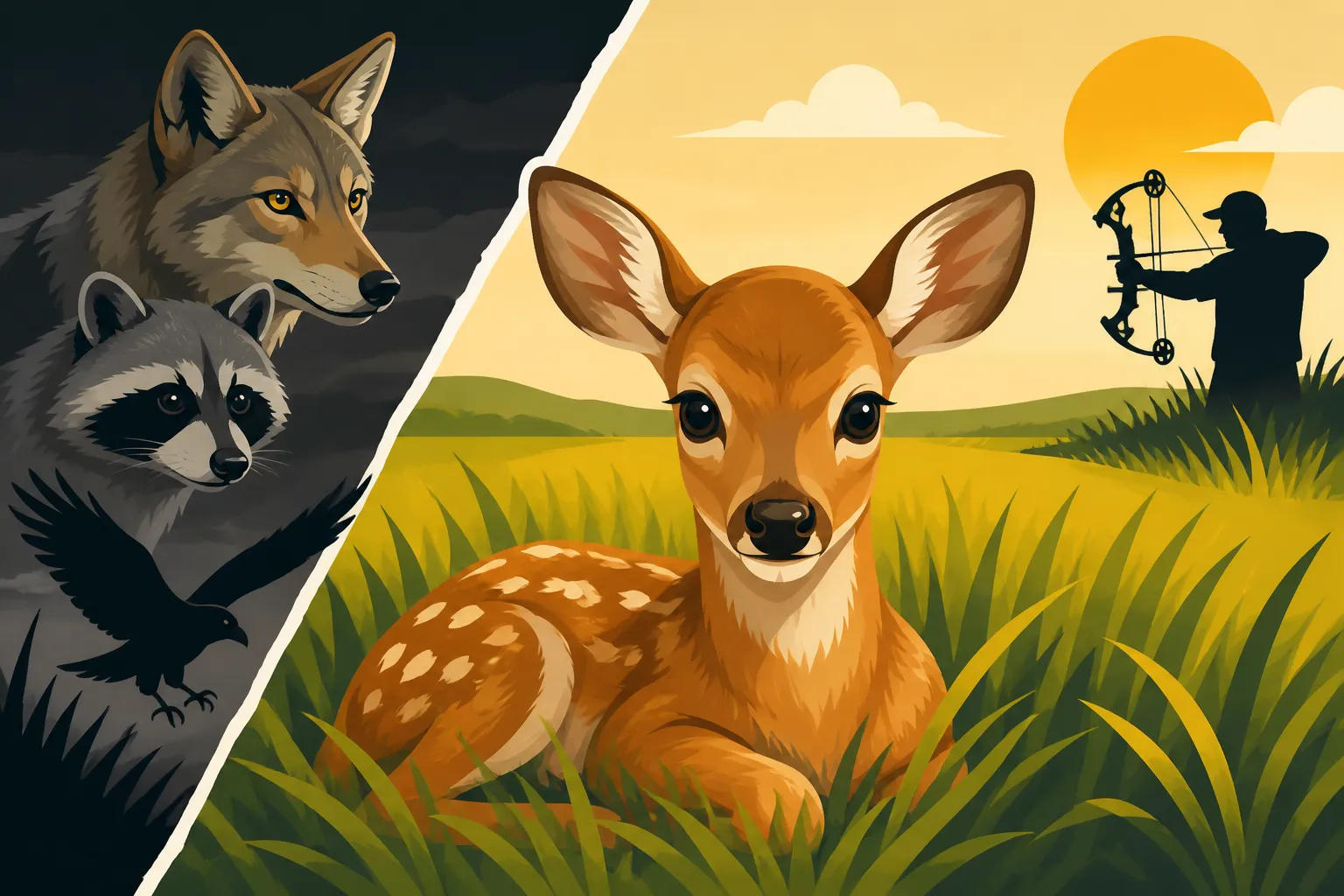
Imagine being born weighing just a few pounds, barely able to stand, and relying entirely on camouflage and stillness as your only defenses. That's the reality for a newborn whitetail fawn. For the first week or two, they are essentially scentless and incredibly vulnerable. Their strategy is simple: drop in tall grass, a brush pile, or a dense cedar thicket, and lie absolutely still. The doe will visit frequently to nurse, but largely stays away to avoid drawing attention to her offspring. This period is when fawns are most susceptible to predation. A wrong move, a slight scent carried on the wind, or just plain bad luck can seal their fate. It's a testament to their survival instincts that any make it at all!
The critical window for fawn survival is typically the first four to six weeks. During this time, they are transitioning from complete immobility to being able to follow their mother and eventually evade threats on their own. As they grow stronger, their scent glands become more active, and they start to move more, which naturally increases their exposure. It's a race against time for them to build strength and awareness before the dangers of the world catch up. Any factor that weakens a fawn during this period, be it poor nutrition from the mother or a late birth, can dramatically reduce its chances.
Habitat and Nutritional Factors
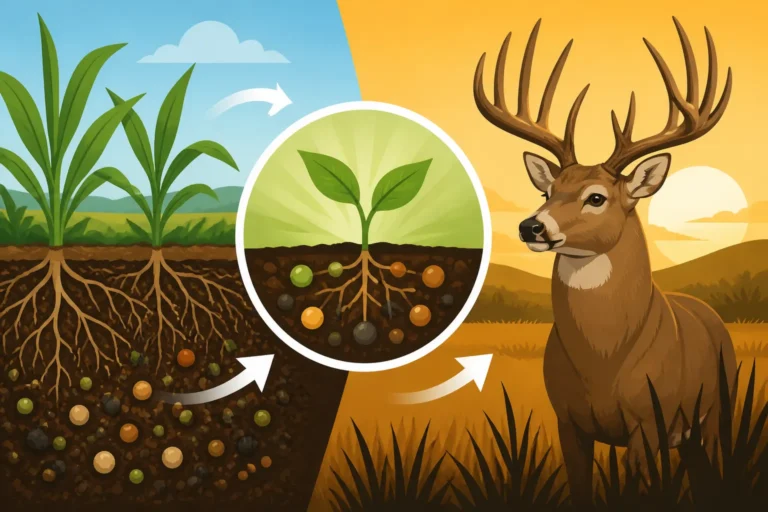
While we're talking about predators, it's impossible to ignore the foundational role of habitat and nutrition. A healthy doe, in a prime habitat, is more likely to give birth to robust, vigorous fawns. Think about those lush river bottoms in eastern Kansas or the rich CRP fields that provide incredible cover. These areas offer fawns a much better chance at survival than sparse, open country. Dense cover, like plum thickets, tall native grass, or thick timber edges, provides places for fawns to hide effectively from prying eyes and noses. When does have access to high-quality forage, they produce more milk, which means fawns grow faster and become strong enough to escape predators sooner.
On the flip side, poor habitat or areas with limited food sources can lead to weaker fawns and less effective concealment. If a doe is struggling to find enough to eat, her fawns might be born smaller, weaker, and less able to thrive. This directly impacts their ability to withstand the challenges of early life, including predator encounters. Moreover, fragmented habitat, where dense cover is separated by vast open fields, can force fawns into exposed areas as they move, increasing their risk. It's a complex web where everything is connected, and the health of the habitat often dictates the health of the herd. You can learn more about how CRP Acres and Kansas Deer Numbers are linked.
Key Predators of Kansas Whitetail Fawns
When we talk about fawn predation, there's one animal that often springs to mind immediately, but it's important to remember that nature's grocery list can be surprisingly diverse. Let's look at the main players here in Kansas.
Coyotes: The Primary Threat
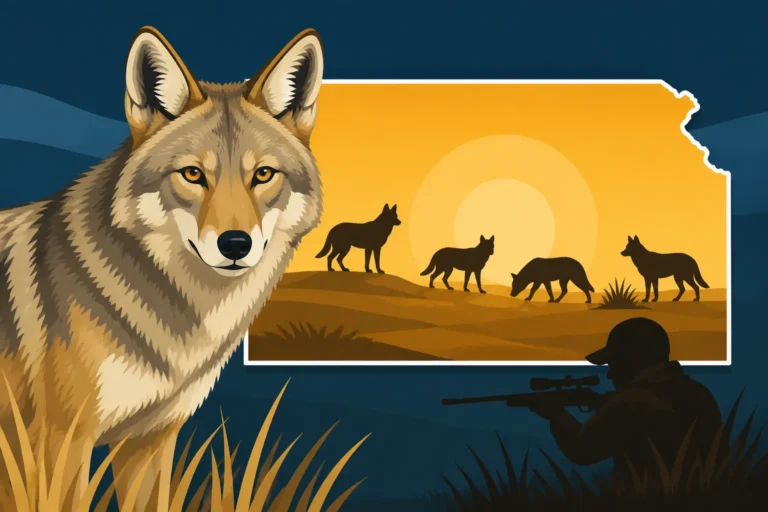
In Kansas, there's no doubt that the coyote stands as the number one predator of whitetail fawns. These adaptable canids are found in every county, from the dense timber of the east to the wide-open plains of the west. They are opportunistic hunters, always looking for an easy meal, and a vulnerable fawn is exactly that. Coyotes are incredibly efficient, often working in pairs or small groups, using their keen sense of smell and hearing to locate young deer. Their hunting strategies can vary; sometimes it's a chance encounter, other times it's a deliberate search of likely bedding areas, especially during the fawning season.
The impact of coyotes on fawn survival can be significant, particularly in areas with high coyote densities or when other food sources are scarce. Studies have shown that coyote predation can account for a substantial percentage of fawn mortality in some regions. While coyotes do play a role in natural selection, culling weaker or diseased animals, their sheer numbers and adaptability mean they can put real pressure on deer populations, especially in years when fawn recruitment is already struggling due to other factors like harsh weather or poor habitat. Hunters who understand Coyote Behaviour in Farm Country often have better luck managing populations.
Bobcat Predation and Opportunistic Hunters
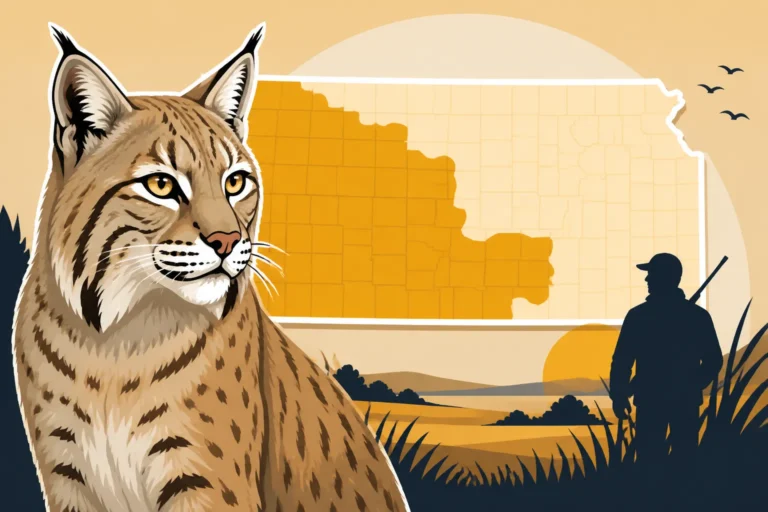
While not nearly as prevalent as coyotes in terms of overall fawn predation, bobcats are certainly a factor, especially in areas with dense brush and timber, like some of the creek bottoms in eastern Kansas. These stealthy predators are ambush hunters, and a hiding fawn can be an easy target for a bobcat stalking through thick cover. They are more solitary than coyotes, which limits their overall impact on the wider deer population, but for an individual fawn, encountering a hungry bobcat can be fatal.
Beyond coyotes and bobcats, other opportunistic predators can occasionally take fawns. Feral domestic dogs, for instance, can be a significant localized problem, especially near rural communities. While not wild predators, their impact can be just as devastating. Even some larger raptors, like golden eagles, have been observed taking very young fawns, although this is generally less common. These instances, while less frequent, remind us that the early weeks of a fawn's life are truly a gauntlet of survival.
Avian Predators: A Lesser-Known Risk
When we think of fawn predators, our minds usually jump to four-legged hunters. However, avian predators, particularly large raptors, can pose a risk, especially to the smallest and most vulnerable fawns. While not a primary driver of population-level fawn mortality in Kansas, it’s not unheard of for a great horned owl, a red-tailed hawk, or even a golden eagle to take a newborn fawn. These birds often target very young or compromised fawns that haven't developed the strength or awareness to escape quickly.
Consider a fawn bedded down in a sparse field, perhaps disoriented or weakened. From a bird's-eye view, it can become an easy meal. While their impact is generally less significant than that of coyotes, it's another layer of pressure in those first few weeks of life. Understanding these less common threats helps paint a more complete picture of the myriad dangers a young whitetail faces in the Kansas landscape.
Understanding Predator Impact on Deer Populations
The relationship between predators and prey is rarely simple, and it's certainly not a one-way street of "predator eats fawn." There are layers of interaction that influence overall deer health and numbers in Kansas.
Direct Mortality vs. Indirect Effects
The most obvious impact of predators is direct mortality—a fawn is born, and a predator kills it. This is a straightforward number that wildlife biologists try to track. However, the influence of predators goes beyond just the immediate kill. There are significant indirect effects that can affect a fawn's chances of survival and the deer population's health. For example, constant predator pressure can stress does, potentially affecting their milk production or causing them to move fawns more frequently, exposing them to more risk. If does are constantly vigilant, they might spend less time feeding, impacting their own health and future reproductive success.
Furthermore, there's the concept of compensatory mortality. This idea suggests that predators often take the weakest fawns – those that might have died anyway from disease, malnutrition, or exposure. In this scenario, predation simply "replaces" other causes of death, meaning the overall deer population might not decline significantly. However, when predator numbers are high, or other stressors (like harsh winters or drought) are also present, predators can begin to take healthy fawns, pushing mortality rates beyond a compensatory level and truly impacting fawn recruitment. It’s a delicate balance that keeps wildlife managers busy. You might want to review Kansas Deer Population Estimate to see how these numbers fluctuate.
The Role of Habitat in Mitigating Predation
Habitat acts as a crucial buffer against predator impact. Imagine a newborn fawn dropped in a wide-open wheat stubble field versus one tucked away in a dense stand of switchgrass or a sprawling cedar thicket. The difference in concealment is immense. Areas with abundant, high-quality cover provide fawns with more places to hide effectively, reducing the chances of a predator scenting or spotting them. This means less energy spent by the doe trying to move her fawn, and more safety for the fawn in its critical early days.
Think about areas with diverse habitats—patches of timber, thickets, and tall grass interspersed with agricultural fields. This mosaic provides both food and cover, creating optimal conditions for deer and making it harder for predators to operate efficiently. Conversely, in areas with poor or fragmented habitat, fawns are forced to bed in less secure locations, increasing their exposure to coyotes and other threats. Investing in habitat improvement, whether through prescribed burning to stimulate native grasses or planting new cover, directly benefits fawn survival by giving them a fighting chance against predators.
Regional Differences in Predation Pressure
Kansas is a big state, and the landscape changes dramatically from east to west. So too does the pressure from predators on fawns. In eastern Kansas, with its larger tracts of timber, river bottoms, and more varied terrain, you often find different predator dynamics than in the open plains of western Kansas. Dense cover in the east can sometimes offer more hiding spots, but it also provides ample cover for predators like bobcats. In western Kansas, while timbered riverbeds are crucial, the vast expanses of shortgrass prairie and agricultural fields mean coyotes might have an easier time locating fawns if suitable hiding cover is scarce.
Deer density also plays a role. In areas where deer numbers are very high, predators might have a greater abundance of fawns to choose from, but the sheer volume of deer could also mean that a higher percentage still survive. Conversely, in areas with lower deer densities, the loss of even a few fawns to predation can have a more pronounced impact on the overall herd. This is why understanding Deer Density by Kansas Unit can be so important when considering predator impacts. It's not a one-size-fits-all situation; predator-prey dynamics are truly localized and influenced by every aspect of the environment.
Predator Management and Fawn Recruitment
The question always comes up: if predators are impacting fawn survival, should we manage them? It’s a complex and often debated topic, but one that hunters in Kansas have strong opinions about.
Hunter Influence and Predator Control
Many hunters naturally want to reduce predator numbers, especially coyotes, believing it will directly lead to more fawns surviving and a healthier deer population. And indeed, hunting coyotes can be an exciting and challenging pursuit. Coyote Calling in Open Kansas Country can be incredibly effective, and many enjoy the thrill of it, especially in the off-season. Some landowners and hunters engage in year-round predator control efforts, particularly focusing on the pre-fawning and fawning seasons. The logic is simple: fewer coyotes mean more fawns.
However, the effectiveness of broad-scale predator control for significantly boosting deer numbers is often debated among wildlife biologists. Coyotes are incredibly resilient and prolific breeders. Removing some often leads to increased litter sizes or immigration from surrounding areas. Focused, localized efforts, especially on specific properties with intensive deer management, can sometimes show an increase in fawn recruitment. But for statewide or even unit-wide deer populations, consistent, long-term increases solely from predator removal are hard to achieve. It takes a concerted effort, often best informed by data, which tools like GoHunt can help provide by highlighting deer movements and habitat in relation to predator sign. Remember, you might also need a Kansas Furharvester Licence if you plan to trap or hunt certain furbearers.
Long-Term Habitat Improvement as a Solution
While predator control has its place, many wildlife professionals and experienced hunters advocate for habitat improvement as the most sustainable and effective long-term solution for boosting fawn recruitment. A healthy habitat doesn't just reduce a fawn's vulnerability to predators; it creates a more robust, resilient deer herd overall. When does have access to abundant, high-quality forage throughout the year, they are in better physical condition, which translates to healthier fawns with higher birth weights and increased vigor. These stronger fawns are more capable of escaping predators, surviving disease, and withstanding environmental stressors.
This involves creating and maintaining diverse cover—dense bedding areas, escape cover, and fawning cover. It also means ensuring a consistent food supply through proper land management, food plots, and encouraging native forage. Think of it this way: instead of constantly fighting the predators, we're making the fawns tougher to catch. It's about empowering the prey through natural advantages. When you give deer the tools to succeed, they often do, even with predators in the landscape. This approach often has broader benefits for other wildlife too, like Quail Coveys in Plum Thickets and Kansas Pheasant Population Cycles.
| Predator Type | Primary Prey (Fawns) | Key Impact Zone/Method | Relative Impact on Fawn Mortality | Hunter Control Possibilities |
|---|---|---|---|---|
| Coyote | Whitetail Fawns | Open fields, timber edges, dense cover, opportunistic | High | Hunting, trapping, calling |
| Bobcat | Whitetail Fawns | Dense timber, thickets, brushy creek bottoms, ambush | Moderate (localized) | Hunting, trapping (less common for fawns) |
| Feral Dog | Whitetail Fawns | Near rural development, opportunistic, sometimes in packs | Moderate (localized) | Reporting to authorities, hunting |
| Golden Eagle | Newborn/Weak Fawns | Open country, high vantage points, opportunistic | Low | None (federally protected) |
| Great Horned Owl | Newborn/Weak Fawns | Timbered areas, nocturnal, opportunistic | Very Low | None (federally protected) |
Disclaimer
This article is for general informational purposes only and does not constitute professional advice. Laws, prices and regulations vary by location and change over time. Consult a qualified professional for guidance on your specific situation.