Kansas Coyote Population
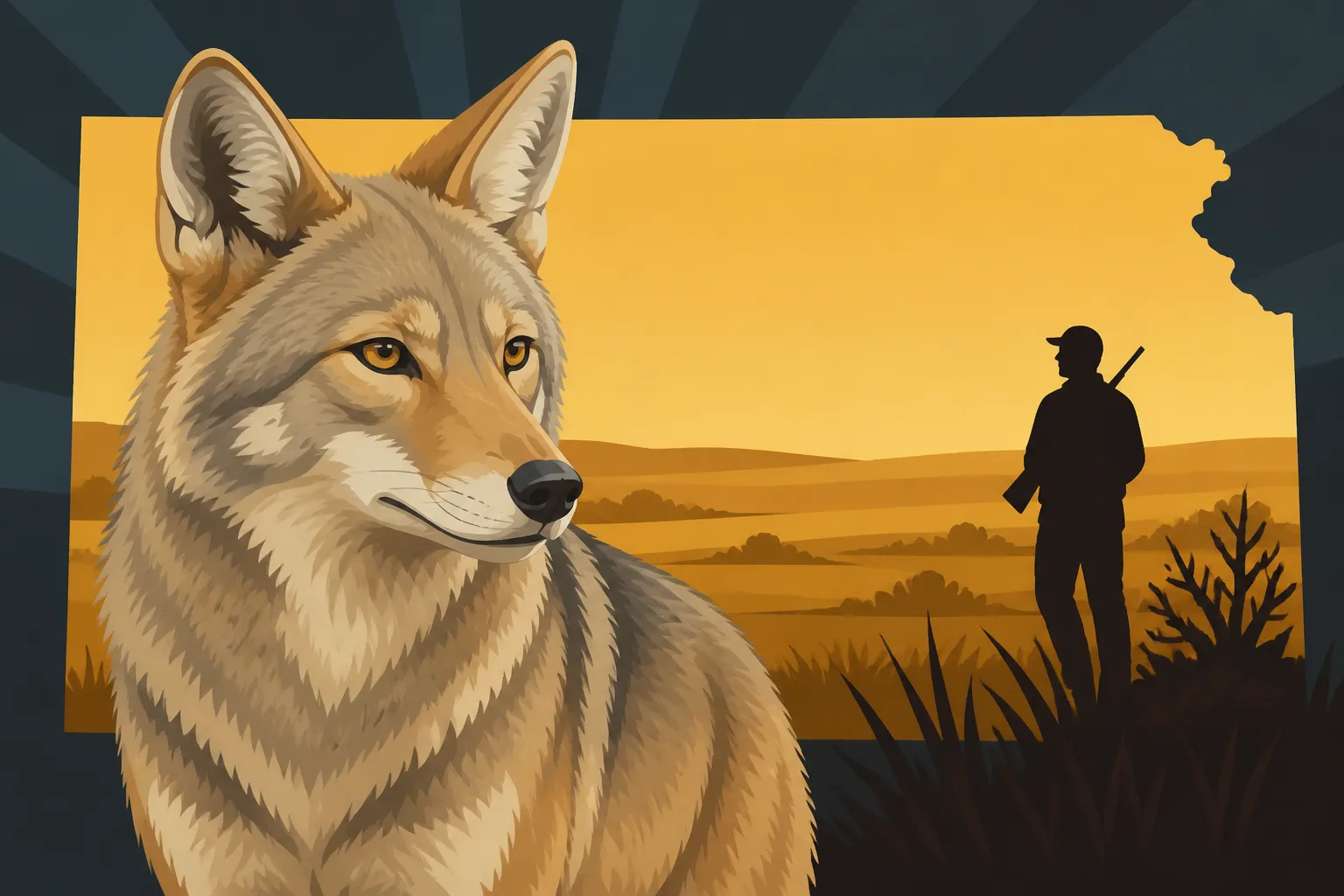
If you've spent any time hunting or simply living in rural Kansas, you've probably encountered coyotes – or at least heard their distinctive chorus under a prairie moon. There's a common perception that these clever canids are absolutely everywhere, and many hunters wonder just how large the Kansas coyote population actually is, and what kind of impact they truly have on our beloved deer, turkey, and upland bird numbers. This guide will dive deep into the world of Kansas coyotes, exploring their prevalence, behavior, and what their robust presence means for the state's wildlife and those of us who pursue it.
Understanding the Kansas Coyote Population
Coyotes are, without a doubt, one of the most successful and widespread predators in Kansas. They are incredibly adaptable, intelligent, and opportunistic, which allows them to thrive in nearly every corner of the state, from the eastern timber to the western plains.
Why Coyotes Thrive in Kansas
Kansas offers an ideal environment for coyotes, providing an abundance of diverse habitats and food sources. Unlike some other predators that require specific wilderness areas, coyotes are perfectly at home in agricultural landscapes. Our vast tracts of crop fields – corn, milo, wheat, and soybeans – provide ample cover and an endless supply of rodents like mice and voles, as well as rabbits, which are primary coyote food items. The numerous timber patches, creek bottoms, and even the tall prairie grasses like those found in CRP Grass and Where Bucks Bed offer excellent bedding and denning sites, allowing them to raise their young safely.
Furthermore, the mosaic of small woodlots and fencerows breaking up open fields creates perfect travel corridors and hunting grounds. They utilize these features to ambush prey, move undetected, and avoid human interaction when necessary. This incredible adaptability means they aren't confined to one type of terrain; they can hunt in open country as effectively as they can in dense cover provided by Shelterbelts and Timber Points in Kansas Farm Country. Their diet is incredibly varied, encompassing everything from insects and fruits to carrion, small mammals, and even larger prey like deer fawns or weakened adults. This flexibility in diet is a huge reason they manage to persist and even flourish where other predators might struggle.
General Population Trends and Density
It's fair to say that Kansas maintains a very healthy and widespread coyote population. While exact, statewide population numbers are difficult to pin down for such a transient and elusive animal, anecdotal evidence and harvest data consistently point to their strong presence. Hunters and landowners across the state frequently report sightings, hear their calls, and find their sign. You might feel like their numbers are exploding, and in some localized areas, they might indeed be seeing a temporary boom due to favorable conditions or abundant prey.
Coyote populations naturally fluctuate, often in response to the availability of their primary prey animals, disease outbreaks, and local hunting and trapping pressure. In years where rabbit and rodent populations are high, coyote numbers tend to follow suit. Conversely, severe weather events or widespread disease can cause temporary dips. However, their incredible reproductive capacity – typically large litters of pups – means they can rebound quickly. While specific densities will vary from county to county, and even property to property, it's safe to assume that wherever you are in rural Kansas, there are coyotes in the vicinity. They are a constant fixture in the Kansas ecosystem, a testament to their incredible resilience and ability to coexist, sometimes controversially, with humans and other wildlife.
Coyote Behavior and Their Impact on Other Wildlife
Coyotes are fascinating creatures whose behavior is largely driven by survival. Understanding what they eat and how they interact with other animals is key to grasping their role in the Kansas landscape.
Diet and Predation Patterns
The coyote's diet is the epitome of opportunistic. While they are certainly predators, they are also avid scavengers, meaning they won't pass up an easy meal. The bulk of their diet consists of small mammals like rabbits, voles, mice, and groundhogs. These smaller prey animals are abundant in Kansas and form the foundation of a coyote's sustenance. They are incredibly efficient hunters of these critters, using their keen sense of hearing and smell to locate them in tall grass or under snow.
However, as many hunters painfully know, coyotes will also prey on young game animals, especially deer fawns and turkey poults. During the spring fawning and nesting seasons, coyotes will actively hunt these vulnerable young. A fawn hidden in thick cover or a turkey poult wandering from its hen can become an easy target. While adult, healthy deer are generally too quick and strong for a single coyote, packs can sometimes take down weakened, sick, or injured adult deer, and they certainly feast on roadkill or deer that have died from other causes. This predation on fawns and poults is where much of the hunter's frustration stems from, especially in areas trying to grow Kansas Whitetail Deer and Why They Grow Big or rebuild Kansas Wild Turkeys and the Population Decline. They are also known to raid nests of ground-nesting birds like pheasants and quail, impacting local populations of Kansas Ring-Necked Pheasants and Bobwhite Quail Across Kansas.
Impact on Game Species and Livestock
The impact of coyotes on game species is a hot topic among hunters and wildlife managers. It's easy to point the finger at coyotes when deer fawn recruitment seems low or turkey poult survival is down. The reality is often more complex. While coyotes absolutely contribute to fawn and poult mortality, they are usually one factor among many, including habitat quality, disease, weather, and other predators. For example, a severe spring storm can decimate turkey poult numbers, and habitat loss can make fawns more vulnerable. Coyotes often pick off the weakest individuals, which is a natural part of ecosystem dynamics.
For farmers and ranchers, coyotes pose a more direct and often costly threat to livestock, particularly sheep, goats, and calves. They can cause significant financial losses, leading to proactive management efforts. Validating the frustration of seeing a healthy calf lost to a coyote attack is important; it's a real economic hardship for producers. Many landowners implement various deterrents, from guardian animals to secure fencing, to mitigate these losses. It's a constant balancing act between managing their impact and acknowledging their natural role.
Managing Coyote Populations and Hunting Opportunities
Given their prevalence and impact, managing coyote populations is a key concern for many in Kansas. Thankfully, coyotes offer fantastic year-round hunting and trapping opportunities.
Hunting and Trapping as Management Tools
For decades, hunting and trapping have been the primary methods of managing coyote populations in Kansas. Unlike many game animals with strict seasons and bag limits, coyotes are typically open for hunting and trapping year-round, with very liberal regulations. This makes them an accessible target for those looking to hone their predator hunting skills, or for landowners seeking to reduce localized pressure on game or livestock. Many hunters enjoy the challenge of calling coyotes, often using distress calls or howls to bring them into range. Tactics vary widely, from long-range rifle shooting in open fields to closer-range shotgun setups in thicker cover. Mastering Coyote Calling in Open Kansas Country can be a truly rewarding experience, demanding patience, stealth, and a keen understanding of coyote behavior.
Trapping is another effective method, particularly for removing problem coyotes in specific areas. Trappers employ various sets and lure combinations to target coyotes, and it requires a significant amount of skill and knowledge to be consistently successful. Both hunting and trapping can help reduce localized coyote densities, which can temporarily alleviate pressure on fawn populations or livestock. It's important to remember that while these efforts can be effective locally, truly "eliminating" coyotes from a wide area is virtually impossible due to their inherent resilience. For those interested in trapping, understanding the requirements for a Kansas Furharvester Licence is essential.
Utilizing Technology for Coyote Hunting
Modern technology has revolutionized coyote hunting, making it more accessible and effective than ever before. Mapping applications are invaluable for identifying prime coyote habitat, potential travel corridors, and safe access routes on both private and public land. A tool like GoHunt, for instance, can provide detailed satellite imagery, topographic maps, and land ownership overlays, allowing hunters to e-scout potential calling stands from their living room. You can mark points of interest like potential dens, known travel routes, or areas where you've observed high rabbit populations, all crucial for successful coyote hunting.
Electronic calls have also become incredibly sophisticated, offering a wide array of realistic animal distress sounds, pup howls, and even coyote vocalizations that can draw them in from a distance. For those brave enough to venture out after dark, advancements in thermal imaging and night vision technology have opened up entirely new opportunities for hunting coyotes under the cover of darkness, though it's critical to be aware of and follow all Night Hunting Rules for Coyotes in Kansas. These technological aids empower hunters to be more efficient and strategic, improving their chances of success whether they're pursuing coyotes for sport or for land management purposes. Always make sure to check local regulations concerning the use of these devices.
Common Misconceptions and Coexistence
Despite their ubiquitous presence, many misconceptions still circulate about coyotes and their management. Understanding these can help foster more realistic expectations.
The Myth of "Hunting Them Out"
One of the most persistent myths surrounding coyotes is that they can be "hunted out" or eradicated from an area. This simply isn't the case. Coyotes are incredibly resilient and have evolved specific strategies to cope with predation and population pressure. When coyote numbers are significantly reduced in an area, the remaining females tend to respond by having larger litters, and a higher percentage of pups survive to adulthood. This phenomenon, known as compensatory reproduction, means that even intense hunting and trapping pressure often only results in a temporary dip in numbers. They have a remarkable ability to bounce back, making a complete eradication effort incredibly difficult and generally impractical on a large scale.
This resilience can be frustrating for hunters and landowners who feel like they're constantly fighting an uphill battle. You might put in significant effort to remove coyotes from your property, only to see their numbers seemingly return within a season or two. This isn't a failure of your efforts, but rather a testament to the coyote's biological adaptations. While local pressure can certainly help, it's a continuous management challenge rather than a one-time fix.
Living Alongside Coyotes
Given that coyotes are here to stay, learning to coexist with them, and understanding their role, is increasingly important. For homeowners in rural or semi-rural areas, simple preventative measures can go a long way in minimizing potential conflicts. Securing garbage cans, avoiding leaving pet food outdoors, and ensuring pets are not left unsupervised, especially at night, can prevent coyotes from becoming habituated to human presence and food sources. Small pets, in particular, should be protected, as they can sometimes be seen as prey.
For livestock producers, secure fencing, housing vulnerable animals in barns or pens at night, and the use of guardian animals (like dogs, donkeys, or llamas) can significantly reduce depredation. While coyotes can be a nuisance and a challenge, they also play an ecological role. They help control populations of rodents and rabbits, which can benefit agricultural crops and reduce the spread of certain diseases. Understanding their behavior and implementing smart management strategies allows us to mitigate negative impacts while acknowledging that they are an integral part of the Kansas ecosystem.
| Coyote Prey Category | Examples in Kansas | Coyote Behavior / Impact |
|---|---|---|
| Small Mammals | Rabbits, Voles, Mice, Groundhogs | Primary food source; highly effective hunters of these. |
| Deer | Fawns, Weakened Adults, Carrion | Significant predator of fawns; scavenge deceased adults. |
| Turkeys | Poults, Eggs, Weakened Adults | Prey on poults and eggs; rarely take healthy adults. |
| Upland Birds | Pheasants, Quail, Eggs | Predate on nesting hens, chicks, and eggs. |
| Livestock | Sheep, Goats, Calves, Chickens | Opportunistic predators; significant concern for producers. |
| Insects & Fruits | Grasshoppers, Berries, Persimmons | Seasonal food sources; supplements diet. |
| Carrion | Roadkill, Winter Kills | Crucial scavengers, cleaning up dead animals. |
Disclaimer
This article is for general informational purposes only and does not constitute professional advice. Laws, prices and regulations vary by location and change over time. Consult a qualified professional for guidance on your specific situation.