Hunting Kansas Walk-In Land Without Burning It Out
Hunting Kansas walk-in land can feel like a double-edged sword: incredible opportunities for adventure and harvesting deer, but also the constant worry of pressuring the local herd and ruining a good spot for yourself and others. Many hunters shy away from these accessible areas because they fear pushing deer out after just one or two hunts, leaving them feeling frustrated and scrambling for new locations. This comprehensive guide will walk you through proven strategies to hunt Kansas Walk-In Hunting Access (WIHA) and other public lands effectively, ensuring you minimize your impact and maintain the quality of your hunting experience throughout the season.
Understanding Walk-In Hunting Access in Kansas
Kansas offers an amazing array of public and walk-in hunting opportunities, a true gift for those of us who don't have endless private land access. But understanding the nuances of these programs is the first step to hunting them responsibly and effectively. It's not just about showing up; it's about knowing the rules and the nature of the land itself.
The WIHA Program: A Lifeline for Public Land Hunters
The Walk-In Hunting Access (WIHA) program in Kansas is a brilliant initiative where the Kansas Department of Wildlife, Parks and Tourism (KDWP) leases private land from landowners, opening it up for public hunting and fishing. For many of us, this program is a lifeline, providing thousands of acres we wouldn't otherwise be able to access. However, these aren't traditional public lands; they are private properties that can vary wildly in size, habitat, and the amount of pressure they receive. The beauty of WIHA is the sheer volume of ground available, but it also means we have a responsibility to treat it with respect, both to the landowners and to the wildlife.
WIHA tracts are typically marked with distinctive signs, outlining the specific regulations and opening/closing dates, which can vary. Some tracts might be open only for a specific season, like November for deer, while others are open much longer. The rules regarding vehicles, camping, and even whether you can bring dogs can change from one tract to the next, so always check the signage and the latest WIHA atlas. Failing to do so can quickly lead to missteps that could jeopardize the program itself. Think of it as a privilege, not an entitlement, and you're already starting with the right mindset to prevent "burning out" these valuable resources. Understanding these distinctions is crucial, as highlighted in the broader discussion on Kansas Walk-In Hunting Access Explained.
iWIHA Tracts and Daily Hunter Management
In recent years, KDWP introduced the iWIHA program, an evolution designed to manage hunter density on particularly popular or sensitive tracts. These "interactive" WIHA tracts require hunters to check in and out daily using the Go Outdoors Kansas app or website. This system limits the number of hunters allowed on a given tract at any one time, which can be a game-changer for reducing pressure. While it might seem like an extra step, the benefits are huge. Imagine arriving at a prime spot only to find it already teeming with hunters – iWIHA aims to prevent that frustration.
The iWIHA system allows you to see real-time availability, helping you plan your hunt better and avoid wasted trips. If a tract is full, you can quickly find an alternative or wait for a spot to open up. This proactive management by KDWP is directly aimed at preventing the "burning out" effect on these specific properties. It encourages a more thoughtful approach to hunting and helps distribute pressure more evenly across the landscape. You can learn more about the specifics of Checking In and Out on iWIHA Ground to make sure you're always compliant and making the most of these opportunities. Using tools like GoHunt can help you identify these tracts and plan accordingly.
How to Read the Kansas WIHA Atlas and Online Resources
The Kansas WIHA Atlas is your bible for finding and navigating walk-in hunting lands. Available both in print and as a digital resource online, it's packed with crucial information. Each tract is outlined, showing its boundaries, designated parking areas, and specific rules. It's not enough to just glance at it; you need to study it. Look for details on crop types, timber blocks, waterways, and especially those small, isolated pieces of cover that might hold deer.
Beyond the KDWP atlas, digital mapping tools are indispensable. Services like GoHunt, onX Hunt, and BaseMap allow you to overlay WIHA boundaries with aerial imagery, topographical maps, and public/private land ownership data. This lets you dissect a tract from your couch, identifying potential bedding areas, travel corridors, and bottlenecks before you ever set foot on the ground. Understanding terrain features, even subtle ones in relatively flat Kansas, can reveal deer movement patterns. This kind of diligent E-Scouting Kansas Farm Country From Home is your first and most critical step in hunting smart and minimizing the need to endlessly traipse through a property looking for sign, which can pressure deer.
Pre-Season Scouting Without Pressure
The temptation to hit every promising-looking WIHA tract hard during scouting season is real, but it’s a surefire way to burn out a property before the season even begins. Smart pre-season scouting is all about gathering intel efficiently and with minimal disturbance. It's a delicate balance of curiosity and restraint.
E-Scouting Kansas Farm Country From Home with Digital Tools
Before you even think about putting boots on the ground, dedicate serious time to e-scouting. This is where your digital mapping tools truly shine. Zoom in on aerial imagery to identify key features: timber lines, creek bottoms, shelterbelts, pinch points created by crops or fences, and areas of dense CRP or switchgrass that could serve as bedding cover. Look for water sources, especially during dry periods. Pay close attention to how these features connect. Deer are creatures of habit and efficiency; they'll use the path of least resistance and the most secure cover.
Cross-reference your potential spots with historical weather data, especially wind patterns for different seasons. This will help you identify primary and alternate stand locations based on prevailing winds. You can also use landowner parcel data to identify adjacent private lands. While you can't hunt them, understanding their boundaries helps you predict deer movement onto or off your target WIHA tract. Tools like GoHunt are excellent for this, allowing you to mark waypoints for potential stand sites, likely bedding areas, and suspected travel routes, all without leaving any human scent or disturbing a single deer. This initial reconnaissance is paramount for Scouting Kansas Walk-In Tracts Before the Opener.
Ground Truthing: Quick Reconnaissance Missions
Once you've narrowed down your e-scouting list to a few prime candidates, it's time for minimal ground truthing. The key word here is minimal. This isn't the time to tromp through every thicket. Instead, focus on quickly verifying access points, identifying fresh sign along the edges, and confirming the lay of the land without penetrating deep into potential bedding areas. These missions should be brief, strategic, and wind-conscious.
Ideally, you want to visit a tract during the middle of the day, when deer are most likely bedded, and with a favorable wind that carries your scent away from where you expect deer to be. Park well away from your entry point to avoid alerting deer or other hunters. Your goal is to confirm what you saw on the map and find definitive deer sign like fresh tracks, droppings, rubs, and scrapes, particularly along edges and travel corridors. Avoid walking directly through bedding areas or known food sources unless absolutely necessary and with extreme caution. The less disturbance you create pre-season, the more likely deer will use those areas when hunting season arrives.
Identifying Key Bedding and Feeding Areas
The goal of your scouting, both digital and on-foot, is to pinpoint bedding and feeding areas and, most importantly, the travel routes connecting them. On walk-in land, bedding cover is often found in the densest thickets – cedar breaks, plum thickets, tall CRP fields, or river bottom tangles. Deer feel secure in these areas. Feeding areas are usually obvious: crop fields (corn, milo, soybeans, wheat), food plots (if any exist on the private adjacent land that deer may spill over from), or natural browse.
Strategic Entry and Exit Routes
The way you enter and exit a hunting area is just as important, if not more important, than where you set up. A poorly planned approach can blow out deer before you even get to your stand, rendering your entire hunt useless and pressuring the local deer.
Planning Access Routes That Avoid Bedding Areas
This is paramount on pressured public land. You need a dedicated, quiet path to your stand or blind that minimizes the chance of bumping deer, especially those bedded down. Your e-scouting should have already highlighted probable bedding areas. Your access route must skirt these areas, ideally using terrain features or dense cover to conceal your movement and block your scent.
Think like a deer. If you were bedding in that thicket, from which direction would you feel most secure? Avoid that direction if possible. Often, this means taking a longer, roundabout path rather than a direct line. If you're walking along a field edge, stay within the timber or tall grass if available. Use creeks or ditches as natural travel corridors, as they often offer concealment. On windy days, try to approach with the wind in your face or quartering, so any scent you leave blows behind you, not ahead into the deer's nose. This careful planning of Access Routes That Avoid Bedding Areas is critical for long-term success.
Parking Away From Your Stand and Minimizing Disturbance
It might seem inconvenient, but parking your vehicle further away from your intended hunting spot can make a significant difference. A truck parked right next to a prominent WIHA sign is a clear signal to other hunters and, more subtly, to the deer, that human activity is concentrated there. By parking down the road, across a field, or at a less obvious access point, you reduce visual cues of human presence near your primary hunting zone.
When you do park, consider the time of day and how your vehicle might alert others. An early morning arrival under the cloak of darkness is less likely to be noticed than pulling in just before sunrise. Once you've parked, minimize noise. Close doors quietly, avoid slamming tailgates, and walk softly. Every little sound travels further than you think in the quiet morning air. The less impact you make from the moment you leave your vehicle, the better your chances of encountering undisturbed deer. This isn't just about deer; it's also about managing perception and discouraging other hunters from immediately zeroing in on your chosen tract.
Walking In Before Legal Light and Using the Wind
An early start isn't just about being in your stand at first light; it's about minimizing detection. Walking in well before legal shooting light allows you to reach your setup, get settled, and let the woods quiet down around you before deer start moving. This is especially true on walk-in lands where deer might be more sensitive to late arrivals. Give yourself ample time—at least an hour before legal light—to navigate silently and prepare for the morning hunt.
Wind direction is your ultimate ally or worst enemy. Always check the wind before you head out, and adjust your plan accordingly. Never walk with the wind blowing your scent directly into where you expect deer to be. If the wind shifts unexpectedly, or if your primary spot now puts your scent in a bad position, be prepared to move to an alternative setup or even leave the tract entirely. Hunting a bad wind is a quick way to educate deer and burn out a spot. Remember, deer rely heavily on their sense of smell, and a single whiff of human odor can send them packing, not just for that day, but potentially out of that area for weeks.
Smart Stand and Blind Placement for Minimal Impact
The actual setup where you plan to hunt needs to be chosen with surgical precision, keeping the long-term health of the hunting area in mind. This isn't your private land where you can leave a permanent double ladder stand for years. WIHA and public lands require a more transient, less impactful approach.
Hanging Stands on Public Land Without Getting Burned
When placing a treestand on public or WIHA land, stealth and portability are key. Fixed stands are generally not allowed, and even if they were, leaving them unattended invites theft or unauthorized use. The best approach is often a mobile one. Consider using climbing sticks or a lightweight climbing stand that you can pack in and out with each hunt, or at least move frequently. If you do leave a stand overnight (and check regulations, as some areas prohibit this, and Portable Stand Rules on Kansas Public Land should be reviewed), ensure it's well-concealed and clearly marked if required.
Position your stand to take advantage of natural cover, such as thick canopy or dense foliage, to break up your outline. Avoid silhouetting yourself against the sky. Always factor in the sun's position – you don't want to be staring directly into it at prime hunting hours, nor do you want to cast a long shadow that could alert deer. The goal is to blend in completely, becoming just another part of the tree, allowing deer to pass by without ever knowing you're there. This minimizes disturbance and helps keep deer using the same patterns throughout the season.
Using Ground Blinds in Open Country Effectively
Ground blinds can be incredibly effective on Kansas's often open walk-in properties, offering excellent concealment and scent containment. However, they need to be deployed strategically to avoid alerting deer. The best way to use a ground blind without burning out a spot is to brush it in naturally, making it disappear into its surroundings. Don't just pop it up in an open field; find a natural backdrop like a hedge row, a plum thicket, or even a standing crop field edge.
Brush in your blind with local vegetation: branches, grass, cornstalks. Break up its square edges. Deploy it several days or even a week before you plan to hunt it, if regulations allow. This gives deer time to get accustomed to its presence and allows any "new blind" scent to dissipate. When setting it up, always consider wind direction, just as you would with a treestand. Position shooting lanes to account for the most likely approach angles of deer and to prevent your scent from blowing directly into their path. A well-brushed-in blind can be almost invisible and provides a comfortable, low-impact hunting experience. For more specific tactics, refer to Ground Blind Brushing In.
Mobile Hunting With a Saddle in Kansas: The Low-Impact Approach
For the ultimate low-impact, high-adaptability strategy on walk-in land, mobile hunting with a saddle is hard to beat. Unlike a heavy climbing stand or even a hang-on, a saddle system is incredibly lightweight and allows you to ascend almost any huntable tree, offering 360-degree shooting lanes and fantastic concealment. This method allows you to scout on the fly, identify fresh sign, and set up in a tree within minutes, responding to real-time deer movement.
The beauty of saddle hunting is that you leave virtually no trace. You pack in and pack out everything, leaving no stand behind to be stolen or to alert other hunters to your presence. This makes it ideal for working multiple WIHA tracts or adjusting your setup based on changing winds, deer patterns, or even hunting pressure. The ability to quickly move and set up in a completely new, undisturbed location is the antithesis of "burning out" a spot. It means you're always hunting fresh sign, always adapting, and always keeping the element of surprise on your side. Embracing this method is a powerful way to practice Mobile Hunting With a Saddle in Kansas.
Hunting Tactics to Maintain Low Pressure
Once you're in the field, your hunting tactics need to be finely tuned to minimize your presence and keep deer from becoming nocturnal or leaving the area entirely. This is about working smarter, not just harder.
Managing Your Hunting Frequency on Specific Tracts
One of the biggest mistakes hunters make on walk-in land is over-hunting a single spot or tract. Think of each WIHA parcel as a limited resource. The more often you hunt it, the more scent you leave, the more noise you make, and the more likely deer are to recognize human intrusion. A good rule of thumb is to allow a few days, or even a week, to pass between hunts on the same relatively small tract.
If you have access to multiple WIHA parcels, rotate them. Hunt Tract A on Monday, Tract B on Wednesday, and Tract C on Saturday. This not only keeps the pressure low on any single piece of ground but also allows you to hunt different wind directions more effectively. Deer that might have been spooked on Tract A will have time to settle down before you return. This strategy is essential for mitigating Hunting Pressure Patterns on Kansas Public Land and keeping deer behaving naturally. Use your GoHunt app to keep track of which tracts you've hunted and when, helping you manage your rotation.
Adapting to Changing Deer Patterns and Pressure
Deer, especially mature bucks, are highly adaptable. As hunting season progresses and pressure builds (especially during the Kansas rut), their patterns will change. They might become more nocturnal, shift their core bedding areas, or alter their travel routes to avoid human activity. Stubbornly sticking to a "hot" spot that suddenly goes cold is a recipe for frustration and further educating deer.
You need to be a deer detective. Look for new rubs, fresh tracks, and altered feeding patterns. If a field that was getting hammered suddenly shows no sign, something has changed. This is where mobility becomes invaluable. Be prepared to pick up and move your setup, even mid-day, if conditions or sign dictate it. Use your e-scouting maps to identify alternative bedding areas or escape routes that deer might use under pressure, then target those. Sometimes, adapting means simply hunting closer to dense cover, as pressured deer are less likely to venture far into the open.
Targeting Specific Deer Without Over-Pressuring a Herd
The desire to harvest a specific buck can lead to over-hunting. While it's thrilling to pursue a particular deer, doing so by sitting in the same stand day after day, regardless of conditions, will likely push that buck completely out of the area. A more sustainable approach is to identify multiple potential spots where that buck might travel based on different wind directions, time of day, and feeding/bedding routines.
Instead of camping out, make strategic, short hunts when conditions are perfect. If the wind isn't right for your primary spot, hunt an alternative. If you get picked off, back out immediately and give the area a break. Sometimes, the most effective tactic is restraint. By focusing on a "less is more" approach, you might not hunt as many hours, but your hours in the stand will be more productive, and you'll preserve the quality of the hunting on that tract for future endeavors. This thoughtful approach extends to strategies like Rattling and Grunting During the Kansas Rut, which can be highly effective but also highly disruptive if overused.
Post-Hunt Strategies and Leaving No Trace
Your responsibility to the land and the deer doesn't end when you pull the trigger. How you handle the aftermath of a successful hunt is crucial to maintaining low pressure and ensuring the walk-in program remains viable.
Efficient Blood Trailing and Recovery Methods
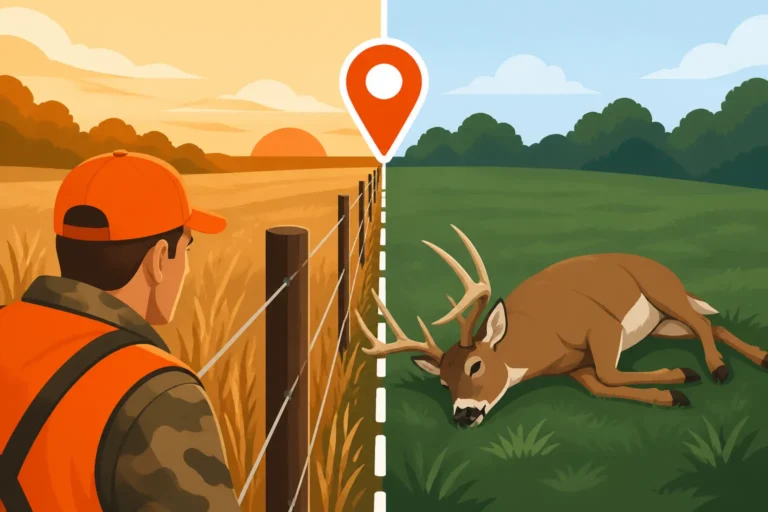
Recovering a downed deer quickly and efficiently minimizes the amount of time you spend trampling through the woods, leaving scent and disturbing other game. If you make a shot and aren't absolutely sure of its quality, back out immediately and give the deer time. An hour for a good lung shot, 3-6 hours for a gut shot, or even overnight for a marginal hit in cool weather. Resist the urge to press on too soon, as pushing a wounded deer makes recovery much harder.
When you do take up the trail, move slowly and deliberately. Mark the last blood and every subsequent sign. If blood gets sparse, grid search the area, expanding your circles. Utilize tools like a powerful flashlight for night trailing or even a tracking dog if legal in Kansas (always check current regulations). The less ground you have to cover, and the less frantic your search, the better. Lingering in the woods for hours, making noise and leaving a strong human scent trail, can undo all your previous efforts to keep pressure low. For dense cover, understanding Blood Trailing in Tall CRP can be a lifesaver.
Getting a Deer Out of a River Bottom Alone: Minimizing Your Footprint
Kansas often presents challenges when recovering deer, especially those that drop in dense creek or river bottoms. These areas can be muddy, thick with brush, and difficult to navigate, particularly if you're alone. Dragging a whole deer through such terrain is exhausting and leaves a significant disturbance trail. Consider quartering the deer in the field. This not only makes the meat easier to cool in warmer Kansas weather but also allows you to pack it out in sections, drastically reducing your physical effort and the amount of time you spend in the delicate ecosystem of the river bottom.
Using a good game cart can also be invaluable, but ensure it's a robust model that can handle uneven ground. If you must drag, try to use existing game trails or paths that are less likely to be sensitive. The goal is to remove the animal with as little disruption to the habitat as possible. Every broken branch, every trampled bush, and every hour spent struggling leaves a mark. Efficiency is key to minimizing your footprint.
Leaving No Trace on Walk-In Ground
The mantra "Leave No Trace" is absolutely paramount for walk-in hunting. This means packing out everything you pack in—and then some. No discarded food wrappers, no empty calls, no spent casings, and certainly no gut piles left in obvious, easily discoverable locations. If you quarter a deer in the field, ensure the remaining carcass is left well off main trails, preferably covered with brush, to minimize visual impact and deter scavengers from congregating in visible areas.
Consider taking a small trash bag with you to pick up any litter you find left by others. This small act not only helps maintain the cleanliness of the land but also sets a positive example. Before you leave, double-check your stand site or blind for anything you might have dropped. The less evidence there is that a human was present, the more quickly the area will return to its natural state, and the more likely deer will continue to use it without suspicion. Your goal should be that the only evidence of your presence is the successful harvest and perhaps a faint boot print that will soon disappear. This careful approach is fundamental to Leaving No Trace on Walk-In Ground.
Advanced Considerations for Sustained Success
True success on Kansas walk-in lands isn't just about bagging a deer; it's about developing a sustainable approach that allows you to enjoy these opportunities year after year. It requires thinking beyond a single hunt.
Understanding Hunting Pressure Patterns on Kansas Public Land
The collective impact of many hunters on public land creates unique pressure patterns. Deer on WIHA tracts, especially those near population centers, will be far warier and more attuned to human presence than deer on vast, lightly hunted private ground. They learn quickly. Recognize that public land deer have "degrees" in evasion. They know what a truck door sounds like, what human scent means, and where the safe zones are.
Your strategy must account for this. Hunt the fringes, the overlooked corners, the thickest nastiest cover that other hunters avoid. Often, the biggest bucks on public land are found not in the most obvious food plots or open field edges, but tucked away in small, isolated pockets of cover or utilizing dense travel corridors during daylight hours. Learning to read and adapt to these pressure patterns is a skill developed over seasons, but it’s critical for consistent success and for not contributing to the problem. GoHunt can assist with identifying areas that are typically overlooked by other hunters due to access challenges or seemingly barren ground, which can be goldmines for unpressured deer.
Weekend Versus Weekday Hunting Dynamics
Weekends, especially opening weekends and during the peak rut, see a significant spike in hunter numbers on Kansas public and WIHA lands. This surge in activity creates immense pressure, often pushing deer into nocturnal patterns or into the most inaccessible parts of a tract. If you're able, hunting weekdays is a huge advantage. Fewer hunters mean less noise, less scent, and less disturbance, allowing deer to resume more natural movement patterns.
If weekend hunting is your only option, then focus on exploiting the pressure. While other hunters might push deer, you can anticipate their movement. Set up on escape routes, funnels between bedding areas and deeper cover, or even just inside the thickest cover where deer will retreat to. Early mornings and late evenings on weekdays often present the best opportunities. On weekends, consider hunting midday when other hunters are often heading in for lunch, as deer might feel safer to move. Recognizing these dynamics is key to maintaining your sanity and success on heavily trafficked lands.
Long-Term Outlook for Walk-In Ground
Ultimately, the longevity and quality of Kansas's walk-in hunting programs depend on us, the hunters. By adopting responsible, low-impact hunting strategies, we help maintain the health of the deer herds, ensure the goodwill of landowners, and preserve these vital hunting opportunities for ourselves and future generations. Every time you leave a WIHA tract cleaner than you found it, every time you choose a wise entry route, and every time you decide to give a tract a rest, you're investing in the future of hunting in Kansas.
The cumulative effect of many hunters practicing these principles means less educated deer, more predictable patterns, and a more enjoyable experience for everyone. It's a testament to the idea that conservation isn't just about regulations, but about the individual choices we make in the field. Let's make sure our actions reflect the appreciation we have for these fantastic opportunities.
| Strategy Component | Do's for Low Impact | Don'ts that Burn Out a Tract |
|---|---|---|
| Scouting | E-scout heavily, quick ground truthing, wind-aware | Over-walking, entering bedding areas, leaving scent |
| Access | Use roundabout routes, park away, walk pre-light | Direct lines to stand, park at obvious points, late entry |
| Stand Placement | Mobile stands/saddle, brush in blinds, use cover | Permanent stands, unbrushed blinds, silhouetting |
| Hunting Frequency | Rotate tracts, rest areas, adapt to pressure | Hunt same spot daily, ignore deer changes |
| Post-Hunt Recovery | Patient trailing, quartering deer, use carts | Pressing wounded deer, loud/frantic searches, dragging intact |
| Leave No Trace | Pack out all trash, cover gut piles | Littering, leaving gear, visible carcass parts |
Disclaimer
The information provided in this guide is for general educational purposes only and is not a substitute for official hunting regulations. Always consult the latest Kansas Department of Wildlife, Parks and Tourism (KDWP) hunting regulations and local ordinances before engaging in any hunting activities. Rules and regulations can change, and it is the hunter's responsibility to be fully informed and compliant.