Bobwhite Quail Habitat in Kansas
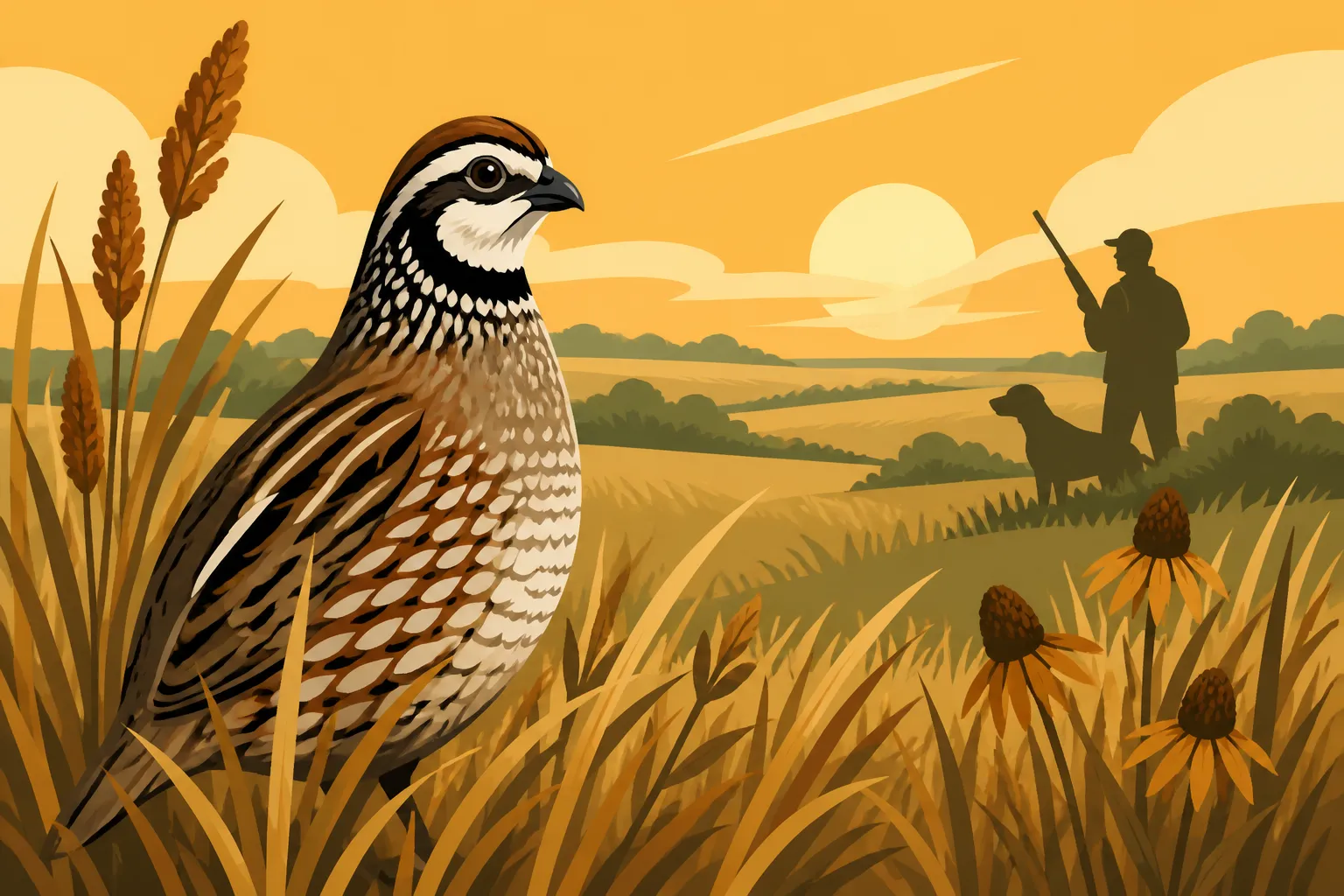
For many Kansas hunters, the distinctive "bob-bob-white" call of the quail is a sound that stirs the soul, but actually finding these elusive little birds can feel like a perpetual treasure hunt. It's frustrating when you spend hours walking miles of promising-looking cover only to come up empty-handed. The key to consistent success isn't just about having good dogs or being a crack shot; it's about deeply understanding the specific habitat needs of the bobwhite quail in the unique Kansas landscape. This guide will meticulously break down what makes truly prime quail country in the Sunflower State, helping you decipher the subtle clues that lead to full coveys and unforgettable hunts.
Understanding the Bobwhite Quail's Core Needs
The bobwhite quail, despite its small size, has some very specific and non-negotiable habitat requirements. Think of it like a finicky homeowner: they need a certain type of kitchen, a specific kind of bedroom, and a safe escape route, all within close proximity. When even one of these elements is missing or insufficient, the quail simply won't thrive, no matter how good the surrounding area looks to the untrained eye. Ignoring these fundamental needs is often why hunters walk past excellent potential quail spots without ever knowing it.
The Critical Mix of Food and Cover
Quail are birds of the edge. They absolutely rely on a diverse blend of different cover types that provide both sustenance and security, often within just a few yards of each other. It's a balance act, and a single-minded focus on one aspect, like just food or just thickets, will inevitably fall short. Imagine trying to live in a grocery store without a bedroom, or a fortified bunker without any food delivery – that's what a lack of balanced habitat feels like to a quail.
For food, bobwhites are opportunistic eaters, feasting on a variety of seeds, insects, and tender green vegetation. This isn't just about standing corn, though that certainly plays a role. They need the smaller, more accessible seeds from broadleaf weeds like ragweed, smartweed, and partridge pea. These aren't usually found in monoculture crop fields but rather along the edges, in fallow fields, and in disturbed areas. Insects are particularly crucial for young chicks, providing the protein they need for rapid growth. A patchy, open understory with plenty of bare ground allows chicks to forage for these insects easily without being swallowed by dense vegetation. Without this diverse food pantry available literally at their feet, quail struggle to maintain body weight and raise healthy broods.
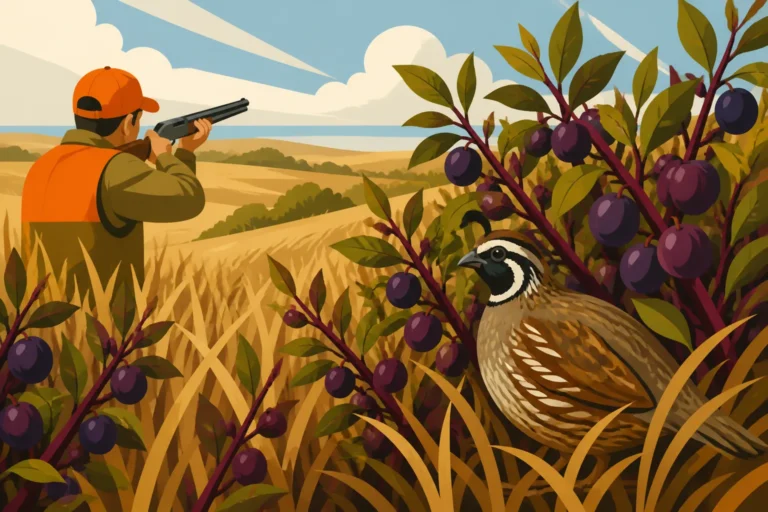
Equally vital is protective cover. This isn't just a place to hide; it's a multi-layered defense system. Escape cover needs to be dense enough to break the visual and physical pursuit of avian predators like hawks and terrestrial predators like coyotes. Think tangled plum thickets, blackberry brambles, or dense patches of native warm-season grasses. Roosting cover, where they spend the night, should be overhead to protect from nocturnal predators and the elements, often found in low-growing shrubs or dense grasses. Loafing cover, used during the day to rest and dust bath, is usually more open but still offers quick access to escape cover. If a covey has to travel far to get from their feeding grounds to their safety, they become highly vulnerable. This is why you often find Quail Covey Size and Behaviour so closely tied to habitat quality – a robust covey means they're finding everything they need in a compact area.
Water Sources and Their Importance
While bobwhite quail can derive some moisture from dew, insects, and succulent vegetation, readily available water sources are still an important component of prime habitat, especially during dry spells or late in the season when natural moisture is scarce. You might think, "Well, it's Kansas, there's always a pond or a creek." But it's not just about any water; it's about accessible water that's surrounded by good cover.
Standing water like farm ponds, creek bottoms, and even temporary puddles after a rain can be huge magnets for quail, especially if the edges are soft, muddy, and flanked by thick vegetation. Quail are small birds, and they won't venture far into open, exposed areas to drink. The ideal water source for quail often has a gradual slope, allowing them to get down to the water's edge without being exposed, and is immediately adjacent to dense escape cover. This allows them to quickly dart in, get a drink, and disappear back into safety. In fact, when you're Reading a Kansas Creek Bottom for Deer Sign, keep an eye out for quail signs around those same water features.
During prolonged dry periods, the importance of these accessible water sources increases dramatically. A covey that has to travel long distances for water expends valuable energy and increases its exposure to predators. This is especially true in the drier western parts of Kansas where permanent water can be few and far between. Even though Kansas has experienced fluctuating Quail Population Cycles Explained over the years, access to reliable water, often nestled within thick cover, remains a non-negotiable for stable populations, particularly during the hot summer months when broods are growing.
Nesting and Brood-Rearing Habitat
The cycle of life for a bobwhite quail hinges on successful nesting and brood-rearing, and this stage demands a very specific kind of habitat to ensure survival. If the environment isn't right for these critical periods, all the food and cover in the world during the hunting season won't matter because there simply won't be any quail. This is where the long-term health of a population is truly determined.
Nesting cover is typically characterized by clumps of native grasses mixed with broadleaf forbs (weeds). Quail prefer to build their nests on the ground, usually a shallow depression lined with grass and other vegetation, and they need overhead cover to conceal the nest from predators like raccoons, skunks, and snakes. This means areas that haven't been heavily grazed or mowed are often preferred. A healthy stand of native warm-season grasses like switchgrass, Indiangrass, and big bluestem, along with cool-season grasses, provides excellent nesting structure. The cover needs to be dense enough to hide the nest but not so dense that it prevents the adults from easily accessing and exiting the nest.
Once the chicks hatch, they require brood-rearing habitat, which is often subtly different from nesting cover. Brood cover needs to be more open at ground level to allow tiny quail chicks to move around and forage for the insects that are vital to their rapid development. This means a mix of bare ground, sparse grass, and broadleaf forbs, often found in annually disturbed areas like old fields, field borders, or areas that have undergone recent light disking or prescribed fire. Think about the edge of a crop field where weeds are growing, but there's still bare dirt between them, providing an "insect highway" for the chicks. Without this specific mix, chicks struggle to find enough food and are more susceptible to disease and predation. Understanding this distinction is crucial, as areas that are perfect for nesting might be too thick for successful brood-rearing, leading to high chick mortality even if nests are successful.
Prime Kansas Landscapes for Quail
Kansas, with its vast agricultural lands, diverse prairie ecosystems, and extensive riparian corridors, offers a complex mosaic of potential quail habitat. However, not all acres are created equal. The most productive areas for bobwhite quail in the state are those that naturally, or through careful management, provide the intricate habitat components we just discussed. It's like finding a needle in a haystack if you don't know what you're looking for, but once you train your eye, you'll start to see patterns in the landscape.
The Role of Cropland Edges and Field Borders
Kansas is an agricultural powerhouse, and while vast monoculture fields of corn or soybeans don't offer much to quail, their edges are absolutely vital. These transitional zones between cultivated ground and uncultivated cover are frequently where you'll find the highest density of bobwhite quail. Think of it as the grocery store right next to the safe apartment building – all needs met within a stone's throw.
Field borders, where farmers might leave a strip of unplanted ground, can be goldmines. These areas often develop a mix of weeds that produce crucial seeds, provide insect habitat, and grow tall enough to offer some overhead concealment. The key is diversity – not just one type of weed, but a mix of annuals and perennials that create a staggered food plot throughout the season. These can be particularly productive near small timber blocks or draws, creating a natural funnel and sanctuary for birds.
Another important aspect is the type of crop. Milo (grain sorghum) fields, especially when left standing or cut in strips, can provide excellent late-season food and cover. The small grains are digestible for quail, and the dense stalks offer protection from winter winds and predators. Corn can also be beneficial, particularly along edges where it borders other cover, but it generally offers less accessible food and cover than milo once harvested. When you're scouting, pay close attention to where these crop fields meet fencerows, small timber lines, or CRP fields, as these intersections are often incredibly productive. These are classic examples of the habitat needed for Kansas Whitetail Hunting Tactics Through the Rut as well, highlighting how diverse landscapes benefit multiple species.
Native Grasslands and CRP Programs
Kansas is synonymous with grasslands, from the tallgrass prairie of the Flint Hills to the mixed-grass prairies of the central and western regions. These native grasslands, when managed properly, are the backbone of quail habitat across much of the state. However, not all grasslands are created equal; a hayed field every year provides little value. The Conservation Reserve Program (CRP) has been a true game-changer in many areas, converting marginal cropland back into beneficial grassland habitat.
CRP fields planted to native warm-season grasses provide excellent nesting and roosting cover. The thick, upright growth offers concealment, and the spaces between the clumps allow for insect foraging. What makes CRP particularly beneficial for quail is when it's managed with a diverse seed mix that includes forbs. These forbs are those crucial "weeds" that provide seeds and insects. A CRP field that's a monoculture of dense grass without any broadleaf diversity will be less productive. The optimal CRP field for quail is often one that has some strips of unmanaged brush or timber nearby, providing that essential escape cover. The decline of certain federal programs, leading to CRP Loss and Kansas Pheasants, unfortunately, also impacts quail populations negatively, underscoring the importance of these lands.
The native prairies, particularly in the Flint Hills, also offer pockets of excellent quail habitat. Here, the key is often how the land is grazed or burned. Light to moderate grazing can create a mosaic of shorter and taller grasses, which quail utilize. Patches of un-grazed areas or lightly grazed pastures often have more diverse forbs and better nesting cover. Areas that are routinely burned annually might be too "clean" for quail, as burning removes the critical horizontal cover and seed sources. However, patchy, rotational burning can be highly beneficial, creating diverse age classes of vegetation that provide a range of food and cover.
Timbered Draws and Plum Thickets
While Kansas might be known for its open plains, the timbered draws, creek lines, and dense plum thickets are arguably the most critical components of resilient quail habitat. These are the "safe houses" that provide crucial escape cover, loafing areas, and protection from harsh weather, particularly during the brutal Kansas winters. In fact, when hunters talk about Plum Thickets and Quail Cover, they're often referring to these essential safe havens.
Timber draws, even small ones, offer invaluable sanctuary. The trees themselves provide roosting sites and overhead protection, but it's the understory that's paramount for quail. Look for dense thickets of brush, briars, and tangled vines within these draws. These impenetrable patches offer immediate escape from predators. They also provide thermal cover, insulating quail from chilling winter winds and blistering summer sun. A draw that's completely "clean" underneath with just grass and mature trees is far less desirable than one with a thick, tangled underbrush.
Plum thickets are legendary among quail hunters, and for good reason. These dense, often thorny, shrubby patches provide everything a quail needs for security. They're difficult for predators to penetrate, offer excellent overhead and horizontal cover, and often grow in areas where other food sources are nearby. A thicket that's several yards wide and long can hold multiple coveys, serving as a primary refuge. They are also incredibly important for Winter Weather and Quail Survival, offering a crucial buffer against ice and snow. These thickets are often found along fencelines, field edges, or within larger timber blocks, creating vital travel corridors and safe havens for quail moving between feeding areas.
The Impact of Land Management on Quail Habitat
Simply having a general idea of what quail like isn't enough; actively managing the land is often the deciding factor in whether a property holds a few scattered birds or consistently produces good numbers. Landowners, whether they are farmers or dedicated conservationists, have a tremendous influence on the quality and quantity of quail habitat available. These are hands-on techniques that can transform marginal ground into prime quail territory.
Prescribed Burning for Quail
Prescribed burning is one of the most powerful and cost-effective tools for enhancing quail habitat in Kansas, but it needs to be done correctly and thoughtfully. It's not just about setting fire to grass; it's about using fire as a precision tool to reset ecological succession and create the diverse vegetation structure that quail thrive in.
Fire, when applied properly, can knock back invasive woody species, reduce litter accumulation in grasslands, and stimulate the growth of beneficial forbs. By burning different areas on a rotational basis, you can create a mosaic of varying cover types and ages across the landscape. For example, a patch burned two years ago might be excellent nesting cover, while an area burned last year might be ideal for brood-rearing with its open ground and new forb growth. An unburned patch might provide dense escape cover. This patchwork approach is key.
However, annual, widespread burning, particularly in the spring, can be detrimental. It removes critical nesting cover too early in the season, forces hens to re-nest, and can leave the landscape barren during peak insect availability for chicks. The ideal strategy involves burning only a portion of the habitat each year, perhaps 1/3 or 1/4 of the total area, on a rotation. This ensures there's always a mix of old growth for nesting, recent burns for foraging, and dense escape cover nearby. Knowing how to implement this effectively is crucial, and it shares principles with managing Hunting Kansas Walk-In Land Without Burning It Out to ensure sustained wildlife populations.
Disking and Edge Feathering Techniques
Beyond fire, mechanical disturbances like disking and selective timber management, often called edge feathering, are incredibly valuable for creating and maintaining suitable quail habitat. These techniques focus on creating the messy, diverse edges that quail crave.
Light disking, particularly in fallow fields, food plot edges, or along field borders, can mimic natural disturbances and stimulate the growth of desirable annual weeds. These "weeds" are often rich in the seeds and insects that quail depend on. Disking helps expose bare ground, which is vital for quail chicks to move and forage, and it can break up thick, impenetrable stands of grass that offer little value. Like burning, disking should be done on a rotational basis, impacting only a portion of the habitat at a time to ensure a continuous supply of various cover types.
Edge feathering is a technique that involves selectively cutting or altering trees and shrubs along the edges of timber blocks, fencerows, or draws. Instead of creating a sharp line between forest and field, edge feathering creates a gradual transition zone. This often involves hinge-cutting trees (cutting them partially so they fall over but remain alive) or simply cutting smaller trees and shrubs to allow them to sprout and create dense, low-growing cover. This provides excellent escape and loafing cover, creates horizontal structure, and increases the availability of soft mast (berries) from the increased sunlight reaching the forest floor. These feathered edges are much more valuable to quail than a stark, abrupt timber line.
Hedgerows and Shelterbelts
In the vast, often open landscapes of Kansas, hedgerows and shelterbelts serve as crucial lifelines for bobwhite quail. These linear strips of trees and shrubs, often planted for windbreaks or to delineate property lines, provide vital cover and travel corridors in otherwise exposed environments. They might seem small and insignificant on a map, but their impact on quail can be enormous.
Hedgerows, particularly those composed of multi-species plantings that include thorny shrubs like Osage orange, plum, or multiflora rose, offer dense, protective cover. Quail use these to move safely between larger blocks of cover or feeding areas without being exposed to aerial predators. They also provide thermal cover during harsh weather and can be rich sources of insects and berries. A healthy, wide hedgerow can act as a natural highway system for coveys, connecting disparate habitat patches.
Shelterbelts, typically wider and taller than hedgerows, are also incredibly important. While the mature trees might not offer direct quail cover, the understory often does. Look for shelterbelts that have a dense, shrubby layer at ground level, or those that border a native grassland or CRP field. These areas provide protection from prevailing winds, reducing the energetic demands on quail during cold periods. Many times, you’ll find these shelterbelts are key features in areas described in articles like Shelterbelt Ends and Buck Travel, indicating how multi-purpose they can be for wildlife. Without these linear strips of cover, many agricultural areas would simply be too exposed for quail to persist.
Here's a quick look at some key habitat components for Kansas Bobwhite Quail:
| Habitat Component | Primary Benefit | Optimal Characteristics | Kansas Example |
|---|---|---|---|
| Field Edges | Food (seeds, insects), some cover | Diverse weeds (ragweed, smartweed), bare ground, soft edges | Unmowed fencerows bordering milo fields |
| Native Grasslands | Nesting, roosting, some food | Varied height, native warm-season grasses + forbs, light grazing | CRP fields with diverse seed mixes, un-hayed pastures |
| Plum Thickets | Escape cover, thermal protection, loafing | Dense, tangled, thorny, often 5-10+ yards wide | Brushy patches along creek draws or old fencelines |
| Timber Draws | Escape cover, roosting, thermal protection | Dense understory of shrubs/vines, access to water | Small wooded creek bottoms in eastern Kansas |
| Fallow Fields | Brood-rearing, food (weeds, insects) | Mix of bare ground, annual weeds, moderate disturbance | Old crop fields left unplanted for a season or two |
| Water Sources | Drinking, insect habitat (wet edges) | Accessible, shallow edges, immediate proximity to dense cover | Farm ponds with brushy banks, muddy creek crossings |
Scouting for Bobwhite Quail Habitat
Okay, so you understand what makes good quail habitat. Now, how do you find it? Scouting for bobwhite quail in Kansas is a blend of technology and boots-on-the-ground investigation. It's like being a detective, piecing together clues from satellite imagery, historical data, and direct observation. The most successful hunters don't just randomly walk; they have a well-thought-out plan based on sound habitat principles.
Reading Aerial Maps and Topography
Before you ever step foot on a property, modern technology allows you to do an incredible amount of "e-scouting." Tools like GoHunt maps or similar platforms provide high-resolution aerial imagery that can reveal many of the habitat components quail require. This is especially true in open Kansas farm country where subtle changes in vegetation or terrain can be easily spotted from above. Think of it as your first, crucial step in E-Scouting Kansas Farm Country From Home.
Look for the tell-tale signs: sharp changes in vegetation color or texture indicating field edges, fencerows, or CRP fields. Identify those dark green, irregular shapes that signal timbered draws or plum thickets. Pay attention to how these features connect. Do the draws link up with larger timber blocks? Do the CRP fields abut a crop field? Quail want continuous, connected cover that allows them to move safely. Also, note topography. Even subtle elevation changes can create south-facing slopes that warm up faster in the morning, or low-lying areas where water collects, potentially fostering lush vegetation. A seasoned eye can identify potential quail magnets simply by scrolling over a map.
It's not just about what you see today, either. Many mapping platforms offer historical imagery. Looking at past years can reveal how a field was managed, if a certain patch of timber was recently cut, or if a new CRP field was established. This historical context can give you an edge in predicting current habitat conditions and avoiding areas that might look good now but were recently disturbed in an unfavorable way. This kind of detailed reconnaissance is invaluable before you dedicate time and effort to a new area.
On-the-Ground Sign and Interpretation
While aerial maps are a fantastic starting point, nothing beats putting boots on the ground and interpreting the direct signs left by quail. This is where you confirm your theories from e-scouting and find the specific locations where coveys are holding. It's a skill that develops with experience, much like tracking any other game animal.
The most obvious sign, of course, is hearing the "bob-white" call itself. During the spring and early summer, this is a strong indicator of quail presence. However, during the hunting season, you'll need to look for more subtle clues. Quail tracks, though small, can be found in soft dirt, especially along dusty field edges, around water sources, or near loafing cover. Their droppings, small and dark, can also be found in areas where they frequent.
Beyond direct signs, you're looking for micro-habitat features. Is the plum thicket as dense as it looked from above? Is there an accessible water source nearby? Is the understory of the timbered draw full of briars and tangles, or is it open and clean? Look for dust bowls – small depressions in the dirt where quail have taken dust baths to help clean their feathers. These are often found in sunny, sandy spots adjacent to thick cover. Also, look for signs of feeding – peck marks in the dirt, or areas where small seeds might have been consumed. The density and quality of these ground-level features are what truly make a spot productive for a covey.
Leveraging Tools like GoHunt for Habitat Intelligence
In today's hunting world, leveraging technology is no longer optional; it's essential for efficient and successful scouting. Platforms like GoHunt aren't just for deer hunters; they offer a wealth of data that can be directly applied to finding prime bobwhite quail habitat. These tools bring together various data layers that would be incredibly time-consuming to find and synthesize on your own.
GoHunt maps, for instance, allow you to overlay private and public land boundaries, which is crucial for identifying legal access points. More importantly for quail, you can often find layers showing CRP acreage, specific land management zones, or even recent burn data in some areas. This aggregated information helps you quickly pinpoint large blocks of potential habitat that you might otherwise miss. Using their comprehensive filtering capabilities, you can narrow down areas based on habitat types, giving you a serious leg up.
Furthermore, some advanced mapping features within platforms like GoHunt can help you understand terrain features like slope and aspect, which can be critical for predicting where quail might find thermal cover during different times of the year. By understanding where the sun hits at different angles, or where wind is blocked, you can make more educated guesses about bird locations. The ability to drop pins, create custom routes, and share information with hunting partners also streamlines the scouting process, ensuring you're making the most of your time in the field. This kind of detailed mapping is fundamental for anyone serious about consistently locating Best Kansas Counties for Quail.
Challenges and Conservation Efforts
Despite the undeniable allure of bobwhite quail hunting in Kansas, the species faces significant challenges. Their populations, while cyclical, have seen long-term declines in many areas due to habitat loss and other environmental factors. This reality makes understanding conservation efforts and the threats they face even more crucial for hunters and landowners alike. Ignoring these issues means risking the very future of the sport we love.
Habitat Loss and Fragmentation
The single greatest threat to bobwhite quail in Kansas, and across much of their range, is habitat loss and fragmentation. As agricultural practices become more intensive, and as urban and suburban areas expand, the diverse, interconnected landscapes that quail depend on are being altered or outright destroyed. This leads to isolated pockets of birds that struggle to survive and reproduce.
The removal of hedgerows, fence lines, and odd corners of fields to maximize crop production eliminates vital travel corridors and escape cover. Clean farming practices, while economically beneficial for farmers, often leave little room for the "weeds" and brush that provide crucial food and cover for quail. Furthermore, the conversion of diverse native grasslands to monoculture crops or fescue pastures eliminates prime nesting and brood-rearing habitat. What results are fragmented landscapes where quail habitat exists only in small, disconnected islands. These isolated coveys are more vulnerable to predation, severe weather events, and genetic bottlenecks, making it harder for populations to rebound.
It's a stark reality that impacts not just quail but other species too. When you see articles detailing Kansas Turkey Population Trends or Kansas Pheasant Population Cycles, habitat loss is almost always a contributing factor. The cumulative effect of these changes over decades has significantly reduced the carrying capacity of the land for quail, meaning fewer birds can survive, even in good weather years.
Predator Control and Weather Factors
While habitat is king, predator pressure and severe weather events can also significantly impact bobwhite quail populations, especially when habitat is already suboptimal. These factors can act as compounding stressors, making it even harder for quail to thrive.
Quail are a prey species, and a wide array of predators feast on them and their eggs. Raccoons, skunks, opossums, snakes, coyotes, bobcats, and various raptors all contribute to quail mortality. When habitat is fragmented and lacks adequate escape cover, quail are far more exposed and vulnerable to these predators. Effective habitat management, which provides dense, multi-layered cover, is the best "predator control" as it gives quail the tools they need to escape. While direct predator removal can sometimes offer localized, short-term benefits, it's rarely a sustainable, landscape-level solution compared to robust habitat.
Weather, particularly extreme events, plays a massive role in Quail Numbers After a Wet Spring and overall survival. Prolonged periods of drought can decimate insect populations and reduce crucial vegetation, impacting brood survival. Conversely, excessively wet springs can lead to nest flooding and increased chick mortality from hypothermia or disease. Severe winter ice storms, especially those that freeze snow to the ground and cover food sources, can cause widespread covey losses when thermal cover is insufficient. These natural fluctuations are part of the Quail Population Cycles Explained, but robust, resilient habitat can buffer quail from the worst impacts of these events, allowing populations to recover more quickly.
Kansas Programs to Enhance Quail Habitat
Thankfully, recognizing these challenges, Kansas has several programs aimed at working with landowners to enhance and restore bobwhite quail habitat. These initiatives are vital for reversing declines and ensuring future hunting opportunities. Hunters and conservationists play a crucial role in supporting these programs and encouraging their adoption.
The Kansas Department of Wildlife and Parks (KDWP) offers technical assistance and cost-share programs to landowners interested in habitat improvement. Programs like the Walk-In Hunting Access (WIHA) program also provide crucial public access to managed lands. While WIHA is primarily about access, many of the lands enrolled in it are managed for game, including quail. This provides public hunters with opportunities they might not otherwise have on private lands.
Additionally, federal programs like the Conservation Reserve Program (CRP) remain incredibly important. While not specifically a "Kansas program," KDWP often works with federal agencies to encourage specific types of CRP enrollment that are most beneficial to quail, such as diverse native grass and forb mixtures. There are often state-level incentives or endorsements for certain conservation practices. Organizations like Quail Forever also work closely with landowners, providing expertise, resources, and cost-sharing for habitat projects specifically designed to benefit bobwhite quail. These partnerships are critical for getting habitat work done on a meaningful scale across the Kansas landscape, ensuring that future generations can still experience the thrill of a bursting covey.
Disclaimer
The information provided in this article is for general informational purposes only and does not constitute professional advice. Hunting regulations and land management practices can change frequently. Always consult the latest Kansas Department of Wildlife and Parks regulations and landowner permissions before engaging in any hunting activities.