Night Hunting Rules for Coyotes in Kansas
Kansas coyote night hunting regulations require a valid license, private land permission, and specific rules for artificial lights.
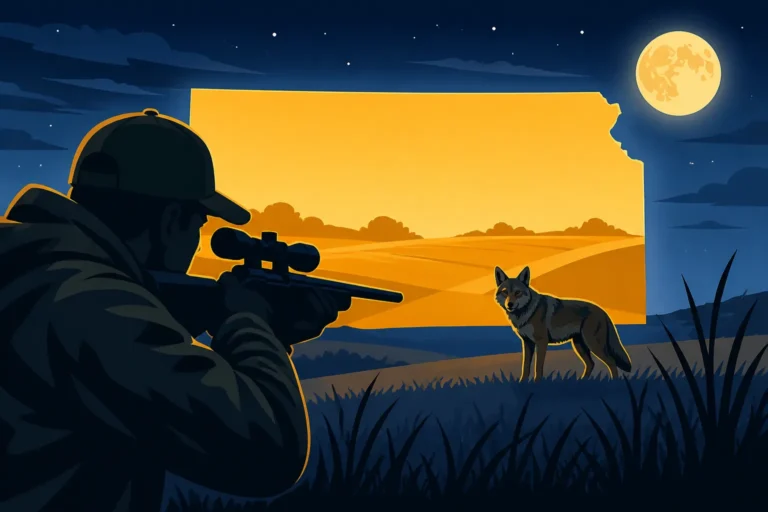
Kansas coyote night hunting regulations require a valid license, private land permission, and specific rules for artificial lights.
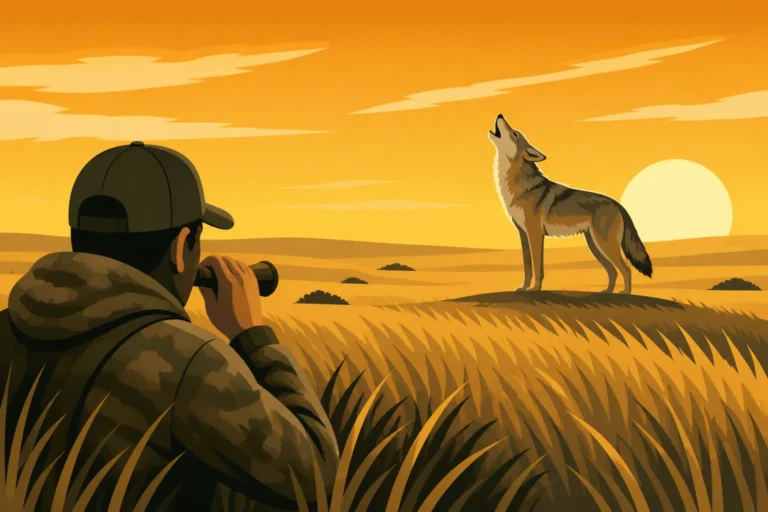
Coyote calling in Kansas requires understanding flat terrain, downwind circling behavior, and seasonal vocalization changes.
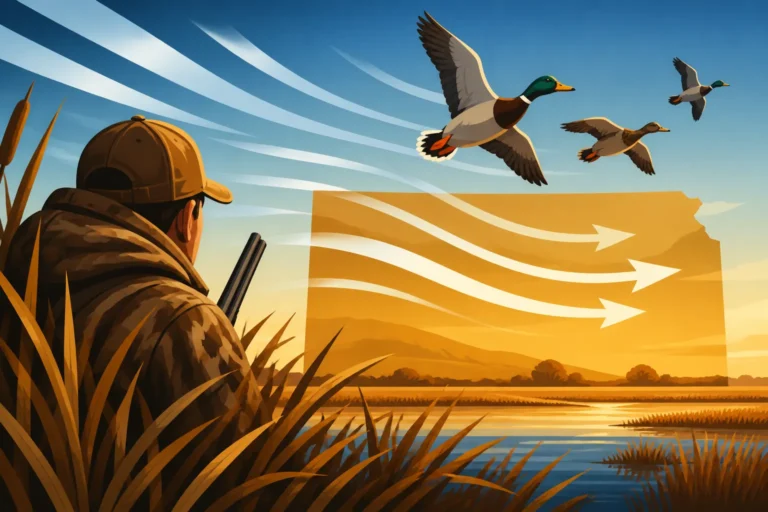
Kansas wind patterns dictate waterfowl flight, landing zones, feeding habits, and migration timing for hunts in the Central Flyway.
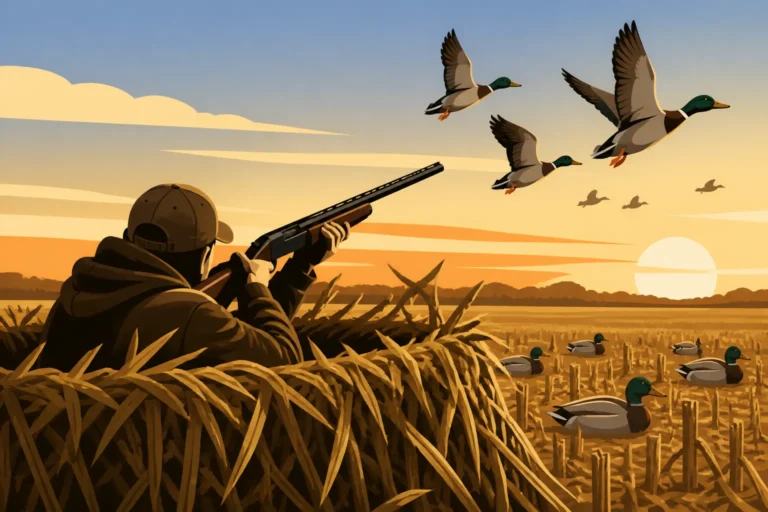
Layout blinds in Kansas cut fields provide concealment for duck and goose hunters where flat agricultural stubble offers zero natural cover.
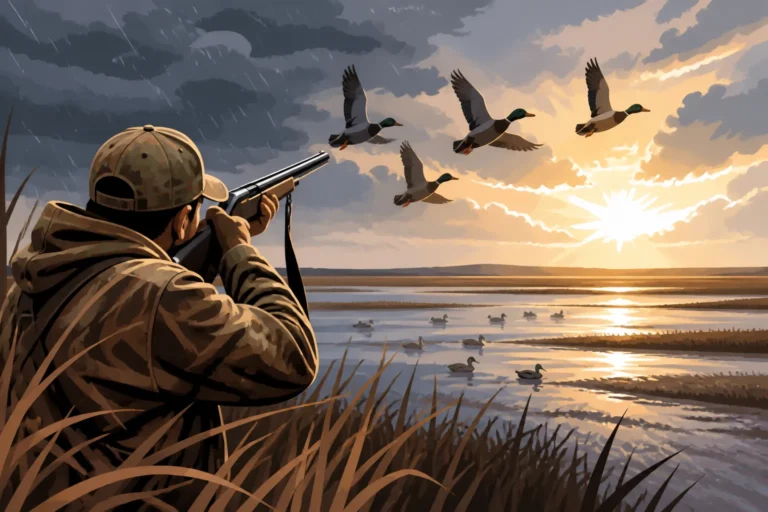
Kansas playa lakes fill with rain to create temporary wetlands that attract migrating ducks and geese for waterfowl hunting.
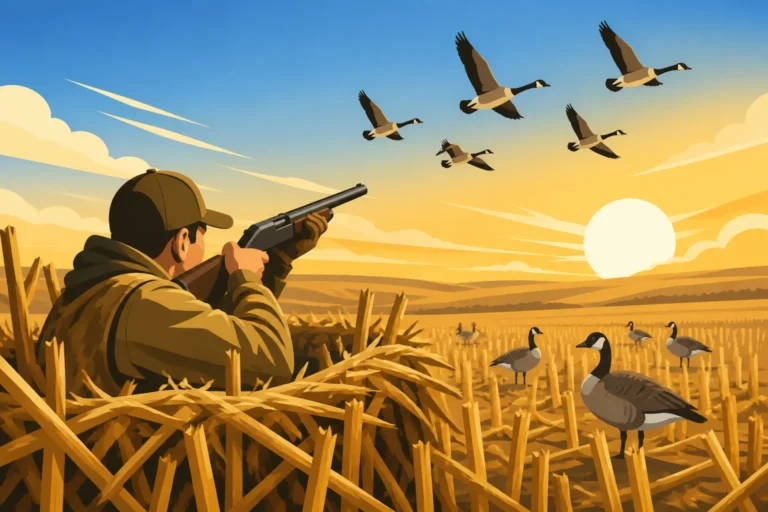
Field hunting geese in stubble requires understanding daily routines, reading feeding patterns, and using proper decoy spreads.
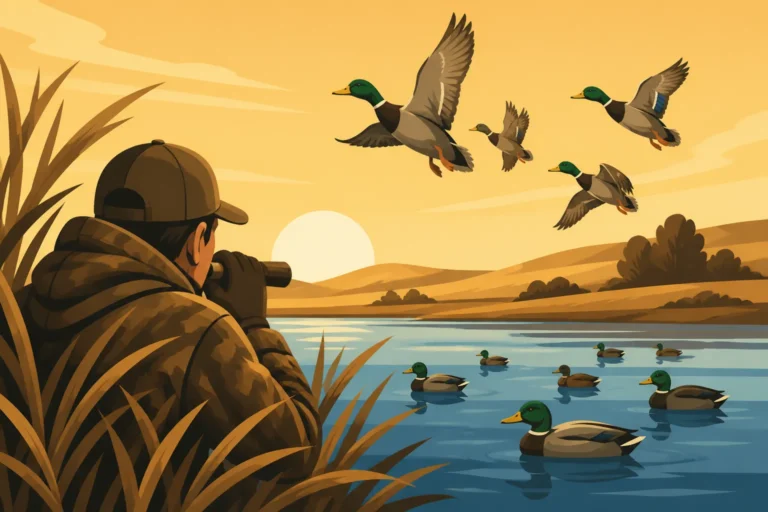
Kansas reservoir duck hunting strategies explain wind direction, water level changes, points, and coves to attract waterfowl.
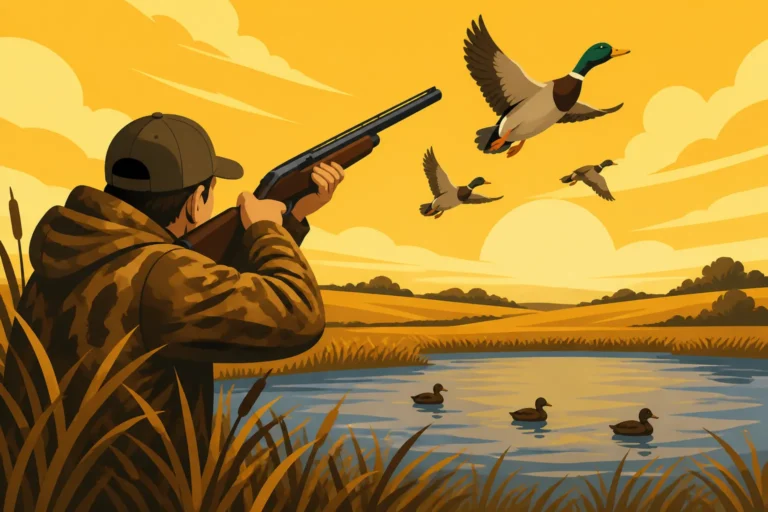
Jump shooting Kansas farm ponds provides duck hunters a mobile alternative using a twelve gauge or twenty gauge shotgun and basic gear.
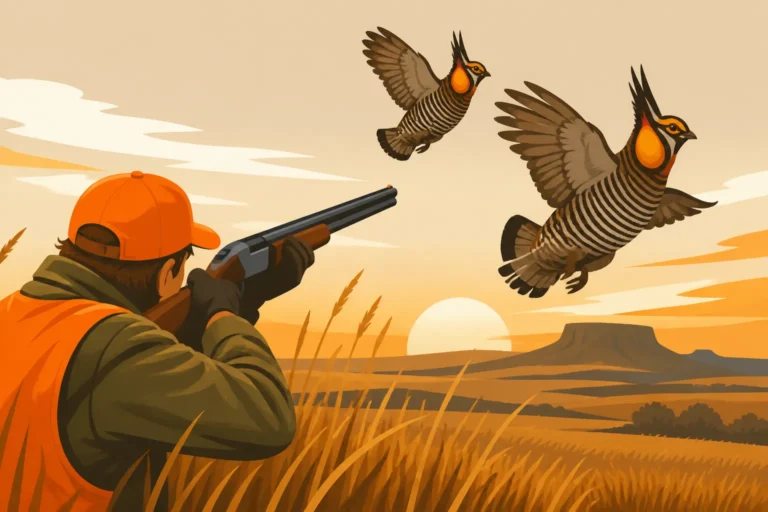
Pass shooting prairie chickens in Kansas helps hunters intercept birds by utilizing their predictable daily flight patterns.
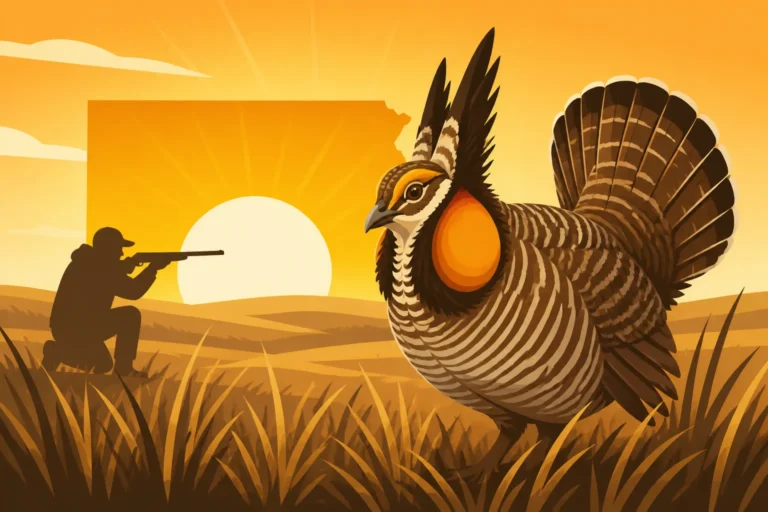
Kansas prairie chicken season dates, permit requirements, and early season bird behavior help hunters plan successful hunts.