Kansas Hunter Education and Licensing Basics
Kansas hunter education requirements and licensing rules explain who needs certification and how out of state certificates apply.

Kansas hunter education requirements and licensing rules explain who needs certification and how out of state certificates apply.

Kansas antlerless deer permits allow hunters to harvest does, manage wildlife populations, and extend seasons with KDWP tags.
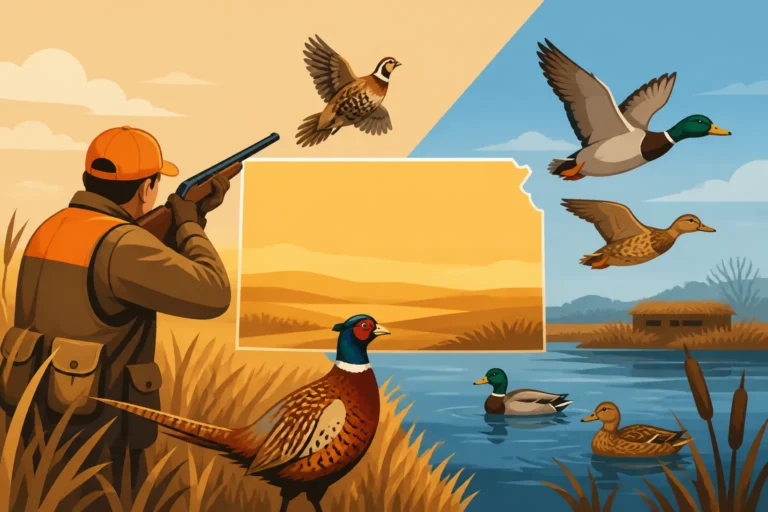
Kansas upland bird and waterfowl hunting seasons, managed by the KDWP, rely on biological surveys and federal frameworks.

Kansas landowner and tenant deer permits require owning eighty contiguous acres of agricultural land or actively farming it.

Kansas elk permits and Fort Riley hunts provide rare opportunities to track elusive herds across Unit 2, Unit 3, and military reservation lands.
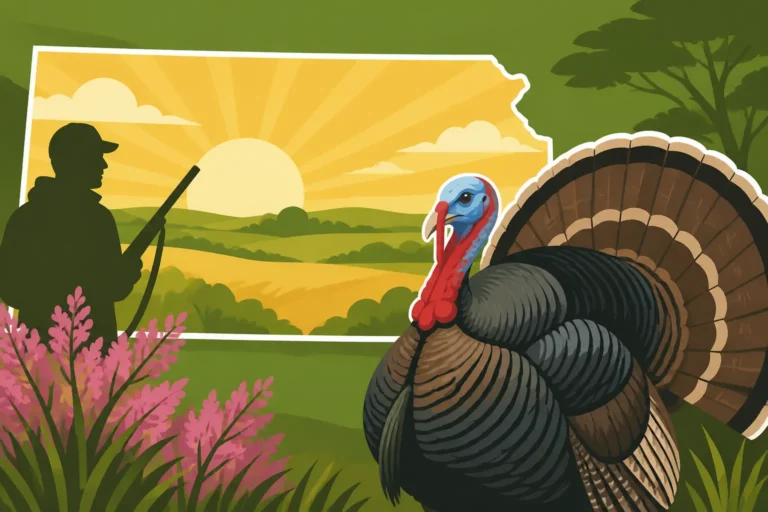
Kansas spring turkey permits and unit restrictions explained with application periods, unit quotas, and deadlines for hunters.

Kansas preference points establish draw priority for nonresident deer permits, helping hunters build seniority and improve odds over time.

Kansas hunting license costs, residency rules, and permit requirements for residents and non-residents explained clearly.

Kansas deer season dates by weapon, permit rules, and resident requirements managed by the Kansas Department of Wildlife and Parks.

Kansas nonresident deer permits and preference point rules explained with draw dates, unit systems, and application deadlines.