Kansas Deer Habitat in Crop Country
Hunting deer in Kansas crop country can feel like trying to find a needle in a haystack if you don't understand how these incredible animals utilize the vast agricultural landscape. It's not just about endless fields of corn and beans; there's a subtle, intricate dance between whitetails and the habitat provided by farming practices. This guide will walk you through the key elements of deer habitat in Kansas's prime agricultural regions, helping you decipher where deer live, feed, and travel, even when it looks like nothing but open ground.
The Unique Landscape of Kansas Crop Country
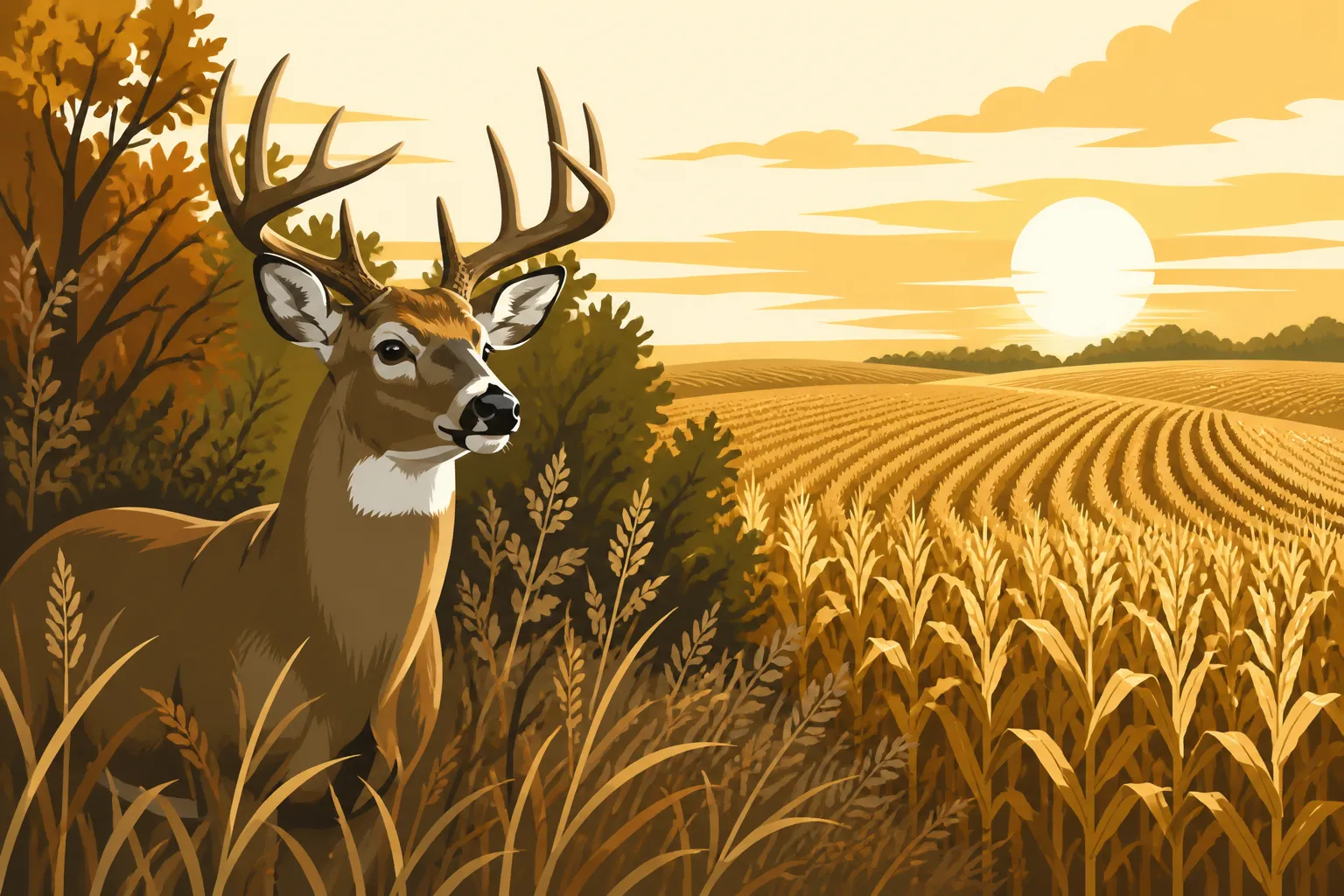
Kansas is famous for its wide-open spaces, and much of that "openness" is dominated by agriculture. While some might think of it as a barren wasteland for deer, nothing could be further from the truth. The deer here don't just survive; they thrive, growing into some of the biggest-bodied and heaviest-antlered whitetails in the nation. It's all about how they interact with the specific mosaic of crops and the pockets of natural cover that dot the landscape.
Dominant Agricultural Practices
When you drive through Kansas, especially in the central and eastern parts, you're going to see a lot of corn, soybeans, milo (grain sorghum), and wheat. These aren't just pretty fields; they are the grocery stores, bedding areas, and travel corridors for deer throughout the year, but their utility changes drastically with the seasons. Early in the season, tall standing corn or mature milo fields can be impenetrable fortresses, offering complete security and endless food. A buck can live his entire life within a few hundred acres of these fields, rarely exposing himself.
As the season progresses, and especially after harvest, these same fields transform. What was once dense cover becomes an open buffet of waste grain, drawing deer in from miles around. Soybeans offer high-protein forage when green, and then dropped beans become a valuable food source post-harvest. Wheat fields, particularly in the fall and winter, offer a lush green browse that's hard for deer to resist, especially when other food sources are scarce or frozen. Understanding this seasonal cycle is paramount. It’s not just about what crop is planted; it's about the stage of growth and the time of year that dictates its value to the deer herd. The sheer scale of these fields means deer have an incredible abundance of food energy, contributing directly to their impressive body and antler size.
Interspersed Cover and Edge Habitat
Even in the most intensively farmed areas, deer aren't living entirely in the open. Nature abhors a vacuum, and even small, seemingly insignificant pieces of cover become vital to whitetails. These include the timbered creek bottoms that snake across the plains, the evergreen shelterbelts planted decades ago for windbreaks, and even the often-overlooked fencerows choked with brush and small trees. These elements create the essential "intersections" and "highways" in the deer's world.
Imagine a vast quarter-section of corn. While the middle might be good for bedding, the edges are where the real action happens. The transition line between that cornfield and a CRP field, or a narrow timber strip along a creek, is where deer feel most comfortable moving, feeding, and staging before entering or leaving more open areas. These edges provide a sense of security, allowing them to survey their surroundings without feeling completely exposed. These narrow corridors of cover are critical travel routes, particularly for mature bucks looking to avoid detection. They allow deer to move between feeding areas, bedding areas, and water sources under the protective canopy of brush and trees. If you're wondering how to find deer in these areas, studying the nuances of Hunting Terrain Funnels in Flat Country can provide crucial insights.
Food Sources: The Agricultural Buffet
One of the primary reasons Kansas whitetails grow so large and healthy is the sheer abundance and quality of food available to them. It's truly an all-you-can-eat buffet, seasonally adjusted, that provides everything a deer needs from spring green-up to the bitter cold of winter.
Cereal Grains and Row Crops
Let's talk about the big players: corn, milo, and wheat. Each offers unique benefits to deer, and understanding these differences is key to predicting deer movement.
- Corn: In the early season, from late summer into early fall, standing corn offers unparalleled security cover. Bucks will literally disappear into these fields for weeks on end, using the dense stalks for bedding and the developing ears for food. It's a double whammy: cover and calories. Once harvest rolls around, usually late September through November, the fields transform. The waste grain left behind becomes an absolute magnet for deer, especially as temperatures drop and other food sources become less palatable or accessible. The caloric density of corn is huge for deer trying to pack on weight before the rut and winter.
- Milo (Grain Sorghum): Often overlooked by hunters focused solely on corn, milo can be an even more consistent food source. Unlike corn, which is typically harvested earlier, milo often stands later into the fall, providing both cover and food well into the archery and early firearm seasons. The small, hard grains are highly digestible and preferred by deer, often sustaining them through periods when other crops are gone. Milo and Corn Stubble Deer Patterns often reveal that deer will gravitate to milo fields even after corn has been completely picked clean.
- Wheat: Primarily planted in the fall, winter wheat offers a vital green browse source during periods when other vegetation is dormant. Deer will graze these fields heavily throughout the colder months, getting essential vitamins and minerals. In the spring, before it heads out, green wheat provides succulent forage. While not as calorically dense as corn or milo, its availability during lean times makes it incredibly important.
The strategic planting and harvesting rotations create a shifting landscape of resources. A deer might bed in thick timber during the day, then emerge to browse on green wheat at dusk, only to move into a recently cut milo field for a late-night feast. Understanding this rotational buffet is crucial for effective hunting.
Forage and Browse in Non-Crop Areas
While the agricultural fields are massive food sources, deer aren't exclusively dining on farmer's crops. Interspersed within and alongside these fields are critical areas of natural forage and browse. CRP (Conservation Reserve Program) fields, road ditches, fencerows, and timbered draws offer a diverse menu of native grasses, forbs, and woody browse.
- CRP Fields: These areas, often planted with native prairie grasses like switchgrass and bluestem, are teeming with various forbs (broad-leafed plants) that deer readily consume. These fields also host a variety of legumes and weeds that are highly palatable. In addition to providing excellent bedding cover, CRP acts as an expansive salad bar, especially in spring and summer.
- Timber and Brush: In eastern Kansas, where more timber exists, mast crops like acorns from oak trees are a huge draw for deer, especially in years with good acorn production. Various woody browses, such as dogwood, sumac, and young tree shoots, provide essential nutrients throughout the year. Even in more open country, plum thickets, saplings, and briars in fencerows offer crucial browse. These areas also hold a diverse insect population, which contributes to the overall ecosystem health, ultimately benefiting deer. These "wild" food sources complement the agricultural diet, providing a balanced nutritional intake.
A hunter utilizing platforms like GoHunt can often overlay aerial imagery with crop data, allowing them to identify specific fields and their surrounding cover, providing a clearer picture of the local deer's food sources. This intel is invaluable for planning a successful hunt.
Bedding and Security Cover in a Flat World
Kansas isn't known for towering mountains or deep canyons. Instead, deer have adapted to finding security in a relatively flat landscape, utilizing whatever cover they can find. The strategies they employ for bedding and feeling secure are fascinating and often counter-intuitive to hunters coming from more rugged terrain.
CRP and Tall Grass Habitats
For a whitetail in Kansas, tall, dense grass—especially native prairie grass in CRP fields—is as good as a thick cedar swamp or a remote mountain ridge for security. These fields, which can span hundreds of acres, offer incredible concealment. A buck can literally disappear into knee-to-waist-high grass and feel completely safe from prying eyes.
- Bedding: Bucks, especially mature ones, will often bed in the thickest parts of these fields, using slight changes in topography or subtle wind currents to their advantage. They might pick a rise in the land that allows them to see downwind, or tuck into a depression to break the wind on a cold day. Fawns are often hidden in these dense grasses, protected from predators. CRP Grass and Where Bucks Bed is a detailed topic on its own, emphasizing how specific pockets within these fields become preferred hideouts.
- Thermal Cover: In both hot and cold weather, tall grass provides thermal regulation. It can shield deer from the scorching Kansas sun in summer and offer a surprising amount of insulation from winter winds. The sheer density makes it difficult for predators (human or otherwise) to move through silently, giving deer an auditory advantage. When scouting, pay close attention to the undisturbed centers and edges of CRP fields, especially those near food sources or water.
Timber Patches and Shelterbelts
While large blocks of timber are less common in much of Kansas, the small, isolated timber patches and long, linear shelterbelts become absolutely critical components of deer habitat. These features, often planted decades ago, are lifelines for deer movement and bedding.
- Bedding: Even a small patch of timber, say an acre or two, can serve as a primary bedding area, especially if it's got a thick understory of briars, cedars, or plum thickets. These isolated patches become safe havens where deer can rest during the day, particularly after feeding heavily in open fields at night. The denser the cover, the more likely a mature buck is to feel secure there.
- Thermal Cover: Coniferous shelterbelts, like those made of red cedar or pine, are invaluable for thermal cover in winter. They block the biting winds that sweep across the plains, offering deer a protected place to bed down and conserve energy. This is especially true on north-facing slopes or the north side of a field. These linear strips of trees, often ignored by hunters, are actually crucial travel corridors and bedding sites. Shelterbelts and Timber Points in Kansas Farm Country dives deep into how deer utilize these specific features. Don't underestimate the power of even a single line of trees running through an otherwise open field – it’s a highway for deer, and a key place to hang a stand.
Water Sources: A Critical Element
Water is just as vital as food and cover for deer, and in Kansas, where dry periods can be common, understanding where deer find water is essential. While not always as obvious as a large river, deer have a knack for finding every available water source.
Natural Waterways and Ponds
Kansas is crisscrossed by a network of creeks and rivers, many of which are lined with timber and brush, providing both cover and consistent water. These are magnets for deer.
- Creeks and Rivers: Even small, intermittent creeks can hold pockets of water for extended periods, especially in deeper bends or shaded areas. Larger rivers, like the Kansas or Arkansas, provide consistent, year-round water. Deer trails invariably lead to and from these waterways. They serve not just as drinking spots but also as major travel corridors. Deer will often follow a creek bottom for miles, moving between different feeding and bedding areas. Knowing how to Reading a Kansas Creek Bottom for Deer Sign is fundamental to locating these critical areas.
- Farm Ponds: Every farm seems to have a pond, and these are incredibly important, especially in areas lacking natural streams. Deer will visit ponds multiple times a day, particularly in hot weather or during the rut when bucks are expending a lot of energy. Look for trails leading directly to these water bodies; these are high-traffic areas. Overgrown edges around ponds also provide excellent staging and hiding cover.
Seasonal and Ephemeral Water Sources
Deer are opportunistic and will use any available water, no matter how temporary. These less obvious sources can become critical, especially during dry spells.
- Ditches and Low Spots: After a rain, even roadside ditches or low-lying areas in fields can hold water for a few days. Deer will drink from these temporary puddles, especially if it saves them a long trip to a larger, more exposed water source. This is particularly true in the extensive flat farm fields where significant elevation changes are rare.
- Agricultural Runoff: Irrigation ditches, runoff from sprinkler systems, or even standing water in tire ruts in fields can provide accessible water. Deer are not picky. During hot early seasons, when deer activity might be lower during the day, these small water sources can concentrate deer movement at dawn and dusk. Understanding Early-Season Bowhunting Over Water highlights the significance of these often-overlooked water points when temperatures soar. In western Kansas, where water can be scarce, knowing how deer find and utilize Finding Water in Dry Western Kansas becomes a survival skill for both the deer and the hunter.
Movement Patterns and Travel Corridors
In Kansas crop country, deer movement isn't random. It's dictated by the need for food, water, and security, and often funneled by subtle landscape features that become major travel corridors. Understanding these patterns is key to intercepting deer.
Field Edges and Fencerows
Deer are inherently cautious, and they prefer to minimize their exposure in open areas. This makes field edges and fencerows incredibly important.
- Field Edges: The transition line between two different crops, or between a crop field and a timber strip or CRP field, is a natural deer highway. Deer will skirt these edges, often just inside the taller cover, as they move between bedding and feeding areas. This allows them to stay hidden while still moving efficiently. Mature bucks, in particular, will use these edges to travel, often pausing at corners or points to scent-check the wind and survey the field before committing to an exposed crossing. This is where you might catch a buck cruising during the rut, scent-checking for does.
- Fencerows: Even a sparse fencerow with a few weeds, plum thickets, or small saplings can act as a significant travel corridor. It provides just enough visual break for a deer to feel comfortable moving during daylight hours. These linear features connect larger blocks of cover, acting as veins and arteries in the deer's habitat. Pay attention to fence crossings deer use every day, as these pinch points concentrate movement. These are excellent ambush points, especially if they connect two good bedding or feeding areas. A tool like GoHunt's mapping features can show property lines which often correspond to fencerows, giving you a clue where these travel lanes exist.
Creek Bottoms and River Systems
Beyond just providing water and cover, creek bottoms and river systems are often the most crucial travel corridors in Kansas, acting as major highways for deer.
- Major Arteries: These linear features offer consistent cover, food, and water, making them ideal for deer to travel long distances without being detected. Mature bucks will often follow these drainages during the rut, scent-checking for does and marking territory. They act as natural funnels, concentrating deer movement, especially in flat country where other terrain features are lacking.
- Cover and Security: The timber and brush associated with creek and river bottoms provide vital security, allowing deer to move during daylight hours. The undulations of the terrain within these bottoms also create micro-habitat variations, offering diverse bedding options and excellent thermal cover. Understanding how wind and thermals on a river bank behave can give you an edge in setting up effectively in these prime locations. For hunters, these are prime scouting grounds. Look for heavily worn trails, rub lines, and scrapes. If you’re trying to figure out how to navigate these areas, Scouting Kansas River Bottoms and Creek Draws can teach you how to read the landscape.
| Crop Type | Primary Benefit to Deer (Early Season) | Primary Benefit to Deer (Late Season/Post-Harvest) | Nutritional Value | Cover Value | Seasonal Importance |
|---|---|---|---|---|---|
| Corn | Dense bedding, developing ears | High-energy waste grain | High | High (standing) | Peak in late summer/fall, critical post-harvest winter |
| Milo | Dense bedding, developing heads | Persistent waste grain, standing cover | High | High (standing) | Peak in late fall, often provides cover longer than corn |
| Soybeans | High-protein forage (green) | High-protein dropped beans | Medium-High | Medium | High in summer, important post-harvest fall |
| Winter Wheat | Young, green browse | Young, green browse | Medium | Low | Critical in fall/winter for green forage |
| Alfalfa | High-protein forage | Limited in winter, often grazed down | High | Medium | Highly attractive in spring/summer |
| CRP Grass | Bedding, fawning, diverse forage | Bedding, thermal cover | Medium | High | Year-round, especially vital for security |
Impact of Human Activity and Hunting Pressure
Deer in Kansas crop country are incredibly adaptable, but they are also profoundly influenced by human activity. The presence of farmers and, critically, hunters, shapes their daily routines and long-term movement patterns.
Farming Operations and Disturbance
The agricultural calendar dictates much of the disturbance deer experience. From spring planting to summer spraying and fall harvest, deer are regularly exposed to tractors, combines, and human presence.
- Adaptation: Deer quickly learn to associate certain sounds and movements with non-threatening human activity. They might move off momentarily when a tractor enters a field, only to return once the machinery has passed. They learn the rhythm of farming and will often adjust their peak activity to times when fields are quiet. For example, during corn harvest, deer might move into adjacent timber or CRP during the day, then pour back into the cut field at night to feed on waste grain. This adaptability is remarkable and often frustrating for hunters who expect deer to be completely gone from an area after disturbance.
- Displacement: While deer tolerate much, intensive operations like harvest can temporarily displace them from their primary bedding or feeding areas. A combine going through a standing milo field will force deer out, at least for a day or two, until things settle down. This temporary displacement can create opportunities for hunters to catch deer moving into new areas or utilizing less-preferred cover. Understanding the timing of these farming activities is almost as important as understanding the habitat itself.
Hunter Pressure and Nocturnal Movement
Perhaps the most significant human impact on deer behavior, especially on public land or heavily hunted private ground, is hunting pressure.
- Behavioral Changes: When hunters constantly intrude into bedding areas or overuse obvious travel corridors, deer, particularly mature bucks, quickly become nocturnal. They learn to move predominantly under the cover of darkness, only venturing out into fields well after sunset and retreating to thick cover before sunrise. This is a primary frustration for many hunters. Public Land Deer Hunting in Kansas can be particularly challenging due to this exact issue.
- Seeking Sanctuaries: Increased pressure forces deer to seek out ever-thicker, more remote, or less-accessible pockets of cover. This might mean bedding in the deepest, most tangled part of a creek bottom, or finding security in a small, isolated plum thicket that hunters overlook. They prioritize survival above all else. Understanding these Hunting Pressure Patterns on Kansas Public Land is crucial for adapting your strategy. You need to become a "ghost" in the woods, using minimal impact scouting and careful entry/exit routes to avoid alerting deer to your presence. Sometimes, a mobile hunting setup with a saddle in Kansas can be the most effective way to hunt pressured deer, allowing you to get into areas quietly that traditional stands can't reach without leaving a heavy footprint.
Disclaimer
The information provided in this article is for general guidance and informational purposes only. Hunting regulations, seasons, and land access rules can change frequently. Always consult the most current Kansas Department of Wildlife, Parks and Tourism (KDWP) regulations and obtain all necessary licenses and permits before engaging in any hunting activities. Adhere to all landowner permissions and ethical hunting practices.