Kansas Predators and Furbearers
Living in Kansas, you quickly realize that deer and turkeys aren't the only wildlife making a living out there. For many hunters and landowners, the presence of predators and furbearers can be a significant concern, whether it's the impact on local game populations or damage to property. It’s frustrating when you're trying to manage your land for deer, only to feel like coyotes are constantly working against you, or when raccoons become a nightly nuisance. This comprehensive guide aims to demystify the various predators and furbearers that call Kansas home, offering insights into their behavior, management, and the regulations surrounding their harvest.
Understanding the Role of Predators and Furbearers in Kansas
When we talk about the wild side of Kansas, it's not just about the iconic whitetails and booming gobblers. There’s a whole cast of characters, from the cunning coyote to the elusive bobcat, and the industrious beaver, all playing vital roles in the ecosystem. Ignoring these species means missing a huge piece of the puzzle, whether you're a serious deer hunter, a landowner trying to protect livestock, or just someone who appreciates the balance of nature.
The Ecological Balance and Management Challenges
Predators and furbearers are absolutely crucial to maintaining a healthy ecosystem. They keep populations of prey animals in check, clean up carrion, and, in the case of species like beaver, can even create new habitats. Think about it: without coyotes, rabbit and rodent populations could explode, leading to overgrazing and the spread of disease. Beavers, with their dam-building prowess, create wetlands that benefit countless other species, from waterfowl to amphibians. It's a delicate dance, and when one part of the system is out of whack, the whole thing can suffer.
However, this natural balance often clashes with human interests. Farmers might struggle with coyotes preying on calves, while urban homeowners deal with raccoons getting into trash cans or even attics. Hunters, too, often worry about the effect of predators on game species, especially deer fawns and turkey poults. The challenge for Kansas wildlife management, and for us as hunters and landowners, is to find a sustainable way to coexist and manage these populations so that they thrive without causing undue harm to other species or our livelihoods. It's not about eradication; it's about responsible management and understanding the intricate web of life.
Dispelling Common Misconceptions About These Species
There's a lot of folklore and misinformation out there about predators, and it's easy to fall into the trap of thinking they're just "bad" for game animals. For example, many people believe that if you just eliminate all the coyotes, your deer population will magically boom. In reality, it's far more complex. While coyotes do take deer fawns, their impact is often most significant on already stressed or unhealthy deer populations. A healthy deer herd, with good habitat and proper buck-to-doe ratios, can generally withstand natural predation pressure. In fact, predators often cull the weak and sick, contributing to a stronger, more resilient prey base.
Another common misconception is that furbearers like raccoons and opossums are simply pests. While they can certainly be destructive in certain situations, they also play a role as scavengers, cleaning up the environment. Understanding their natural behaviors and dispelling these myths helps us approach management with a more informed and ethical perspective. It moves us away from emotional responses and towards data-driven decisions, which is always better for the wildlife in the long run.
Coyotes: The Opportunistic Hunter of the Plains
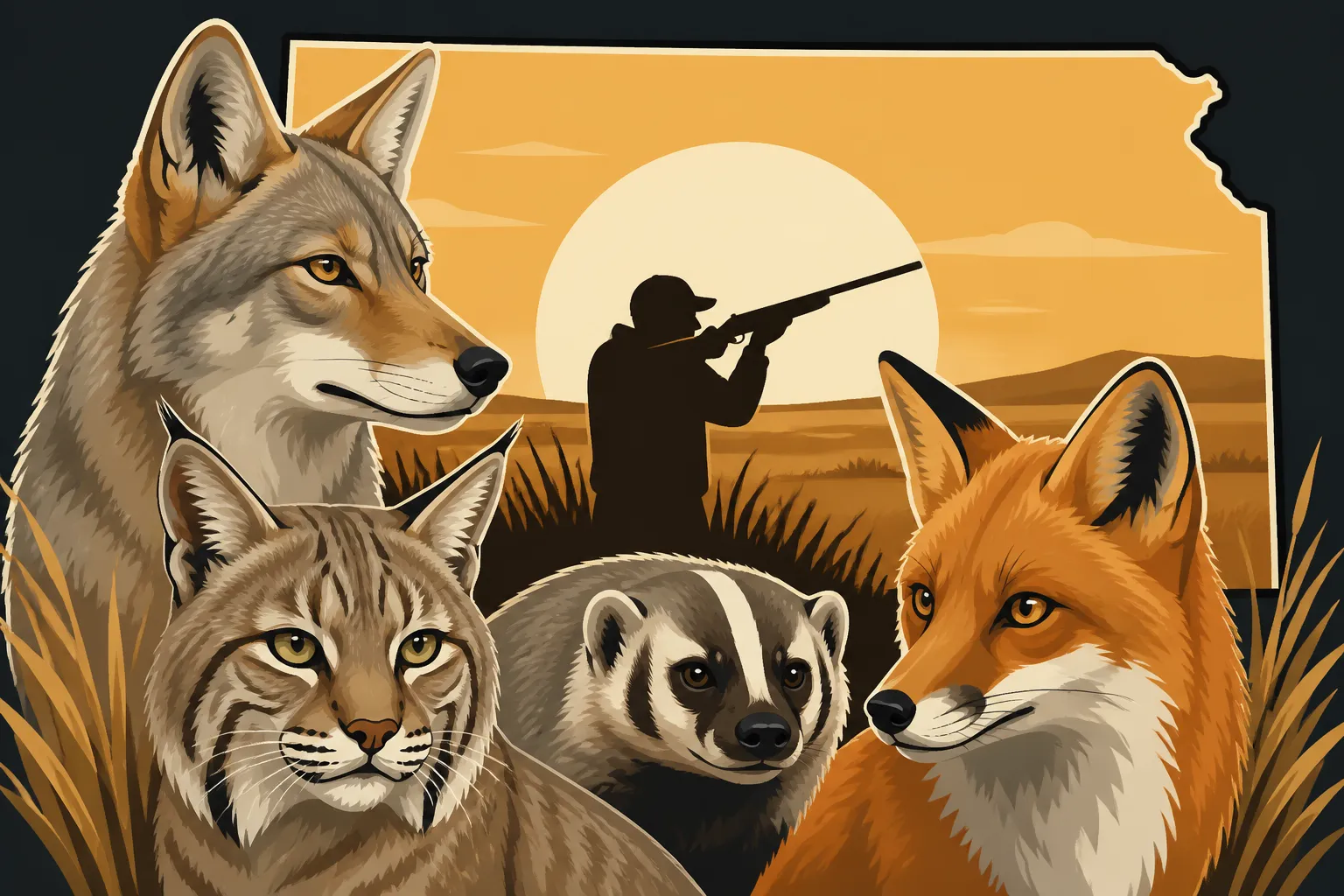
You can't spend much time in Kansas without encountering, or at least hearing, a coyote. These highly adaptable canids are probably the most recognized predator in the state, thriving in everything from the wide-open prairies of western Kansas to the timbered draws of the east. Their resilience and intelligence make them a formidable presence, and a frequent topic of conversation among hunters and landowners alike.
Coyote Behavior and Population Dynamics
Coyotes are incredibly intelligent and opportunistic animals. They’re generalists, meaning they'll eat just about anything – small mammals like rabbits and rodents, insects, fruits, carrion, and yes, unfortunately, sometimes deer fawns, turkey poults, or even domestic livestock. They typically hunt alone or in small family groups, and their vocalizations, from lonely howls to excited yips, are a hallmark of a Kansas evening. Their territories can vary greatly depending on food availability, but they are constantly on the move, always looking for an easy meal.
Kansas coyote populations are generally robust. They breed in late winter, and pups are born in spring, usually numbering 4-7. Their populations are quite resilient, largely because they can quickly adapt their breeding rates to compensate for losses. This is why widespread, unmanaged killing often doesn't significantly reduce long-term coyote numbers; instead, it can sometimes trigger them to breed more, leading to a quick rebound. Effective population control, when necessary, requires sustained effort and a good understanding of their social structure. Monitoring local populations, perhaps with trail cameras or observing sign, can give you a better idea of their presence. If you're using a tool like GoHunt, you might even find scouting insights or maps that highlight areas with known coyote activity based on other user reports or historical data, though always double-check local conditions.
Effective Coyote Hunting and Trapping Strategies
For many, hunting and trapping coyotes is not just about population control, but also a challenging and rewarding pursuit. Coyote calling is a popular method, often done with electronic callers mimicking distressed prey or other coyotes. This can be particularly effective in open Kansas country where they can hear calls from a distance. Setting up with the wind in your favor, near known travel corridors or bedding areas, is key. Hunters might use a variety of calls, from rabbit distress to pup-in-distress, trying to draw in curious or territorial coyotes. Many find success during the colder months when food sources are scarcer and coyotes are more active during daylight hours.
Trapping is another highly effective method, requiring skill and knowledge of coyote behavior. foothold traps are commonly used, set in strategic locations like fence crossings, pinch points, or near areas of known activity. Trapping regulations are strict, focusing on ethical and humane practices. Understanding Kansas Trapping Season Dates and local requirements is paramount. Both hunting and trapping can be excellent ways to manage local coyote populations, especially if you're trying to reduce pressure on specific game species like fawns in the spring or vulnerable livestock. For those interested in night hunting for coyotes, be sure to consult Night Hunting Rules for Coyotes in Kansas as specific regulations apply.
Dealing with Nuisance Coyotes on Your Property
Coyotes can become a significant nuisance, particularly for landowners with livestock or those trying to manage a deer property. The sight of a coyote regularly crossing your deer food plot can be disheartening. If coyotes are causing problems, there are several steps you can take. Deterrents like loud noises, motion-activated lights, or even guard animals (such as donkeys or llamas, depending on the scale of the problem) can sometimes be effective. Fencing can also play a role, especially if designed to be coyote-proof, but this is often cost-prohibitive for large areas.
For persistent issues, targeted removal through hunting or trapping is often necessary. This doesn't mean you have to eliminate every coyote, but rather focusing on the individuals or packs that are causing direct harm. Cooperating with neighbors can also amplify your efforts, as coyotes don't respect property lines. Understanding the behavior of a problematic coyote can help you target your efforts. For example, a coyote that regularly approaches residential areas might be more habituated and require more assertive management. This is where a strategic approach to Coyote Calling in Open Kansas Country can make a real difference, drawing out specific problem animals.
Bobcat: Elusive Felines of the Kansas Landscape
Often heard about more than seen, the bobcat is a beautiful and mysterious creature of the Kansas wilderness. Their secretive nature and nocturnal habits make them a challenging pursuit for trappers and hunters, but their presence is a clear indicator of healthy habitat.
Bobcat Habitat and Their Secretive Nature
Bobcats are remarkably adaptable, found across much of Kansas, though they tend to prefer areas with dense cover, broken terrain, and ample prey. You'll find them in the rugged river bottoms and creek draws of eastern Kansas, the timbered shelterbelts of agricultural country, and even the rocky canyons and breaks of western Kansas. Their prime habitat often includes thickets, brushy areas, and wooded patches that provide both hunting grounds for rabbits, rodents, and birds, as well as secure den sites.
These solitary animals are mostly active at dawn and dusk, or throughout the night. Their elusive nature makes them incredibly difficult to spot, even for seasoned outdoorsmen. They communicate through scent marking and occasional vocalizations, but direct encounters are rare. This reclusiveness is part of their allure, making a successful hunt or trap even more rewarding. To get a sense of their distribution, checking a Bobcat Range Across Kansas map might reveal that while they are widespread, concentrations can vary based on habitat quality.
Hunting and Trapping Bobcats: Regulations and Methods
Hunting bobcats typically falls under furbearer seasons, and regulations in Kansas focus on fair chase and responsible harvest. As with most furbearers, trapping is a primary method due to their secretive nature. Trappers often use foothold traps or snares, set along known travel routes, at pinch points, or near potential den sites. Lures and scents, often musk-based or glandular, are critical for drawing in these cautious felines. Success in bobcat trapping often comes down to meticulous set placement and a deep understanding of their movements within their territory.
Bobcat hunting is a challenging endeavor, often requiring patience and specialized techniques. Calling, similar to coyote calling but often with different prey sounds and a more subtle approach, can sometimes lure them in. Some hunters use dogs, particularly at night, to tree bobcats, but specific rules and licenses apply to this method. Always consult the latest Kansas Department of Wildlife and Parks (KDWP) regulations for Bobcat Season and Fur Handling to ensure compliance. The value of bobcat pelts has historically made them a sought-after furbearer, influencing trapping effort, though market fluctuations play a large role.
Understanding Bobcat Impact on Small Game
While bobcats are undeniably predators, their impact on game populations, particularly deer, is generally considered minimal in Kansas. They primarily prey on small to medium-sized mammals and birds. Rabbits, especially cottontails, are a staple of their diet, as are rodents and various upland birds. They are effective hunters, but their population numbers are not typically high enough to significantly depress healthy prey populations.
In fact, bobcats play a beneficial role in controlling rodent and rabbit numbers, which can sometimes compete with game animals for forage or spread disease. A balanced ecosystem often relies on a healthy predator base to keep things in check. While an individual bobcat might occasionally take a turkey or a very young fawn, these instances are generally rare and opportunistic, not a sustained threat to the overall population health. Understanding this broader ecological role helps us appreciate the bobcat as a valuable part of the Kansas wildlife tapestry.
Raccoons, Opossums, and Skunks: The Backyard Brigade
These three species are probably the most commonly encountered furbearers for the average Kansas resident, whether you're living in a rural farmhouse or a suburban neighborhood. They’re adaptable, often nocturnal, and incredibly resourceful, sometimes to our chagrin.
Habitat and Habits of Common Furbearers
Raccoons, with their distinctive masked faces, are incredibly versatile, found statewide. They thrive near water sources like rivers, creeks, and ponds, but are equally at home in urban areas, woodlots, and agricultural fields. They’re omnivores, eating everything from crayfish and frogs to corn, fruits, and, of course, whatever they can find in your trash can or deer feeder. They're intelligent and nimble, capable of opening latches and climbing with ease. Their dens are often found in hollow trees, rock crevices, or abandoned buildings.
Opossums, North America's only marsupial, are less common in the drier western parts of the state but abundant elsewhere. They’re slow-moving and often misunderstood. Like raccoons, they're omnivores and scavengers, happy to clean up carrion or raid a bird feeder. They're famous for "playing 'possum" when threatened, feigning death to deter predators. They prefer wooded areas near water but are often seen ambling across yards at night.
Skunks are easily identified by their striking black and white fur and, more famously, their potent defense mechanism. They are also omnivores, feeding on insects, grubs, fruits, and small rodents. They prefer open areas, grasslands, and agricultural fields, often denning under porches, sheds, or in groundhog burrows. Their spray is a highly effective deterrent, making them a species most people prefer to keep their distance from.
Dealing with Conflicts: Damage Control and Exclusion
It's frustrating when you spend money on deer corn, only to find the raccoons have helped themselves, or when a skunk decides to take up residence under your porch. These furbearers can cause significant headaches, from raiding feeders and gardens to damaging property and spreading disease. The key to managing conflicts often lies in prevention and exclusion.
For raccoons, securing trash cans with locking lids, removing pet food left outdoors, and blocking access to attics or chimneys are crucial first steps. Simple wire cages around elevated deer feeders can prevent them from climbing up, though ingenious raccoons might still find a way. For opossums and skunks, removing potential den sites (like piles of brush or old lumber) and sealing off access to crawl spaces or sheds can deter them. Live trapping and relocation, where permitted, can be an option for individual problem animals, but always check local regulations first. Remember, dealing with a skunk requires extreme caution to avoid a very unpleasant encounter!
Hunting and Trapping These Ubiquitous Species
For many hunters and trappers, raccoons, opossums, and skunks provide ample opportunity. Raccoon hunting, often done with dogs at night, is a popular tradition in Kansas. The dogs track the raccoons until they tree them, at which point the hunter can harvest them. This can be an exciting and social hunt. Trapping is also highly effective, with cage traps or foothold traps set near water, den sites, or feeding areas. Baits like sweet corn, fish, or molasses work well for raccoons.
Opossums and skunks are often incidentally caught by trappers targeting other species, but they can also be targeted directly. Their pelts, while less valuable than bobcats or coyotes, still contribute to the furbearer harvest. Understanding the specific habits of these animals is crucial for successful and ethical trapping. For example, knowing that raccoons often travel along creek banks or field edges helps in trap placement. The KDWP provides detailed regulations regarding Raccoon Numbers and Hunting as well as other furbearers, so always have the most current information.
Beavers and Otters: Water-Loving Engineers of Kansas
When we talk about furbearers, we absolutely cannot overlook the aquatic architects: beavers and otters. These magnificent creatures are intimately tied to Kansas's waterways and play fascinating roles in their respective ecosystems.
Beaver and Otter Behavior and Environmental Impact
Beavers are true engineers. Known for their incredible ability to fell trees and build dams, they fundamentally alter the landscapes they inhabit. Their dams create ponds and wetlands, which in turn provide habitat for countless other species, including ducks, geese, muskrats, frogs, and fish. These flooded areas also help filter water, reduce erosion, and recharge groundwater. While their ecological benefits are undeniable, their dam-building activities can sometimes cause problems for landowners, such as flooding agricultural fields or culverts. Beavers primarily eat bark, leaves, and aquatic vegetation, especially in winter. They live in lodges, often in the middle of their ponds, for protection from predators.
River otters, once extirpated from much of Kansas, have made a remarkable comeback thanks to reintroduction efforts and improved water quality. These playful, semi-aquatic carnivores are sleek, muscular, and incredibly agile in the water. They primarily eat fish, crayfish, and other aquatic invertebrates, making them excellent indicators of healthy aquatic ecosystems. Otters don't build dams or lodges like beavers; instead, they den in abandoned beaver lodges, logjams, or bank burrows. Seeing an otter sliding down a muddy bank into a river is a truly special experience, a testament to conservation success. You can learn more about their presence and distribution in Beaver and Otter in Kansas.
Managing Beaver Dam Issues
For landowners, a beaver dam in the wrong place can be a real headache. Flooded fields, blocked culverts, and damaged timber are common complaints. The key to managing these issues is often a proactive approach. If you notice signs of beaver activity near a problematic area, acting early can prevent major damage.
One common solution is a "beaver deceiver" or "pond leveler," which is a pipe system designed to allow water to flow through a beaver dam at a controlled level, preventing excessive flooding while still allowing the beaver to maintain its habitat. This can be a very effective long-term solution. When these measures aren't enough, trapping is often necessary to remove problem beavers. Due to their industrious nature, removing one beaver doesn't always solve the problem permanently, as others may move in. Consistent monitoring and management are often required.
Trapping Regulations and Ethical Considerations for Water Furbearers
Both beavers and otters are valued furbearers, and trapping them requires specific knowledge and adherence to regulations. Conibear (body-grip) traps and snares are commonly used for beavers, set in underwater run-throughs or at dam breaches. Due to their aquatic nature, traps are typically placed in or along waterways. For otters, trapping is highly regulated, often with specific season dates and limits to ensure sustainable populations.
Ethical trapping practices are paramount for both species. This includes proper trap placement to ensure a quick and humane dispatch, regular trap checks, and knowing the latest KDWP regulations. Trappers must possess the appropriate licenses and permits, and often complete a hunter education course which might also cover trapping basics. This focus on ethical practices not only ensures animal welfare but also helps maintain public support for trapping as a valid wildlife management tool. Always check the Kansas Trapping Season Dates to ensure you are operating within legal windows.
Other Notable Furbearers and Predators
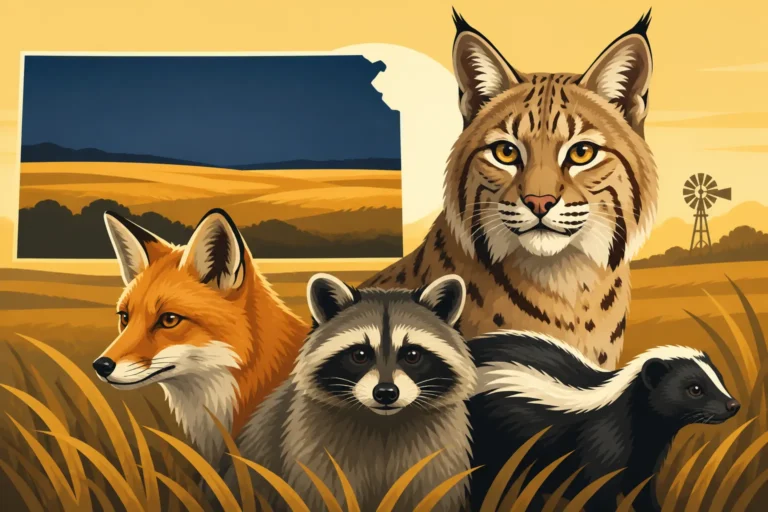
While coyotes, bobcats, raccoons, opossums, skunks, beavers, and otters are some of the most prominent, Kansas is home to a host of other fascinating predators and furbearers. Each plays its own unique role, contributing to the rich biodiversity of the state.
Red and Gray Foxes: Clever Canines
Kansas is home to both red foxes and gray foxes, each with distinct preferences and behaviors. Red foxes are the more widespread of the two, preferring open country interspersed with woodlands and agricultural fields. They are instantly recognizable by their reddish-orange fur, white-tipped tail, and black "stockings" on their legs. Red foxes are opportunistic predators, feeding on rabbits, rodents, birds, and insects, but also consume fruits and berries. They are known for their cunning and intelligence, making them a challenging target for trappers.
Gray foxes, on the other hand, are more associated with dense, brushy woodlands and timbered areas. They are smaller than red foxes and have a unique adaptation: semi-retractable claws that allow them to climb trees, an unusual trait for a canine! Their fur is grizzled gray with rusty patches, and a black stripe runs down the back of their tail. They have a similar diet to red foxes but are perhaps even more secretive. Both species contribute to the furbearer harvest in Kansas, and their populations are generally stable, though habitat changes can impact local numbers. Understanding where to find their preferred habitat is key if you're looking to target them.
Weasels, Mink, and Badgers: The Smaller Carnivores
Kansas also hosts several smaller, but equally efficient, predators from the weasel family (Mustelidae).
- Long-tailed Weasel: These sleek, slender hunters are incredibly fast and agile. They have a long body, short legs, and a distinctive long tail with a black tip. They primarily hunt small rodents, often entering their burrows to pursue them. In winter, in northern climates, their fur can turn white, but in Kansas, they typically retain their brown coats year-round. They are ferocious for their size and play a vital role in controlling rodent populations.
- Mink: Essentially a semi-aquatic version of a weasel, mink are closely tied to waterways, just like otters. They have dark, glossy brown fur and are highly effective predators of muskrats, small mammals, birds, frogs, and fish. Trappers often target mink along creek banks and river systems where they actively hunt. Their rich fur has historically made them a valuable furbearer.
- Badgers: With their distinctive striped faces and powerful claws, badgers are built for digging. They are predominantly found in the more open, western half of Kansas, though their range extends eastward. Badgers are fossorial, meaning they spend much of their lives underground, digging extensive burrows. Their primary diet consists of burrowing rodents like prairie dogs, ground squirrels, and pocket gophers, making them a natural control agent for these populations. Seeing a badger is less common than a coyote, but their presence is a clear sign of healthy, open grasslands.
These smaller carnivores, while not always top-of-mind, are essential components of the Kansas ecosystem. They contribute to the natural balance, and their presence highlights the diverse wildlife that thrives across the state.
Regulations, Licensing, and Ethical Practices
Navigating the world of hunting and trapping furbearers and predators in Kansas requires a solid understanding of the rules and a commitment to ethical conduct. It's not just about what you harvest, but how you do it.
Kansas Furbearer and Predator Season Dates and Limits
The Kansas Department of Wildlife and Parks (KDWP) sets specific seasons and limits for all furbearer and predator species to ensure sustainable populations. These regulations are designed to allow for recreational harvest while protecting breeding cycles and overall species health. Furbearer seasons typically run from late fall through late winter, when furs are prime. Predator species like coyotes often have very liberal or year-round seasons due to their abundance and potential impact on livestock or game.
It is absolutely critical to check the most current Kansas Hunting and Trapping Regulations Summary each year, as dates, bag limits, and specific rules can change. For example, some units might have different antlerless deer seasons, and similar variations can apply to furbearers. Knowing the precise dates for Kansas Trapping Season Dates for species like beaver, raccoon, or bobcat is non-negotiable. Additionally, certain methods, like night hunting or using specific types of traps, often come with their own set of unique requirements and restrictions.
Hunter and Trapper Education and Licensing
Before you even think about heading afield, you need to be properly licensed. In Kansas, anyone hunting or trapping furbearers generally needs a valid hunting license. For trapping, a specific furharvester license is required in addition to a hunting license. These licenses support KDWP's conservation efforts and ensure that only those who are aware of the rules are participating.
Furthermore, hunter education is mandatory for anyone born on or after July 1, 1957. While not explicitly required for all trappers, taking a hunter education course or a specialized trapper education course is highly recommended. These courses cover not only safety and regulations but also ethical hunting and trapping practices, wildlife identification, and responsible game handling. Investing in this education is an investment in the future of Kansas hunting and trapping. You can find more information about these requirements by looking into Kansas Hunter Education and Licensing Basics.
Ethical Hunting and Trapping: Best Practices
Ethical conduct is the cornerstone of responsible wildlife management. For predator and furbearer hunters, this means adhering to fair chase principles, ensuring clean kills, and respecting private property. It also means understanding the role these animals play in the ecosystem and not simply viewing them as targets to be eradicated. When hunting, proper shot placement is crucial to minimize suffering and ensure a quick dispatch.
For trappers, ethics are particularly important due to the nature of trapping. Best practices include:
- Trap Selection and Placement: Using the most humane and appropriate traps for the target species and placing them in a way that minimizes the chance of catching non-target animals.
- Regular Trap Checks: Checking traps frequently (usually every 24 hours, often required by law) to minimize stress and suffering for any captured animal.
- Humane Dispatch: Knowing and practicing quick, humane dispatch methods for harvested animals.
- Leaving No Trace: Removing all traps, stakes, and signs of your presence once the season or your trapping effort concludes.
- Respect for Public and Private Land: Always obtaining permission before trapping on private land and understanding specific rules for public land, such as Overnight Stand Storage on Public Ground which might also apply to traps in some contexts.
Ethical practices not only demonstrate respect for the animals we pursue but also uphold the positive image of hunting and trapping in the eyes of the public.
Conservation and Future of Kansas Predators and Furbearers
The health and vitality of Kansas's predator and furbearer populations are not just about today's hunting seasons; they're about long-term ecological balance and sustainable management for future generations. Active conservation efforts are crucial to ensuring these species continue to thrive.
Monitoring Populations and Habitat Management
The Kansas Department of Wildlife and Parks (KDWP) works tirelessly to monitor the populations of various furbearer and predator species. This involves various methods, from harvest surveys that track how many animals are taken each year (like Kansas Furbearer Harvest Numbers) to track counts, remote camera surveys, and even spotlight counts. This data is essential for making informed management decisions, such as adjusting season lengths or bag limits to ensure populations remain healthy and resilient.
Habitat management is equally important. For example, maintaining diverse habitats with a mix of grasslands, timbered areas, and water sources benefits a wide array of furbearers. Protecting riparian corridors along rivers and creeks is vital for species like mink, otter, and beaver. When land is managed for deer, often these efforts also indirectly benefit many furbearers by improving cover and food diversity. Organizations like KDWP, along with private landowners and conservation groups, continuously work on projects that enhance and protect these critical habitats across the state. Understanding Kansas Wildlife Disease Monitoring is also a part of this, as diseases can significantly impact predator and furbearer numbers.
The Role of Hunters and Trappers in Conservation
It might seem counterintuitive to some, but hunters and trappers are, in fact, frontline conservationists. The sale of hunting and trapping licenses, tags, and excise taxes on equipment through programs like the Pittman-Robertson Act directly funds wildlife research, habitat acquisition, and management programs in Kansas. Without these financial contributions, many conservation efforts simply wouldn't be possible.
Beyond financial contributions, hunters and trappers provide invaluable data through harvest reports and by being observant eyes and ears in the field. They are often the first to notice changes in wildlife populations or habitat conditions. By practicing ethical hunting and trapping, abiding by regulations, and participating in education programs, they ensure that these traditions continue responsibly. The knowledge and passion of Kansas outdoorsmen are vital to ensuring that species like coyotes, bobcats, raccoons, and beavers continue to be a vibrant part of the state's natural heritage for years to come.
Predator and Furbearer Overview Table
To give you a quick snapshot of some of the key predators and furbearers in Kansas, here's a handy table outlining typical season timing, preferred habitat, and common harvest methods. Remember, specific dates and regulations can change annually, so always consult the latest KDWP digest!
| Species | Typical Season Timing | Preferred Habitat | Common Harvest Methods | Primary Diet |
|---|---|---|---|---|
| Coyote | Year-round or Extended Fall/Winter | Open grasslands, agricultural fields, timbered draws | Calling (distress/howls), trapping, opportunistic hunting | Rodents, rabbits, fawns, carrion, insects, fruit |
| Bobcat | Late Fall to Late Winter | Dense thickets, broken terrain, timbered creek bottoms | Trapping (foothold/snare), specialized calling | Rabbits, rodents, birds, small mammals |
| Raccoon | Fall to Late Winter | Wooded areas, riparian zones, agricultural land, urban fringe | Trapping (cage/foothold), night hunting with dogs | Omnivorous: corn, fruit, nuts, insects, crayfish, eggs |
| Opossum | Fall to Late Winter | Wooded areas, wetlands, urban areas | Trapping (cage/foothold), incidental hunting | Omnivorous: carrion, insects, fruit, eggs |
| Skunk | Fall to Late Winter | Open fields, grasslands, suburban areas | Trapping (cage/foothold), incidental hunting | Insects, grubs, small rodents, fruit |
| Beaver | Fall to Spring | Rivers, creeks, ponds, lakes (aquatic) | Trapping (conibear/snare/foothold) | Bark, leaves, aquatic vegetation |
| River Otter | Limited Fall to Winter | Healthy rivers, creeks, large ponds (aquatic) | Trapping (conibear/snare/foothold) | Fish, crayfish, frogs, aquatic invertebrates |
| Red Fox | Late Fall to Late Winter | Open country, mixed woodlands, agricultural fringe | Trapping (foothold), calling | Rabbits, rodents, birds, insects, fruit |
| Gray Fox | Late Fall to Late Winter | Dense woodlands, brushy areas | Trapping (foothold), calling | Rodents, rabbits, birds, insects, fruit |
| Mink | Fall to Late Winter | Near waterways, marshes | Trapping (conibear/foothold) | Muskrats, fish, frogs, small mammals |
| Badger | Fall to Late Winter | Open grasslands, prairie, agricultural fields | Trapping (foothold) | Burrowing rodents (prairie dogs, gophers) |
Disclaimer
The information provided in this guide is for general informational purposes only and does not constitute legal advice. Hunting and trapping regulations in Kansas are subject to change. Always consult the most current Kansas Department of Wildlife and Parks (KDWP) official regulations and obtain all necessary licenses and permits before engaging in any hunting or trapping activities. It is your responsibility to know and follow all applicable laws.