Greater Prairie Chickens of the Kansas Flint Hills
There’s nothing quite like the early morning chill of a Kansas fall, especially when you’re standing on a vast prairie, the wind rustling through miles of tall bluestem, listening for the distinctive booming of a Greater Prairie Chicken. Many hunters find themselves utterly captivated by the allure of these incredible birds, yet just as many feel overwhelmed by the sheer scale of the Flint Hills and the unique challenges involved in pursuing them. This guide is here to demystify the process, offering a deep dive into understanding, finding, and ethically hunting Greater Prairie Chickens in their majestic Kansas home.
The Enduring Spirit of Greater Prairie Chickens in Kansas
For many, the image of Kansas might conjure up endless fields of corn and wheat, but for those in the know, the heart of the state beats with the rhythm of the Flint Hills, a landscape unlike any other. This ancient tallgrass prairie is the last significant remnant of an ecosystem that once stretched across North America, and it's here, amidst these rolling hills and native grasses, that the Greater Prairie Chicken truly thrives.
Why the Flint Hills are Prairie Chicken Strongholds
The Flint Hills represent a unique ecological phenomenon, a rugged expanse that largely resisted the plow due to its rocky soil composition. This resistance proved to be a lifeline for the tallgrass prairie ecosystem and, by extension, for the species that depend on it, like the Greater Prairie Chicken. Unlike agricultural lands that are regularly tilled, sprayed, and harvested, the Flint Hills are dominated by native grasses such as big bluestem, switchgrass, and indiangrass, alongside diverse wildflowers. This isn't just pretty scenery; it's a dynamic habitat that provides everything these birds need: dense nesting cover, abundant insects for poults, and crucial escape cover from predators.
What's truly fascinating is the interplay of natural processes, especially fire. Prescribed burning, a practice mimicking historical wildfires, is a critical management tool in the Flint Hills. These controlled burns prevent woody encroachment, stimulate new grass growth, and maintain the open, expansive prairie that prairie chickens require. Without these cyclical fires, the prairie would slowly transition to cedar thickets and other woody vegetation, rendering it unsuitable for the birds. This intricate dance between geology, botany, and land management makes the Flint Hills an unparalleled sanctuary for these iconic game birds, offering a glimpse into what North America once looked like.
The Allure of the Chase for Hunters
Hunting Greater Prairie Chickens isn't your typical upland bird hunt. It's an experience deeply intertwined with the landscape itself, a physical and mental challenge that draws hunters back year after year. The sheer vastness of the Flint Hills can be intimidating, stretching for miles without a discernible landmark, and the birds themselves are notoriously wary. They often hold tight in dense cover, only to flush explosively at an unexpected moment, disappearing into the waving grass as quickly as they appeared. This unpredictability is a significant part of their mystique.
Hunters often describe the pursuit as a blend of endurance, keen observation, and strategic thinking. Unlike pheasants that might run for hundreds of yards before flushing, prairie chickens often fly great distances once disturbed, making a quick follow-up impossible without a good plan. The success isn't just measured in birds in the vest, but in the unforgettable sunrises over an endless prairie, the exhilarating flush of a covey, and the satisfying feeling of truly earning your birds in an environment that demands respect. It's a hunt that tests your resolve, connects you to the land in a profound way, and offers a rare opportunity to pursue a truly wild, native upland species.
Unraveling Prairie Chicken Biology and Life Cycles
To truly appreciate and effectively hunt Greater Prairie Chickens, it’s essential to understand their intricate biology and annual life cycle. These birds are fascinating creatures, driven by instinctual patterns tied directly to the changing seasons of the prairie.
The Magnificent Spring Lek Displays
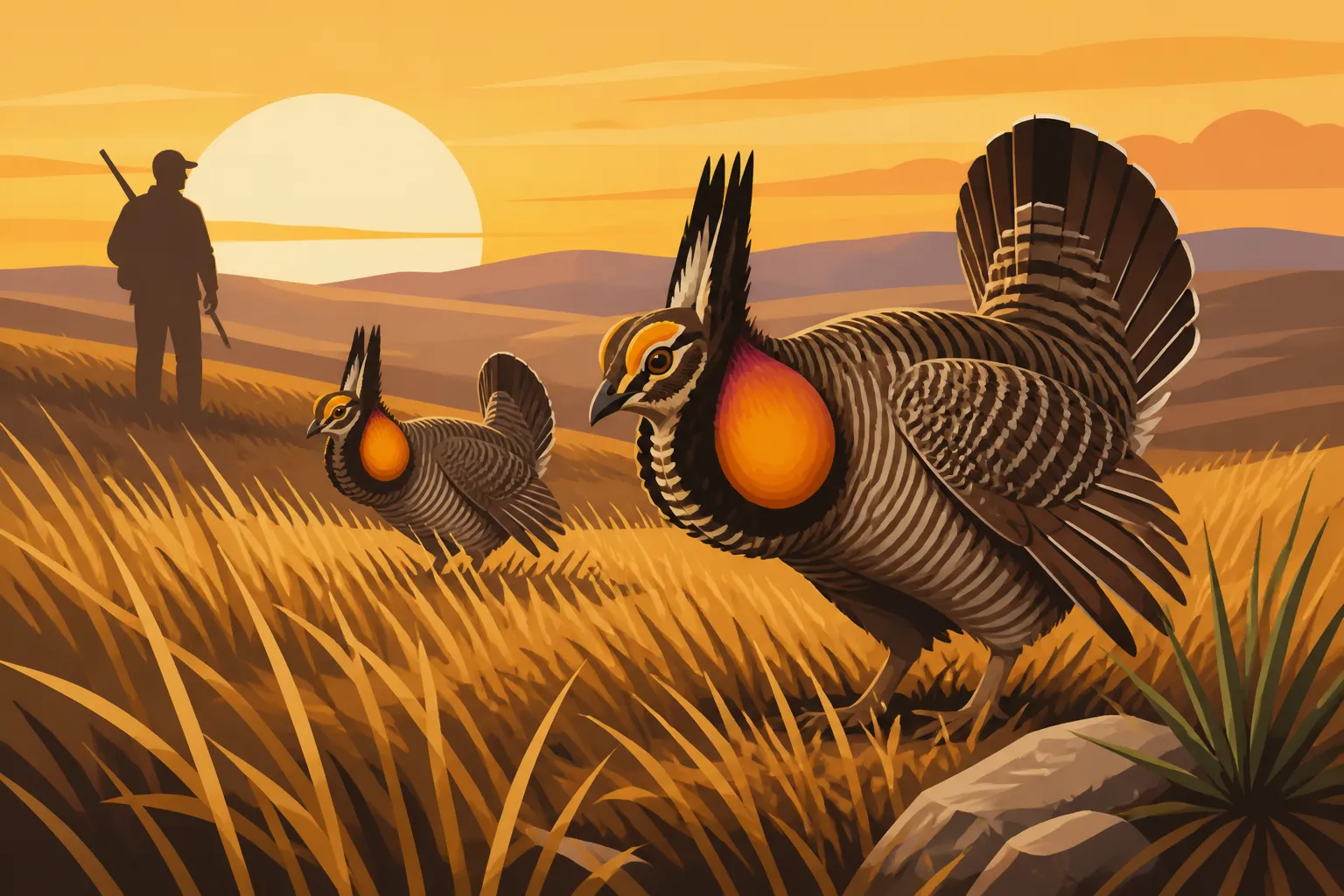
Perhaps the most iconic aspect of prairie chicken behavior is their spring mating ritual, performed on communal display grounds known as "leks." As winter gives way to spring, usually from late March through May, male prairie chickens gather on these open, slightly elevated areas of short grass, often returning to the same lek sites year after year. This is where the magic happens. The males engage in elaborate courtship displays, stomping their feet, inflating bright orange air sacs on their necks, and erecting specialized feathers called pinnae on their heads.
The most distinctive part of this display is their booming call, a deep, resonant sound produced by forcing air through those inflated air sacs. This low-frequency sound can travel for miles across the open prairie, attracting hens to the lek. Each male vies for a prime position in the center of the lek, hoping to attract the attention of the females, who observe from the periphery before selecting a mate. These morning performances begin before sunrise and continue for several hours, a truly unforgettable spectacle for anyone fortunate enough to witness it. Understanding the importance of these leks helps us appreciate the bird's need for specific habitat features and undisturbed spaces for successful reproduction.
Nesting, Brooding, and Chick Survival
Once mated, the hens leave the lek to establish their nests. They typically choose well-concealed spots within dense, tallgrass cover, often opting for areas that haven't been burned recently, providing vital residual cover from the previous year. A typical clutch consists of 10-14 eggs, which the hen incubates for about 23-26 days. This nesting period is incredibly vulnerable, with predators like skunks, raccoons, and snakes posing a constant threat. Moreover, agricultural practices adjacent to prairies, like early haying, can inadvertently destroy nests.
After hatching, the precocial chicks are able to follow their mother within hours. The first few weeks of a chick's life are critical for survival. They primarily feed on insects, especially grasshoppers and beetles, which are abundant in healthy prairie ecosystems. These protein-rich insects are essential for rapid growth. As they mature, their diet shifts to more plant material, including seeds and green shoots. The success of a breeding season heavily depends on factors like adequate nesting cover, a rich insect population, and favorable weather conditions, particularly avoiding heavy, cold rains during the first few weeks of a chick's life. This whole process underscores the fragile nature of their early existence and the importance of undisturbed habitat.
Seasonal Movements and Habitat Use
While Greater Prairie Chickens aren't migratory in the classic sense, they do exhibit seasonal movements driven by changes in food availability, cover needs, and breeding cycles. During the spring lekking and nesting period, they are more concentrated around their breeding grounds. As summer progresses, broods will utilize a mosaic of habitats, seeking out areas with ample insect forage and protective cover.
In the fall and winter, their movements become more focused on food sources and protection from harsh weather. They might shift towards areas with unharvested grain fields, such as milo or corn, if available near their prairie habitat, though this is less common in the core Flint Hills. More typically, they rely on the diverse seed heads of native grasses and forbs found within the prairie, along with supplemental cover offered by plum thickets or riparian areas. During severe winter weather, large coveys might seek shelter in dense stands of tall grass or brushy draws that offer a break from the wind and snow. Understanding these subtle shifts in habitat use throughout the year is crucial for hunters trying to pattern their movements.
Navigating the Flint Hills for These Elusive Birds
Hunting Greater Prairie Chickens in the vastness of the Flint Hills is an adventure that requires careful planning, keen observation, and a solid understanding of the landscape. It’s not a hunt you can just stumble into and expect success.
Identifying Prime Prairie Chicken Habitat
Finding the birds starts with knowing what kind of habitat they prefer. While the entire Flint Hills region is prairie, not all prairie is created equal for prairie chickens. They typically favor large, contiguous blocks of tallgrass prairie, especially those with a healthy mix of different grass heights and forb diversity. Think expanses of big bluestem and indiangrass that can stand 3-6 feet tall, interspersed with native wildflowers and legumes. These areas provide excellent nesting and brooding cover, as well as crucial escape cover from aerial predators.
Look for areas that have a history of managed fire, but not necessarily burned every year. A mosaic of burned and unburned sections is ideal, as it offers varied cover and foraging opportunities. Also, pay attention to subtle topography. While the Flint Hills aren't mountainous, small ridges and draws can concentrate birds, offering shelter or elevated vantage points. While not as reliant on them as pheasants, occasional brushy draws or small patches of plum thicket can also provide thermal cover in colder weather, making them worth investigating. Utilizing tools like the Kansas Online Hunting Atlas can be invaluable for identifying these prime areas, overlaying habitat types with public access points.
Scouting Techniques for Success
Effective scouting is paramount when pursuing prairie chickens. This isn't a species where you can rely on seeing birds from the road. Pre-season e-scouting with satellite imagery is a fantastic starting point. Services like GoHunt allow you to scrutinize maps for expansive grass blocks, potential travel corridors, and access points. Look for large tracts of unfragmented tallgrass prairie. Identify any isolated brush patches, draws, or distinct changes in grass height that might concentrate birds.
Once you have a few promising locations, boots-on-the-ground scouting, ideally before the season opens, can make a huge difference. Drive the accessible roads in the early morning or late evening, scanning for birds flying to or from roosting areas or feeding sites. Listen for their distinctive clucks or cackles. Pay attention to fence lines or power lines, as birds might perch there. Walking potential hunting areas, even without a gun, allows you to observe bird sign, evaluate cover density, and identify access routes that won't spook birds prematurely. For more focused scouting, consider driving or walking near known historical lek sites in the fall (they won't be booming, but birds often remain in the vicinity). Remember, thorough scouting helps you understand the specific nuances of a particular tract and anticipate bird behavior, which is critical for a species that covers so much ground.
Understanding Public and Private Land Access
Access is a major consideration for hunting Greater Prairie Chickens in Kansas. The vast majority of the Flint Hills are privately owned. Gaining permission from landowners is often the best, and sometimes only, way to hunt the most productive ground. This means knocking on doors, being polite, and always asking for permission well in advance. Building relationships with landowners can unlock incredible hunting opportunities. Always carry written permission if possible, and leave gates as you found them.
However, Kansas also offers significant public hunting opportunities through its Walk-In Hunting Access (WIHA) program and State Wildlife Areas. The WIHA program enrolls private land in specific counties, allowing public access for hunting during designated seasons. Many WIHA tracts are in the Flint Hills region and can hold excellent numbers of prairie chickens. Be sure to consult the current Kansas Walk-In Hunting Access Explained atlas or the KDWP website for maps and regulations. Remember that specific rules apply to WIHA land, such as restrictions on vehicles or permanent blinds. Some State Wildlife Areas, like those within the Flint Hills, also offer prairie chicken hunting. Always check the specific regulations for any public land you plan to hunt, as rules can vary by area. Services like GoHunt, with its robust mapping layers, can clearly delineate public and private land boundaries, helping hunters avoid accidental trespassing. Regardless of where you hunt, respecting property boundaries and regulations is not just legal, it's essential for maintaining hunting access for everyone.
| Access Type | Description | Pros | Cons |
|---|---|---|---|
| Private Land | Requires direct permission from the landowner. Often comprises large, unbroken tracts of prime habitat. | Best quality habitat, less pressure, potential for long-term relationships. | Requires significant effort to obtain permission, limited availability, might involve lease fees. |
| WIHA (Walk-In) | Private land leased by KDWP for public hunting access. Clearly marked and identified in the WIHA atlas. | Free public access, good habitat, widespread availability in certain counties. | Can experience higher pressure, rules on stands/blinds, access dates vary. |
| State Wildlife Areas | Lands owned and managed by KDWP for wildlife. Specific regulations often apply. | Guaranteed public access, managed habitat, often have diverse game species. | Can have specialized regulations (e.g., draw hunts), sometimes high pressure, limited in some prairie chicken areas. |
Effective Hunting Tactics for Greater Prairie Chickens
Prairie chicken hunting is a game of patience, strategy, and sometimes, sheer grit. Unlike a quick pheasant flush from a fence line, these birds demand a different approach.
The Art of the Walk-Up Hunt
The classic and often most effective way to hunt Greater Prairie Chickens is the walk-up hunt. This involves slowly and methodically traversing large tracts of tallgrass prairie, hoping to flush birds within shooting range. It's an incredibly physical hunt, requiring strong legs and good stamina, especially when covering miles of uneven terrain in tall, dense grass under the Kansas sun. The key here is to walk into the wind when possible. This helps carry your scent away from the birds, preventing premature flushes, and also makes it easier for your dogs (if you have them) to pick up scent.
Walk in a deliberate, methodical pattern, like a grid, to ensure you cover the ground effectively. Don't rush. Prairie chickens will often hold incredibly tight, sometimes flushing only a few feet from your boots, while others will get up much further out. Be ready for anything. Maintain situational awareness, always scanning the grass ahead and to the sides. When a bird flushes, identify your target quickly and mount your shotgun smoothly. Shot opportunities can be fleeting as these birds are strong, fast flyers. This method often produces fewer birds than other upland hunts, but the satisfaction of earning each one through hard work is immense. This style is closely related to general Prairie Chicken Tactics in Flint Hills Grass.
Strategic Blocking and Driving Methods
For larger groups, or when birds are particularly wary and flushing far out, strategic blocking and driving can be highly effective. This method requires coordination and communication among hunters, making it a social and exciting way to hunt. The basic premise is to have some hunters (the "blockers") position themselves ahead, downwind, or along the sides of a known or suspected prairie chicken roosting or feeding area, while others (the "drivers") walk through the cover to push the birds towards the blockers.
Effective blocking requires anticipating the flight path of the birds. Prairie chickens, once flushed, tend to fly long, straight distances before setting back down, often following natural contours or heading for distant cover. Blockers should hide themselves effectively, using terrain or natural vegetation, to break up their silhouette. Drivers should walk in a line, maintaining good spacing, pushing the cover in a controlled manner. This strategy works particularly well when targeting larger coveys that might be concentrated in specific patches of cover. It's also an excellent way to cover vast stretches of prairie efficiently. Radio communication can be invaluable for coordinating movements and ensuring safety.
Decoys, Blinds, and Pass Shooting Opportunities
While less common than walk-up or driving methods, employing decoys and blinds can be a surprisingly effective tactic, especially for Pass Shooting Prairie Chickens that are moving between feeding and roosting areas, or perhaps returning to a fall lek site. Prairie chickens are curious birds, and well-placed decoys can draw them into shooting range. Decoys should be realistic, placed in an open area, and ideally set up to mimic a small flock feeding or loafing.
Hunters can then conceal themselves in a low-profile blind, either a purpose-built pop-up blind or simply a natural hide using tall grass. This method is often best employed in the early morning or late afternoon when birds are most active and predictable in their movements. Another scenario for blinds and pass shooting is identifying specific flight corridors—perhaps a low saddle between two hills or a gap in a line of timber—that birds regularly use to travel. Setting up a blind in these areas, even without decoys, can offer opportunities for a quick shot as birds fly overhead. Remember that success with this method hinges on accurate scouting and understanding the birds' daily patterns. For hunters interested in trying this, GoHunt's mapping features can help identify potential ambush points and flight lines by analyzing terrain and cover.
Gear Essentials for a Successful Flint Hills Hunt
A successful prairie chicken hunt in the Flint Hills isn’t just about tactics; it’s also about being properly equipped for the challenging terrain and conditions. Having the right gear can make all the difference between a miserable outing and a memorable one.
Shotguns, Loads, and Choke Choices
When it comes to shotguns, a reliable 12-gauge or 20-gauge is generally preferred for prairie chickens. These birds are larger and tougher than quail and can carry a lot of lead, so you want a gun that can deliver sufficient payload and energy. Many hunters opt for an over-under or side-by-side for quick follow-up shots, but a semi-automatic or pump-action can be equally effective if you're comfortable with it. The key is a shotgun that fits you well and that you can swing smoothly.
For ammunition, a good quality field load with shot sizes ranging from #5 to #7.5 will work well. Many experienced hunters prefer #6 shot for its balance of pattern density and energy, especially for those longer shots that can sometimes present themselves. If you anticipate closer flushing birds, #7.5 might be appropriate, but for longer range birds, #5 or even #4 can be considered. Choke selection is critical for these wary birds. Many hunters start with an improved cylinder or modified choke in their first barrel for closer shots, and a modified or full choke in their second barrel for follow-up shots on birds that flush further out or when pass shooting. Remember, prairie chickens can be tough, so a dense pattern is key to clean kills.
Footwear, Clothing, and Navigation Tools
The Flint Hills will test your footwear. You'll be walking miles over uneven ground, through tall, often wet grass, and potentially over rocky terrain. High-quality, waterproof, and comfortable upland boots with good ankle support are absolutely non-negotiable. Break them in well before your hunt to avoid blisters. Many hunters opt for snake gaiters or snake-proof boots as rattlesnakes are present in the region, especially in early season.
Layered clothing is essential, as Kansas weather can be famously unpredictable, swinging from frosty mornings to warm afternoons. Start with a moisture-wicking base layer, add insulating layers, and top it with a durable, briar-resistant outer shell in an appropriate blaze orange for safety, especially during firearm seasons. A wide-brimmed hat is also a good idea for sun protection. Given the vast, featureless nature of the prairie, reliable navigation tools are paramount. A good GPS unit, or a smartphone app with detailed maps (like those offered by GoHunt with public land overlays), is crucial. Always carry a compass and a physical map as a backup, and know how to use them. Trust me, getting lost in the Flint Hills is easier than you might think when you're focused on flushing birds.
The Role of Hunting Dogs
While you can certainly hunt prairie chickens without a dog, a well-trained bird dog can dramatically increase your success and enjoyment. Pointers, setters, and versatile breeds like German Shorthaired Pointers or Brittanys are excellent choices. Their ability to cover ground, scent birds, and hold a point is invaluable in locating these elusive birds in the dense grass. A dog allows you to work more efficiently, flushing birds that might otherwise be overlooked.
Retrievers are also beneficial, as prairie chickens can be difficult to find in the tall grass after a shot, even when cleanly hit. A good retriever can save you countless minutes searching and prevent lost birds. However, hunting with a dog in the Flint Hills comes with its own considerations. The terrain can be harsh on paws, so dog boots might be necessary. Availability of water for your dog is also critical, especially on warm days. Always carry plenty of water and a portable bowl, and give your dog frequent breaks. Keep an eye out for burrs and foxtails that can get lodged in their fur or paws. Ultimately, a dog adds another layer of joy and efficiency to the hunt, but ensure they are conditioned and equipped for the demands of the prairie.
Conservation, Challenges, and the Future of Prairie Chickens
The Greater Prairie Chicken, while still present in Kansas, faces ongoing conservation challenges. Understanding these issues is vital for hunters, as we play a crucial role in their future.
Historical Declines and Current Population Status
Historically, Greater Prairie Chickens ranged across much of the tallgrass prairie ecosystem of North America. However, European settlement, conversion of prairie to agriculture, and unregulated hunting led to significant population declines throughout the 19th and 20th centuries. Kansas, while still a stronghold, has seen its share of ups and downs. The total acreage of tallgrass prairie has been drastically reduced, pushing the birds into smaller, more fragmented habitats.
Today, Kansas holds the largest population of Greater Prairie Chickens, primarily concentrated within the Flint Hills and some areas of western Kansas. However, even here, populations fluctuate based on factors like weather patterns, habitat quality, and nesting success. While the core Flint Hills remain relatively stable due to the resilience of the ecosystem and focused conservation efforts, populations outside this core face continued pressure. Ongoing research and monitoring by organizations like the Kansas Department of Wildlife and Parks (KDWP) are critical to understanding these population trends and implementing effective management strategies. Hunters can contribute to this data by accurately reporting their harvest, which KDWP uses to assess population health (see Reading a Kansas Harvest Report).
Habitat Management and Restoration Efforts
The long-term survival of Greater Prairie Chickens hinges on proactive habitat management and restoration. The primary challenge is the continued loss and fragmentation of native tallgrass prairie. Conservation efforts focus on several key strategies:
- Prescribed Burning: As mentioned earlier, controlled burns are essential to maintain healthy prairie by preventing woody encroachment and promoting vigorous grass growth. This creates the diverse cover and foraging opportunities prairie chickens need.
- Grazing Management: Working with ranchers to implement rotational grazing systems can mimic historical bison grazing patterns, creating a mosaic of short and tall grass that benefits prairie chickens by providing both feeding and nesting areas.
- Grassland Restoration: In some areas, efforts are made to convert marginal agricultural lands back to native tallgrass prairie, expanding the available habitat for the birds.
- Protecting Critical Habitat: Conservation easements and acquisitions help protect existing, high-quality prairie chicken habitat from development or conversion.
- Controlling Invasive Species: Combating invasive woody plants like Eastern red cedar, which can quickly degrade prairie habitat, is an ongoing battle.
These efforts often involve partnerships between landowners, state agencies like KDWP, and non-governmental organizations dedicated to grassland conservation. The health of the Flint Hills Grassland Hunting Access is directly tied to these continuous habitat endeavors.
The Hunter's Role in Conservation Funding
Hunters are often at the forefront of conservation funding, and their contributions are vital for the future of species like the Greater Prairie Chicken. Through the purchase of hunting licenses, permits, and excise taxes on firearms and ammunition (Pittman-Robertson Act), hunters generate significant revenue that directly funds wildlife research, habitat acquisition, and management programs. Every time you purchase a Kansas Hunting Licence and Permit Costs or a Kansas Prairie Chicken Permit Requirement, a portion of that money goes directly back into conservation efforts for game and non-game species alike.
Beyond financial contributions, hunters also serve as valuable citizen scientists, reporting observations of wildlife, participating in habitat projects, and advocating for sound conservation policies. By adhering to regulations, practicing ethical hunting, and supporting conservation organizations, hunters directly contribute to the sustained health of prairie chicken populations and the integrity of the unique Flint Hills ecosystem. It’s a powerful testament to the idea that hunting and conservation are two sides of the same coin.
Preparing for a Kansas Prairie Chicken Hunt
Embarking on a prairie chicken hunt in the Flint Hills is an exciting prospect, but preparation is key to a safe and enjoyable experience. This isn't a hunt to take lightly.
Physical Conditioning and Mental Preparedness
Don't underestimate the physical demands of a prairie chicken hunt. You'll be walking miles, often through dense, chest-high grass, over uneven terrain, potentially battling heat, wind, or even snow. This isn't a stroll in the park. Start a fitness regimen well in advance: regular long walks, hiking with a weighted pack, and cardiovascular exercises will pay dividends. The better your physical condition, the more ground you can cover and the more enjoyable the hunt will be.
Mental preparedness is just as important. The Flint Hills are vast, and you might walk for hours without flushing a bird. It can be discouraging. Maintain a positive attitude, enjoy the solitude and the scenery, and remember that success isn't just about bagging birds. Embrace the challenge. Be patient, stay focused, and keep an eye on your surroundings. Being mentally tough will help you push through the long stretches and stay sharp for those brief, explosive flushes.
Regulations, Seasons, and Permit Requirements
Before you even step foot in the field, make sure you understand all the current Kansas hunting regulations. This includes knowing the Kansas Upland Bird Season Dates and Limits for prairie chickens, which can vary by zone (Greater vs. Lesser Prairie Chicken zones). You will need a valid Kansas hunting license, and importantly, you'll need a specific Kansas Prairie Chicken Permit Requirement. Non-residents should pay particular attention to application deadlines and permit availability, as some permits might be draw-only or have limited quotas.
Always review the current year's Kansas Hunting and Trapping Regulations Summary, available on the KDWP website. This summary outlines legal hunting hours, blaze orange requirements (which are mandatory during many upland seasons for safety), bag limits, possession limits, and any special restrictions specific to prairie chickens or certain public hunting areas. Ignorance of the law is not an excuse, and violations can carry hefty penalties. Double-check all these details before you leave home.
Travel, Lodging, and Local Services
The Flint Hills region of Kansas is generally rural, so planning your travel and lodging in advance is crucial. Depending on where you plan to hunt, you might find small towns with motels, or you may consider more rustic accommodations like camping on public lands (where allowed). Places like Council Grove, Emporia, or Eureka can serve as good bases for hunting in the central Flint Hills.
Consider how you'll get around. A reliable truck or SUV with good ground clearance is often preferred for navigating gravel roads, especially if there's been recent rain. Ensure you have a full tank of gas before heading into remote areas, as gas stations can be few and far between. Research local services such as restaurants, grocery stores, and any sporting goods shops for last-minute supplies. If traveling from out of state, plan for transportation of your firearms and any harvested birds according to state and federal regulations. Packing extra water, snacks, and an emergency kit for your vehicle and backpack is always a good idea when venturing into remote country.
Post-Hunt Care and Enjoying Your Harvest
Once you've had a successful hunt, the work isn't over. Proper care of your harvested prairie chickens ensures the meat is delicious and respects the life of the bird.
Field Dressing and Cooling Your Birds
Prairie chickens are excellent table fare, but like all game birds, proper field dressing and cooling are essential, especially in warm Kansas weather. As soon as you retrieve a bird, it's best to field dress it to cool the meat down quickly. This usually means removing the entrails. Many hunters will also pluck or skin the breast in the field to allow for faster cooling.
If you're far from your vehicle, place the dressed birds in a game bag (preferably ventilated) and keep them out of direct sunlight. Once back at your vehicle, immediately place them in a cooler filled with ice. Never stack warm birds in a pile in your game vest or truck bed, as this can lead to rapid spoilage. The goal is to get the internal temperature down as quickly as possible. If you plan to fully pluck the birds, it's often easier to do so after they've been chilled for a few hours or overnight. Take pride in caring for your harvest; it's the final step in an ethical hunt.
Culinary Delights of Prairie Chicken
Prairie chicken meat is truly a delicacy, often described as having a rich, dark meat flavor, similar to other wild grouse or even darker poultry. It's lean and benefits from cooking methods that prevent it from drying out. Many hunters choose to breast out their birds, using the breast meat for various dishes.
Popular preparations include pan-searing the breasts with herbs, roasting a whole bird (if you've plucked it), or braising the meat slowly in a rich sauce. Prairie chicken also makes excellent wild game chili, stews, or even schnitzel. Due to its leanness, wrapping the breasts in bacon before cooking or marinating them can add moisture and flavor. Experiment with different recipes to find your favorite. Remember that older birds might be tougher and benefit from slow-cooking methods, while younger birds can be cooked more quickly. Enjoying your harvest at the dinner table is a rewarding culmination of your efforts in the field and a wonderful way to share the story of your hunt.
Final Thoughts on the Flint Hills Experience
Hunting Greater Prairie Chickens in the Kansas Flint Hills is more than just a hunt; it's an immersive experience in one of America's last great wild places. It challenges you, rewards you, and connects you to a truly unique ecosystem. The vastness of the prairie, the ancient rhythms of fire and grass, and the elusive nature of these magnificent birds combine to create a deeply memorable adventure. Embrace the solitude, respect the land, and cherish every moment spent pursuing these iconic birds. It's a privilege to walk these hallowed grounds, and one that every upland hunter should experience at least once.
Disclaimer
Hunting carries inherent risks, including but not limited to injuries, equipment malfunction, and wildlife encounters. Always prioritize safety, adhere to all local, state, and federal regulations, and obtain proper licenses and permits before engaging in any hunting activity. The information provided in this guide is for informational purposes only and should not be considered legal advice. Consult official Kansas Department of Wildlife and Parks resources for the most current and accurate regulations.