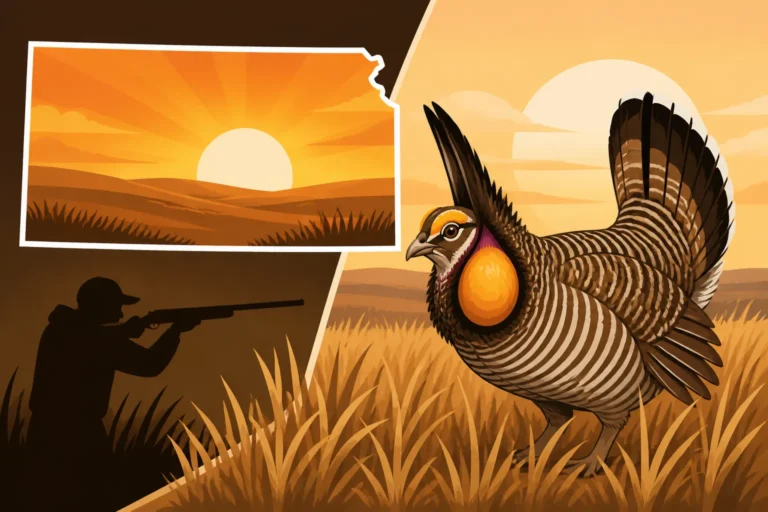
Buying a Kansas Permit Over the Counter
Navigating the labyrinth of hunting permits can feel like solving a puzzle with missing pieces, especially when you're trying to figure out what you can just grab versus what demands a lengthy application process. Many hunters, particularly those new to Kansas or coming from out of state, get tripped up trying to understand which permits are available "over the counter" versus those that require participation in a draw. This guide is here to untangle that confusion, walking you through exactly what Kansas permits you can purchase directly, when, and how, so you can spend less time guessing and more time planning your hunt.
Understanding Over-the-Counter Permits in Kansas
When we talk about "over-the-counter" (OTC) permits in Kansas, we're essentially referring to licenses and tags that you can purchase directly, without having to apply months in advance through a lottery or draw system. This is a huge relief for many hunters who don't want the uncertainty of a draw or who make last-minute decisions to head afield. The alternative, and what often causes confusion, is the draw system, primarily used for antlered deer permits for nonresidents, and sometimes for specific, limited quota hunts for other species like elk or antelope.
The frustration often stems from states having wildly different systems. In some places, almost everything is a draw, making last-minute trips nearly impossible. In others, many tags are simply available until they sell out. Kansas sits somewhere in the middle, offering a good balance that provides opportunities for both meticulous planners and spontaneous adventurers. For instance, while securing a coveted nonresident buck tag requires navigating the Kansas Deer Permits and the Nonresident Draw system, plenty of other exciting hunting opportunities are much more accessible. This distinction is crucial because it dictates not only when you can acquire your permit but also the species you can realistically target with an OTC option. Understanding this framework right from the start simplifies your planning immensely.
What "Over-the-Counter" Truly Means
At its core, "over-the-counter" means readily available for purchase. Think of it like buying groceries – you pick it up, pay for it, and it's yours. In the hunting world, this translates to permits that can be bought online through the Kansas Department of Wildlife, Parks and Tourism (KDWP) website, at licensed vendors (like sporting goods stores or bait shops across the state), or sometimes directly at KDWP offices. You don't submit an application with a deadline, hope to be drawn, and then only pay if you're successful. Instead, as long as permits are available and you meet the eligibility requirements (like possessing a valid hunting license or having completed hunter education), you can purchase them right up until the season closes or, in some cases, until a quota is met.
This accessibility is a game-changer for resident hunters, especially, who might decide on a whim to head out for pheasants, quail, or turkeys. Nonresidents also benefit, as many small game and specific turkey permits are available this way, allowing for less stressful trip planning compared to states where nearly every species requires a draw. It's about convenience and immediate access, which is a breath of fresh air for those accustomed to the nail-biting wait for draw results.
Draw vs. OTC: Why the Difference?
The distinction between draw and OTC permits usually comes down to wildlife management goals, particularly for species with high demand, limited populations, or specific harvest objectives. For instance, Kansas is renowned for its trophy whitetail deer, and nonresident buck tags are highly sought after. To manage harvest and provide a fair allocation system, KDWP utilizes a draw. This ensures that the limited number of permits are distributed equitably, often factoring in a preference point system to reward loyalty over time. Platforms like GoHunt provide valuable resources for researching draw odds and planning permit applications for these more competitive hunts.
On the other hand, species like pheasants, quail, rabbits, and squirrels typically have robust populations that can sustain a higher level of hunting pressure without strict quota limits. Similarly, many wild turkey permits, particularly for fall seasons or certain units, are available OTC because the populations can handle it. Kansas Wild Turkeys and the Population Decline has shown some management challenges, which sometimes leads to unit-specific quota changes, but generally, turkey hunting remains more accessible than deer for nonresidents. The difference isn't arbitrary; it's a careful balance struck by KDWP to ensure sustainable wildlife populations while providing ample hunting opportunities for all.
Types of Permits You Can Buy Over the Counter
Kansas offers a wide array of over-the-counter permits, making it a fantastic destination for various hunting pursuits beyond just deer. From small game to certain big game opportunities, understanding which tags fall into this category is key to planning a successful hunt. The availability often depends on whether you're a resident or nonresident, the species, and the specific season.
Many hunters are surprised by the sheer number of opportunities available without jumping through draw hoops. This is especially true for those who might be passing through Kansas or want to add a diverse hunting experience to their trip without the commitment of a full deer application process.
General Hunting Licenses
Before you can even think about an OTC permit for a specific species, you'll need a general hunting license. These are almost universally available over the counter, year-round. This is your foundational pass to hunt in Kansas. For residents, it's fairly straightforward. For nonresidents, you'll need to purchase a Kansas Nonresident Hunting Licence Price. Junior hunters also have specific requirements and pricing for their Kansas Junior Hunting Licence Price. These general licenses allow you to hunt small game and furbearers, provided you meet other requirements like hunter education.
- Resident Hunting License: Required for all residents aged 16 to 74 to hunt game birds and animals, unless exempt.
- Nonresident Hunting License: Required for all nonresidents, regardless of age, to hunt game birds and animals.
- Apprentice Hunting License: Kansas offers an Kansas Apprentice Hunting Licence for those who haven't completed hunter education yet. It allows hunting under the supervision of a licensed adult, providing a great pathway for newcomers.
- Hunter Education: Most hunters born on or after July 1, 1957, need a hunter education certificate. This is a common requirement across states, and ensures basic safety and ethical hunting practices. For information on specific age requirements, see Kansas Hunter Education Age Requirement.
These licenses are your gateway, and you can buy them online instantly, print them out, or pick them up at a vendor. No draw, no waiting, just immediate access.
Small Game and Furbearer Permits
This is where Kansas truly shines with its OTC accessibility. If you're looking for an immediate hunting fix or planning a trip centered around upland birds or predators, Kansas makes it incredibly easy. A valid Kansas hunting license (resident or nonresident) is typically all you need to pursue a variety of species during their open seasons. You don't need additional tags for individual pheasants, quail, rabbits, or coyotes.
- Upland Birds: Think pheasants, quail, and prairie chickens. While prairie chickens might have some specific permit requirements in certain areas depending on the year's regulations, generally, your hunting license covers pheasants and quail. This makes Kansas a prime destination for walk-in upland hunting.
- Small Game: Rabbits and squirrels are abundant and can be hunted with just your general hunting license. These are often overlooked but provide excellent opportunities for beginners or those seeking less pressure.
- Furbearers and Predators: Coyotes, bobcats (with a furharvester license), raccoons, and other furbearers offer year-round or extended season opportunities. A Kansas Small Game Licence Requirements covers most of these.
This wide availability is what makes Kansas so attractive for diverse hunting plans. You can often plan a trip just a few weeks out and be ready to hit the fields.
Turkey Permits
Kansas offers a mix when it comes to turkey permits. While spring nonresident archery turkey permits are often available over the counter and can even be purchased for specific units, general spring permits might be unit-restricted and sometimes limited. Fall turkey permits, however, are usually very accessible and often available over the counter for both residents and nonresidents, typically valid statewide.
- Spring Turkey: For nonresidents, spring archery tags are often OTC, offering good flexibility. Rifle/shotgun tags for spring can be more limited and may require choosing a specific unit, but often don't go to a full draw system like deer do. Always check the current regulations for Kansas Spring Turkey Season Dates and Kansas Spring Turkey Permits and Units as availability can change.
- Fall Turkey: Generally, fall turkey permits are widely available over the counter, giving hunters broad opportunities across the state. This is an excellent option for those looking to extend their season or experience fall turkey hunting without the pressure of a spring draw.
- Specific Unit Availability: While some permits are statewide, others might be unit-specific. It's crucial to consult the KDWP regulations or use online platforms like GoHunt to confirm which units have OTC availability for the season you're targeting.
Antlerless Deer Permits
This is a fantastic OTC opportunity, particularly for filling the freezer. While nonresident antlered deer tags are draw-only, both residents and nonresidents can purchase antlerless-only deer permits over the counter. These permits are typically available for specific deer management units and seasons, especially during the later portions of the firearms season or during special extended antlerless seasons.
- Availability: These permits usually become available after the primary deer draw and are sold on a first-come, first-served basis. They are designed to help manage the deer population by increasing the harvest of does.
- Cost: The Kansas Antlerless-Only Permit Cost is generally lower than an either-sex tag, making them an economical choice.
- Number of Permits: Depending on the unit and population goals, hunters may be allowed to purchase How Many Antlerless Permits Kansas Allows. This provides substantial opportunity for meat hunters.
- Seasons: Keep an eye out for special antlerless-only seasons or extended seasons in late December and January. These are excellent times to use an OTC antlerless tag.
- Strategic Opportunity: For nonresidents who draw an either-sex permit, adding an OTC antlerless tag can mean taking two deer on one trip, maximizing your travel and hunting effort. For residents, it's a flexible way to add venison to the freezer.
Here's a quick overview of common OTC permits:
| Permit Type | Residents | Nonresidents | Typical Availability |
|---|---|---|---|
| General Hunting License | OTC | OTC | Year-round |
| Small Game (Pheasant, Quail, etc.) | Included with Hunting License | Included with Hunting License | During open seasons |
| Fall Turkey (Statewide) | OTC | OTC | During fall turkey season, often ample supply |
| Spring Archery Turkey | OTC | OTC | During spring archery turkey season, unit-specific sometimes |
| Spring Shotgun/Rifle Turkey | OTC (sometimes unit-restricted) | OTC (sometimes unit-restricted) | During spring shotgun/rifle turkey season, check unit quotas |
| Antlerless Deer (Unit-Specific) | OTC | OTC | Available after deer draw, often for late/extended seasons |
| Furbearers (Coyote, Raccoon) | Included with Hunting License | Included with Hunting License | Year-round or specific seasons (e.g., Bobcat requires Furharvester) |
Where to Purchase Over-the-Counter Kansas Permits
The beauty of OTC permits is their accessibility. You're not tied to a single application portal or a specific window of time (beyond season dates). Kansas has made it relatively easy to acquire these necessary documents, whether you prefer the convenience of online shopping or the traditional feel of a local vendor.
The good news is that technology has significantly streamlined the process. Gone are the days when you absolutely had to drive to a KDWP office or a remote vendor. Now, most of the legwork can be done from the comfort of your home, allowing you more time to scout or prepare your gear. Still, local vendors offer a personal touch and can sometimes provide valuable local insights.
Online Through the KDWP Website
The most convenient and increasingly popular method for buying Kansas permits over the counter is through the KDWP's official website. This platform, often referred to as "Go Outdoors Kansas," is a comprehensive portal where you can manage your hunter profile, apply for draws, report harvests, and, most importantly for this topic, purchase various licenses and permits.
- Ease of Access: Available 24/7, meaning you can purchase your permits whenever it suits your schedule, even outside of normal business hours. This is particularly helpful for those late-night decisions to head out hunting.
- Instant Confirmation: Once purchased, you'll usually receive an immediate email confirmation and often a printable version of your permit. Some permits can even be stored digitally on your phone via the Go Outdoors Kansas app, which is a huge convenience in the field.
- Comprehensive Offerings: Almost every OTC permit and general license available in Kansas can be purchased here, from your annual hunting license to specific antlerless deer tags or spring turkey permits.
- Seamless Management: If you already have an account for past draw applications, it's easy to log in and add new permits to your profile. GoHunt also integrates with many state systems, making it easier to track your applications and purchases across different states if you hunt out of state frequently.
Make sure to have your hunter education information handy, as well as payment details. The process is intuitive, but a slow internet connection can sometimes cause minor frustrations.
Licensed Vendors Across the State
For those who prefer a more traditional approach or need to pick up a permit last minute while traveling, numerous licensed vendors across Kansas sell hunting and fishing licenses. These often include sporting goods stores, bait shops, convenience stores, and even some county clerk offices.
- Personal Interaction: These vendors can offer local advice, answer quick questions, and sometimes provide insight into local hunting conditions or regulations.
- Convenience for Travelers: If you're driving through Kansas and decide on an impromptu small game hunt, stopping at a gas station or general store along your route to pick up a license is incredibly convenient.
- Cash Payment Options: For those who prefer to pay with cash, vendors offer this flexibility, whereas online purchases typically require a credit or debit card.
- Proof of Purchase: You'll usually walk away with a physical printout or card that serves as your official permit, which is tangible proof to carry in the field.
It’s always a good idea to check KDWP's website for a list of authorized vendors if you're looking for one in a specific area. Don't just assume every store that sells fishing bait also sells hunting licenses.
KDWP Regional Offices
While less common for everyday OTC purchases due to their limited number and hours, KDWP regional and district offices do sell licenses and permits directly. These offices are staffed by KDWP personnel who can provide detailed information and assistance.
- Expert Assistance: If you have complex questions about regulations, specific unit boundaries, or need help navigating unique permit situations, KDWP staff can offer the most accurate and in-depth guidance.
- Problem Resolution: If you encounter an issue with an online purchase or have a unique circumstance, visiting an office in person can be the quickest way to resolve it.
- Limited Hours: Unlike the 24/7 online portal, regional offices operate during standard business hours, which might not always align with your schedule.
Generally, for standard OTC permits, the KDWP website or a local vendor will be your go-to. Save the regional office visit for truly complex inquiries.
Key Considerations Before Your Over-the-Counter Purchase
Even with the ease of OTC permits, there are still a few crucial things to keep in mind before you click "buy" or hand over your cash. Overlooking these details can lead to frustration, missed opportunities, or even legal issues in the field. Taking a moment to double-check these elements will ensure a smooth process and a successful hunt.
It's common for hunters to get excited about an opportunity and rush the purchase, only to realize later they've overlooked a critical detail. From specific season dates to required endorsements, these small details make a big difference in ensuring you're legally and properly prepared for your Kansas hunting adventure.
Hunter Education Requirements
As mentioned earlier, hunter education is a non-negotiable for many hunters in Kansas. If you were born on or after July 1, 1957, you must possess a valid hunter education certificate to purchase a hunting license (unless you opt for the Apprentice Hunting License).
- Certificate on File: When purchasing online, the KDWP system will usually verify your hunter education status if you've provided the information previously. If not, you might need to manually enter your certificate number.
- Reciprocity: Kansas recognizes hunter education certificates from other states and provinces. So, if you completed a course elsewhere, it should be valid here.
- Apprentice Option: For newcomers or those who haven't had time for a course, the Kansas Apprentice Hunting Licence is a fantastic temporary solution. It allows you to hunt under the direct supervision of a licensed adult (18 years or older) who meets the hunter education requirement. This is perfect for introducing new hunters to the sport.
Always confirm your hunter education status before you attempt to purchase your general hunting license. You don't want to get to the checkout page and find yourself stuck.
Specific Season Dates and Unit Restrictions
Just because a permit is available over the counter doesn't mean you can hunt anywhere, anytime. Every species has specific season dates, legal shooting hours, and often unit restrictions or bag limits. This is particularly true for turkey and antlerless deer permits.
- Check the Regulations: Before buying any permit, consult the most current Kansas hunting regulations summary. This document is your bible for legal hunting and will clearly outline season dates, legal methods, bag limits, and unit-specific rules. The KDWP website publishes these annually.
- Unit-Specific Permits: For example, while fall turkey permits might be statewide, some spring turkey permits might be restricted to certain units. Similarly, Kansas Antlerless Hunts and Filling the Freezer are often available only in specific units where population management is a priority. Make sure the unit you plan to hunt is valid for the permit you are purchasing. GoHunt can be invaluable here, as it provides detailed maps and regulatory information that helps confirm your unit choice.
- Start and End Dates: Pay close attention to the opening and closing dates of the season segments for your chosen species. An OTC permit is only valid during the legal season.
- Electronic Check-In: Remember that successful hunters must typically perform a Kansas Electronic Deer Check-In or turkey check-in shortly after harvest, even for OTC tags.
Mistaking a unit boundary or hunting outside of legal hours can lead to serious penalties, so always verify these details.
Additional Stamps or Endorsements
Beyond your basic hunting license and species-specific permit, some activities require additional stamps or endorsements. These are also typically available over the counter but are easy to forget.
- Kansas Migratory Waterfowl Habitat Stamp: If you plan to hunt ducks, geese, or other migratory waterfowl, this state stamp is required in addition to your federal duck stamp and general hunting license.
- Harvest Information Program (HIP) Registration: All migratory bird hunters (doves, ducks, geese, etc.) must register with the HIP program annually. This is a free, quick registration, often completed when you purchase your hunting license online, but it's critical not to skip it.
- Furbearer License: If you're specifically targeting furbearers like bobcats or trapping, you'll need a Kansas Furharvester Licence, which is distinct from a general hunting license.
Always review the general hunting regulations to ensure you've covered all your bases for the specific type of hunting you intend to do. It’s better to spend an extra minute checking than to risk a citation in the field.
Planning for the Long Haul (Nonresidents)
For nonresidents, even with OTC permits, there's always a bit more planning involved. While an OTC turkey or antlerless deer tag is easier to acquire than a draw buck tag, consider the full picture.
- Permit Costs: Be aware of the total financial commitment. Beyond the Kansas Hunting Licence and Permit Costs, factor in travel, lodging, and other expenses. An antlerless permit might be cheaper, but if you're traveling a long distance, you want to make sure the trip is worthwhile.
- Public vs. Private Land: Many OTC opportunities, particularly for small game, can be found on Kansas Walk-In Hunting Access (WIHA) lands. However, even with WIHA, scouting and understanding hunting pressure are vital. For species like deer or turkey, securing private land access or researching public land options is key. Hunting Kansas Walk-In Land Without Burning It Out offers valuable advice.
- Tagging and Reporting: Familiarize yourself with Kansas's tagging requirements and harvest reporting procedures. Even for OTC permits, proper tagging and reporting are mandatory and crucial for wildlife management. GoHunt often provides state-specific details on these requirements.
By keeping these considerations in mind, your over-the-counter permit purchase will be a straightforward step towards a rewarding Kansas hunting experience, free from unexpected complications.
Disclaimer
The information provided in this guide is for general informational purposes only and is not intended as legal advice. Hunting regulations, season dates, and permit requirements are subject to change at any time by the Kansas Department of Wildlife, Parks and Tourism (KDWP). Hunters are solely responsible for understanding and complying with all current state and federal hunting laws and regulations. Always consult the official KDWP website or the latest KDWP hunting regulations summary before participating in any hunting activity.