Kansas Pheasant Season Dates
Trying to figure out exactly when you can hit the fields for pheasants in Kansas can sometimes feel like a bit of a moving target, especially with different seasons for youth and general hunters. It's frustrating when you just want a clear answer so you can start planning your long-awaited trip or weekend outing. This comprehensive guide will meticulously break down the official Kansas pheasant season dates, daily bag limits, and possession limits, giving you all the crucial information you need to confidently prepare for your next upland bird hunt.
Understanding the Standard Kansas Pheasant Season Dates
Getting a handle on the pheasant season dates is the very first step in planning any successful hunt in Kansas. Unlike some states with complex zone structures, Kansas generally keeps it straightforward, but there are still specific windows you need to be aware of. Misunderstanding these dates can lead to a ruined trip or, worse, a violation, neither of which anyone wants after all the effort put into scouting and preparation.
General Season Opener and Closer
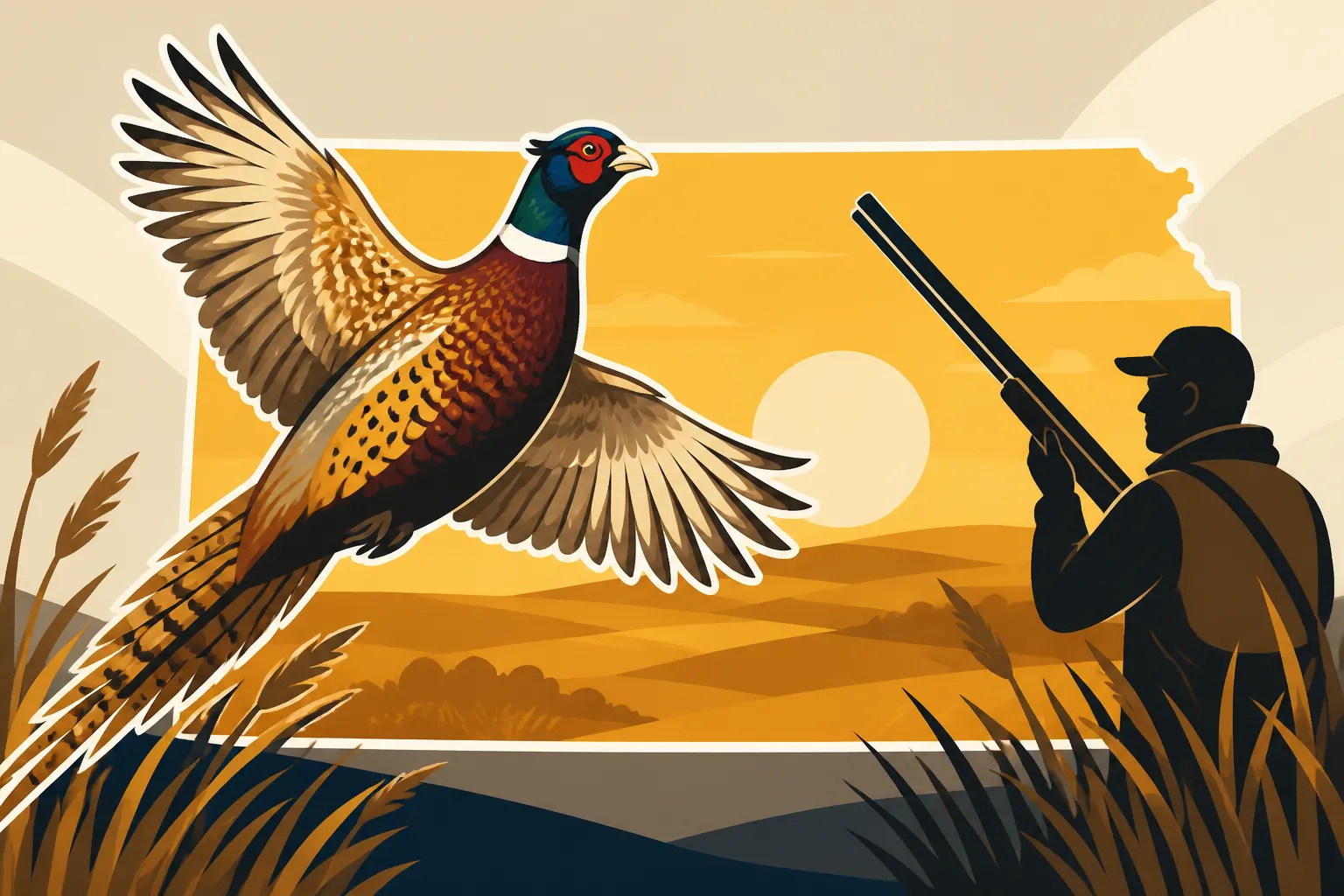
For most hunters, the general pheasant season in Kansas kicks off in mid-November. Think crisp autumn air, fields turning golden, and that undeniable buzz of excitement that signals prime upland hunting time. Historically, this opening weekend is one of the busiest times in the fields, with hunters eager to chase roosters. The season then typically runs through the end of January. This extended season provides ample opportunities, from those high-energy early hunts to the more challenging, but often rewarding, late-season endeavors. Knowing these bookend dates allows you to mark your calendar and coordinate with hunting buddies, ensuring you don't miss out on those prime opportunities to bag some birds.
It's not just about the opening day, though that's certainly a highlight for many. The long stretch of the season, extending through November, December, and January, offers incredible flexibility. This means if you can't make it out right away, you still have plenty of chances. However, conditions change dramatically over these months. Early season might mean milder weather and more cover, while late season often brings colder temperatures and less standing crops, which can drastically alter pheasant behavior and where you'll find them. Checking official resources like the KDWP website or utilizing powerful apps like GoHunt to stay abreast of any last-minute regulation changes is always a smart move.
Youth and Disability Season Special Dates
Kansas is fantastic about offering special opportunities for youth hunters and those with disabilities, and pheasant season is no exception. Typically, a dedicated youth and disability season opens a week or two before the general season. This is a brilliant initiative, giving these groups a chance to experience the thrill of the hunt with less competition and often in more favorable conditions. It's a quieter, more focused environment, perfect for introducing new hunters to the sport or for those who appreciate a less crowded field.
This pre-season window is invaluable for fostering new generations of hunters. Imagine taking a youngster out when they don't have to contend with dozens of other groups in every section of public land. The birds might be a little less wary, and the experience can be much more positive and educational. For hunters with disabilities, it provides a more accessible and enjoyable experience. Always confirm these specific dates each year, as they can shift slightly. These special seasons truly highlight Kansas's commitment to inclusive hunting opportunities.
Key Regulations Beyond Just Dates
While knowing the season dates is paramount, remember that regulations extend beyond just when you can hunt. There are specific rules regarding legal shooting hours, which are typically from half-hour before sunrise to sunset. You also need to be aware of bag limits and possession limits, which dictate how many birds you can harvest daily and how many you can have in your possession after multiple days of hunting. Ignoring these crucial details can quickly turn a successful hunt into a regulatory nightmare, so it's vital to be informed before you ever step foot in the field.
Furthermore, remember to adhere to all general hunting laws, such as carrying a valid hunting license and any required stamps, like the Kansas Harvest Information Program (HIP) stamp if you're hunting migratory birds in addition to pheasants. Even though pheasants are resident game birds, many hunters will pursue other species during the same outing. Always refer to the most current Kansas hunting regulations summary. It's easy to get caught up in the excitement, but a quick review of the rules ensures you're hunting legally and ethically. This is also where resources such as the Kansas Small Game Licence Requirements come in handy, detailing exactly what you need to carry with you.
Why These Dates Matter for Your Hunt Planning
The specific timing of the pheasant season isn't just an arbitrary collection of dates; it profoundly impacts everything from bird behavior to hunter pressure and even the effectiveness of your tactics. Understanding these dynamics throughout the season can give you a significant edge and help you plan a more productive and enjoyable hunt.
Impact of Opening Day Pressure
The pheasant opener in Kansas is a special kind of chaos, especially on public lands like those enrolled in the Walk-In Hunting Access (WIHA) program or State Wildlife Areas. You'll find fields dotted with hunters, often in groups, methodically (or sometimes not-so-methodically) pushing cover. This initial surge of pressure, while exciting, means the birds get educated very quickly. Those roosters that were holding tight in cover just days before the opener suddenly become much more wary, running ahead of hunters or flushing wild at greater distances.
If you're planning an opening weekend hunt, expect company and adjust your strategy accordingly. Being an early bird often helps, getting to your chosen spot well before sunrise to be the first one in. Consider walking less obvious cover, or even scouting for areas that might have less direct vehicle access, as those tend to see less pressure. This initial pressure can actually push birds into thicker, harder-to-reach cover, creating new challenges and opportunities for those who come prepared. For tips on navigating these busy times, consider strategies like Working Pheasant Fields Without a Dog or even Blocking and Driving Kansas Milo Fields if you have a group.
Mid-Season Strategies and Weather Shifts
As the season progresses into late November and December, the intense opening day pressure starts to wane. Many of the standing crops, like corn and milo, are often harvested by this point, which dramatically changes the landscape and how pheasants utilize cover. This mid-season period is often marked by fluctuating weather – from mild, sunny days to sudden cold snaps and even snow. These shifts can actually work in a hunter's favor, as birds become more concentrated in remaining thermal cover.
Mid-season hunting often requires more walking and a keen eye for changes in topography and cover. Pheasants will gravitate towards heavy cover like CRP grass, plum thickets, and draws, especially on colder days. You might find more success focusing on areas with diverse habitat, where birds can find both food and secure bedding. This is also a great time to focus on Hunting Kansas Walk-In Land Without Burning It Out, ensuring you preserve spots for future hunts. Learning to read the changing weather and how it affects bird movement is crucial, as highlighted in topics like Rainfall and Pheasant Numbers, which can give you insight into where birds might be concentrated based on habitat.
Late-Season Opportunities and Challenges
By January, the Kansas pheasant season is winding down, and conditions are typically the coldest and harshest. Snow cover can be common, and food sources might be scarcer, forcing birds to concentrate even more heavily. This can present both significant challenges and unique opportunities. Birds are at their wariest, having survived months of hunting pressure, but they also become more predictable in their need for food and thermal cover. This is when patience and persistence truly pay off.
Focus your late-season efforts on dense, often overlooked thermal cover adjacent to known food sources, even if those food sources are just stubble fields with waste grain. Cedar thickets, deep creek bottoms, and un-mowed grass waterways become prime real estate for roosters trying to escape the biting wind and cold. While the walking can be tougher, and the flushes might be fewer, the satisfaction of bagging a plump, colorful rooster in the dead of winter is immense. Understanding Kansas Pheasant Population Cycles can also inform your expectations, as bird numbers naturally fluctuate. Remember, proper clothing and footwear are non-negotiable for late-season hunts; staying warm and dry is key to staying in the field longer.
Navigating the Kansas Hunting Regulations for Pheasants
Beyond just knowing when you can hunt, understanding the full scope of Kansas regulations for pheasants is crucial. It's not just about avoiding fines; it's about ethical hunting and contributing to the responsible management of this fantastic game bird. From daily limits to necessary licenses, being well-informed ensures a smooth and enjoyable experience for everyone.
Daily Bag and Possession Limits
Kansas imposes specific daily bag and possession limits for pheasants, designed to manage the harvest sustainably. The daily bag limit is the maximum number of birds you can legally harvest in one calendar day. For pheasants in Kansas, this is typically four roosters. This means that once you've shot your four birds for the day, your pheasant hunting is done until the next day. This limit helps spread the harvest among more hunters and maintains a healthy population.
The possession limit, on the other hand, refers to the maximum number of pheasants you can have in your possession at any given time, including birds stored at home, in your vehicle, or at your lodging. For Kansas pheasants, the possession limit is usually three times the daily bag limit, meaning twelve roosters. This is especially important for nonresident hunters or those on multi-day trips who might accumulate birds over several days. Make sure you understand the difference and adhere to both limits to avoid any issues. You can find these specifics and more by looking up Kansas Upland Bird Season Dates and Limits.
| Season Segment | Dates (Approximate) | Daily Bag Limit (Roosters) | Possession Limit (Roosters) |
|---|---|---|---|
| Youth & Disability Season | Late October / Early November | 4 | 12 |
| General Pheasant Season | Mid-November to Late January | 4 | 12 |
Note: Always consult the current year's Kansas Hunting and Trapping Regulations Summary for precise, up-to-date information, as dates and limits are subject to change annually.
Licensing Requirements for Upland Birds
To legally hunt pheasants in Kansas, you'll need the appropriate licenses and permits. For residents and nonresidents alike, a valid hunting license is the foundational requirement. If you're 16 or older, this is non-negotiable. Kansas offers various license options, including annual licenses, five-day nonresident licenses, and even lifetime licenses. Additionally, some specific stamps might be required, though typically not for pheasants unless you're also pursuing migratory birds concurrently.
It’s easy to overlook these administrative details when all you’re thinking about are flushing roosters. However, being caught without the correct paperwork can lead to citations and even confiscation of game. For those who are new to hunting or new to Kansas, obtaining your license online through the KDWP website or through retailers like Walmart or sporting goods stores is generally straightforward. Before you even pack your bags, make sure your license is purchased and printed, or digitally available if that's permissible. New hunters should also be familiar with Kansas Hunter Education and Licensing Basics to ensure they meet all the prerequisites.
Using Digital Resources Like GoHunt for Planning
In today's connected world, digital resources have become invaluable tools for planning hunting trips. The Kansas Department of Wildlife, Parks and Tourism (KDWP) offers fantastic online resources, including their interactive hunting atlas, which is a lifesaver for scouting public lands. Platforms like GoHunt also provide incredibly detailed maps and scouting tools, allowing hunters to identify prime pheasant habitat, locate public access points, and even assess historical harvest data in specific areas. These tools can significantly reduce the amount of guesswork and on-the-ground scouting required, especially if you're traveling from out of state.
Imagine being able to view satellite imagery, property boundaries, and WIHA tracts all on your phone while you're standing in the field. This level of detail, combined with up-to-date season information and regulations, makes GoHunt a powerful ally. You can mark waypoints, track your movements, and even share information with your hunting partners. Utilizing these digital aids allows you to maximize your time in the field, focusing on hunting rather than fumbling with paper maps or guessing property lines. For a deeper dive into Kansas public access, check out resources like Reading the Kansas WIHA Atlas or Using the Kansas Hunting Atlas Online. They make the complexities of land ownership and public access much easier to navigate.
Disclaimer
Please be aware that hunting regulations, season dates, and limits are subject to change annually by the Kansas Department of Wildlife, Parks and Tourism (KDWP). While every effort has been made to provide accurate and up-to-date information in this guide, it should not be considered the sole authority. Always consult the most current official Kansas Hunting and Trapping Regulations Summary or the KDWP website before planning and executing your hunt to ensure compliance.