Kansas Elk Season Dates
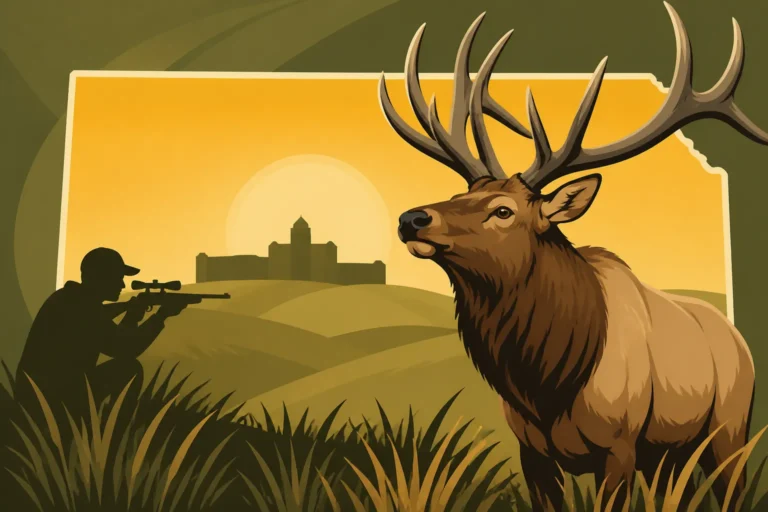
Hunting elk in Kansas is one of those dreams many hunters harbor, but few realize, mostly because finding reliable information on season dates and permit processes often feels like trying to track a ghost. It’s an incredibly limited opportunity, and navigating the nuances of the Kansas Department of Wildlife and Parks (KDWP) regulations can be a headache, leaving many feeling lost before they even start. This comprehensive guide is here to cut through the confusion, clearly laying out the Kansas elk season dates, permit requirements, and what you need to know to even have a chance at pursuing these magnificent animals in the Sunflower State.
Understanding Kansas Elk Hunting's Unique Challenges
Before we dive into specific dates, it's crucial to understand that Kansas elk hunting isn't your typical deer hunt. It’s a highly specialized and exceptionally limited endeavor, largely because wild elk populations are small and concentrated in very specific areas of the state. Unlike widespread deer populations, elk are mostly found in a few key locations, primarily around the Fort Riley military installation and a scattering of smaller, free-ranging herds in western Kansas. This scarcity is the biggest reason why getting an elk tag here is considered a once-in-a-lifetime opportunity for many.
The Rarity of a Kansas Elk Tag
Let's be brutally honest: drawing a Kansas elk permit is like winning the lottery for hunters. The number of permits issued each year is incredibly low, often in the single or low double digits, making the odds of success extremely slim. This isn't a situation where you can just buy an over-the-counter tag for a weekend hunt. Most permits are allocated through a highly competitive draw system, and even buying a preference point doesn't guarantee a permit anytime soon. This reality can be frustrating for passionate hunters who dream of a Kansas elk hunt, but understanding it upfront helps manage expectations. We’re talking about an almost mythical hunt for most.
Concentrated Elk Populations in Kansas
The primary stronghold for Kansas elk is the Fort Riley military reservation. This managed herd provides the majority of the hunting opportunities available in the state. Outside of Fort Riley, there are small, free-ranging herds, predominantly in southeastern Kansas (near units like Unit 3) and sporadic sightings in western Kansas, but these are even more elusive and offer even fewer hunting permits. The KDWP manages these populations very carefully to ensure their health and sustainability, which directly impacts the number of permits issued and the structure of the hunting seasons. If you're looking for where to find these animals, understanding their core areas is your first step. For more detailed information, exploring topics like Kansas Elk Herd Growth Near Fort Riley can provide valuable context.
Breaking Down the Kansas Elk Season Dates
The Kansas elk season dates are not static and can change slightly from year to year, so always confirm with the official KDWP regulations before making any plans. However, they generally follow a predictable pattern, with specific windows for different weapon types and often separate seasons for the Fort Riley herd versus outside units. It’s imperative to remember that these dates are for those lucky enough to draw a permit. Without a permit in hand, these dates are merely aspirational.
General Season Structure by Weapon Type
Kansas typically offers hunting opportunities for elk with archery, muzzleloader, and modern firearm, much like deer seasons, but often with shorter, more restricted periods. The seasons are designed to coincide with elk behavior while also minimizing disturbance to the herds and public land users. Archery seasons often kick off first, followed by muzzleloader, and then firearm seasons, usually extending through the fall and into early winter.
Here's a general overview of what you might expect for Kansas elk season dates, though specific dates can vary:
| Weapon Type | Season Start Date (General) | Season End Date (General) | Notes |
|---|---|---|---|
| Archery | Early September | Late September | Shorter window, often around two to three weeks |
| Muzzleloader | Early to Mid-October | Mid-October | Very limited, typically a one-week period |
| Firearm | Late November / Early December | Mid-December | Often coincides with or overlaps parts of firearm deer season |
| Extended/Depredation | Varies | Varies | Highly specific, rare, and often unit-restricted; check KDWP |
It's vital to remember that the seasons for Fort Riley Elk Units often have their own specific dates and regulations which may differ from the general statewide dates for non-Fort Riley units. The Fort Riley dates are set in coordination with military operations and are announced separately, typically closer to the season. Always cross-reference the KDWP’s current regulations for the most accurate and up-to-date information.
Specific Unit Dates and Considerations
Kansas is divided into several hunting units, but for elk, the focus narrows significantly. The primary units for elk hunting are typically Unit 2 (largely Fort Riley) and Unit 3 (southeastern Kansas). Other units may have a limited presence, but permits are exceptionally rare. For example, if you manage to draw a permit for Kansas Elk Unit 2 Draw, your season dates and access will be dictated by Fort Riley's specific hunting policies, which includes mandatory orientation and check-in procedures. Unit 3 might have what are sometimes referred to as Kansas Over-the-Counter Elk Permits, but this is usually for specific depredation situations or very limited non-draw permits that are still incredibly difficult to acquire.
The differences in dates between units, especially Fort Riley, are not just about geography; they reflect herd management goals and access restrictions. Hunters pursuing elk outside of Fort Riley often face different challenges, including locating the elusive herds and securing private land access, as most free-ranging elk are on private property. For more information, delving into Kansas Elk Unit Boundaries will help you understand the geographical constraints and opportunities.
Navigating the Elk Permit Process and Draw Odds
Since permits are so scarce, understanding the application and draw process is paramount. You simply cannot hunt elk in Kansas without a valid permit, which is almost exclusively obtained through a draw. This isn't a walk-up-and-buy situation, and the frustration of waiting years without success is a very real experience for many hopeful hunters.
The Annual Application Period
The application period for Kansas elk permits typically opens in late March or early April and runs for several weeks, usually closing in May. It's a fairly tight window, and missing the deadline means waiting another year for a chance. Non-residents interested in elk permits will also need to purchase a Kansas hunting license prior to applying. The application process itself is usually done online through the KDWP website. You’ll need to specify your weapon choice (archery, muzzleloader, or firearm) at the time of application, as permits are often weapon-specific.
Unlike the Kansas deer draw, there are no preference points for elk. Every applicant, regardless of previous attempts, starts on an equal footing each year. This means the draw is truly a lottery, which can be both exciting and disheartening. Tools like GoHunt can sometimes offer insights into draw odds based on historical data, though for Kansas elk, the numbers are so low that predictions are difficult. Just know that applying is largely a leap of faith, but a necessary one if you want a chance.
Fort Riley Elk Permit Specifics
Hunting on Fort Riley is a unique beast within Kansas elk hunting. The military reservation offers a regulated elk hunt with its own application system, managed in conjunction with KDWP. Typically, successful applicants for a Fort Riley elk permit will need to complete an orientation specific to the installation's rules and regulations, and access is tightly controlled. These hunts are often highly structured, with specific check-in and check-out times, and hunters must adhere strictly to military land access protocols. This includes background checks and vehicle passes, adding layers of complexity not found in other Kansas hunting scenarios. However, for those fortunate enough to draw, it offers some of the most consistent elk hunting opportunities in the state. You can learn more about this by researching Kansas Elk Permits and Fort Riley Hunts.
Tactics and Considerations for Your Kansas Elk Hunt
So, you’ve beaten the odds and drawn that coveted Kansas elk tag. Now what? The real work begins. Hunting these animals in a state known more for its whitetails and pheasants requires a different approach, blending traditional elk hunting strategies with the realities of the Kansas landscape.
Scouting and Habitat Identification
Once you have that permit, extensive scouting becomes your top priority. If you're hunting Fort Riley, familiarize yourself with their maps, access points, and any specific zones or restrictions. Understanding elk movement patterns within the base, their bedding areas, and feeding locations will be critical. For those hunting free-ranging elk in units like Unit 3, the challenge is even greater. These small herds are often located in dense timber and creek bottoms, utilizing river breaks and thick cover for security. You'll need to focus on finding fresh sign—tracks, scat, rubs, and wallows—to pinpoint their presence. This often involves more legwork than e-scouting, but online tools can certainly help with initial assessments, as covered in topics like E-Scouting Kansas Farm Country From Home.
Elk in Kansas are primarily browsers and grazers, and while they love agricultural fields, they won't typically spend all day out in the open like deer sometimes do. They’ll gravitate towards areas where timber provides cover and water sources are readily available. Early morning and late evening movement between bedding and feeding areas will be your best bet, much like hunting big whitetails.
Public Land vs. Private Land Access
While Fort Riley offers significant public access for those with permits, hunting free-ranging elk outside the military base will almost certainly involve private land. Kansas is largely privately owned, and elk herds on these lands are often protected or managed by landowners. If your permit is for a unit outside of Fort Riley, your immediate task, even before the season, should be to secure permission to hunt on private property. This can be a challenging process, requiring polite persistence and good communication with landowners. Topics like Finding Private Land Access in Kansas can offer insights into how to approach this.
Given the scarcity of permits, if you have one, don't underestimate the effort required to gain access. Sometimes a simple knock on a door, an explanation of your permit, and a respectful offer can go a long way. Building rapport with landowners is always a good strategy in Kansas. Just because an elk lives on a piece of ground doesn't mean you automatically get to hunt it, so start early and be prepared for potential rejections.
General Hunting Strategies for Kansas Elk
Hunting Kansas elk requires a blend of deer and western elk tactics. Still-hunting and slow, deliberate stalks in thick cover can be effective, especially during archery season. Calling can also be successful, particularly during the early archery season when bulls might still be bugling or responsive to cow calls. However, in smaller, more pressured free-ranging herds, elk can become extremely wary. For firearm hunters, understanding how to move through small timber blocks and utilize terrain features to your advantage, especially in relatively flat country, will be key. Remember, Kansas terrain can be deceptively flat, but even subtle changes in elevation, like creek draws, can funnel deer and elk effectively. Reviewing strategies like Reading a Kansas Creek Bottom for Deer Sign can provide crossover value.
No matter your weapon choice, scent control and patience are paramount. Kansas weather can be unpredictable, ranging from warm early fall days to bitter cold by firearm season. Dress in layers and be prepared for anything. This is a special hunt, so savor every moment, even if the elk prove as elusive as their permits suggest. For those who are successful, knowing how to handle your harvest efficiently in the field is also important, particularly in warmer weather.
Disclaimer
Please note that hunting regulations, season dates, and permit requirements can change. Always consult the most current Kansas Department of Wildlife and Parks (KDWP) regulations and official publications before planning any hunting trip. This guide provides general information and should not be considered a substitute for official KDWP resources.