Kansas Elk Unit 1 Closure
It can be incredibly frustrating to research hunting opportunities, get your hopes up about a specific area, only to discover that it's essentially off-limits. If you've been looking into Kansas elk hunting, you might have stumbled upon information about "Kansas Elk Unit 1 Closure" and felt that familiar pang of disappointment. This guide is here to untangle that confusion, explain why Unit 1 operates differently, and show you where legitimate elk hunting opportunities do exist in the Sunflower State.
Understanding Kansas Elk Management and Limited Opportunity
Hunting elk in Kansas is a dream for many, but it's crucial to approach it with a realistic understanding of the state's unique elk population and management strategies. Unlike vast Western states with thousands of elk, Kansas boasts a relatively small, carefully managed herd, making hunting opportunities exceptionally rare and highly coveted.
The Unique Nature of Kansas Elk Herds
Kansas isn't historically known for its vast, free-ranging elk herds like Colorado or Montana. The current elk population in Kansas is primarily concentrated in two main areas: around the Fort Riley military installation in the north-central part of the state, and a smaller, more fragmented herd in southeast Kansas. There's also a very limited number of mule deer that sometimes draw hunters to western Kansas, but elk are a different beast entirely, requiring a different management approach. These herds are a testament to conservation efforts, but they'll never support widespread hunting pressure. This scarcity means that every permit issued is a carefully considered decision by the Kansas Department of Wildlife and Parks (KDWP).
The Goal of Strict Management
The KDWP's approach to elk management is a delicate balancing act. On one hand, they strive to maintain a healthy, viable elk population for their ecological value and future generations. On the other, they must address concerns from landowners about crop damage and fence destruction, which can be significant given the size and appetite of elk. Lastly, and perhaps most importantly for hunters, they aim to provide extremely limited, high-quality hunting opportunities. This trifecta of conservation, damage control, and limited hunting translates into a permit system that prioritizes precise herd management over broad access. It’s why you won't find over-the-counter permits for general elk hunting in most parts of the state; instead, you'll be dealing with a highly competitive draw. If you're looking into applying for other species, you might find more common options by checking out the guide on Kansas Deer Permits and the Nonresident Draw.
Decoding the "Kansas Elk Unit 1 Closure" Concept
When you hear about "Kansas Elk Unit 1 Closure," it's not quite as straightforward as a complete shutdown of hunting in a geographical area. Instead, it speaks to the very specific, highly restricted nature of hunting within this particular unit.
Fort Riley: The Reality of Elk Unit 1
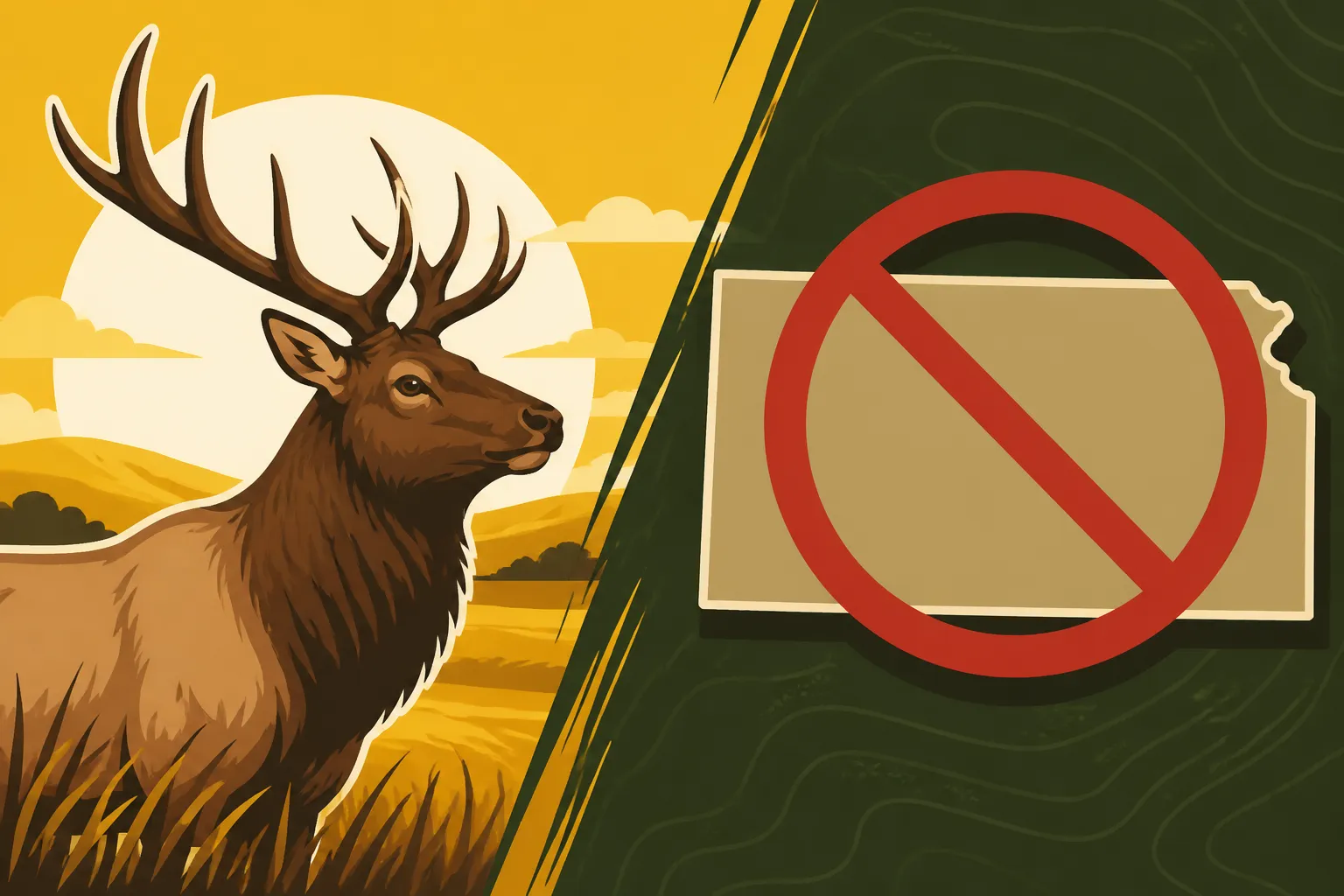
Kansas Elk Unit 1 is not "closed" in the traditional sense of hunting being entirely prohibited. Rather, it is the Fort Riley military installation, a sprawling property covering over 100,000 acres in north-central Kansas. Elk hunting within Unit 1 is an entirely separate program from the general KDWP statewide draw for Units 2 and 3. This means that while elk do live and thrive on Fort Riley, access to hunt them is profoundly restricted.
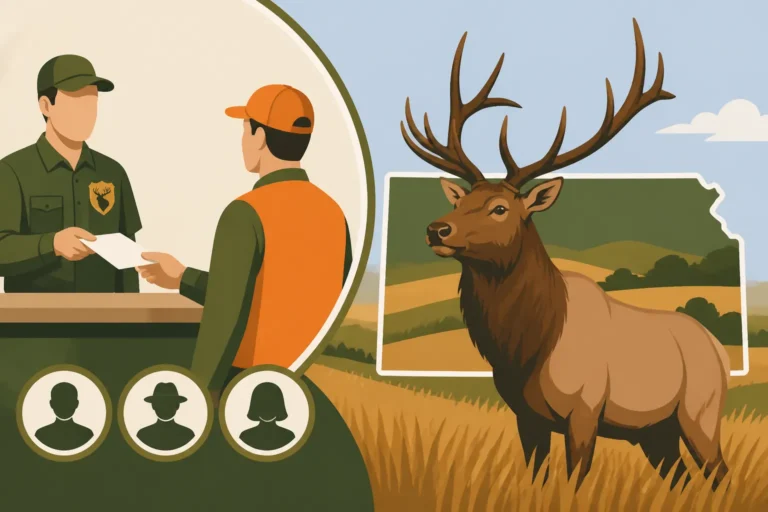
For most civilian hunters, particularly non-residents, gaining a permit for Unit 1 feels akin to a closure because the odds are astronomically low. Fort Riley manages its own specific elk lottery, heavily prioritizing active duty military personnel stationed there. A very limited number of tags, often just a handful each year, are made available to other military personnel and then, even more rarely, to civilians. This separate application process, which requires direct application through Fort Riley's Outdoor Recreation program and often involves specific military ID requirements, means it’s not part of the standard KDWP draw that most hunters apply for. For many, after seeing the eligibility requirements and understanding the permit quotas, it effectively is a "closure" to their personal hunting prospects, even if it's technically open under specific rules.
Why This Distinction Matters for Hunters
Understanding that Unit 1 is Fort Riley and operates under a unique set of rules is crucial. If you're a non-resident dreaming of a Kansas elk hunt, applying for a KDWP elk permit won't get you a tag for Unit 1. You would need to navigate the Fort Riley-specific application process, which, as mentioned, is designed primarily for military personnel. This distinction can be a significant point of frustration for hunters who see "Unit 1" on a map and assume it's just another unit in the state draw.
The high level of military preference means that the few civilian tags available are often filled by those with long-standing relationships with the base or through sheer, incredible luck. Many hunters consult online resources like GoHunt for draw odds across various states and species. While GoHunt is excellent for predicting KDWP draw success, its data for the Fort Riley-specific draw might be harder to come by or simply reflect the incredibly slim chances for non-military applicants. It's a prime example of why delving into the fine print of regulations, rather than just glancing at a unit map, is absolutely essential when planning a hunt in a state like Kansas. If you're new to the general permit system, reviewing Kansas Hunting Licence and Permit Costs can help clarify basic requirements.
Exploring Actual Kansas Elk Hunting Opportunities
While Unit 1 (Fort Riley) presents a formidable barrier for most, there are legitimate, albeit still highly competitive, avenues for elk hunting in Kansas through the KDWP draw system for other units. It's not a slam dunk, but it's where most civilian hunters should focus their efforts.
The KDWP Draw for Units 2 and 3
The primary method for most hunters to pursue elk in Kansas is through the statewide lottery draw managed by the KDWP, which covers Units 2 and 3.
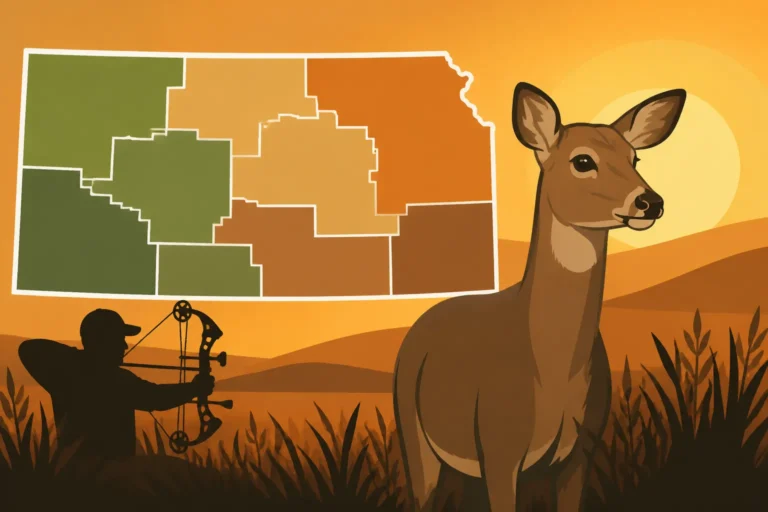
- Unit 2 (Western Kansas): This unit encompasses the western part of the state, generally west of Highway 77. The elk population here is more transient and spread out across vast landscapes, often moving between public and private lands. Tags for Unit 2 are extremely limited, and drawing one typically requires many years of accumulated preference points. Hunters who apply here are often seeking a true wilderness experience, though "wilderness" in Kansas means expansive plains and agricultural lands rather than mountains. Success rates are generally low due to the challenge of locating and accessing elk in such a large, open area. You can learn more about general unit boundaries in Kansas by exploring Kansas Deer Units 1 Through 19.
- Unit 3 (Southeastern Kansas): This unit covers southeastern Kansas, where a smaller, more established elk herd resides, often associated with specific timbered areas and private land. Permits for Unit 3 are also highly restricted, but they offer a different hunting experience than Unit 2. Access to private land is often key here, making landowner permission or a guided hunt a significant advantage. This unit tends to be less about spot-and-stalk across wide-open spaces and more about hunting specific pockets of timber or agricultural land.
Applying for either of these units means entering a lottery system, often requiring the accumulation of preference points over several years. This process is similar to how many states manage their limited-entry hunts for species like deer and antelope. Understanding the Kansas Elk Unit Boundaries is critical before applying.
Over-the-Counter Permits: Rare Exceptions
Generally speaking, over-the-counter (OTC) elk permits for any-elk or either-sex are virtually non-existent for non-landowners in Kansas. The state's strict management means that almost all elk permits are issued through the draw.
However, there can be very specific, highly localized, and often short-duration antlerless-only permits available over-the-counter in Unit 3 for landowners or on special hunt programs, but these are exceptions rather than the rule for the general hunting public. These are typically issued to help manage localized herds that might be causing specific agricultural damage. Even these specialized permits are not widely advertised or readily available, making them a very niche opportunity. For most aspiring elk hunters, relying on a future OTC elk tag in Kansas is not a viable strategy. Instead, focusing on the draw for Units 2 and 3 is your best bet, or exploring the military draw if you qualify for Kansas Over-the-Counter Elk Permits.
Navigating the Fort Riley Elk Lottery
As we've touched upon, Fort Riley (Unit 1) has its own separate elk lottery. This is a critical distinction that often trips up hunters. If you're not active military stationed at Fort Riley, your chances of drawing an elk tag here are incredibly slim.
The Fort Riley hunting program is typically managed through the base's Directorate of Family and MWR (Morale, Welfare and Recreation) or Outdoor Recreation Services. They publish their specific application dates, requirements, and draw results separately from the KDWP. Historically, a large percentage of permits are reserved for active-duty personnel, with a small number going to retired military, and an even smaller, almost negligible, number for civilians. This system is designed to provide recreational opportunities for service members and their families on the installation, with wildlife management being a secondary, but still important, consideration.
If you are military or have a strong connection to Fort Riley, it's worth diligently checking their specific regulations and application periods. Otherwise, for the vast majority of hunters, Unit 1 is an experience that will likely remain a very distant dream. For more general information about these hunts, a good starting point would be to read Kansas Elk Permits and Fort Riley Hunts.
Here's a quick comparison of the Kansas Elk Units and their typical access for hunters:
| Kansas Elk Unit | Primary Location | Access Method (General Public) | Typical Availability | Key Restriction |
|---|---|---|---|---|
| Unit 1 | Fort Riley | Fort Riley Specific Lottery | Extremely Limited | Military Preference, Separate Application |
| Unit 2 | Western Kansas | KDWP Statewide Lottery Draw | Very Limited | High Preference Points Required |
| Unit 3 | Southeastern Kansas | KDWP Statewide Lottery Draw | Very Limited | High Preference Points Required; Landowner tags for antlerless |
Remember, success in drawing a Kansas elk tag in Units 2 or 3 often hinges on accumulating preference points over many years. This means applying annually, even if you don't expect to draw, just to build up those points. Checking draw odds on platforms like GoHunt can help you gauge how many points you might need for a realistic chance, but always cross-reference with KDWP's official regulations and harvest reports. Staying updated on application windows, like the typical Kansas Deer Application Window in April, is crucial for any draw hunt in the state.
Disclaimer
The information provided in this article is for general guidance and informational purposes only. Hunting regulations, season dates, unit boundaries, and application processes in Kansas can change frequently. Always consult the official Kansas Department of Wildlife and Parks (KDWP) website and current year's hunting regulations for the most accurate and up-to-date information before planning any hunting activity. Eligibility for specific draws, especially those related to military installations like Fort Riley, is subject to strict criteria.