Blind Hunting for Turkeys With Kids
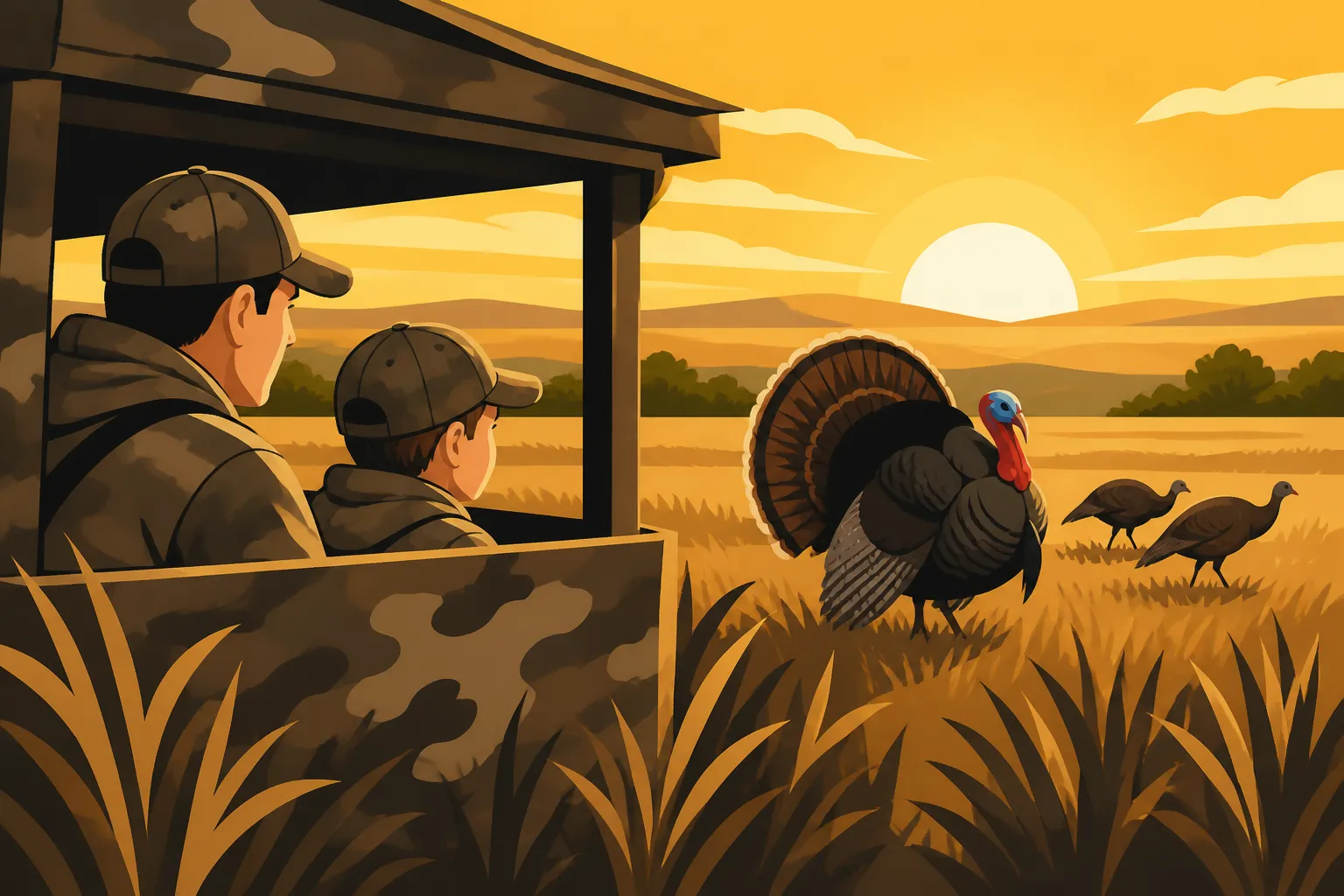
Bringing kids along for a turkey hunt can feel like trying to herd cats while simultaneously trying to stay absolutely motionless and silent – a near-impossible feat that often ends in frustration for everyone involved. But it doesn't have to be that way! Blind hunting for turkeys offers a fantastic solution, creating a comfortable, contained environment where young hunters can learn, fidget a little, and still experience the magic of a gobbler strutting into range. This guide will walk you through setting up a successful and enjoyable turkey hunt with your little ones in the blinds of Kansas.
The Undeniable Advantage of Ground Blinds for Kid Hunts
Let's face it, kids are wiggly. They get cold, they get hot, they get bored, and their attention spans can sometimes be shorter than a turkey's strut. Trying to sit still and silent in open country with a youngster, especially when a wary gobbler is trying to pinpoint your exact location, is a recipe for whispered reprimands and dashed hopes. This is precisely where a good ground blind becomes an indispensable tool, transforming a potentially miserable experience into a cherished memory.
Concealing Movement and Managing Expectations
The primary benefit of a ground blind when hunting with kids is its ability to completely conceal movement. Inside a blind, a child can shift, eat a snack, whisper a question, or even play quietly on a tablet (with headphones, of course!) without alerting sharp-eyed turkeys. This freedom from constant "don't move!" commands drastically reduces stress for both parent and child. Instead of constantly scolding, you can focus on teaching and enjoying the experience. Kids can actively participate in spotting birds, learning turkey calls, and understanding shot placement without the crippling fear of messing up. It allows them to relax and observe the natural world outside, fostering a deeper connection to the hunt rather than just enduring the sit. You'll find that many of the same principles that apply to using a blind effectively for deer also apply here, especially how to maximize concealment, much like you would when utilizing Ground Blinds in Open Country.
Comfort, Weather Protection, and Longer Sits
Kansas weather can be notoriously fickle, especially during spring turkey season. One morning might start crisp and cool, only to turn scorching by midday. A pop-up ground blind offers invaluable protection from the elements, whether it's the biting wind, an unexpected shower, or the intense sun. This comfort translates directly into longer, more enjoyable sits. A cold or wet child is a miserable child, and a miserable child means a short hunt. Within the blind's confines, you can bring extra layers, a small portable heater on really chilly mornings, or even a fan for warmer days. Comfortable seating, like a small folding chair or cushion, also makes a huge difference. This ability to stay comfortable means you can often outlast other hunters and be in the woods when those midday gobblers start looking for hens.
Essential Gear for a Successful Kid-Friendly Turkey Hunt
When you're bringing kids into the turkey woods, your gear list expands beyond just your gun and calls. Think of it as preparing for a mini-expedition where comfort, engagement, and preparedness are paramount. The right gear can make or break the experience.
Beyond the Basics: Kid-Specific Comforts
First and foremost, snacks and drinks are non-negotiable. Pack a variety of quiet snacks – think granola bars, fruit snacks, pre-peeled oranges, or even a sandwich. Avoid anything crunchy or crinkly. Hydration is key, too, so water bottles are a must. For entertainment, consider quiet activities like small coloring books with crayons, a silent game on a phone with headphones, or a small, lightweight book. The goal isn't to distract them from the hunt entirely, but to provide an outlet for their natural fidgeting during lulls. This is where scouting tools, even digital ones, can assist you in finding the best spots where you might have more consistent action, allowing for less downtime in the blind. Many hunters use apps like GoHunt to scout and mark potential roosting sites or travel corridors, which can be invaluable when trying to keep kids engaged.
Secondly, appropriate clothing is critical. Layering is always important, but even more so for kids who can chill or overheat quickly. Pack extra socks, a warm hat, and waterproof outer layers. Consider quiet fabrics that won't rustle loudly with every slight movement. Good boots are also essential. Remember that little bodies lose heat faster and are more susceptible to cold. For calling, consider a simple, easy-to-use pot call or a box call that a child can operate. Let them practice beforehand. You might be surprised how quickly they pick it up!
Setting Up the Blind Interior
Inside the blind, comfort is king. Comfortable seating for everyone is a must. Small folding chairs or thick ground cushions work well. Consider bringing a small rug or piece of carpet for the floor to help muffle sounds if things get dropped. If you have multiple children, ensure they each have enough space to not constantly bump into each other. A small bag or backpack for each child, containing their snacks and quiet activities, can help them feel more in control and organized.
| Item | Purpose | Kid-Friendly Considerations |
|---|---|---|
| Ground Blind | Concealment, weather protection, movement control | Large enough for everyone, easy setup/takedown, quiet fabric. |
| Comfortable Seating | Reduces fatigue, allows longer sits | Small chairs, ground cushions, foam pads. |
| Snacks & Drinks | Sustenance, boredom relief | Quiet packaging, easy to eat, non-messy (granola bars, fruit snacks, water). |
| Quiet Entertainment | Keeps kids engaged during lulls | Books, coloring books, silent games with headphones, small toy animals. |
| Layered Clothing | Adapts to changing weather | Extra socks, waterproof outer layers, quiet fabrics, warm hats/gloves. |
| Kid-Friendly Call | Engagement, learning | Easy-to-use pot or box call, mouth call if practiced, let them choose. |
| First-Aid Kit | Preparedness for minor scrapes | Band-Aids, antiseptic wipes, pain reliever, tick remover. |
| Headlamp/Flashlight | Navigating in low light | Small size for kids, extra batteries. |
| Small Backpack | Organisation, empowers child | Lets them carry their own items, light and comfortable. |
| Binoculars | Engagement, spotting birds | Lightweight, small magnification, teach them how to use them to spot turkeys. |
Strategic Setup for Engaging Young Hunters
A successful hunt with kids isn't just about showing up; it's about thoughtful preparation and smart execution. The location of your blind and how you manage the hunt's pace are vital. Remember, the goal is a positive experience that sparks a lifelong love for the outdoors, not just tagging a bird.
Location, Location, Location: Where to Place Your Blind
Choosing the right spot for your blind is paramount. With kids, you want a location that offers a high probability of seeing birds, even if they don't come into range. This keeps engagement levels high. Look for areas where turkeys naturally travel or congregate. Prime locations often include:
- Near known roosting sites: Turkeys will fly down at dawn, and setting up nearby can offer early morning action. Just be sure not to set up so close you disturb them while they're still in the trees. You'll want to review how to properly execute Roosting Kansas Turkeys the Night Before to identify these critical spots.
- Strut zones: These are often open areas, like field edges or pastures, where gobblers like to display for hens. A blind tucked into the edge of a field, camouflaged with natural vegetation, can be deadly.
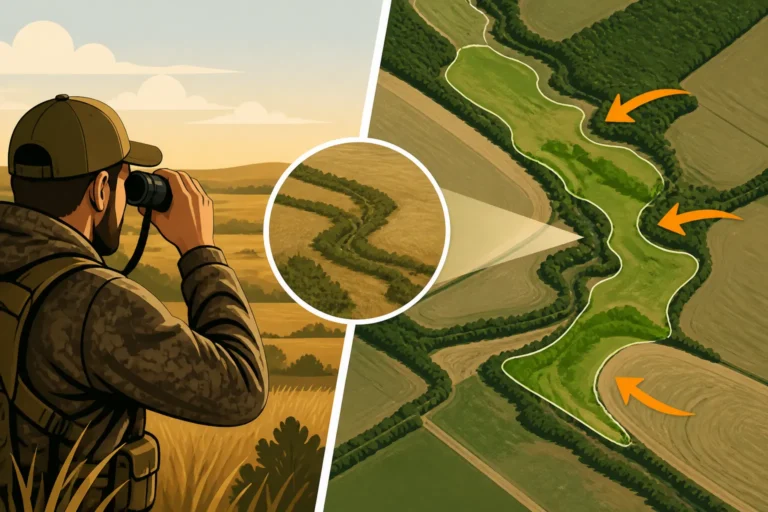
- Travel corridors: Turkeys use predictable routes, especially along creek bottoms, timber edges, or fence lines. Identifying these pathways is key. Online mapping tools, including those offered by GoHunt, are fantastic for e-scouting and marking these potential hotspots before you even set foot in the field.
- Food sources: Early spring might see turkeys frequenting green-ups, while later in the season, they might be in recently cut fields or near bugging areas.
Once you pick a spot, set up your blind well in advance if possible, to allow birds to get accustomed to it. Make sure it's brushed in thoroughly with natural vegetation like cedars, branches, or tall grass so it blends seamlessly into its surroundings. The less it looks like a foreign object, the better. Consider the sun's angle – you want the sun at your back or side, not shining directly into your blind, which could create a silhouette or make it hard to see incoming birds.
Decoy Placement and Managing Expectations
Decoys can significantly increase your success rate and provide a focal point for kids to watch. A simple hen decoy, or a jake and a hen spread, can be very effective. Place them within comfortable shooting range for your child (and you), usually 15-25 yards. Position them so that an incoming gobbler will present a broadside or slightly quartering-away shot. For more detailed insights on effective setups, refer to our guide on Turkey Decoy Spreads That Work.
Beyond the physical setup, managing expectations is crucial. Talk to your kids beforehand about the reality of hunting: it's not always about taking a bird. Emphasize the experience – listening to the woods wake up, hearing gobblers on the roost, watching squirrels, and being patient. Let them know that sometimes turkeys don't cooperate, and that's okay. Celebrate small victories, like hearing a distant gobble or spotting other wildlife. This positive reinforcement is far more impactful than focusing solely on the harvest.
Keeping Kids Engaged and Safe Throughout the Hunt
The hunt itself is where the rubber meets the road. Even with the best setup, keeping young hunters engaged and safe requires active participation from you. This is where your role as a mentor truly shines.
Active Participation and Learning Opportunities
Involve your kids in every step they can handle. Let them help carry light gear to the blind, assist with brushing it in, or even help set out decoys. Once inside, give them responsibilities. Can they be the "spotter" with binoculars, searching the field edge? Can they try a few soft hen yelps on a pot call you brought, just for practice? Even if it's not perfect, the act of them attempting to mimic the sounds of the woods is a powerful bonding experience. Learning how to properly make various turkey calls can be a fun activity, and our article on Calling a Gobbler Off the Roost can give you ideas for sounds to practice.
Talk to them about what you're doing. "See how I'm yelping softly? I'm trying to sound like a lonely hen." Or "That gobble was really close, he's probably coming from behind those trees." Explain the nuances of turkey behavior and how you're using calls and decoys to draw them in. Use the quiet moments to discuss other wildlife you see, or even basic survival skills. This transforms waiting into an active learning session. Even if you don't call in a bird, these conversations are priceless. If things get really slow, you can even talk about other turkey hunting strategies, such as Run-and-Gun Turkey Tactics on Kansas Walk-In Ground, contrasting it with the blind hunt to highlight different approaches.
Prioritizing Safety in the Blind
Safety is always the top priority, especially with firearms and children. Before you even head out, review firearm safety rules thoroughly. Inside the blind, reinforce these rules constantly:
- Muzzle control: Always know where your muzzle is pointing. Establish a safe zone of fire within the blind.
- Target identification: Ensure your child understands they only shoot at a confirmed turkey, never at movement or sound. You must confirm the target before they even think about raising their gun.
- Load and unload procedures: Teach them when it's safe to load and unload their firearm.
- Hunter Orange: While not always required inside a blind, ensure you and your child wear hunter orange when walking to and from the blind, especially during periods when other hunters might be in the area. Review Kansas regulations for Public Land Turkey Safety to ensure you are compliant.
Another crucial safety aspect is knowing when to call it a day. If your child is truly miserable, cold, hungry, or simply not having fun, it’s time to pack up. Pushing them too hard will only create negative associations with hunting. The goal is to build positive memories and a foundation for future adventures, not force them to endure a difficult experience. Sometimes, success is simply a morning spent together in nature, not a bird in the vest. The opportunity to witness the morning unfold from the blind, hear the distant gobbles, and talk about the unique Kansas Turkey Population Trends and where they prefer to roost provides plenty of educational value. Remember that securing the necessary Kansas Spring Turkey Permits and Units is the first step for any successful hunt.
Disclaimer
Hunting is an inherently dangerous activity. This article is intended for informational purposes only and does not constitute professional advice. Always prioritize safety, adhere to all local and state hunting regulations, and consider seeking professional guidance for advanced techniques or safety training. The author and publisher are not responsible for any accidents, injuries, or legal infractions that may occur.