Muzzleloader Season Deer Behaviour
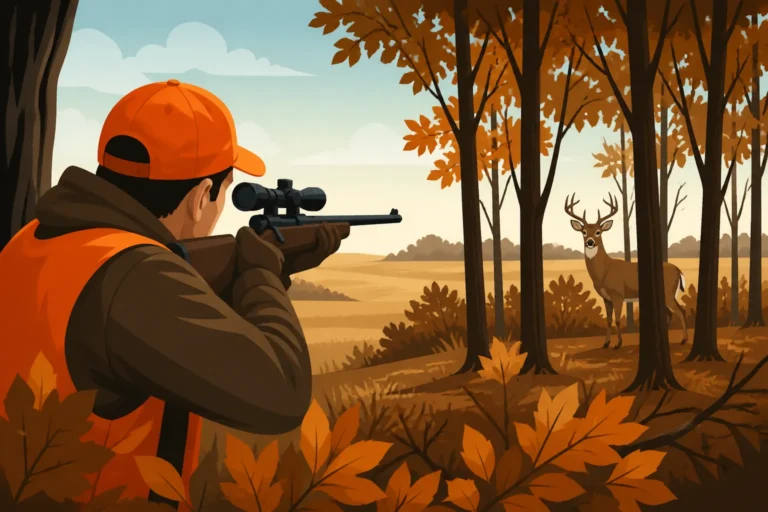
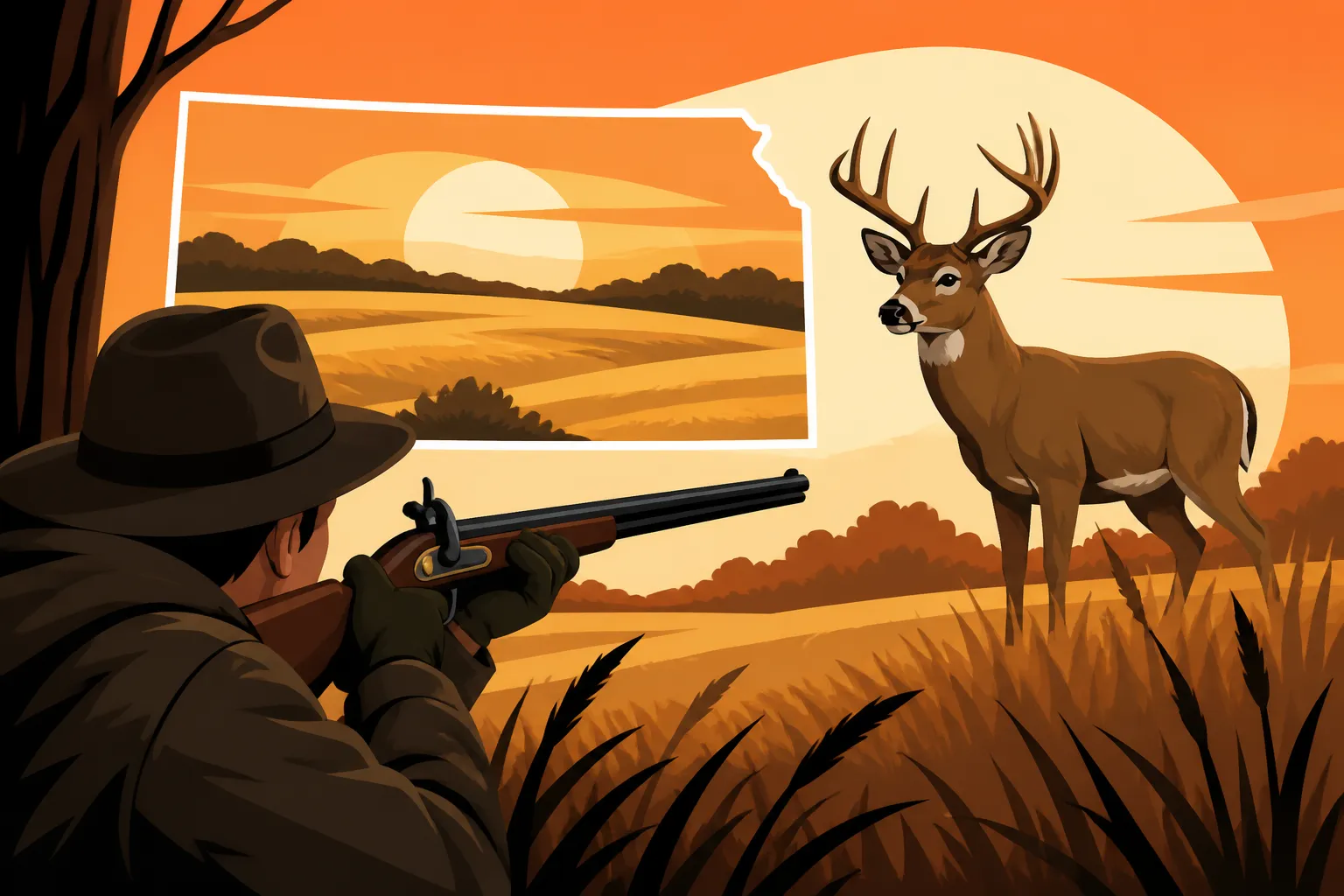
The Kansas muzzleloader season, typically gracing us with its presence in early to mid-September, presents a unique set of challenges and opportunities for deer hunters. It's a time when the echoes of summer still linger, but the subtle whispers of fall are just starting to be heard, leading to deer behaviors that can be quite different from what you might expect during the heart of the rut or the cold days of firearm season. Many hunters struggle to pinpoint deer during this period, finding traditional tactics less effective in the persistent heat and abundant forage. This comprehensive guide will break down the specific behaviors of Kansas whitetails and mule deer during the muzzleloader season, helping you understand their movements, preferred habitats, and reactions to pressure, so you can increase your odds of success.
Understanding Early-Season Deer Movement Patterns
Deer movement during the Kansas muzzleloader season is a far cry from the frenetic activity of November. In early September, deer are largely still in their summer patterns, heavily influenced by available food, water, and the intense heat. Expect to see patterns that are much more predictable and often tied directly to their basic needs.
Dawn and Dusk Activity with Midday Lulls
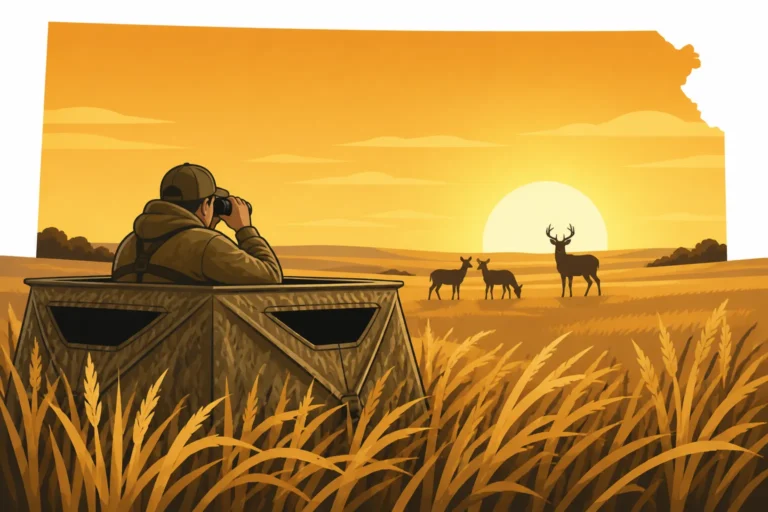
During the muzzleloader season, deer activity is overwhelmingly concentrated during the low-light hours of dawn and dusk. The moment the sun crests the horizon, or dips below it, that's your prime window. They'll venture out from their bedding areas to feed and water, but as soon as the sun climbs higher and temperatures start to soar, they'll retreat quickly back into heavy cover.
You're not likely to see much midday cruising or random movement during this time unless a significant cool front moves through, which is rare for early September. Instead, expect long periods of bedding and minimal activity between roughly 9 AM and 5 PM. It's a frustrating reality for hunters who are used to longer periods of movement, but understanding this pattern is key. If you're on stand during those hot midday hours, your chances are significantly lower, and you risk putting unnecessary pressure on deer that are already stressed by heat. For strategies on staying cool and effective, check out our guide on Muzzleloader Deer Tactics in Warm September Weather.
Bachelor Groups and Summer Patterns
Early in the muzzleloader season, many mature bucks are still running in bachelor groups. These groups often consist of 3-5 bucks, sometimes more, and they tend to follow very predictable patterns between their core bedding areas and preferred food sources. They’re still carrying their velvet, or have just recently shed it, and aren't yet thinking about does. Their primary focus is packing on calories for the upcoming rut and maintaining hydration.
As the season progresses through September, these bachelor groups will slowly begin to break up as testosterone levels rise, and individual bucks start to become more territorial. However, at the very beginning of the muzzleloader season, you might find multiple bucks feeding together. Identifying these group patterns can give you a significant advantage, as multiple sets of eyes and noses can make them harder to approach but more rewarding if you can pattern them successfully. Scouting these groups before the season opener, even with trail cameras, can give you invaluable insight. Using a mapping application like GoHunt can help you mark observations and potential travel corridors.
The Critical Impact of September Weather on Deer
Kansas weather in September is often characterized by oppressive heat and humidity, which plays a monumental role in shaping deer behavior. Ignoring these environmental factors is a surefire way to have a slow hunt. Deer are physiologically built to handle the cold much better than extreme heat, so their survival instincts kick in hard when temperatures are high.
Heat Stress and Reduced Activity
High temperatures, especially those creeping into the 80s and 90s, cause significant heat stress for deer. They'll metabolically slow down, reducing all but essential movements to conserve energy and stay cool. This is why you see the pronounced midday lull. Think about how you feel on a sweltering summer day – you're less inclined to run a marathon, right? Deer are no different. They'll seek the densest, shadiest cover they can find and often won't move much more than necessary to shift positions within that cover.
This physiological response means that targeting the fringes of cover, especially where air circulation might be slightly better or a cooler breeze might pass through, becomes more important. Understanding how deer react to this heat is paramount. If you're hunting during an unseasonably warm spell, adjust your expectations and focus your efforts on those very narrow windows of opportunity at dawn and dusk. This is also why having good Access Routes That Do Not Bump Deer is crucial, as any disturbance during hot weather can send them into even deeper, more secure cover.
Wind and Thermals in Early Fall
While often overlooked in flat farm country, wind and thermals still play a crucial role, especially when combined with early season heat. Thermals will typically rise in the morning as the ground heats up and fall in the evening as temperatures drop, creating predictable air currents in areas with even subtle elevation changes, like creek bottoms or shelterbelts.
Understanding how to use the wind and thermals to your advantage is critical for staying undetected. In the morning, as warm air rises, your scent will likely rise with it, making stands on higher ground less risky initially. In the evening, as cool air sinks, your scent will be carried downwards, making lower elevation stands potentially better. For instance, if you're hunting along a river bottom, understanding Wind and Thermals on a River Bank can be the difference between a successful encounter and a busted hunt. Always play the wind, but during muzzleloader season, layer in thermal considerations to refine your approach.
Key Food and Water Sources
With an abundance of natural forage and agricultural crops in September, deer have a buffet available to them. Identifying the preferred food sources and, more importantly, consistent water sources, becomes paramount for patterning deer behavior.
Early Fall Crop Preferences
Kansas is an agricultural state, and crops are a primary draw for deer. During muzzleloader season, deer are often still heavily hitting soybean fields, which are typically lush and green, providing both food and cover. Corn fields, while offering exceptional cover, are also prime feeding grounds, especially as the corn starts to mature and dry down slightly. Deer will also seek out alfalfa fields and any remaining lush green browse in timber edges.
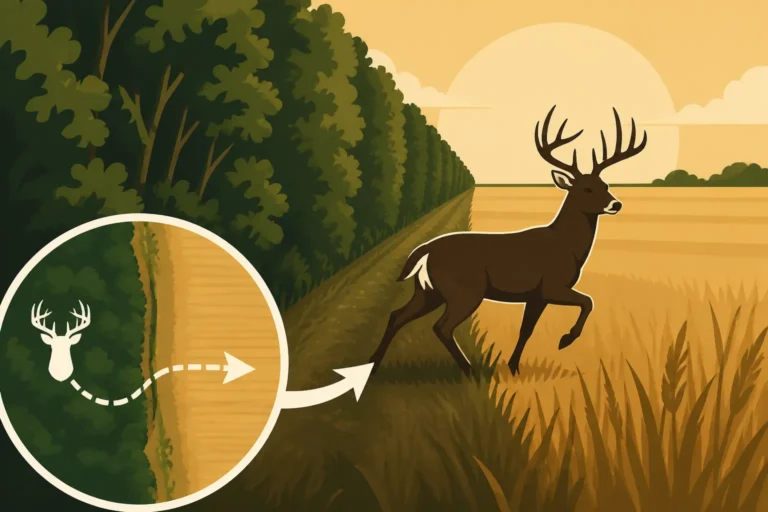
Unlike later in the season when standing corn might be cut, during September, many fields are still intact, providing secure bedding within the food source. This means deer might not travel far from their beds to feed. Pay close attention to Hunting Inside Corners of Crop Fields or areas where cover meets crops, as these are natural transition points where deer feel secure moving out to feed. While a buck's diet is varied, focusing on these high-energy, high-protein crops will give you the best chance of intercepting them.
Water as a Magnet in Heat
In the unrelenting September heat, water sources become absolute magnets for deer. They need to drink frequently to stay hydrated, and any natural or man-made water source will draw them in. This includes small farm ponds, creek beds (even if they're only holding intermittent pools), and low-lying areas that collect moisture.
Focusing your scouting efforts on these water sources can be incredibly productive. Deer will often visit water multiple times a day, especially during the low-light hours. Positioning a stand or blind near a secluded pond or a well-used creek crossing can be a high-percentage play. Our guide on Early-Season Bowhunting Over Water offers excellent insights that are highly applicable to muzzleloader season strategies, given the similar early-season conditions. Look for tracks and disturbed mud around the edges, indicating recent deer activity. When using your GoHunt mapping system, clearly mark all potential water sources you find during your e-scouting, then verify them in the field.
Bedding Areas and Hunting Pressure
Where deer choose to bed during muzzleloader season is heavily influenced by the need for shade, security, and proximity to food and water. As hunting pressure begins, these bedding areas become even more critical sanctuaries.
Thick Cover and Shade for Bedding
In September, deer will prioritize thick cover that offers ample shade and thermal regulation. This means dense timber stands, particularly those with a heavy understory of cedars or brush, are prime locations. Cedar Thickets as Bedding Cover are particularly attractive because their dense foliage provides both visual security and excellent shade, keeping deer cooler.
You'll also find deer bedding in tall grasslands, especially CRP (Conservation Reserve Program) fields. The dense, tall grasses of a CRP Grass and Where Bucks Bed tract provide excellent concealment and surprisingly good thermal regulation against the sun. River and creek bottoms, with their mix of timber, brush, and often slightly cooler microclimates, are also classic bedding locations. When scouting, use tools like GoHunt's satellite imagery to identify these dense patches of cover, then verify on foot for signs of deer use.
The Influence of Early Hunting Pressure
Even though muzzleloader season is relatively short, any hunting pressure can quickly shift deer behavior. If deer are consistently disturbed, they will become more nocturnal and seek out even thicker, more remote sanctuary areas. This is particularly true for mature bucks, which are already masters of evasion.
The key is to minimize your impact. Use quiet approaches, hunt smart, and avoid over-hunting any single spot. If you bump deer from a bedding area, give it time to cool off before returning. Understanding Hunting Pressure Patterns on Kansas Public Land is crucial, as public ground often sees an increase in disturbance. Deer on pressured land will use the absolute thickest cover available, often only moving under the complete cover of darkness. This means you need to be extremely patient and potentially adjust your stand locations to catch deer moving just before last light or just after first light, closer to their bedding cover, rather than waiting for them at a distant food plot.
Muzzleloader Season Deer Activity Summary
To help visualize the general patterns during Kansas's muzzleloader season, here's a quick look at how deer activity typically correlates with environmental factors. Remember, these are general guidelines, and local conditions can always vary.
| Factor | Deer Activity Level | Notes |
|---|---|---|
| Temperature | ||
| Below 60°F (Cool) | High | Increased daytime movement, especially if sunny. |
| 60-75°F (Mild) | Moderate | Good early morning/late evening, some midday movement possible. |
| 75-90°F (Warm/Hot) | Low | Primarily nocturnal/crepuscular; seek thick shade. |
| Above 90°F (Extreme) | Very Low | Minimal movement, mainly for water, often under full dark. |
| Time of Day | ||
| Dawn (Pre-sunrise) | High | Feeding, moving from bedding. |
| Morning (Post-sunrise) | Moderate, then Low | Retreating to bedding as sun rises and temps climb. |
| Midday | Very Low | Bedded, minimal movement unless disturbed or severe weather change. |
| Evening (Pre-sunset) | Moderate, then High | Moving from bedding to feed/water. |
| Dusk (Post-sunset) | High | Peak feeding activity, moving into open. |
| Wind Speed | ||
| Calm (0-5 mph) | Moderate to High | Deer feel secure, but scent control is paramount. |
| Light (5-15 mph) | Moderate | Good for masking sound; deer feel secure. |
| Moderate (15-25 mph) | Low to Moderate | Deer can be skittish; stick to thick cover. |
| High (25+ mph) | Low | Deer often bed down, movement is minimal, visibility is poor. |
This table highlights why targeting those cooler, low-light periods is so crucial during the early muzzleloader season. Deer are simply more comfortable and willing to move when they don't have to battle the elements.
Final Thoughts on Muzzleloader Deer Behavior
Hunting the Kansas muzzleloader season isn't about covering miles or calling in cruising bucks. It's a game of patience, precision, and truly understanding the specific behaviors driven by early fall conditions. Your focus should be on minimizing pressure, meticulous scouting (both digital with tools like GoHunt and on-the-ground), and capitalizing on the brief windows of activity around dawn and dusk, especially near water and preferred food sources.
Remember, deer are creatures of habit, even when the environment throws challenges at them. By observing their patterns in relation to the lingering summer heat, abundant food, and the slightest hint of hunting pressure, you can unlock the secrets to a successful muzzleloader hunt in Kansas. The season for Kansas Muzzleloader Deer Hunting in September can be incredibly rewarding for those who adapt their strategies to these unique behaviors.
Disclaimer
This guide is for informational purposes only and should not be considered legal advice. Hunting regulations in Kansas can change. Always consult the official Kansas Department of Wildlife, Parks and Tourism (KDWP) regulations and local laws before planning any hunting activity.