Checking In and Out on iWIHA Ground
The frustration of driving hours to a promising public hunting spot, only to find it crawling with other hunters, is a feeling many of us know all too well. Kansas, with its wealth of productive hunting ground, has been working to address this challenge, especially on its most popular tracts. That's where the interactive Walk-In Hunting Access (iWIHA) program comes in, offering a fantastic opportunity for hunters willing to navigate a few digital steps. This guide is all about demystifying the essential process of checking in and out on iWIHA ground, ensuring you understand the rules and can maximize your time afield.
Understanding Kansas iWIHA Ground and Its Purpose
For years, Kansas's traditional Walk-In Hunting Access (WIHA) program has been a godsend for resident and nonresident hunters alike, opening up vast amounts of private land to public use. It’s an incredible program that puts hundreds of thousands of acres within reach. However, as certain tracts became popular hotspots, the sheer number of hunters could sometimes diminish the quality of the experience, and in some cases, even impact wildlife behavior. This led to the development of iWIHA, an innovative solution designed to manage hunter numbers more effectively.
What Makes iWIHA Different from Traditional WIHA?
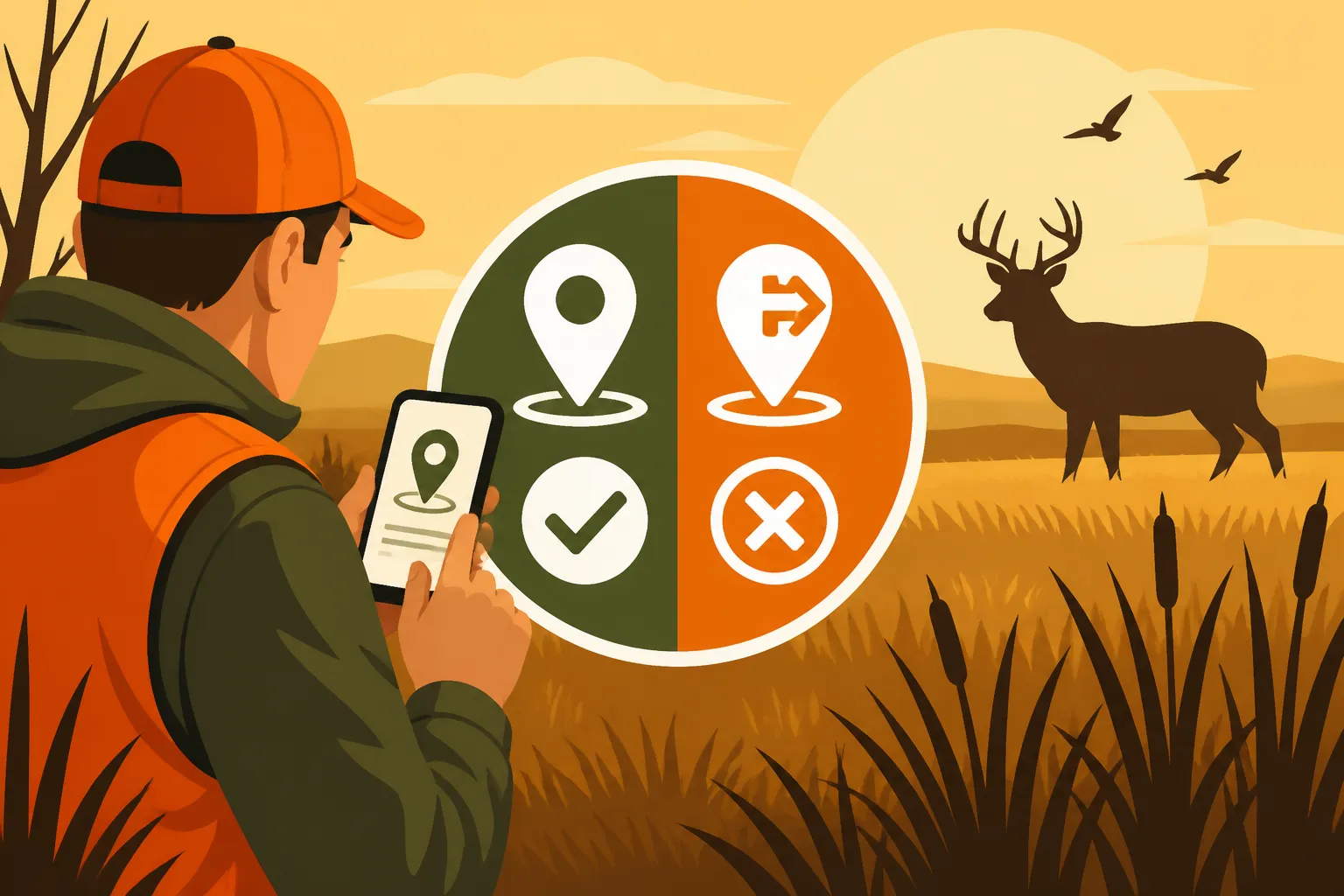
The key distinction in iWIHA is right there in the name: "interactive." Unlike regular WIHA, where you simply check the atlas and go, iWIHA tracts require you to actively check in and out using a digital platform, typically the Go Outdoors Kansas website or its mobile app. This isn't just about collecting data; it's about real-time management of hunter pressure.
Imagine pulling up to a prime piece of ground during the peak of deer season. On traditional WIHA, you'd likely see multiple trucks already parked, leaving you to wonder how many hunters are truly out there. With iWIHA, before you even leave your driveway, you can see how many hunters are currently checked into a specific tract and, crucially, if it's hit its daily capacity limit. This transparency helps hunters make informed decisions, potentially saving them a long drive and a lot of disappointment. It's a system built on mutual respect and shared access, ensuring that everyone has a fair shot at a quality experience. The Kansas Department of Wildlife, Parks and Tourism (KDWP) uses this system to balance hunter opportunity with wildlife management goals, striving to prevent over-pressuring specific areas.
The Rationale Behind Daily Capacity Limits
Those daily capacity limits on iWIHA tracts aren't arbitrary numbers; they're carefully considered. The primary goal is to maintain a high-quality hunting experience for everyone. Nobody wants to hunt a pressured deer that knows every trick in the book because it's seen dozens of hunters already that week. By limiting the number of hunters on a given tract at any one time, the KDWP aims to:
- Reduce Hunter Crowding: This is perhaps the most obvious benefit. Fewer hunters mean more space for everyone, leading to a more peaceful and often more productive hunt. It minimizes the feeling of competition and allows hunters to spread out and truly immerse themselves in the outdoors.
- Minimize Wildlife Disturbance: Constant human presence can push deer, turkeys, and upland birds into thicker cover or off the property entirely. Capacity limits help keep wildlife more comfortable on the iWIHA ground, making them more likely to stick around and offer hunting opportunities.
- Enhance Safety: While hunting is generally a safe activity, reducing the number of people in a concentrated area, especially during firearm seasons, can inherently lower the risk of accidents. Everyone benefits from more space and clearer lines of sight.
- Gather Valuable Data: The check-in/check-out system provides the KDWP with invaluable data on hunter use patterns. This information helps them assess the popularity of different tracts, understand demand, and make future management decisions to improve the overall WIHA program. This data can inform decisions about Kansas WIHA Acres and Enrollment and how best to distribute hunting pressure.
Here's a quick comparison of standard WIHA and iWIHA:
| Feature | Traditional WIHA | iWIHA (Interactive WIHA) |
|---|---|---|
| Access Requirement | No check-in required; simply consult the atlas | Mandatory digital check-in/check-out via app/website |
| Hunter Capacity | Unlimited, first-come, first-served | Daily hunter capacity limits |
| Real-time Availability | Not available; static map information | Real-time display of available slots |
| Management Goal | Maximize access on available land | Manage hunter pressure and improve experience |
| Data Collection | Limited (via harvest surveys) | Extensive (via check-in/out data) |
Finding iWIHA Tracts and Their Availability
Finding iWIHA tracts is relatively straightforward, but it requires a slightly different approach than just grabbing a printed atlas. The primary resource is the official Go Outdoors Kansas website or its corresponding mobile app, which is a game-changer for digital scouting. Through this platform, you can filter for iWIHA tracts specifically.
Once you’ve identified a potential area, the system allows you to view its current status. This means you can see:
- Tract Location: Clear mapping helps you pinpoint the exact boundaries of the iWIHA land, often overlayed with aerial imagery, which is invaluable for scouting.
- Species Allowed: Each tract will specify what game species are permitted for hunting.
- Open and Close Dates: You'll see the specific timeframe the tract is open for public access, as When Kansas WIHA Tracts Open in Fall can vary.
- Daily Capacity: The maximum number of hunters allowed on that specific tract at any one time.
- Current Occupancy: This is the critical piece – it shows how many hunters are currently checked into the tract. If it says "0/5" (meaning 0 out of 5 hunters allowed), you're good to go. If it says "5/5," it's full, and you'll either need to wait or find another spot.
For example, using the Go Outdoors Kansas app or website, you might search for an iWIHA tract in Unit 19. The map would show various tracts, and clicking on one would display its specific details, including that crucial occupancy number. This real-time information prevents wasted trips and allows you to adjust your plans dynamically. Many hunters use advanced tools like GoHunt's mapping features in conjunction with the official KDWP resources to scout extensively from home, identifying potential access points and bedding areas before ever setting foot on the ground.
Step-by-Step Guide to Checking In on iWIHA
The check-in process for iWIHA might seem a little daunting if you’re used to the old-school paper map and a handshake, but it's really quite simple once you get the hang of it. It’s a small price to pay for a potentially less crowded, higher-quality hunt.
Preparing Before You Go
Before you even leave the house, or certainly before you're out of cell service range, there are a few crucial steps to take. Proper preparation is key to a smooth check-in process.
First, you need an account on the Go Outdoors Kansas website. This is where you purchase your licenses, permits, and manage your hunting profile. If you haven't already, sign up and familiarize yourself with the platform. You'll also want to download the Go Outdoors Kansas mobile app to your smartphone. This app is generally the easiest way to manage your check-ins and check-outs while in the field. Make sure it's updated and you're logged in before you head out. Having your phone fully charged is also a no-brainer – a dead battery means no check-in!
It’s also wise to do some preliminary scouting. Use tools like the Kansas Online Hunting Atlas in conjunction with your GoHunt maps to identify potential iWIHA tracts and check their general availability trends. This allows you to have a few backup plans in mind in case your first choice is already full. Knowing which Kansas units have iWIHA can also narrow down your search and planning.
The Digital Check-In Process
When you arrive at or near your chosen iWIHA tract and are ready to hunt, it's time to check in. This typically happens right there, just before you step foot on the ground.
- Open the Go Outdoors Kansas App: Launch the app on your smartphone. Make sure you have a reliable internet connection, as checking in requires data.
- Navigate to iWIHA: Within the app, there will be a section specifically for iWIHA. You might find it under "Hunting" or "Public Lands" or a dedicated "iWIHA" tab.
- Locate Your Tract: The app uses your phone's GPS to show you nearby iWIHA tracts. You can also search for a specific tract by name or number if you know it from your scouting.
- Check Availability: Before selecting the tract, confirm it has available slots. The app will display something like "2/10," indicating 2 hunters are currently checked in out of a maximum of 10. If it shows "10/10," the tract is full, and you won't be able to check in. This is where having a backup plan comes in handy; you'll need to find another tract or wait for someone to check out. This real-time update addresses the common frustration of showing up to an already crowded spot.
- Check In: If slots are available, select the tract and tap the "Check In" button. The app will confirm your check-in, and your name (or rather, a count representing you) will be added to the current hunter tally for that specific tract. You’ll usually receive a confirmation message or a change in the status within the app.
It’s crucial to complete this step before you begin your hunt. Not checking in is a violation and could result in a citation, not to mention it unfairly impacts the experience of other hunters who are following the rules.
What Happens if a Tract is Full
It's an inevitable reality that sometimes, your desired iWIHA tract will be at capacity. The app will show "X/X" where X is the maximum allowed number. When this happens, you cannot check in, and therefore, you cannot hunt that specific tract at that moment.
- No Waiting List: Currently, the iWIHA system does not typically have an official "waiting list" feature. If it's full, it's full.
- Check Other Tracts: This is where good scouting and having backup locations pays off. You can immediately use the app to check the availability of other nearby iWIHA or even traditional WIHA tracts. What Happens When an iWIHA Tract Fills is a common question, and the answer is usually to move on.
- Wait It Out (Maybe): If you're determined to hunt that specific tract, you could potentially wait nearby and periodically refresh the app to see if a hunter checks out, freeing up a spot. However, there's no guarantee how long that might take, and you could be burning valuable hunting time.
- Reconsider Your Day: Sometimes, the best option is to pivot entirely. If all your primary iWIHA targets are full, consider heading to a less-pressured traditional WIHA area or a State Wildlife Area. This is part of the strategy when dealing with Hunting Pressure Patterns on Kansas Public Land.
The system is designed to provide fair access, but it also demands flexibility from hunters. Planning multiple options, particularly in popular hunting units, is a smart strategy for any iWIHA hunter.
Navigating the Check-Out Process and Its Importance
The check-out process is just as important as checking in, yet it's often overlooked or forgotten by hunters who are tired, excited after a harvest, or just ready to head home. However, it's a critical component of the iWIHA system's success.
Why Checking Out Matters
Forgetting to check out might seem like a minor oversight, but it has a ripple effect that impacts other hunters, KDWP's data, and the overall integrity of the program.
- Frees Up Spots for Other Hunters: This is the most direct and immediate impact. If you remain "checked in" after leaving the tract, that spot remains occupied in the system, preventing another hunter from accessing it. Imagine someone waiting for hours, only to find out the tract was technically full because someone forgot to log out. It’s simply not fair.
- Accurate Data Collection: The KDWP uses check-in/check-out data to understand hunter pressure, tract popularity, and overall usage patterns. This data is vital for making informed decisions about future land acquisitions, management strategies, and program adjustments. Your participation helps them assess Why Kansas Limits iWIHA Hunter Numbers. If hunters don't check out, the data becomes skewed and less useful.
- Maintaining Program Viability: The iWIHA program relies on compliance. If too many hunters fail to check out, the system becomes less effective, and its future could be jeopardized. Landowners who enroll their property in WIHA programs do so with certain expectations about how the land will be managed and used. Adhering to these rules helps ensure the continued success and expansion of public access programs in Kansas.
- Ethical Hunting Practice: As responsible hunters, we have a duty to respect the resource, the land, and our fellow sportsmen and women. Proper check-in and check-out are part of that ethical obligation, ensuring a fair playing field for everyone.
The Simple Steps to Checking Out
Checking out is even simpler than checking in, and it usually takes mere seconds. Make it a routine part of gathering your gear and leaving the field.
- Open the Go Outdoors Kansas App: Just like checking in, open the app on your smartphone.
- Locate Your Checked-In Tract: The app should clearly show which iWIHA tract you are currently checked into. It might be prominently displayed on the home screen or under a "My Hunts" section.
- Confirm Check-Out: Tap the "Check Out" button associated with that tract. You'll likely receive a confirmation that you have successfully checked out, and the hunter count for that tract will decrease by one.
It’s a good habit to check out as soon as you are done hunting and are departing the property. Don't wait until you're home or you might forget. Again, a functioning phone with battery and signal is necessary.
Common Issues and Troubleshooting
While the iWIHA system is generally reliable, you might encounter a few hiccups. Don't panic; there are usually simple solutions.
- No Cell Service: This is probably the most common issue in rural Kansas. If you can't get a signal to check in or out, try driving a short distance to a higher elevation or a nearby town where you might pick up service. If that's not possible, and you absolutely cannot check in or out, you might need to contact the KDWP office or game warden as soon as you regain service to explain the situation. Keep their contact number handy. In a pinch, some hunters will call a friend or family member who has service and ask them to log into their account on the Go Outdoors Kansas website to perform the check-in/out for them.
- App Glitches: Technology isn't always perfect. If the app is freezing or not responding, try closing it completely and restarting it. If that doesn't work, ensure your phone's operating system and the app itself are updated to the latest versions. As a last resort, if you have a laptop or can access a computer, you can always use the Go Outdoors Kansas website to check in or out.
- Forgetting to Check Out: We've all had those moments of excitement or exhaustion that lead to forgetfulness. If you realize you forgot to check out after you've left the tract, log into the app or website as soon as possible and check out. It's better late than never. The system generally recognizes that hunters won't be checked in indefinitely, but doing it yourself prevents potential issues or flags. While it's not ideal, the KDWP prefers you correct the oversight rather than ignore it.
Best Practices for iWIHA Hunters
Hunting iWIHA ground effectively and ethically requires a thoughtful approach, combining modern technology with traditional hunting wisdom. Adopting a few best practices will not only improve your success but also contribute to the long-term health and availability of these valuable public hunting opportunities.
Planning Ahead and Scouting
You wouldn't head into a job interview without preparing, and hunting iWIHA ground deserves the same respect and foresight. The beauty of iWIHA is the information it provides, but it's up to you to leverage it.
- Deep Dive into the Atlas: Before the season, spend significant time exploring the Kansas Online Hunting Atlas. Filter specifically for iWIHA tracts and identify several that look promising for the species you intend to hunt. Pay attention to cover, water sources, and proximity to private agricultural fields that might hold deer. Tools like GoHunt offer satellite imagery and landowner data that can be layered with public land maps to give you an unparalleled view of the terrain. This kind of E-Scouting Kansas Farm Country From Home is critical.
- Prioritize and Strategize: Don't just pick one spot. Have a primary target, two or three backups, and even some tertiary options. This flexibility is crucial when dealing with capacity limits. If your first choice is full, you can quickly move to your second or third without losing much hunting time.
- In-Person Scouting (Where Possible): While e-scouting is fantastic, nothing beats boots on the ground. If you can, visit potential iWIHA tracts before the season opens. Walk the boundaries, look for deer sign, identify pinch points, and understand the terrain. Just remember to respect any "no entry" periods or rules about Scouting Kansas Walk-In Tracts Before the Opener.
- Check Open Dates and Species: Double-check the specific open dates for each tract and the species allowed. Some iWIHA tracts might be open for archery deer but not for upland birds, or vice-versa. The Kansas Walk-In Hunting Access Explained outlines general rules, but specific tracts can have unique regulations.
Respecting the Rules and Other Hunters
The iWIHA program is built on a foundation of mutual respect – respect for the land, for wildlife, and for fellow hunters. Upholding these principles ensures everyone can enjoy the outdoors.
- Adhere to Capacity Limits: This is non-negotiable. If a tract is full, do not enter. Period. Trying to sneak in not only risks a citation but also undermines the entire system and creates a negative experience for those who followed the rules.
- Practice Ethical Hunting: Follow all hunting regulations, including legal hunting hours, bag limits, and ethical shot placement. If you happen to encounter another hunter, a friendly wave and a wide berth are always appreciated. Avoid "sky-busting" or making excessive noise that might disturb others' hunts.
- Leave No Trace: Pack out everything you pack in, and then some. This includes spent shell casings, food wrappers, and anything else that doesn't belong. Leaving a clean camp and a pristine hunting area is part of being a responsible conservationist. This commitment to Leaving No Trace on Walk-In Ground is vital for the program's future.
- Understand Boundaries: Always know where the iWIHA tract ends and private property begins. Use your mapping app to stay within legal boundaries. Accidentally trespassing can jeopardize the entire WIHA program if landowners feel their property rights aren't being respected.
Leveraging Technology for a Better Experience
Modern technology, particularly the Go Outdoors Kansas app and sophisticated mapping software, can significantly enhance your iWIHA hunting experience. Embrace these tools!
- Stay Connected with the App: Keep the Go Outdoors Kansas app readily accessible on your phone. Make checking in and out a habit, like checking your safety or your wind direction. Treat it as an integral part of your hunting routine.
- Utilize Offline Maps: Many mapping apps, including GoHunt, allow you to download maps for offline use. This is crucial for areas with poor cell service. Download the maps for your target iWIHA tracts beforehand, so you can still navigate, mark waypoints, and verify property lines even without a signal.
- Record Your Hunt: Use your app to mark stand locations, game sightings, and even blood trails. This creates a valuable record of your hunt and helps you learn and adapt for future outings.
- Share Responsibly: While it's great to share successes with friends, be mindful of over-sharing specific, low-capacity iWIHA locations on public forums. The goal is to manage pressure, and inadvertently drawing a crowd to a specific tract can defeat the purpose.
By embracing the check-in and check-out protocols, utilizing the available technology, and adhering to ethical hunting practices, you'll not only enjoy more successful hunts on Kansas iWIHA ground but also contribute to the sustainability of these invaluable public access opportunities for all. This collaborative approach ensures that Public Hunting Land in Kansas remains a vibrant and accessible resource for years to come.
Disclaimer
Please note that hunting regulations, license requirements, and access rules for iWIHA grounds can change. Always consult the most current Kansas Department of Wildlife, Parks and Tourism (KDWP) regulations and official Go Outdoors Kansas resources before planning your hunt. This guide is for informational purposes only and should not be considered a substitute for official state publications.