River Oxbows and Deer Movement
It can feel like you're endlessly scrolling through aerial maps of Kansas, trying to find that one spot, that hidden gem where deer consistently move in an otherwise seemingly featureless landscape. The vast crop fields and rolling grasslands are beautiful, but they can make patterning whitetails a real head-scratcher. That’s why understanding subtle terrain features like river oxbows is absolutely crucial for consistent deer movement. This guide is going to break down exactly what an oxbow is, why deer are drawn to them like a magnet, and how you can use this knowledge to fill your tag in Kansas.
What Exactly is a River Oxbow and Why Deer Love Them
You might have heard the term "oxbow" before, perhaps in a geology class or a nature documentary, but for us hunters, they represent prime deer habitat, especially in a state like Kansas where dense cover can be at a premium. These aren't just random bends in a river; they're unique ecosystems that offer everything a whitetail needs to thrive.
The Formation and Anatomy of an Oxbow
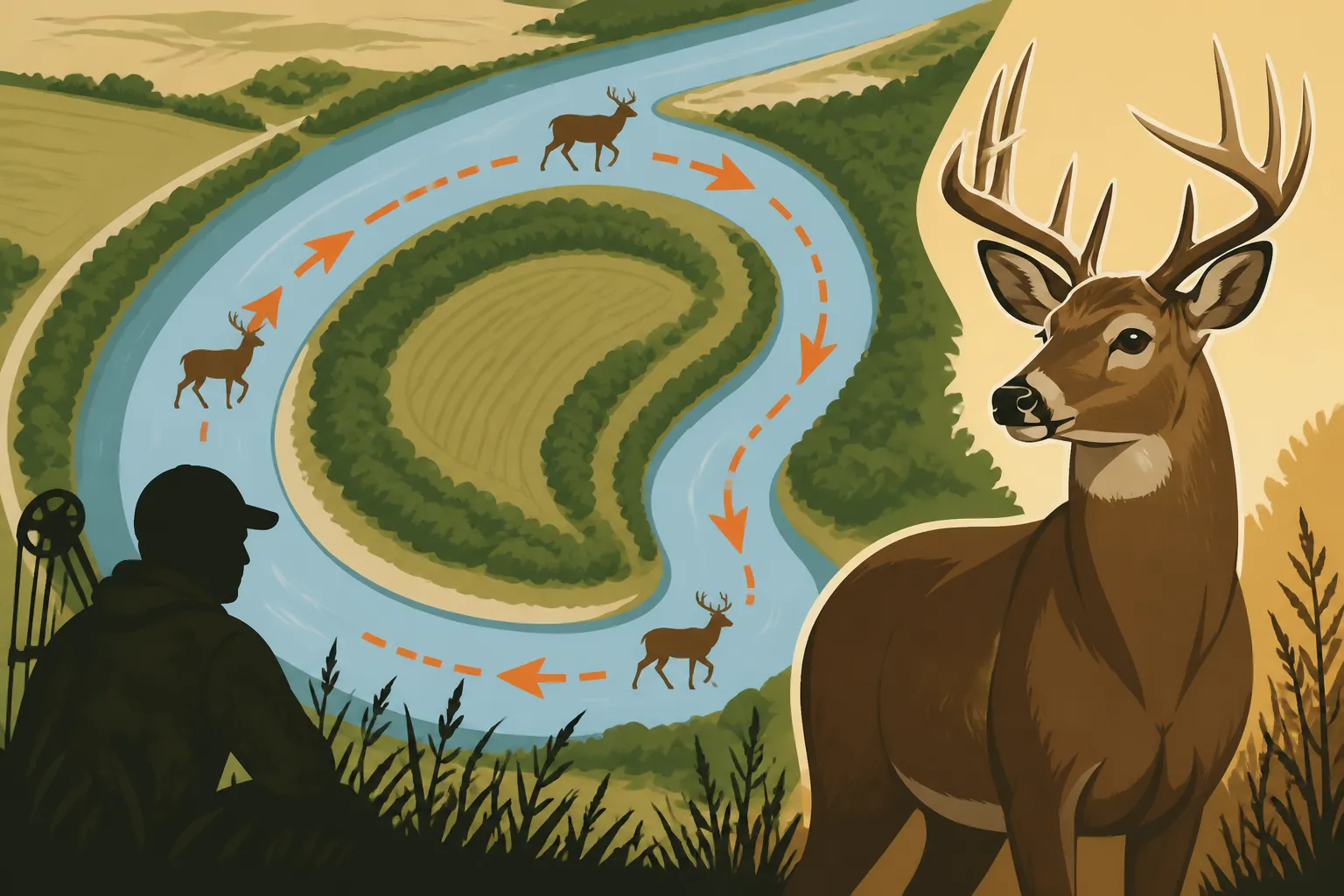
Imagine a river, constantly flowing, carving its way through the landscape. Over time, rivers don't flow in straight lines; they meander, forming S-shaped curves. As the water erodes the outer banks and deposits sediment on the inner banks, these curves become more pronounced, sometimes forming almost a full circle. Eventually, during a flood event, the river might take a shortcut, cutting across the narrow neck of land between two bends. When this happens, the old river channel is cut off from the main flow, creating a crescent or U-shaped body of water, or sometimes just a dried-up depression that holds water intermittently. This isolated curve is what we call an oxbow.
In Kansas, you'll find these along many of our major river systems, like the Kansas River itself, the Marais des Cygnes, or even the Arkansas River in its more developed sections. These oxbows, whether they hold water year-round or are just swampy depressions, are characterized by several key features. They usually have higher banks than the surrounding floodplain, which were once the eroded outer bends of the active river. More importantly, they are almost always choked with incredibly dense timber, brush, and tall grasses. Think about thick stands of cottonwoods, willows, dogwoods, multiflora rose, and even dense cedar thickets on the slightly higher ground. This creates an impenetrable canopy and understory, often quite different from the sparser timber of a typical creek bottom or the wide-open expanse of a cornfield.
Oxbows as Deer Sanctuaries
For a whitetail deer, an oxbow isn't just a geographical feature; it's a fortress. In a state dominated by agriculture and open landscapes, these pockets of dense cover are absolute sanctuaries. Deer seek them out for multiple reasons:
- Security Cover: This is paramount. The thick vegetation provides unparalleled bedding cover, allowing deer to hide easily from predators and human disturbance. It's tough for hunters to navigate and often holds deer that have been bumped from more exposed areas. They can vanish into an oxbow and feel completely safe.
- Thermal Regulation: The dense canopy and undergrowth offer excellent thermal protection. In the brutal Kansas winters, this thick cover blocks harsh winds and traps warmth, helping deer conserve energy. Conversely, during the sweltering early-season heat, the shade and proximity to water sources within the oxbow provide much-needed relief.
- Water Sources: Many oxbows retain water year-round, or at least hold stagnant pools for extended periods, especially after rains. This provides a consistent and secluded water source, which is particularly attractive during dry spells or the early archery season. Deer don't have to venture out into the open to drink, minimizing their exposure. If you're Early-Season Bowhunting Over Water, an oxbow pond can be a goldmine.
- Diverse Forage: The unique microclimate and soil composition within an oxbow often lead to a greater diversity of plant life than surrounding areas. You'll find browse, soft mast, and often lush herbaceous growth that provides consistent food throughout the year. Even when adjacent crop fields are harvested, the oxbow's interior can still offer sustenance.
Essentially, an oxbow creates a "safe zone" that deer can retreat to, knowing they have cover, water, and food within a relatively small, protected area. This makes them incredibly valuable to hunters, but also challenging to hunt effectively.
Decoding Deer Movement Within Oxbows
Understanding that deer use oxbows is one thing, but knowing how they use them is the key to successfully hunting them. Deer aren't just randomly milling about; they follow predictable patterns shaped by the oxbow's unique topography and cover.
Entry and Exit Points
Deer, despite their preference for thick cover, are creatures of efficiency. They're not going to push through the densest part of an oxbow if there's an easier, more secure path. This means certain points along the oxbow's perimeter will see significantly more travel than others.
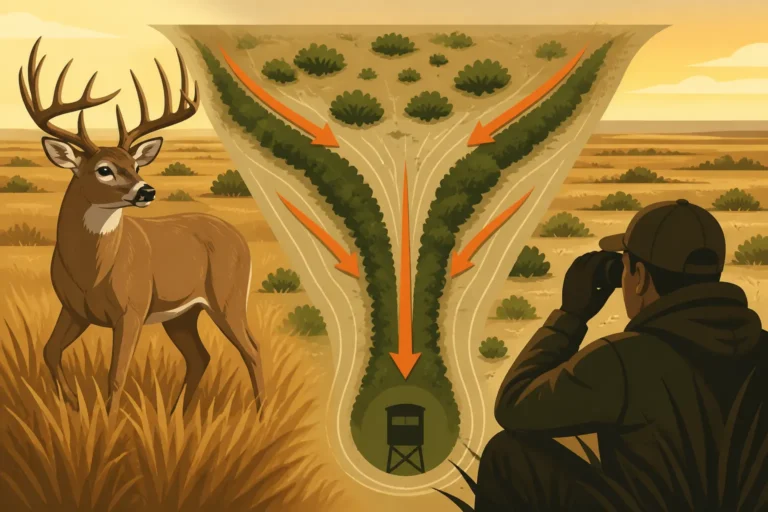
- The "Neck" or Connectors: The narrowest points where the oxbow nearly touches the main river or where a small land bridge exists are often superhighways for deer. These are natural funnels, especially if they connect the oxbow to larger timber blocks, crop fields, or other bedding areas. Bucks will often cruise these areas during the rut, scent-checking for does.
- Breaks in the Bank/Cover: Look for areas where the steep banks of the oxbow are less pronounced, or where the dense timber thins out slightly, creating an easier path into or out of the sanctuary. These might be old cattle crossings, washouts, or simply natural breaks in the vegetation. Deer will exploit these for the path of least resistance.
- Adjacent Field Edges: If the oxbow abuts a crop field (corn, milo, soybeans, alfalfa, or even wheat stubble), deer will often stage just inside the cover, using the dense edge as a launching point to enter the field for feeding. Pay close attention to corners or points where the oxbow timber extends slightly into the field, creating an inside corner that deer love to utilize. These are prime locations for Hunting Inside Corners of Crop Fields.
A tool like GoHunt's mapping features can be invaluable here. You can identify these potential entry/exit points from your couch, then confirm them with boots on the ground. Look for worn trails, droppings, and rubs that indicate consistent travel.
Bedding and Feeding Locales
Within the oxbow itself, deer aren't just randomly scattered. Their activities are highly localized to specific microhabitats.
- Bedding Areas:
- High Ground Overlooking Water: Deer, especially mature bucks, love a vantage point. Look for slightly elevated patches of thick cover within the oxbow that offer a good view of the water or the prevailing wind direction. They want to see, hear, or smell anything approaching. These might be small humps or ridges formed by centuries of silt deposition.
- Dense Thickets: Any exceptionally thick patch of multiflora rose, dogwood, or cedar can serve as a bedding area. These provide visual obstruction from all sides, making a deer feel secure. During cold or windy days, they'll burrow deep into these thickets for protection.
- Along the Main River Bank: If the oxbow is very close to the main river, deer might bed on the river side, using the river itself as a barrier or a way to detect danger. The sounds of the river can also mask their movements.
- Feeding Areas:
- Internal Clearings and Edges: Not all oxbows are a uniform mass of timber. Some will have small clearings or areas with younger, more palatable browse. Deer will feed on these internal "food plots" or along the edges of the densest cover.
- Adjacent Crop Fields: This is the most obvious. Deer will move from the oxbow's security cover to nearby corn, milo, or bean fields, especially during evening hours. The travel corridors leading to these fields will be heavily used. For Late-Season Food Source Hunting, these agricultural fields become even more critical, with oxbows serving as the primary bedding.
- Aquatic Vegetation: If the oxbow holds water, deer might browse on certain aquatic plants, especially during the greener months.
When you're Scouting Kansas River Bottoms and Creek Draws, remember to focus on these specific types of locations within and immediately surrounding oxbows. It’s not just about finding deer in the oxbow, but finding their distinct travel patterns.
Rutting Corridors and Scrape Lines
River oxbows are absolute magnets for rutting activity, especially for bucks cruising for does. The combination of dense cover, natural funnels, and resident does makes them ideal for the madness of November.
- Natural Funneling: The narrow parts of an oxbow, particularly the "neck" where it nearly reconnects with the main river, act as perfect funnels. Bucks know does will use these constricted pathways, making them prime locations for intercepting cruising bucks. These are quintessential Terrain Funnels That Work Without Hills in flat country.
- Rub and Scrape Lines: You'll often find extensive rub lines and clusters of scrapes along the edges of the densest cover and within these funnel points. Bucks use these to mark their territory and communicate their presence to does. Identifying these signposts is a clear indicator of buck activity. When Rattling and Grunting During the Kansas Rut, setting up near one of these active scrape lines can be incredibly effective.
- Doe Concentration: Because oxbows offer such excellent year-round security, they tend to hold a higher density of does. Where the does are, the bucks will follow. During the pre-rut and peak rut, bucks will actively patrol these areas, scent-checking every available patch of cover.
Understanding these patterns will help you determine the best times and places to hunt an oxbow, shifting your strategy as the season progresses.
Hunting Strategies for Kansas River Oxbows
Hunting oxbows presents unique challenges and rewards. The dense cover that makes them so attractive to deer also makes them tricky to navigate and hunt without alerting game. Your approach needs to be calculated and mindful of the deer's inherent security.
E-Scouting and Boots-on-the-Ground
Your hunting success in oxbow country begins long before you ever step foot in the woods. Modern mapping tools are your best friend here.
- Digital Reconnaissance: Use satellite imagery from platforms like GoHunt or other mapping apps to identify potential oxbows. Look for the distinct crescent shapes, areas of dense timber within floodplains, and how they relate to adjacent crop fields or other timber blocks. Pay attention to changes in elevation, even subtle ones, which might indicate higher ground for bedding. Use the various layers to identify public land boundaries if you're Public Land Deer Hunting in Kansas.
- Identifying Key Features: On your map, try to pinpoint the narrowest sections (the "necks"), potential crossings, and where the oxbow timber connects to other significant cover. These are your starting points for scouting.
- Physical Scouting: Once you've identified promising areas on your map, it's time for boots on the ground. However, approach with caution. During the off-season (late winter/early spring is ideal, after deer have shed antlers and before vegetation gets too thick), thoroughly walk the perimeter and key internal areas. Look for:
- Heavy Trails: Not just faint tracks, but well-worn paths indicating consistent deer traffic.
- Rub Lines and Scrapes: Especially crucial for identifying buck travel. Note their freshness and direction.
- Bedding Areas: Look for flattened grass, beds under dense cover, and areas with heavy deer sign.
- Natural Funnels: Confirm what you saw on the map. Are there fence crossings, eroded gullies, or tight timber pinches that force deer into predictable patterns? These are your Fence Crossings Deer Use Every Day and prime stand locations.
- Reading the Sign: Don't just look; interpret. Is the sign fresh? What direction are the rubs facing? Are there multiple trails converging? This information will help you piece together the puzzle of deer movement.
Stand and Blind Placement
Strategic placement is everything in an oxbow. Because of the dense cover and often unpredictable thermals, you need to be extra meticulous.
- Playing the Wind and Thermals: River bottoms are notorious for swirling winds and tricky thermals. The dense timber and water can create microclimates. Always prioritize the wind direction. For morning hunts, thermals typically fall, carrying your scent downhill towards the water. For evening hunts, they rise. However, oxbows can complicate this, so watch a milkweed pod or a puff bottle constantly. Set up downwind of known travel corridors or bedding areas. This is where a deep understanding of Wind and Thermals on a River Bank becomes critical.
- Treestands on Strategic Bends: A treestand placed on a sharp bend or "point" within the oxbow can give you a commanding view of multiple travel lanes. Look for mature trees that offer good concealment and a clear shooting lane downwind of a trail. Avoid setting up directly over a trail, as deer will often be looking up.
- Ground Blinds in Thick Brush: Sometimes, a treestand isn't feasible due to small trees or extreme density. In these cases, a well-brushed-in ground blind can be incredibly effective. The thick cover of an oxbow provides natural concealment for a blind. Position it facing a funnel or a bedding area exit, ensuring you have clear shooting lanes without having to make excessive noise or movement. Make sure your Ground Blind Brushing In is meticulous.
- Pinch Points and Crossings: These are often the absolute best spots. Whether it's the "neck" of the oxbow, a narrow strip of timber connecting to a field, or a well-used deer crossing over a small ditch within the oxbow, these force deer into a predictable path. Set up where you can intercept deer moving between bedding and feeding areas. The goal is to catch them as they enter or exit the security cover.
Remember, the goal is to be invisible, silent, and scent-free. You're hunting in their living room, so respect their senses.
Access and Scent Control
The best stand in the world is useless if you spook deer getting to it. Access is paramount, especially in thick oxbow cover.
- Quiet Entry and Exit Routes: Plan your path meticulously. Use existing natural features like dry creek beds, ditch lines, or even the main river's edge (if navigable and legal) to hide your approach. Avoid walking directly through known bedding areas or across open fields at dawn or dusk. Your aim is to be in your stand or blind long before deer are moving and leave well after they've settled back into their beds. Think about Access Routes That Do Not Bump Deer.
- Minimize Disturbance: Every time you step into an oxbow, you leave a trace. Try to limit your scouting trips during the season, and only go in when conditions are optimal (e.g., during a rain shower to wash away your scent, or immediately after a hunt). The less pressure an oxbow receives, the more comfortable deer will be using it during daylight. This is especially important for Hunting Pressure Patterns on Kansas Public Land.
- Aggressive Scent Control: This is non-negotiable in an oxbow. The air is often still and heavy in dense cover, making scent dispersion a major issue. Use scent-free detergents for your clothes, take a scent-eliminating shower, wear rubber boots to minimize ground scent, and use an ozone generator if you have one. Everything you can do to reduce your human odor will increase your chances.
Maximizing Your Success in Oxbow Country
Hunting river oxbows in Kansas is a dynamic endeavor that requires adaptability and a deep understanding of seasonal deer behavior. It's not a "set it and forget it" type of hunting.
Seasonal Considerations
Deer use oxbows differently depending on the time of year, largely driven by their basic needs for food, water, cover, and reproduction.
- Early Season (September/October): With warm temperatures still present, water is a huge draw. An oxbow that holds water can be a daily stop for deer. Bucks are still often in bachelor groups and are not yet ranging widely. Focus on trails leading to water sources or feeding areas within the oxbow. The dense cover also provides relief from insects and heat. Muzzleloader Deer Tactics in Warm September Weather often involve focusing on these water-rich, thick areas.
- Mid-Season (Late October/November – The Rut): This is when oxbows truly shine. As mentioned, they become prime cruising grounds for bucks looking for does. Focus on the narrow "necks" and funnels, as well as areas with fresh rubs and scrapes. When the Kansas Rut Peaks in early to mid-November, an oxbow can be the hottest spot in your hunting arsenal. Bucks will be on their feet more, increasing your chances of an encounter.
- Late Season (December/January): After the rut, deer shift their focus back to food and thermal cover to recover from the breeding season and survive winter. Oxbows provide excellent thermal protection from the brutal Kansas winds and cold. If there are standing crops adjacent, or if the oxbow itself offers palatable browse, it becomes a crucial feeding and bedding area. For Late-Season Food Source Hunting, an oxbow next to a standing cornfield is nearly unbeatable. Deer will hunker down in the thickest parts to stay warm and conserve energy.
Adapting to Pressure
While oxbows offer security, if they're on public land or heavily hunted private ground, deer will still react to pressure.
- Shifting Patterns: Deer in pressured oxbows might become almost entirely nocturnal or shift their daylight movement to the absolute densest, most difficult-to-access parts. They might also adjust their entry and exit points, choosing the path that exposes them the least to human presence.
- Deeper Penetration: If an oxbow is getting hammered along its edges, you might need to try and get deeper into the core of the cover, where deer feel safer. This requires even more careful, quiet access and a willingness to get into the really nasty stuff. Use your GoHunt maps to identify areas that look impenetrable – those are often the spots deer will gravitate to when pressured.
- Timing Your Hunts: Consider hunting pressured oxbows during weekdays or during adverse weather conditions (light rain, high winds) when other hunters are less likely to be out, or when deer might feel more compelled to move during daylight hours. A good strategy is to hunt the fringes early, and if pressure is high, then shift to more aggressive tactics deeper in.
Gear and Preparedness
Hunting oxbows can be physically demanding, and the right gear can make or break your hunt.
- Sturdy, Quiet Clothing: You'll be pushing through brush, climbing into stands, and potentially dealing with muddy conditions. Durable, quiet fabrics are essential. Layering is key for Kansas's unpredictable weather.
- Rubber Boots: Not only are they great for scent control, but they'll keep your feet dry in the often-soggy, marshy conditions around an oxbow.
- Good Quality Optics: Binos are crucial for picking apart dense cover and identifying deer movement before they see you.
- Deer Cart or Game Bag: If you're successful, getting a deer out of a dense, potentially muddy oxbow can be a monumental task, especially if you're Getting a Deer Out of a River Bottom Alone. A sturdy deer cart can save your back, or if the terrain is truly impassable, quartering the animal and using game bags might be necessary.
- Bug Spray (Early Season): Ticks, mosquitoes, and chiggers love the humid, brushy environment of an oxbow. Don't forget your repellent!
River oxbows are fantastic deer habitat in Kansas, offering a consistent blend of cover, water, and food that whitetails crave. By understanding their formation, how deer use them, and employing smart hunting strategies, you can turn these often-overlooked features into your most productive hunting spots. It takes effort, careful scouting, and a willingness to get into some thick stuff, but the rewards of tagging a Kansas whitetail out of an oxbow are well worth it.
Disclaimer
Hunting is an inherently dangerous activity. Always prioritize safety, understand and follow all Kansas Department of Wildlife, Parks and Tourism regulations, and obtain appropriate licenses and permits. Consult local experts and always practice ethical hunting practices. The information provided is for educational purposes only and should not replace professional guidance or official regulations.