Prairie Chicken Hunting in the Flint Hills
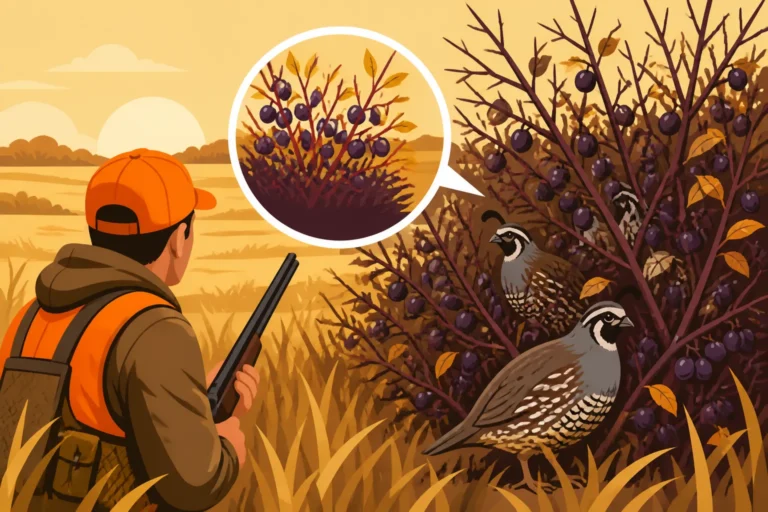
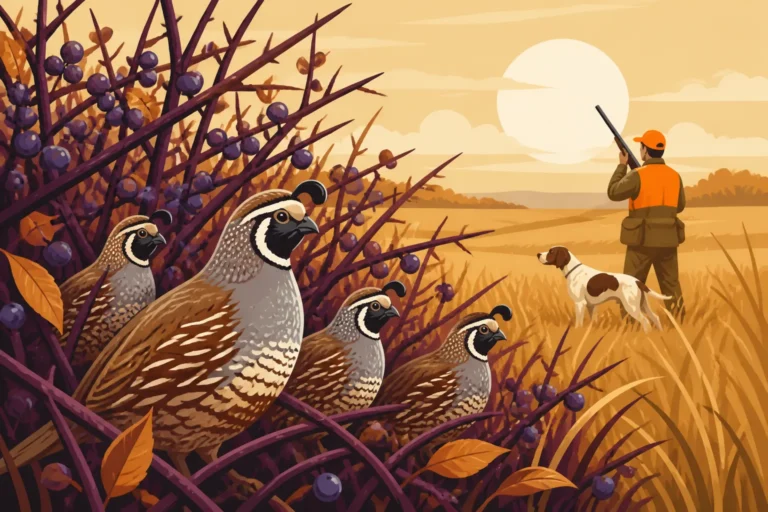
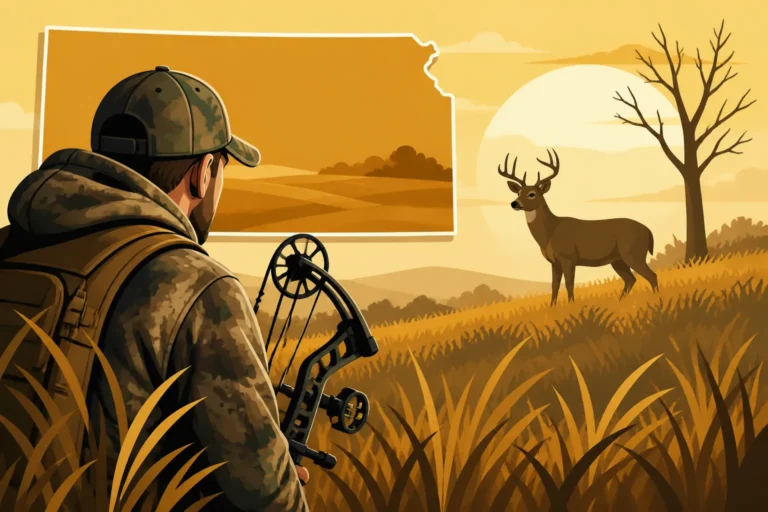
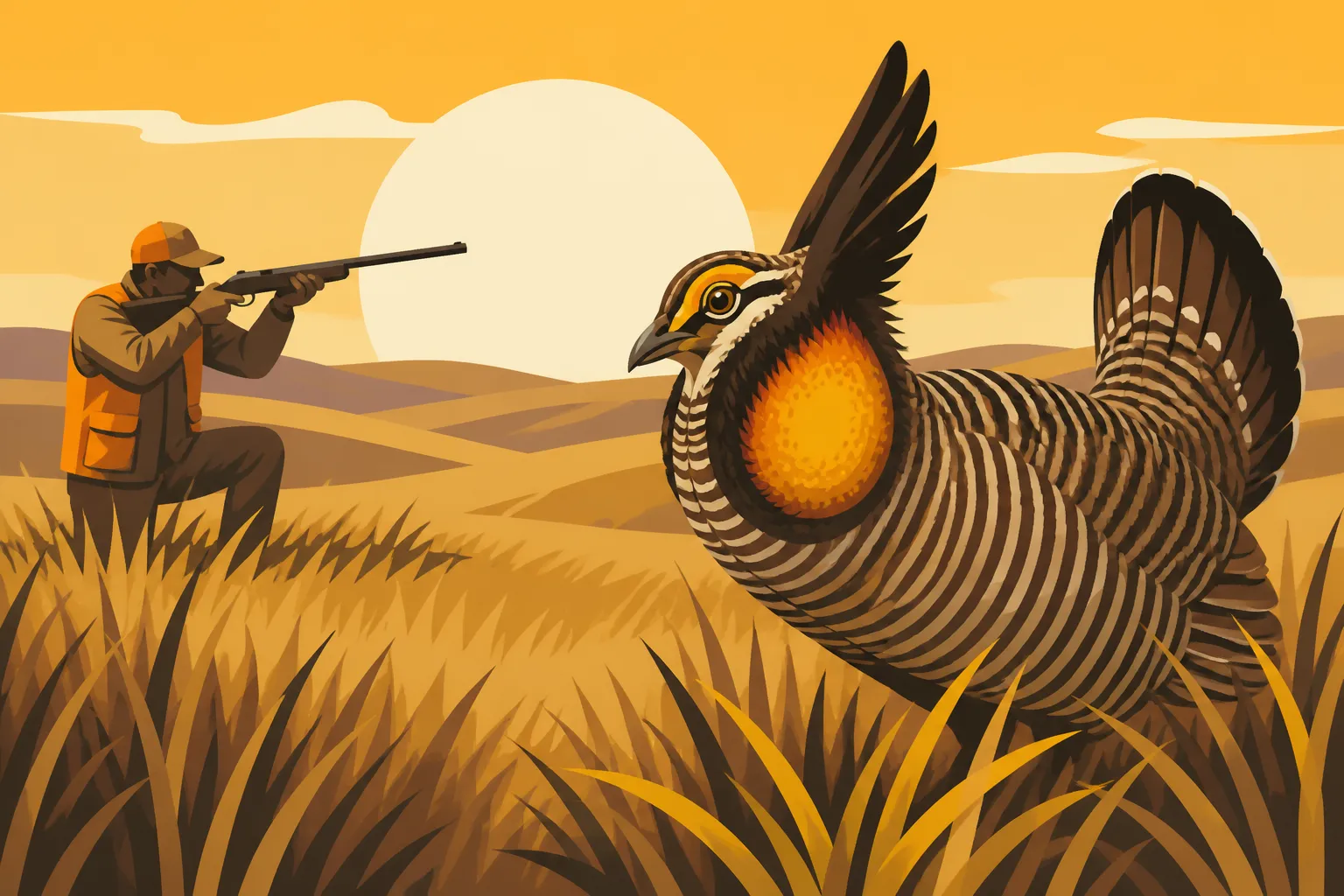
The wide-open expanse of the Flint Hills is an absolutely majestic place, but for many hunters, the thought of chasing prairie chickens across miles of unbroken tallgrass can feel completely overwhelming. It’s not like deer hunting where you can often pinpoint a timber block; these birds are masters of their domain, blending perfectly into their surroundings. This guide is here to demystify the process, offering practical, boots-on-the-ground advice for finding and hunting these incredible native birds in Kansas.
Understanding the Flint Hills Prairie Chicken Habitat
Hunting prairie chickens in the Flint Hills isn't just about walking fields; it's about understanding an entire ecosystem that has been shaped by fire, grazing, and native grasses for centuries. These birds are intrinsically linked to this specific environment, and knowing why they are where they are is half the battle.
The Unique Ecosystem of the Flint Hills
The Flint Hills of Kansas are a truly special place, a vast expanse of tallgrass prairie that largely escaped the plow due to the underlying limestone and chert (flint) that made cultivation difficult. This geological feature preserved what was once a common landscape across much of North America. Today, it’s a mosaic of big bluestem, switchgrass, indiangrass, and little bluestem, often managed with prescribed burns and cattle grazing, which are both crucial for the health of the ecosystem and, by extension, the prairie chicken population.
It’s this specific blend of diverse grass heights, open areas, and interspersed shrubby draws that Greater Prairie Chickens thrive in. They need tall, dense cover for nesting and roosting, but they also require shorter, more open areas for foraging and, critically, for their booming grounds or "leks" in the spring. Understanding how these elements interact is key. If the grass is uniformly short from overgrazing or uniformly tall and thick from lack of burning, the habitat quality suffers. Look for areas that have a varied landscape – pockets of taller, ungrazed grass adjacent to shorter, grazed areas or recent burns. This diversity provides everything the birds need throughout their daily and seasonal cycles. Without this intricate balance, the birds simply can't survive, which is why the health of the Flint Hills ecosystem is so vital to their continued presence.
Identifying Prime Roosting and Feeding Areas
Prairie chickens aren't just randomly scattered across the prairie. Like any game animal, they have specific needs for different times of the day and year. Early in the morning, especially during the first hour or two after sunrise, you're likely to find them out foraging. They're looking for seeds, insects, and new green growth. These feeding areas are often found in more open, grazed patches, or along the edges of agricultural fields if they're near prairie. As the morning progresses, especially once the sun gets higher and the temperatures rise, they'll seek out denser cover for roosting and loafing. This is where those tall, thick stands of native grasses come into play. These areas provide protection from aerial predators like hawks and concealment from ground predators like coyotes.
When you're trying to locate birds, think about their daily patterns. In the early morning or late afternoon, focus on areas where feeding is likely – short grass, recent burns (if seeds are available), or even harvested crop fields adjacent to tallgrass. During the mid-day lull, concentrate your efforts on thicker, undisturbed grass where they might be resting. Remember to consider the wind and temperature too. On a cold, windy day, they might hunker down in a protected draw or a sheltered stand of tall grass. On a warm day, they might be more spread out. Identifying these patterns and understanding the nuances of how they use the landscape will dramatically increase your chances of finding birds, rather than just endlessly walking. Knowing the local Prairie Chicken Range and Leks is critical for finding these birds.
Essential Scouting and Planning for Success
Hunting prairie chickens isn't a "show up and shoot" affair. It requires diligent scouting, both from your computer and with your boots on the ground. The sheer vastness of the Flint Hills can be intimidating, but with a systematic approach, you can narrow down your focus and find productive areas.
E-Scouting the Rolling Terrain
Before you ever set foot in the Flint Hills, a significant chunk of your scouting can (and should) be done from home using digital mapping tools. Services like GoHunt's mapping platform, OnX Hunt, or even Google Earth are invaluable for this. Start by identifying the large blocks of public land, especially those designated as Walk-In Hunting Access (WIHA) tracts or State Wildlife Areas. You're looking for patterns in the landscape. What do the topo lines tell you about the terrain? Are there subtle draws, fingers of timber, or changes in elevation that might concentrate birds? These slight elevation changes can create crucial funnels or sheltered areas that prairie chickens prefer.
Look for areas with a mosaic of different land uses adjacent to each other. For example, a large expanse of unburned tallgrass next to a recently burned area or a grazed pasture can be a prime location. Also, identify any agricultural fields (like milo, corn, or wheat stubble) that are within a reasonable distance of tallgrass cover. Prairie chickens will often utilize these for feeding, especially late in the season. Pay close attention to water sources as well, even small ponds or creeks, as these can draw birds in dry conditions. Mark potential access points, parking areas, and plan your routes to minimize disturbance. This e-scouting phase is where you develop a mental map of the area and pinpoint specific locations worthy of a closer look. Think of it as your virtual flyover, helping you understand the lay of the land without burning precious gas or time. This kind of careful analysis is similar to how you would approach Reading Aerial Imagery for Bedding Cover.
On-the-Ground Reconnaissance for Leks and Cover
Once you've done your digital homework, it's time to hit the road and put boots on the ground. This phase of scouting is crucial for confirming what you saw on the map and discovering the subtle details that digital tools can't reveal. Drive the roads that border your identified hunting areas, always keeping an eye out for birds. The best times for this roadside scouting are dawn and dusk, when birds are most active and visible. You might spot them perched on fence posts, power lines, or even just walking along the edges of fields.
Actively listen for "booming" sounds, especially in the spring, which indicate the presence of a lek. While you won't be hunting over active booming grounds, knowing their location can give you clues to where birds are in the vicinity come hunting season. Walk into promising public land tracts you identified during e-scouting. Look for sign: feathers, droppings, and dusting bowls. Pay attention to the actual grass composition and height, noting which areas offer dense cover and which provide open feeding opportunities. Talk to locals if you can, politely asking about bird activity. They often have invaluable insights into patterns over the years. This on-the-ground intel is what truly brings your hunt plan to life and helps you refine your strategy. Understanding Booming Ground Behaviour in Spring can give you a heads-up on where birds concentrate.
Hunting Tactics for Prairie Chickens
Prairie chicken hunting isn't about sitting in a blind and waiting; it's an active, engaging pursuit that often involves a lot of walking and strategic thinking. Depending on your resources and hunting style, there are several effective tactics you can employ.
Run-and-Gun and Blocking Strategies
For many, prairie chicken hunting in the Flint Hills is a "run-and-gun" affair. This strategy involves covering a lot of ground, often on foot, to locate birds that are hidden in the tall grass. It's physically demanding, but it's incredibly rewarding when you flush a covey of chickens. When hunting this way, you're essentially walking through likely habitat, trying to kick birds up. Walk into the wind when possible, as this can help carry your scent away from the birds and improve their scenting conditions if you have a dog. Work in a grid pattern, or along contours, covering as much ground as you can. Pay special attention to changes in cover, small draws, or edges where birds might concentrate.
If you're hunting with a partner or a small group, a blocking strategy can be incredibly effective, especially on smaller, isolated patches of cover or on tracts of Flint Hills Grassland Hunting Access. This involves one or two hunters pushing through a section of cover, while another hunter (the "blocker") positions themselves at the opposite end, often along a fence line, road, or natural funnel. The idea is to flush the birds towards the blocker, giving them a shot as the birds try to escape. Communication is key for safety and success with this method. It takes coordination and an understanding of how the birds will try to escape. This is a tactic often employed when Working Pheasant Fields Without a Dog, and it works similarly for prairie chickens.
Decoying and Blind Hunting Approaches
While less common than walking them up, decoying prairie chickens can be a highly effective tactic, especially during specific times of the year or in certain situations. Prairie chickens are visual birds, and well-placed decoys can often draw them in. This strategy typically works best in open, flat areas where birds can see the decoys from a distance. You'll need full-body decoys, ideally placed in small groups, mimicking birds feeding or loafing. Position your decoys into the wind, as real birds almost always land and face into the wind.
To hunt over decoys, you'll need concealment. A low-profile layout blind, brushed in with local vegetation, is ideal. Set up your blind a reasonable distance from your decoys, typically 20-30 yards, depending on your comfort level with your shotgun. The key is to be completely hidden. Prairie chickens have excellent eyesight and will flare if they spot anything out of place. This tactic is often most productive in the early morning or late afternoon when birds are moving to and from feeding or roosting areas. It's a more patient approach than the run-and-gun, but it can yield fantastic results if done correctly, allowing for excellent pass shooting opportunities. For more on this, check out Pass Shooting Prairie Chickens.
Gear and Regulations You'll Need to Know
Going after prairie chickens in the Flint Hills means being prepared for the environment and knowing the specific rules that govern this unique hunt. Skipping these details can lead to a frustrating, or even illegal, experience.
Shotgun, Ammo, and Clothing Considerations
When it comes to gear for prairie chicken hunting, reliability and comfort are paramount. A 12-gauge or 20-gauge shotgun is the standard choice. You'll want something that handles well and can swing smoothly, as shots on flushing birds are often quick and challenging. Many hunters prefer an over/under, side-by-side, or semi-automatic shotgun. For ammunition, shot sizes ranging from 4 to 6 are generally recommended. Larger shot (like 4s) can be beneficial for those longer shots on hard-flying birds, while 6s offer a denser pattern for closer flushes. Steel shot is often required on public lands, so always double-check the specific regulations for the area you're hunting. Never assume lead shot is okay, as fines can be steep.
Clothing needs to be comfortable and durable, built for walking long distances in potentially rough terrain. Layers are your friend, as early mornings can be cool, but the Kansas sun can quickly heat things up. Blaze orange is often a requirement on public lands during upland bird seasons, so make sure you have a vest or hat that meets the state's visibility standards. Good quality, broken-in hunting boots are non-negotiable; your feet will thank you after miles of walking the tallgrass. A good game vest or bird bag to carry your birds, shells, water, and snacks is also essential. For navigation and safety, a GPS device or a reliable mapping app like the one offered by GoHunt, paired with a fully charged phone, is crucial in the vast, often featureless landscape.
Kansas Prairie Chicken Season Dates and Permits
Understanding the specific regulations for hunting prairie chickens in Kansas is absolutely critical. The season dates, bag limits, and permit requirements can vary from year to year, so always consult the most current Kansas Department of Wildlife, Parks and Tourism (KDWP) Upland Bird Hunting Regulations Summary before heading afield. Generally, the season is divided into segments, with specific dates for Greater Prairie Chickens. You'll need a valid Kansas hunting license, and sometimes a specific prairie chicken permit, depending on whether you're a resident or nonresident, and which unit you plan to hunt in.
Nonresidents often face quotas or specific application periods for prairie chicken permits, particularly for Greater Prairie Chickens, which are the primary species hunted in the Flint Hills. Always apply early and be aware of deadlines. It's also important to know the difference between the Greater and Lesser Prairie Chicken. While Lessers are found in Kansas, they are often protected or have extremely limited seasons due to their conservation status. For hunting purposes in the Flint Hills, you will almost exclusively be targeting the Greater Prairie Chicken. There may also be specific rules regarding the use of dogs, shooting hours, and carcass tagging. Always carry your license and permits with you while hunting, and be prepared to show them to a KDWP law enforcement officer. Consult the Kansas Prairie Chicken Season Segments and Kansas Greater Prairie Chicken Only Rule for the most up-to-date information.
Here's a quick reference for general season planning, but always check current KDWP regulations for precise dates:
| Item | General Information | Important Considerations |
|---|---|---|
| Hunting License | Required for all hunters, resident and nonresident. | Available online via KDWP website. |
| Prairie Chicken Permit | Often required in addition to a hunting license. | Nonresidents may have limited quotas and application windows. Check KDWP for details. |
| Season Dates | Typically fall/winter, often split into segments. | Varies annually. Specific dates for Greater Prairie Chicken. Check current regulations. |
| Bag Limit | Daily and possession limits apply. | Varies annually. Ensure you know the legal limits to avoid violations. |
| Shooting Hours | Generally ½ hour before sunrise to sunset. | Confirm specific times in KDWP regulations. |
| Shot Type | Steel or other non-toxic shot often required on public lands. | Always confirm shot restrictions, especially on WIHA and State Wildlife Areas. |
| Hunter Orange | Recommended, often required during firearm seasons. | Wear a vest or hat for visibility, especially on public land. |
Environmental Factors and Hunter Etiquette
Hunting in the Flint Hills means interacting with a dynamic environment and sharing the landscape with other users. Being mindful of environmental factors and practicing good hunter etiquette ensures a positive experience for everyone and preserves hunting opportunities for the future.
Reading the Wind and Weather for Optimal Hunting
The weather in Kansas, especially in the wide-open Flint Hills, can be unpredictable and plays a massive role in prairie chicken behavior. Wind, in particular, is a critical factor. Not only does it affect how sound travels (important for hearing flushes), but it also influences how birds position themselves and how scent carries. Prairie chickens, like most upland birds, will typically flush and fly into the wind, or quarter into it, as it gives them more lift and control. Knowing this can help you anticipate their escape routes and position yourself for a shot. When walking up birds, try to hunt into the wind; this allows your dog (if you have one) to scent birds better and pushes flushed birds back towards you or your hunting partners.
Beyond wind, pay attention to temperature and precipitation. A cold, crisp morning might have birds holding tighter in cover, making them harder to flush but offering closer shots. A warm, sunny day might see them more spread out and eager to flush wild. Rain can drive birds into denser cover, while a dry spell might concentrate them near water sources. Always check the forecast before you go, and dress in layers. The Flint Hills can experience rapid changes in weather, from calm to high winds, or clear skies to sudden storms, so being prepared for anything is part of the game.
Respecting Landowners and Public Access
While the Flint Hills offer significant public access through programs like WIHA and various State Wildlife Areas, much of the surrounding land is privately owned. It is absolutely paramount to respect property lines and the rights of landowners. Even if a bird flies onto private land after being shot, you cannot trespass to retrieve it without explicit permission from the landowner. Always be certain of your location using a mapping app like GoHunt to avoid inadvertent trespass.
When hunting on WIHA land, remember these are often working ranches or farms. Close gates, pick up all spent shell casings, and leave no trash behind. Park your vehicle in designated areas or where it doesn't obstruct roads or field access for landowners. If you encounter livestock, give them a wide berth and avoid disturbing them. If you’re hunting near private land, make sure your shots are taken well within the public boundary and that you know what's beyond your target. Building a reputation as a respectful, ethical hunter goes a long way in maintaining and expanding public access opportunities in Kansas. Always err on the side of caution and courtesy; it protects hunting for everyone. You can learn more about managing access by reviewing Hunting Kansas Walk-In Land Without Burning It Out.
Disclaimer
The information provided in this guide is for general informational purposes only and is not intended as legal advice. Hunting regulations, season dates, and permit requirements are subject to change by the Kansas Department of Wildlife, Parks and Tourism (KDWP). Always consult the most current official KDWP hunting regulations prior to any hunting activity to ensure compliance with all applicable laws and regulations.