Kansas Lodge Room and Board
Heading to Kansas for a hunting adventure is incredibly exciting, but the logistics of where you'll lay your head and get your meals can quickly become a real headache. No one wants to spend their precious hunting time worrying about finding decent food or a comfortable bed after a long day in the field, only to discover their lodging isn't what they expected. This guide is here to break down the ins and outs of "room and board" options for Kansas hunters, helping you understand what to look for, what questions to ask, and how to ensure your off-hunt experience is as smooth and satisfying as your time chasing game.
Understanding What "Room and Board" Means for a Kansas Hunt
When you're planning a Kansas hunt, especially if you're booking with an outfitter or a private landowner who offers accommodation, the terms "room and board" get thrown around a lot. But what does that actually mean when you're thinking about those long, cold days in a treestand or trekking through CRP? It's more than just a place to sleep and a bite to eat; it's about the entire experience, comfort, and practical support that helps make or break a hunt.
The Basics: What's Usually Included (and What Isn't)
Let's start with the fundamental definitions. "Room" generally refers to your sleeping arrangements. This could be anything from a private bedroom with its own ensuite bathroom to a shared bunkhouse with several other hunters. It’s crucial to clarify this upfront. Is it a cozy private space where you can unwind in solitude, or are you going to be sharing stories (and snores) with three new hunting buddies? Sometimes, "room" also implies common areas like a living room or a TV lounge, which can be a real blessing after a grueling day, allowing you to relax and socialize.
"Board" typically refers to your meals. In a full-service lodge, this often means a hot, hearty breakfast before dawn, a packed lunch or field-ready snacks for your time in the stand, and a delicious, often home-cooked dinner to refuel in the evening. Don't assume all drinks are included; sometimes soda, juice, or alcoholic beverages might be extra. It's easy to overlook these details, but they add up, both in terms of cost and convenience. Knowing exactly what's on the menu and when it's served helps you plan your hunt schedule without stressing about meal prep. For more on what's usually covered, check out What a Kansas Hunt Price Includes.
Beyond the Bedroom: Lodge Amenities and Facilities
Good room and board extends far beyond just a bed and three squares. The quality of a hunting lodge often lies in its amenities – those thoughtful extras that cater specifically to hunters. Imagine coming back from a successful morning hunt and having a dedicated game processing area, complete with a walk-in cooler, ready for your deer. This isn't just a luxury; it's a practical necessity, especially if you're hunting in warmer weather early in the season. Some lodges offer heated mudrooms for drying wet gear, secure gun safes, or even dog kennels if you're bringing your best upland bird companion.
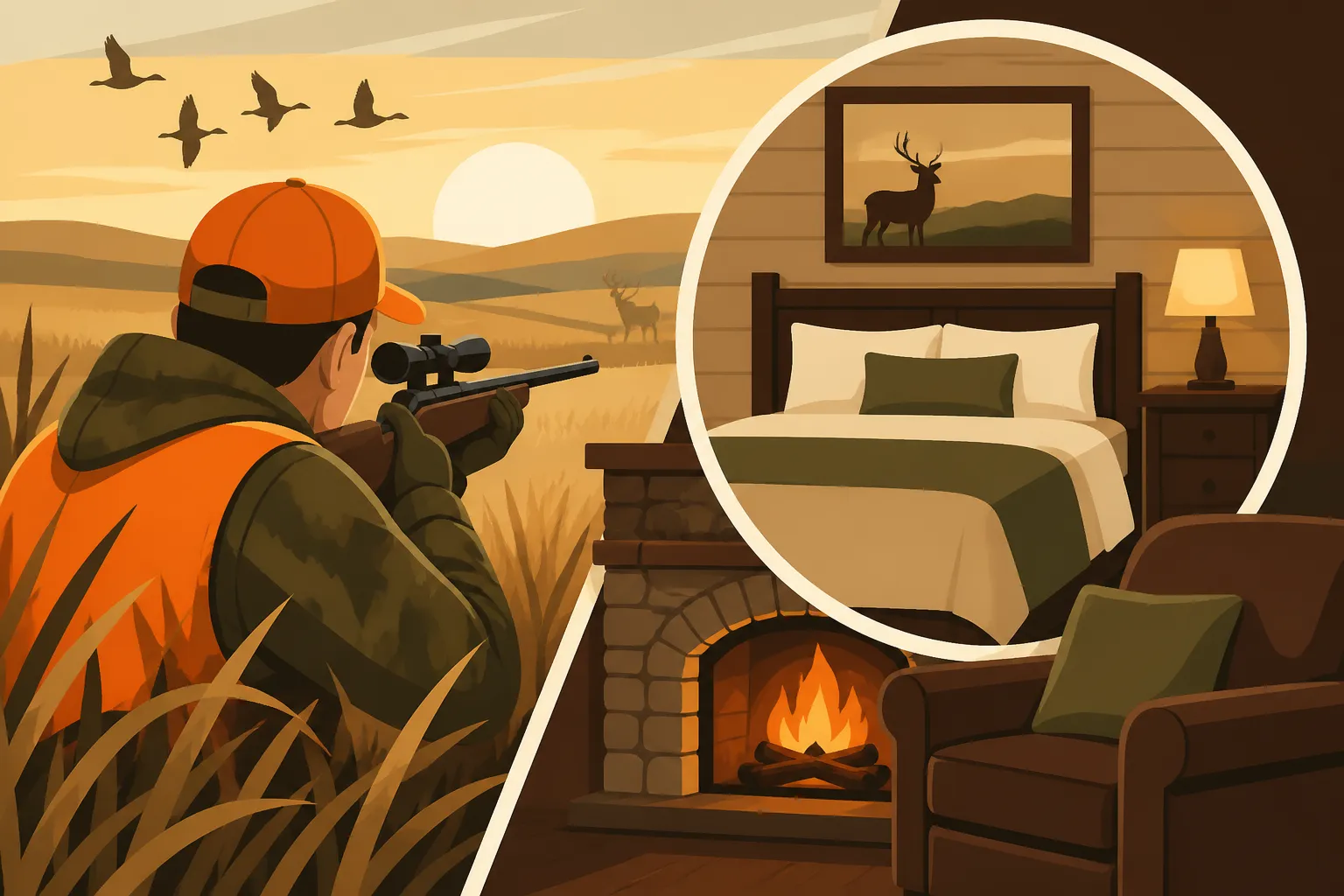
Having a communal area with comfortable seating, a fireplace, or a TV where hunters can gather, share stories, and strategize for the next day's hunt truly enhances the camaraderie. Sometimes there's Wi-Fi, which, let's be honest, is almost a necessity these days for checking weather or communicating with family back home. These facilities aren't always explicitly listed under "room and board" but are absolutely critical for a comfortable and efficient hunt. It’s worth digging into these details before you commit.
Different Lodge Styles: From Rustic to Luxurious
Kansas hunting lodges come in all shapes and sizes, each offering a distinct experience. On one end, you might find a rustic cabin or a renovated farmhouse that provides simple, clean lodging with basic cooking facilities. These are often budget-friendly and offer a no-frills, down-to-earth hunting camp vibe. They might be a bit older, perhaps a bit worn, but full of character and history. This style often means you're more involved in meal prep or even processing your own game, which can be part of the adventure for many hunters.
On the other end of the spectrum, you have high-end, purpose-built hunting lodges that boast modern amenities, private suites, gourmet meals, and dedicated staff. These can feel more like a resort than a hunting camp, offering a truly luxurious experience. In between, there are countless variations: modern homes converted for hunters, comfortable modular cabins, or even bunkhouses specifically designed for larger groups. The style of the lodge will heavily influence the overall feel of your trip and should align with your personal preferences for comfort and immersion.
Types of Lodging Options for Kansas Hunters
When you're looking for a place to stay while hunting in Kansas, you'll encounter a few main categories of lodging. Each has its own set of advantages and disadvantages, especially concerning what "room and board" actually means in practice. Understanding these differences is key to choosing the right fit for your hunting style and budget.
Full-Service Outfitter Lodges
For many traveling hunters, a full-service outfitter lodge is the gold standard. These operations typically provide a comprehensive package that includes not only your sleeping quarters and all your meals but often also guiding services, transportation to and from hunting stands, and even field dressing or initial game processing. The convenience is unmatched: you arrive, unpack, and pretty much everything else related to your hunt is taken care of. You might have a private room or share a comfortable space with a few others, and meals are generally served family-style in a communal dining area.
The "board" here often means substantial, home-cooked meals, sometimes even gourmet quality, designed to fuel active hunters. Think big breakfasts with eggs, bacon, and biscuits, hearty lunches (often packed for the field so you don't have to break your hunt), and delicious dinners like steaks, roasts, or casseroles. This level of service removes much of the logistical burden, allowing you to focus entirely on the hunt. It's truly an all-inclusive experience, and you can learn more about what to expect with Lodging and Meals in a Kansas Hunt.
Semi-Guided or Self-Guided Lodging
A step down in services (and usually cost) are the semi-guided or self-guided options that still include lodging. With a semi-guided hunt, an outfitter might provide the lodging and perhaps some initial scouting information or stand locations, but you're largely responsible for your own hunting efforts. The "room" might be a more basic bunkhouse or a shared cabin where you're expected to maintain your own space.
For self-guided hunts with lodging, it's often a simple cabin or a hunting shack available on private land. The "board" aspect here is usually minimal or non-existent. You're typically responsible for all your own food and cooking. This means planning your meals, bringing groceries, and spending time in the kitchen after a long day in the field, which isn't for everyone. However, it offers greater independence and can be a more budget-friendly way to access good hunting ground. If you prefer more flexibility and don't mind the extra planning, this could be a great fit. Consider researching Kansas Semi-Guided and Self-Guided Hunts for more detail on these options.
Private Landowner Rentals and DIY Options
Beyond outfitters, many Kansas landowners offer their properties for lease or rent out a farmhouse or cabin on their land. These are often ideal for DIY hunters or small groups who want complete control over their hunt. The "room" might be an older, charming farmhouse with multiple bedrooms, a rustic cabin on a secluded part of the property, or even a basic shelter. What you get can vary wildly, so explicit communication is vital.
For "board," it’s almost always self-catered. You bring all your own food, prepare all your own meals, and handle all the cleanup. This requires meticulous planning, especially regarding coolers, cooking gear, and groceries. The upside is usually a lower overall cost and the flexibility to eat what you want, when you want. The biggest advantage often is the close proximity of the lodging to the actual hunting grounds, minimizing travel time each day. Finding such opportunities can be challenging, but resources like GoHunt sometimes list private land leases, and you can always explore Finding a Kansas Landowner to Lease From for tips on direct outreach.
Hotels and Motels in Nearby Towns
Sometimes, the most practical solution, especially for those hunting public land or smaller private tracts without dedicated lodging, is to simply stay in a hotel or motel in the nearest town. This is the ultimate "DIY room and board" where your "room" is a standard hotel room, and your "board" is whatever you can grab at local restaurants, grocery stores, or make with a microwave and mini-fridge in your room.
While convenient for amenities like laundry and a reliable hot shower, this option often means driving a significant distance to and from your hunting spot each day. Those early morning drives in the dark and late-night returns can be exhausting and eat into your sleep. You also lose that immersive hunting camp atmosphere. However, for hunters who prioritize creature comforts and the ability to easily access local services, a hotel or motel can be a perfectly viable base camp. Keep in mind that some smaller Kansas towns might not have many dining options, especially early or late in the day. Learn more about these practicalities in Motels in Kansas Hunting Towns.
What to Consider When Evaluating Lodge Room and Board
Choosing the right lodge and understanding its room and board offering is about more than just checking boxes; it's about finding the best fit for your hunting trip. There are several key factors that savvy hunters scrutinize to ensure their off-the-field experience is just as productive and enjoyable as their time spent hunting.
Location, Location, Location: Proximity to Hunting Ground
This is perhaps one of the most critical, yet often overlooked, aspects of any hunting lodge. How far is the lodge from the actual hunting property or the main access points? A lodge that's a 45-minute drive from your stand might sound manageable on paper, but after a few days of waking up at 3:30 AM to get out there before legal light, that drive time starts to feel like an eternity. Similarly, a long drive back in the dark after an evening sit, possibly with a deer to load, can be exhausting and even dangerous.
Ideally, your lodge should be as close as possible to the hunting areas. This minimizes travel, maximizes sleep, and allows you to be fresh and focused for each hunt. It also makes it easier to pop back to the lodge for a quick break if needed, or to handle game during the midday lull. Ask specifically about the travel time to and from the primary hunting locations. The best access routes are those that get you to your spot without disturbing the deer you hope to hunt, as discussed in Access Routes That Do Not Bump Deer.
Food Quality and Quantity: Fueling Your Hunt
Hunting is physically demanding, and good food isn't just a luxury; it's essential fuel. When evaluating the "board" component, go beyond just asking if meals are included. Inquire about the type and quantity of food. Is it pre-made, reheated fare, or are hearty, home-cooked meals the standard? A hot, protein-rich breakfast makes a huge difference compared to a cold continental spread. Will they provide substantial packed lunches for you to take into the field, or are you expected to fend for yourself during the day? These packed lunches are especially critical when you're out all day, far from camp.
Also, consider any dietary restrictions or preferences you might have. Can the kitchen accommodate allergies, vegetarian diets, or other specific needs? Don't assume. Communication is key here. Nothing sours a hunt faster than being underfed or dealing with food that doesn't sit well.
Hunter Capacity and Group Dynamics
The number of hunters a lodge accommodates, and how they arrange their sleeping quarters, can significantly impact your experience. Some hunters thrive on the camaraderie of a large camp, sharing stories and strategies with many different people. Others prefer a more intimate setting with a smaller group, or even a private room for solitude. Ask about the typical number of hunters in camp during your booking period. Is it a sprawling lodge that can host twenty hunters, or a cozy setup for a handful?
Clarify whether your "room" is private, semi-private (e.g., two people to a room), or a shared bunkhouse with multiple beds. Understanding the hunter density, both in the lodge and on the hunting ground, helps set realistic expectations. Too many hunters in a small space, or on limited acreage, can lead to discomfort and competition. Be sure to understand Hunter Density on a Kansas Lease if you're concerned about crowded conditions.
Processing and Storage Facilities
This is a make-or-break factor for meat hunters and trophy hunters alike, especially in Kansas where temperatures can swing dramatically, even in prime hunting seasons. What facilities does the lodge offer for handling harvested game? A dedicated, clean game processing area with plenty of table space and a reliable walk-in cooler or large chest freezers is invaluable. Imagine being successful on an early September bow hunt when temperatures are still high. Having proper cooling facilities immediately available can literally save your meat. For tips on managing game in the heat, read Getting a Deer Cooled in September.
Ask if the lodge offers any assistance with field dressing, quartering, or even caping for taxidermy. Some full-service lodges will handle all of this, while others expect you to do the grunt work. If you plan to take your meat home, ask about freezer space for temporary storage and packaging options. This level of detail ensures your hard-earned harvest is cared for properly from the field to your table.
Booking and Preparing for Your Lodge Stay
You've done your research, considered the different options, and now you're ready to book. This final stage is all about asking the right questions, understanding the fine print, and packing smart to ensure your Kansas hunting trip goes off without a hitch. A little preparation now can save a lot of headaches later.
Asking the Right Questions Before You Book
Don't be shy about asking detailed questions before you put down a deposit. A reputable outfitter or landowner will be happy to provide clear answers. Beyond the basics of room type and meal inclusions, here’s a checklist of vital questions:
- Sleeping Arrangements: Is it a private room, shared room, or bunkhouse? If shared, how many hunters per room?
- Bathroom Facilities: Is it a private bathroom, or shared? How many bathrooms for how many hunters?
- Meal Schedule: What time are breakfast and dinner served? Are packed lunches provided? Are drinks (non-alcoholic, alcoholic) included? Can they accommodate dietary restrictions?
- Lodge Amenities: What common areas are available (living room, game room)? Is there Wi-Fi? Is there cell service? What about laundry facilities?
- Game Handling: Do they have a walk-in cooler or freezer space? A dedicated processing area? Do they offer field dressing, quartering, or caping services, and are there extra fees?
- Transportation: Is transportation to and from hunting areas provided? If so, what kind of vehicles?
- Rules & Expectations: Are there quiet hours? What are the policies on alcohol? Can non-hunting guests stay, and at what cost?
- Hidden Fees: Are there any additional costs beyond the advertised package price (e.g., trophy fees, processing fees, tipping guidelines)?
A thorough list of inquiries like these can be found in Questions to Ask a Kansas Outfitter. The more clearly you understand these points, the less likely you are to encounter unwelcome surprises.
Understanding Contracts and Deposits
When you're booking any significant hunt, especially with an outfitter, you'll likely sign a contract and pay a deposit. Read this document carefully. It should clearly outline the total cost, what's included, payment schedules, and, crucially, the cancellation and refund policy. Life happens, and sometimes plans change, so knowing what recourse you have if you need to cancel or postpone is paramount. Pay close attention to dates for final payments and any penalties for late payment. Information on typical upfront costs can be found in Kansas Outfitter Deposit Amounts.
Many hunters find platforms like BookYourHunt helpful for comparing different outfitters and their packages, often with transparent pricing and booking terms. These sites can also sometimes offer recourse or mediation if issues arise, though it’s always best to have a solid direct agreement. Whether you use a booking service or go directly, ensure the contract explicitly states the dates of your hunt, the services promised, and what happens if you don't draw a tag in the Kansas lottery system, if applicable. Don't be afraid to ask for clarification on any clause you don't understand before you sign.
Packing Essentials for Lodge Life
Your packing list for a lodge stay will differ slightly from a completely self-sufficient tent camp trip. While the outfitter or landowner might provide bedding and towels, it's always a good idea to confirm. Beyond your hunting gear and clothing, consider these lodge-specific items:
- Personal Toiletries: Don't assume the lodge provides more than basic soap.
- Casual Clothes: After a long day in camo, you’ll appreciate comfortable, clean clothes for relaxing around the lodge.
- Slippers or Comfortable Shoes: To wear indoors and keep the lodge clean.
- Cooler: Even if meals are provided, a personal cooler for your favorite drinks or snacks for the stand can be a lifesaver.
- Small Backpack or Daypack: For carrying your packed lunch, water, and other necessities to the stand.
- Charging Cables & Power Bank: For all your electronics. Lodge outlets can be limited.
- Headlamp/Flashlight: Essential for moving around in the dark, both in camp and in the field.
- Game Processing Supplies (if self-processing): Knives, gloves, game bags, sharpening stone, especially if the lodge only offers basic facilities.
Thinking through these small details ensures your time in the lodge is as comfortable and hassle-free as possible, letting you focus on the hunt itself.
Disclaimer
This article is for general informational purposes only and does not constitute professional advice. Laws, prices and regulations vary by location and change over time. Consult a qualified professional for guidance on your specific situation.