Youth Hunts With a Kansas Outfitter
Bringing a young hunter into the field is one of the most rewarding experiences a parent or mentor can have, but let's be honest, it comes with its own unique set of challenges. Between navigating permits, finding suitable land, managing a child's attention span, and ensuring a safe, positive experience, it can feel like a lot to juggle. This guide will walk you through how a Kansas outfitter can be a game-changer for youth hunts, ensuring a memorable and successful experience for your budding outdoors enthusiast without all the usual stress.
Why Consider an Outfitter for a Youth Hunt in Kansas?
Taking a young person hunting in Kansas is a fantastic way to introduce them to the outdoors and instill values like conservation and respect for wildlife. However, it's not always easy. Finding accessible, productive land where you can feel confident about a safe and engaging hunt can be daunting. This is where a reputable outfitter truly shines, offering solutions to many of the common hurdles that can otherwise make youth hunts feel overwhelming.
Overcoming Common Youth Hunting Hurdles
One of the biggest frustrations for parents taking kids hunting is the sheer logistical lift. Think about it: you need to secure hunting land that's safe, quiet, and hopefully holds game. Then there's the gear – comfortable blinds, sturdy stands, and often, equipment scaled down for smaller frames. An outfitter handles all of this, removing the pressure from you. They often have established, managed properties where game populations are healthy, meaning a higher chance of seeing animals and keeping your young hunter's interest piqued.
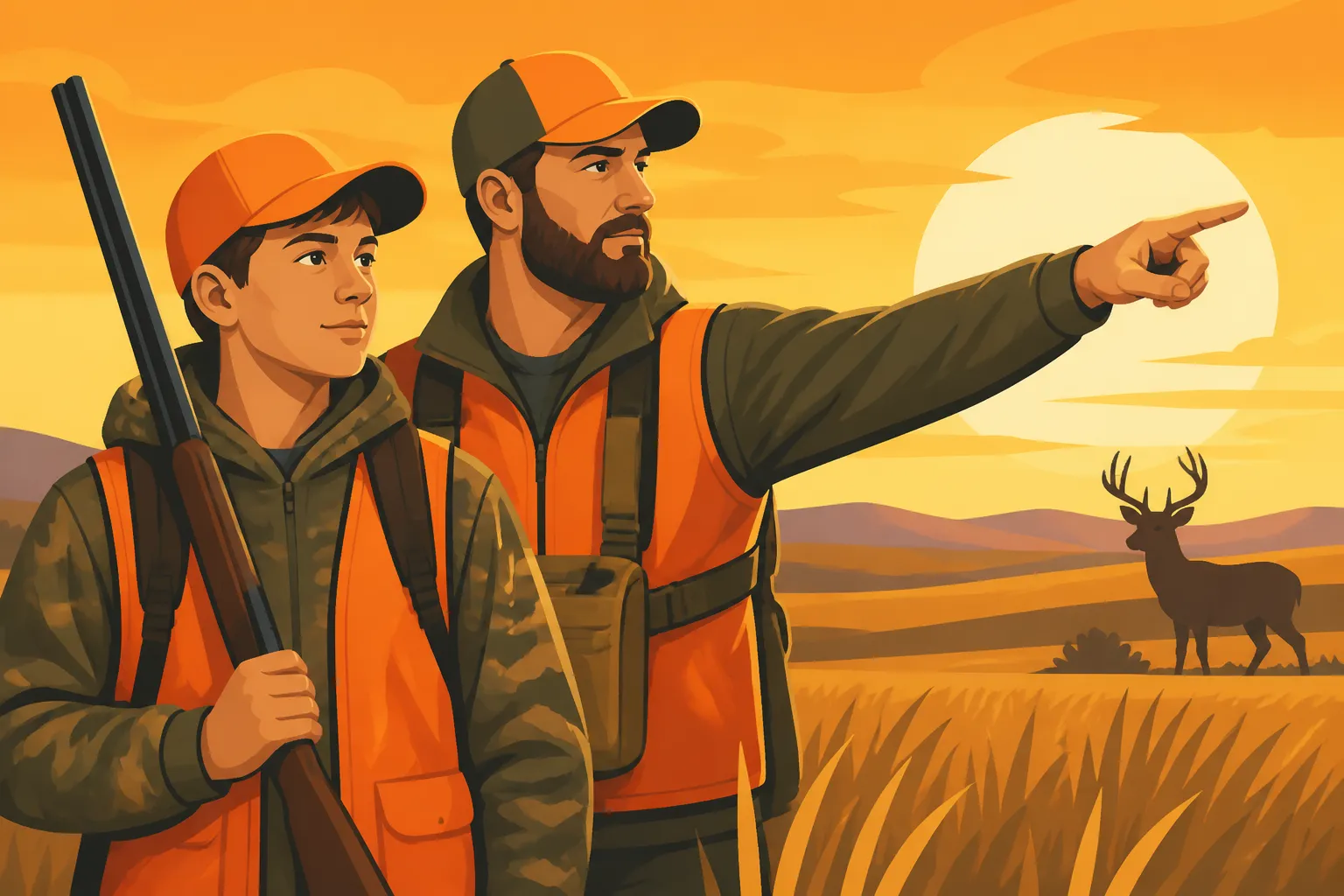
Beyond logistics, an outfitter provides invaluable expertise and supervision. They know the land, the game patterns, and, crucially, how to guide a young hunter through the entire process. This isn't just about pulling the trigger; it's about ethical shot placement, understanding animal behavior, and the quiet patience required. For many kids, a full day in a stand can be a huge ask. Outfitters often have flexible approaches, perhaps shorter morning or evening sits, or readily available ground blinds that allow for more movement and comfort than a treestand. They prioritize safety above all else, ensuring the youth is comfortable with their firearm or bow, understands the rules, and is always under watchful eyes. This frees you up to simply enjoy the moment with your child, rather than constantly worrying about every detail. The right outfitter acts as a knowledgeable mentor, supplementing your own guidance and adding another layer of safety and confidence to the outing.
Access to Prime Ground and Resources
Kansas is known for its incredible hunting opportunities, especially for whitetail deer and turkeys, but securing access to prime, private land can be incredibly difficult for the average hunter. This is particularly true if you're traveling from out of state or don't have existing connections. Outfitters typically lease or own significant tracts of land that are carefully managed for wildlife. This means fewer hunters, healthier game populations, and often, strategic food plots or cover areas that concentrate animals. For a youth hunter, this increased opportunity can be the difference between a frustrating, empty sit and an exciting encounter that sparks a lifelong passion.
Imagine trying to scout and gain permission for a productive spot yourself, all while managing a child's school schedule and your own work. An outfitter eliminates that stress entirely. They’ve already put in the legwork. They often have comfortable, pre-set ground blinds or ladder stands that are perfect for two people (you and your child), ensuring safety and a good view. They also possess specialized equipment, from tracking dogs for recovering game to ATVs for easier access and retrieval, which can be monumental when you're hunting with a child. The peace of mind that comes from knowing you're on well-managed land with expert guidance cannot be overstated. When you're looking for an outfitter, websites like BookYourHunt can be a fantastic resource, allowing you to filter by location and even by specific hunt types, including those that cater to youth.
What to Look for in a Kansas Outfitter for Young Hunters
Not all outfitters are created equal, especially when it comes to youth hunts. The dynamic changes significantly when a child is involved, and you need to ensure the outfitter understands and embraces that difference. It's about finding someone who is not just good at putting clients on game, but good at nurturing a young hunter's experience.
Tailored Experience and Patience
The number one characteristic to seek in an outfitter for a youth hunt is genuine enthusiasm for working with children. Ask specific questions: "Have you guided many youth hunters?" "How do you adapt the hunt for a shorter attention span?" "Do you have specific stands or blinds that are safer and more comfortable for kids?" A great youth outfitter understands that success isn't solely measured by a trophy; it's about fostering a love for the outdoors. They should be patient, encouraging, and willing to teach, explaining everything from deer sign to wind direction.
A truly tailored experience might mean shorter hunting sessions, more frequent breaks, or the flexibility to move locations if the child gets restless. It could also involve focusing on smaller game or different activities if the primary target isn't cooperating. This kind of flexibility ensures the child remains engaged and has a positive experience, rather than being forced to endure a long, uncomfortable sit. You want an outfitter who sees this as an educational opportunity, not just another commercial hunt. Platforms like BookYourHunt often feature reviews, and you can often find mentions of an outfitter's suitability for family or youth hunts there. Don't hesitate to ask for references from families who have hunted with them previously. This insight is invaluable.
Safety Protocols and Facilities
Safety is paramount, especially when introducing firearms or bows to young people. A reputable Kansas outfitter will have clear, non-negotiable safety protocols in place, and they will communicate them effectively. This includes safe handling of weapons, proper entry and exit from stands or blinds, and clear communication in the field. Ask about their stand setup: are ladder stands or ground blinds used? Are they regularly inspected? Are there two-person setups that allow a parent or guide to sit directly beside the youth? The answers to these questions are crucial for peace of mind.
Beyond the hunt itself, consider the overall facilities. Comfortable, warm lodging is important, especially during the chillier Kansas hunting seasons. Access to good food, clean bathrooms, and a welcoming camp environment contributes significantly to a child's enjoyment. Some outfitters might even have amenities like a shooting range to practice before the hunt or a game room for downtime, which can be a huge bonus for kids. An outfitter who focuses on these details demonstrates a commitment to a positive overall experience, not just the hunt itself. Remember, a happy child in camp usually means a happy parent!
Success Rates and Realistic Expectations
When evaluating an outfitter for a youth hunt, look beyond the impressive "trophy gallery" of mature bucks. While a successful harvest is always the goal, the definition of success for a youth hunt often broadens. What you're really looking for is a high "opportunity rate"—meaning the chance to see animals, understand their behavior, and perhaps get a shot opportunity. Killing a massive buck might be the dream, but seeing a handful of does or younger bucks, and learning how to interpret their movements, can be just as impactful for a young hunter.
Discuss realistic expectations with the outfitter upfront. Ask: "What are the typical opportunities for youth hunters?" "Do you have options for antlerless deer if we just want to get them a successful first harvest?" Sometimes, getting a youth on their first deer, regardless of antler size, is the most important goal. An outfitter who understands and supports this priority, rather than pushing for a trophy, is often the right choice. They should be transparent about their track record with younger clients and openly discuss how they manage expectations to ensure a positive experience, regardless of the final outcome. Remember, it's about building a foundation for a lifetime of hunting, and that foundation is built on positive, realistic experiences.
Planning Your Youth Outfitter Hunt: Logistics and Preparation
Once you've chosen an outfitter, the real planning begins. There are specific requirements for youth hunters in Kansas, and preparing your child for the unique aspects of a guided hunt is crucial for a smooth and enjoyable trip.
Permits, Licenses, and Hunter Ed
Navigating the licensing and permit system in Kansas can feel like a maze, especially for non-residents. For youth, there are specific age requirements and hunter education rules that you absolutely must understand. Generally, any hunter born on or after January 1, 1957, must possess a valid hunter education certificate to hunt in Kansas. However, Kansas does offer an Apprentice Hunter License, which allows individuals of any age to hunt without first completing hunter education, provided they are under the direct supervision of an adult 18 years of age or older who holds a valid Kansas hunting license. This can be a fantastic option for younger kids or those just dipping their toes in.
Here’s a quick overview of some key considerations:
| Requirement | Details |
|---|---|
| Hunter Education | Required for those born after Jan 1, 1957. |
| Apprentice License | Allows hunting without Hunter Ed, under supervision of licensed adult (18+). |
| Hunting License | Required for all hunters, including youth. Junior rates apply for specific age ranges. |
| Deer Permits | Youth hunters still need a deer permit (e.g., an "either-sex" whitetail permit). |
| Antlerless Permits | Often easier to draw or purchase over-the-counter; a great option for a first deer. |
| Age Restrictions | No minimum age for hunting, but youth must be competent and supervised. |
| Youth-Specific Seasons | Kansas has a dedicated Kansas Youth and Disability Deer Season that often falls before the regular archery season, providing a less pressured hunting environment. |
Make sure to apply for any necessary permits, especially if you're targeting specific deer units or species, well in advance. The Kansas Deer Application Window in April is crucial for non-residents seeking those coveted whitetail tags. Your chosen outfitter should be able to assist and advise you on the specific permits and licenses needed for your hunt. Don't forget to review the Kansas Hunter Education Age Requirement for your child's specific situation.
Packing Essentials for a Young Hunter
Packing for a youth hunt isn't just about the hunting gear; it's about keeping them comfortable, engaged, and ready for anything. Beyond the obvious rifle or bow, ammunition, and camouflage, think about the unique needs of a child. Kansas weather can be unpredictable, so layers are critical, even if the forecast seems mild. Pack more warm clothing than you think you'll need, including warm socks, hats, and gloves. Nobody wants a shivering, miserable child cutting a hunt short.
Consider comfort items: a soft cushion for long sits in the blind, a small backpack with their own water bottle and snacks (their favorites, of course!), and maybe even a quiet book or small game for downtime. A comfortable blind or stand that allows for some quiet movement is key. Headlamps are essential for early mornings and late evenings. Don't forget insect repellent, especially in early season, and a small first-aid kit. Finally, make sure they have broken-in, waterproof boots. Cold, wet feet are a sure way to ruin a hunting trip for anyone, especially a child. Reviewing Cold Weather Stand Clothing and Staying Warm on a December Sit can provide great tips for both you and your young hunter.
Pre-Hunt Communication and Expectations
The key to a successful youth outfitter hunt lies in clear and open communication before you even arrive. Share everything you can about your child with the outfitter: their hunting experience (or lack thereof), their physical abilities, their attention span, and their personal goals for the hunt. Is it simply to see a deer? To learn to track? To make a clean harvest, regardless of size? The more the outfitter knows, the better they can tailor the experience.
Discuss the daily schedule. What time will you wake up? How long are the typical sits? What happens if the child gets restless or cold? Inquire about the role you, as the parent or mentor, will play during the hunt. Will you be in the stand with them, or will the guide be the primary supervisor? Make sure you’re comfortable with the arrangements. This open dialogue helps manage expectations for everyone involved, reducing stress and setting the stage for a positive, memorable experience. It's also a great opportunity to ask about specific rules for Kansas Public Land Baiting Rules or Feeders and Mineral on Kansas Public Ground, just to be informed about the outfitter's practices.
Making the Most of the Youth Hunt Experience
A youth hunt with an outfitter is more than just trying to punch a tag; it's an immersive educational experience that can shape a young person's relationship with nature, conservation, and personal responsibility.
Beyond the Shot: Education and Respect
While the thrill of harvesting an animal is undeniable, a truly great youth hunt teaches lessons that extend far beyond the moment of the shot. Encourage your child to soak in every detail: identifying different types of trees, understanding the sounds of the forest, spotting various wildlife beyond the target species, and learning how to read deer sign. A good outfitter will naturally integrate these educational elements, pointing out rub lines, scrapes, or tracks, and explaining their significance.
If a harvest occurs, the learning continues. This is an opportunity to teach respect for the animal, the importance of a quick and ethical recovery, and the process of field dressing. Walking your child through Field Dressing in Warm Kansas Weather or Getting a Deer Cooled in September helps them understand the entire lifecycle of the hunt and their role in it. It’s about more than just the kill; it's about appreciating the animal and understanding where food comes from, fostering a sense of gratitude and responsibility.
Celebrating the Journey, Regardless of Harvest
Ultimately, the goal of a youth hunt should be to create lasting positive memories, whether or not an animal is harvested. Emphasize the adventure, the time spent together in nature, and the skills learned. Celebrate every small victory: the quiet moment of watching a squirrel, successfully identifying a bird call, or simply sitting still for an extended period. These are all huge accomplishments for a young hunter.
Take plenty of pictures (non-hunting pictures during the hunt, and respectful pictures after a harvest) to document the experience. Reflect on the highlights of the trip, focusing on the connection with nature and the joy of sharing the outdoors. If the hunt doesn't result in a harvest, talk about what was learned, what could be done differently next time, and how even an unsuccessful hunt is part of the broader experience. The bond you build and the lessons instilled will far outlast any specific deer or turkey taken. These early experiences lay the groundwork for a lifetime of appreciation for hunting and the natural world, often leading to future adventures, perhaps even exploring Kansas Turkey Hunting Tactics for Spring Gobblers or Upland Bird Hunting Kansas Grass and Milo Edges as they grow.
Disclaimer
This article is for general informational purposes only and does not constitute professional advice. Laws, prices and regulations vary by location and change over time. Consult a qualified professional for guidance on your specific situation.