Kansas Hunting Lodge Accommodation
Trying to plan a hunting trip to Kansas often brings up a whole host of questions, not least of which is, "Where am I going to lay my head at night?" It's not just about finding a roof; it's about finding a comfortable, convenient, and well-equipped place that truly enhances your hunting experience, rather than adding another layer of stress. This comprehensive guide will walk you through everything you need to know about Kansas hunting lodge accommodation, helping you navigate the options and make an informed choice for your next adventure.
Understanding What a Kansas Hunting Lodge Offers
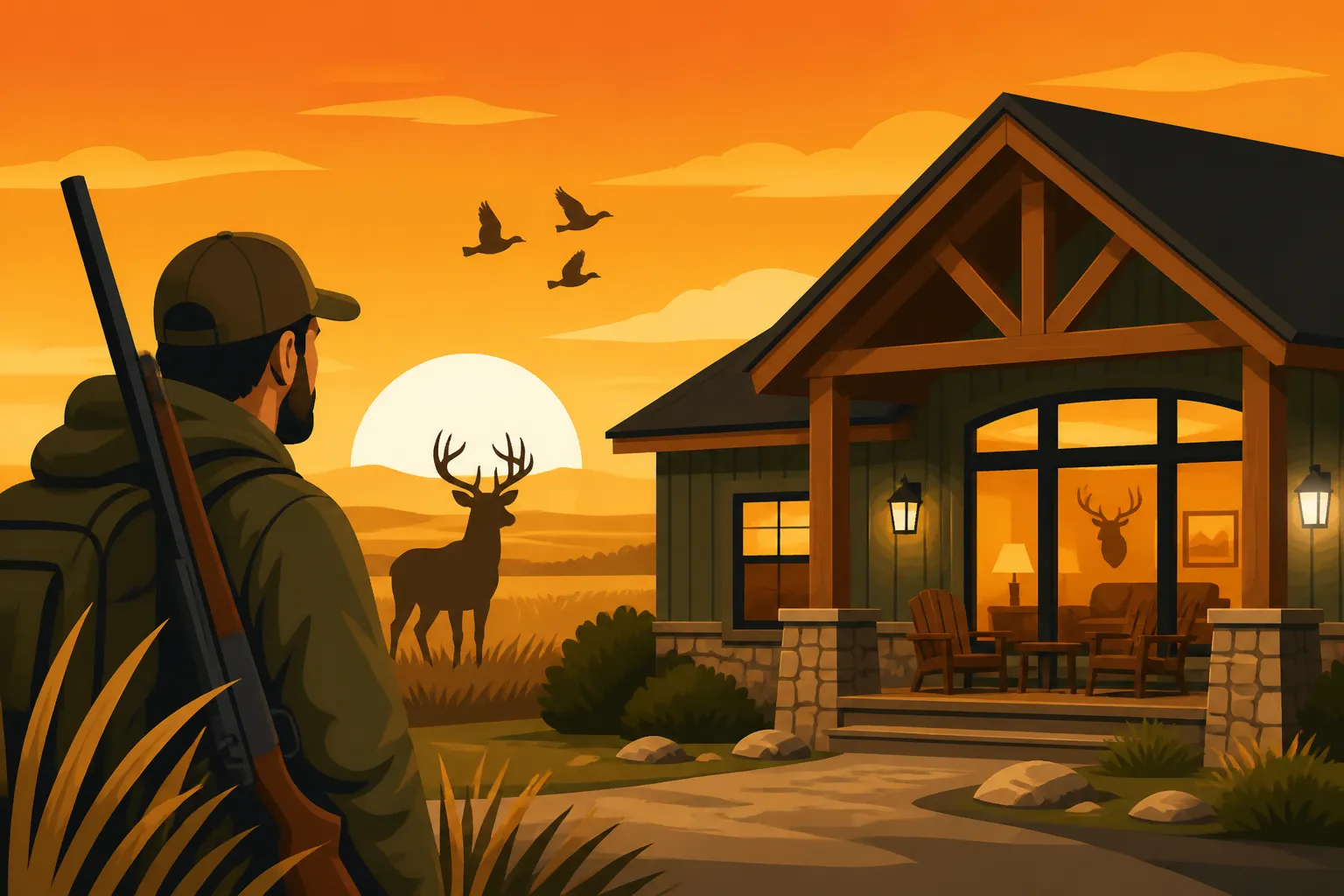
When you hear "hunting lodge," your mind might conjure up images ranging from a rustic cabin deep in the woods to a sprawling resort with all the fixings. In Kansas, the reality is often somewhere in between, and it's essential to understand the typical offerings to manage your expectations and select the right fit for your trip. It's more than just a place to sleep; it's often a crucial part of the overall hunting atmosphere and logistics.
Beyond Just a Bed: Amenities to Expect
Many hunters, especially those new to guided or semi-guided experiences, often assume a lodge just provides a cot and a roof. But a good Kansas hunting lodge aims to be a home away from home, especially after a long day in the field. You're likely looking at more than just a sleeping arrangement. Think about facilities that cater specifically to hunters, making your life easier when you're tired and dirty.
For instance, most reputable lodges offer communal living areas where you can unwind, share stories with other hunters, or simply relax. These often come with comfortable seating, a television, and sometimes even a pool table or card games. Wi-Fi has become almost a standard expectation, allowing you to check in with family, research Kansas Deer Permits and the Nonresident Draw, or share your daily successes. Beyond the common areas, amenities like laundry facilities are a huge plus, especially for longer hunts or when you've had a muddy encounter with a creek bottom. Some lodges even provide dedicated mud rooms or gear drying areas, which are incredibly valuable after a wet or snowy day when you need to get your hunting clothes ready for the next morning.
The Difference Between a Lodge and a Motel
It's easy to dismiss specialized hunting accommodation and just book a motel in the nearest town. While a motel can certainly provide a bed, it almost never provides the tailored experience that a hunting lodge does. The fundamental difference lies in the understanding of a hunter's specific needs and the communal hunting culture.
A motel room is typically a sterile box designed for general travelers. There's no place to hang a dripping hunting coat, no freezer space for capes or meat, and certainly no shared tales of the day's hunt over a hearty dinner. Hunting lodges, however, are built by hunters, for hunters. They understand the need for early breakfasts, late dinners, and robust facilities. They often have dedicated processing areas, walk-in coolers, or at least ample freezer space for game. The entire environment is geared towards the hunt, from the decor to the conversation, creating an immersive experience that a generic motel simply cannot replicate. Furthermore, being surrounded by fellow hunters fosters a sense of camaraderie, where tips are exchanged, and successful hunts are celebrated together, which can be a huge morale booster, especially if you're traveling solo.
Diverse Accommodation Styles Available
Just as Kansas terrain varies from the eastern timber to the western plains, so too do the styles of hunting lodge accommodation. It's not a one-size-fits-all situation, and understanding this diversity will help you narrow down what truly suits your preference and budget. You might be surprised by the range.
Some lodges lean into a luxurious, resort-like feel, offering private rooms with en-suite bathrooms, gourmet meals, and even spas or other recreational activities for downtime. Others are more akin to a bunkhouse or a large farmhouse, providing shared bedrooms with multiple beds, common bathrooms, and home-cooked, but less fancy, meals. Then there are semi-private options, like cabins or small houses on the property that offer more seclusion for a group or family, but still provide access to shared services like meals or guides. When you're Booking a Kansas Whitetail Hunt With an Outfitter, always ask specifically about the accommodation style, number of beds per room, and whether bathrooms are private or shared. Some places even offer a self-catered option where you rent a small dwelling and handle all your own meals, which can be a good way to save money if you're comfortable with the extra work.
Types of Kansas Hunting Lodge Experiences
The spectrum of Kansas hunting lodges really opens up when you consider the overall experience they aim to deliver. Are you looking for a pampered trip where every detail is handled, or are you more interested in a functional base camp with minimal frills? Your choice here will heavily influence both the atmosphere and the price tag of your hunt.
Full-Service Luxury Lodges
For those who view hunting as a full vacation experience, a full-service luxury lodge might be exactly what you're looking for. These establishments go above and beyond simple accommodation, aiming to provide an unforgettable stay from the moment you arrive until you depart. They really focus on easing every logistical burden.
Expect beautifully appointed private rooms, often with amenities you'd find in a high-end hotel. The dining experience is usually a highlight, with professional chefs preparing delicious, multi-course meals, often featuring locally sourced ingredients or even game from previous hunts. The service extends beyond the lodge walls, often including transportation to and from the hunting grounds, assistance with field dressing, and even guidance on processing your deer or preparing it for taxidermy. These lodges often cater to a discerning clientele who appreciate comfort and convenience after a challenging day in the field. While they represent a higher price point, the comprehensive nature of the offering means fewer worries and more focus on the hunt itself. They might also offer amenities like a hot tub or fire pit, perfect for relaxing and sharing stories under the vast Kansas sky.
Comfortable and Rustic Lodges
The most common type of hunting accommodation you'll find in Kansas probably falls into the "comfortable and rustic" category. These lodges strike a balance between providing essential comforts and maintaining a genuine hunting camp feel. They are less about luxury and more about functionality and fellowship.
Picture a large, well-maintained farmhouse or a purpose-built lodge with a cozy, lived-in atmosphere. You'll likely find shared bedrooms, perhaps with a few bunk beds or single beds per room, and shared bathrooms. The meals are typically home-cooked, hearty, and abundant—think classic comfort food designed to fuel hunters for long days outdoors. While not gourmet, the food is usually delicious and plentiful. These lodges often have a large common area where hunters gather, swap stories, and bond. The focus here is on the camaraderie and the shared experience of the hunt. They are generally more affordable than luxury options and provide a fantastic value for hunters who want a genuine camp feel without sacrificing basic comforts. Often, these lodges are run by the outfitter themselves, providing a direct and personal connection to your hunting hosts and their expertise.
Self-Catered or Lease-Style Lodging
For the truly independent hunter or a group looking to minimize costs and maximize autonomy, self-catered or lease-style lodging presents an excellent option. This route gives you the freedom to set your own schedule, cook your own meals, and manage your hunt exactly as you see fit. It requires a bit more planning and effort on your part, but the payoff can be significant for some.
This type of accommodation might involve renting a small house, a cabin, or even a section of a larger property where you have access to a kitchen and sleeping quarters. You're responsible for all your own groceries, cooking, and cleaning. This can be particularly appealing for experienced groups who prefer their own routines and dietary preferences, or those trying to stick to a tighter budget. While you're often saving money on the lodging itself, remember to factor in the cost and time commitment of food preparation. Sometimes, outfitters offer a "lodge-only" package alongside their Kansas Semi-Guided and Self-Guided Hunts, where you pay for the accommodation but not the guiding services. This allows you to hunt on nearby public land or a private lease, returning to your own private space at the end of the day. This is a great way to maintain independence while still having a dedicated hunting base.
Factors Influencing Lodge Choice and Cost
Choosing the right Kansas hunting lodge isn't just about what looks good in pictures; it involves weighing several practical factors that will directly impact your experience and your wallet. Understanding these elements beforehand can save you from unexpected surprises and ensure you get the best value for your hunting dollar.
| Factor | Impact on Choice | Impact on Cost |
|---|---|---|
| Location | Proximity to hunting areas, travel time | Remote locations might be cheaper, popular areas cost more |
| Included Services | Convenience, level of support, guide availability | More services (meals, guides) increase price |
| Group Size | Room configuration, privacy needs | Private rooms/cabins cost more, shared rooms less |
| Seasonality | Availability, weather conditions | Peak seasons (like the rut) are more expensive |
| Amenities | Comfort, post-hunt relaxation, game handling facilities | Luxury amenities add to the price tag |
Location: Proximity to Hunting Grounds
One of the most critical, yet sometimes overlooked, factors when selecting a hunting lodge is its geographic location relative to where you'll actually be hunting. The convenience of a short drive to your stand or blind can make a monumental difference, especially during the cold, dark hours before dawn or after a long, tiring evening hunt. Nobody wants to spend an hour driving back to camp when they're exhausted.
Consider if the lodge is literally on the hunting property, or if it requires a daily drive. If it's a drive, how far is it? Twenty minutes might be fine, but an hour each way eats into valuable sleep and hunting time. Being close means more time resting and less time on the road, which is especially important if you're targeting specific public lands like those detailed in Hunting Kansas Walk-In Land Without Burning It Out. Some lodges are intentionally placed centrally to offer access to multiple tracts, which can be a double-edged sword: variety is good, but travel time can add up. Always clarify the exact distance to the primary hunting areas from the lodge. This isn't just about saving gas; it's about maximizing your time and energy for the actual hunt.
Included Services: Meals, Guiding, and More
The price of a hunting lodge can fluctuate wildly depending on what services are bundled into your package. It's crucial to get a clear breakdown of what's included versus what's an extra charge. Misunderstandings here can lead to frustrating and expensive surprises at the end of your trip.
Most lodges that offer guided or semi-guided hunts will include lodging and meals as part of the overall package. Meals are a significant factor; some places offer full breakfast, a packed lunch for the field, and a hot dinner, while others might only provide dinner. Guided services, of course, add considerable value and cost, as you're paying for expertise and assistance in the field. Beyond the basics, ask about things like field dressing assistance, transportation to and from your stand, and initial game processing. Are there facilities to hang a deer? Is cooler space available? Will they assist with quartering your animal? These "hidden" services can dramatically change the perceived value of a package. Always ask for a detailed list of inclusions and exclusions, especially regarding the guide's role, as discussed when Choosing a Kansas Deer Outfitter. This transparency upfront prevents any awkward conversations later.
Group Size and Seasonality
The number of hunters in your party and the time of year you plan to hunt are two major variables that directly influence both the availability and cost of lodge accommodation. These factors interact in ways that can be critical to planning your trip.
If you're a solo hunter, you might find yourself in a shared room, which is often more economical. Larger groups, however, might be able to secure a private cabin or an entire section of a lodge, which offers more privacy but generally comes with a higher overall price tag. Be upfront about your group size and your desire for privacy versus cost-effectiveness. The seasonality factor is even more pronounced. Kansas hunting, particularly for whitetail deer, has distinct peak times, such as the late October pre-rut and the prime November rut. Lodges during these periods are in extremely high demand and consequently command premium prices. Booking a hunt during the early archery season or the extended antlerless season might offer more availability and potentially lower rates, but you need to weigh that against your hunting goals. Understanding When the Kansas Rut Peaks will give you a good idea of when demand for lodging will be highest. Booking well in advance—sometimes a year or more out—is almost always necessary for prime dates, especially for popular lodges.
Booking Your Stay: Tips and Considerations
Booking your hunting lodge stay shouldn't be a rushed decision. A little due diligence upfront can save you a lot of headaches, ensure a smoother trip, and help you find an experience that truly aligns with your expectations. Don't be afraid to ask plenty of questions!
Researching Reputable Lodges
In the age of online reviews and easy information, there's no excuse for not doing your homework before committing to a hunting lodge. A reputable lodge will have a track record of satisfied clients and transparent operations. Start your research broadly, looking for listings on specialized hunting travel sites.
Websites like BookYourHunt and GoHunt can be excellent starting points for finding Kansas outfitters and lodges, offering listings, photos, and often client testimonials. Beyond these platforms, scour social media groups, hunting forums, and independent review sites. Pay attention to consistent themes in positive and negative reviews. Is the food consistently praised? Are complaints often about overcrowded conditions or poor communication? It's wise to look for recent reviews, as management or quality can change over time. Don't just rely on the photos on the outfitter's website; they will naturally highlight the best aspects. Seek out unbiased opinions and consider asking for references directly from the outfitter, as covered in Checking a Kansas Outfitter's Reputation. A truly reputable operation will be happy to provide contact information for past clients who can share their experiences firsthand.
Understanding Deposits and Cancellation Policies
Before you put any money down, you absolutely must understand the lodge's deposit requirements and, more importantly, their cancellation policy. Hunting trips, like any travel, can be subject to unforeseen circumstances, and you want to know what your options are if plans change. This is where the fine print really matters.
Most lodges require a significant deposit, often 50% or more of the total hunt cost, to secure your dates. This is standard practice, as they are committing resources and turning away other bookings. However, the terms under which this deposit is refundable, or transferable, vary wildly. Some might offer a full refund up to a certain point, while others might offer a credit for a future hunt, or simply no refund at all, especially if the cancellation is close to the hunt date. Understand if your deposit is tied to a specific season or if it can be rolled over if you don't draw a Kansas nonresident deer permit. Always get these terms in writing, ideally as part of a formal contract. Consider purchasing hunt insurance, especially for high-value trips, which can protect your investment against unexpected cancellations due to illness, injury, or other covered events. This proactive step can provide significant peace of mind.
What to Ask Before You Book
Once you've narrowed down your choices, prepare a comprehensive list of questions to ask the lodge owner or manager before you finalize your booking. Don't be shy; clarity now prevents disappointment later. Many common frustrations stem from assumptions that could have been clarified with a simple question.
Beyond the obvious questions about price and dates, delve deeper into the specifics of the accommodation. Ask about sleeping arrangements (private room, shared room, number of beds), bathroom facilities (private, shared, number of bathrooms for how many guests), and any specific amenities (Wi-Fi, cell service, laundry, game processing facilities, cooler space). Inquire about meal times and what kind of food is typically served, especially if you have dietary restrictions. If you're bringing your own game cart or gear, ask about storage options. Understand the typical schedule for a hunting day: what time is breakfast, when do you leave for the field, and when do you return? If you're hunting with a guide, clarify the guide's role and expectations, as outlined in What a Kansas Guided Deer Hunt Costs. Get a sense of the hunter-to-guide ratio if applicable. Finally, always ask for recent references—hunters who have stayed at the lodge within the last year or two—and take the time to call them. Their unbiased perspective is invaluable.
Making the Most of Your Lodge Experience
A hunting lodge stay isn't just about the hunting itself; it's about the entire experience, from the shared meals to the camaraderie around a campfire. Being prepared and understanding basic etiquette can significantly enhance your trip and make you a welcome guest for years to come.
Camp Etiquette and Communal Living
Many Kansas hunting lodges foster a communal atmosphere, which is one of their biggest draws. However, communal living comes with a few unwritten rules of etiquette that, when followed, ensure a pleasant experience for everyone. Disregarding these can quickly sour the mood for the whole camp.
Respect for others' sleep is paramount. Hunters keep notoriously early hours, and some might return later than others. Keep noise to a minimum in the early morning and late evening. Your alarm should only wake you, not the entire bunkhouse. Be mindful of shared spaces: keep common areas tidy, clean up after yourself in the kitchen or dining area, and don't hog the bathroom. If a lodge has designated gear storage or drying areas, use them appropriately. Always be polite and courteous to the lodge staff and guides; they work incredibly hard to make your trip enjoyable, and a simple "thank you" goes a long way. This includes understanding the dynamics of Tipping a Kansas Guide, which is customary and appreciated. Contributing to a positive camp environment often means going with the flow, being flexible, and understanding that you're sharing an experience with others.
Preparing for Your Stay
A little preparation before you head to the lodge can prevent frantic scrambling once you arrive and ensure you maximize your hunting time. Think about what you'll need from a comfort, gear, and logistics perspective.
Beyond your hunting gear, consider what you'll need for downtime at the lodge. Pack comfortable casual clothes, slippers, and personal toiletries. Some lodges provide towels and linens, but it's always good to confirm beforehand, especially if you're staying at a more rustic or self-catered location. If you have specific dietary needs, communicate them well in advance, or plan to bring your own supplemental snacks and drinks. Consider bringing a small cooler for drinks or personal items in your room. If you plan to process game, ensure you have the necessary knives, bags, and perhaps a small personal cooler for cuts you want to bring home. Having a plan for Field Dressing in Warm Kansas Weather or Getting a Deer Cooled in September is also critical, and understanding the lodge's capabilities in this regard. Don't forget any necessary medications or personal comfort items that will make your evenings more relaxing.
Post-Hunt Logistics: Processing and Departure
The moments after a successful hunt can be a whirlwind of excitement, but it's crucial to have a clear plan for processing your game and preparing for your departure. A good lodge will assist, but knowing your responsibilities is key.
Most Kansas lodges will have facilities or partnerships for initial game handling. This might include a hanging pole, a walk-in cooler, or connections to local meat processors. Clarify what assistance is provided with field dressing, caping for a taxidermist, and quartering the animal. If you plan to take your meat home, understand how you'll keep it cool for travel. Some lodges have freezer space, or you might need to acquire dry ice for your coolers. If you're utilizing a local processor, coordinate pickup times and understand their packaging options. For trophy animals, discuss taxidermy options with the lodge or your guide, and understand how to properly care for a cape and antlers for transport. Remember that there are rules for Carcass Transport Across State Lines, especially regarding Chronic Wasting Disease (CWD), so be informed before you travel. Finally, ensure you settle any outstanding balances, including tips, before you leave. Double-check your room for forgotten items, and leave the space tidy, just as you'd want to find it.
Disclaimer
This article is for general informational purposes only and does not constitute professional advice. Laws, prices and regulations vary by location and change over time. Consult a qualified professional for guidance on your specific situation.