Hunting the Kansas Flint Hills
The Kansas Flint Hills beckon with their sprawling, untouched beauty, but they also present a hunting challenge unlike anywhere else in the state. Forget the typical timber blocks and crop fields you might be used to; this vast grassland ecosystem demands a different mindset, different tactics, and a deep respect for its unique character. This comprehensive guide will walk you through everything you need to know to successfully hunt the Flint Hills, from understanding its ecology to mastering the specific strategies required to fill your tags.
Understanding the Unique Ecology of the Flint Hills
The Flint Hills are more than just rolling hills; they are a geological marvel, a truly unique biome in North America. Unlike much of the surrounding agricultural land, this region was spared the plow thanks to its impenetrable flint-laden soil, leaving behind the largest remaining tract of tallgrass prairie. This ancient landscape dictates everything about hunting here, from where game lives to how it behaves.
The Ancient Landscape and Its Formation
Imagine a time before human settlement, and you're envisioning the Flint Hills. This area, stretching from near the Nebraska border south into Oklahoma, is characterized by its bedrock of chert or flint, a hard, erosion-resistant rock that prevented deep tilling. This geological feature is precisely why the native tallgrass prairie ecosystem was preserved, making it a critical stronghold for species that depend on these expansive grasslands. The topography is a gentle, undulating series of ridges and valleys, often intersected by small creeks and rivers that cut through the ancient rock. Understanding this formation helps you "read" the land, identifying natural funnels or sheltered pockets where game might congregate.
The preservation of this landscape has profound implications for wildlife. Without the intense cultivation seen in other parts of Kansas, the Flint Hills offers vast, undisturbed habitat. This means that while deer, for instance, might not have the constant food plots and cornfields, they have immense bedding cover and natural browse that keeps them healthy and resilient. It’s a wilder experience, demanding that hunters connect with the natural cycles of the prairie rather than simply targeting agricultural patterns.
Dominant Grassland Species and Their Role
The tallgrass prairie is not just "grass"; it's a complex ecosystem dominated by species like big bluestem, switchgrass, and indiangrass, which can grow shoulder-high or taller. These grasses aren't just for grazing; they provide incredible cover, forage, and nesting habitat for a huge array of wildlife. For a deer, a pheasant, or a prairie chicken, these dense stands are their sanctuary. When you're glassing a hillside, what looks like an endless sea of grass to the untrained eye is actually a mosaic of different cover types and food sources.
These dominant grasses play a crucial role in the lifecycle of many game species. They offer thermal cover during harsh winters, protection from predators, and a rich source of insects and seeds for birds. The density of these grasses can make tracking game incredibly difficult, turning a relatively small area into an expansive challenge. Hunters must learn to appreciate the subtle differences in grass height, density, and species composition, as these nuances often hold the key to finding game. It's truly a test of your ability to decipher nature's clues.
Water Sources and Timber Pockets
While the Flint Hills are famous for grass, water and timber are the magnets that draw and hold game, especially larger species like deer and turkey. Creeks and rivers, often lined with cottonwoods, oaks, and other hardwoods, snake through the prairie. These riparian corridors offer shelter, shade, and a consistent water supply—all critical elements missing from the open grasslands. Small ponds and dugouts, created for livestock, also become vital watering holes, particularly during dry spells.
These timbered creek bottoms and isolated woodlots are often the only places providing significant vertical cover and hard mast crops like acorns. For a whitetail buck, a secluded timber patch along a creek might be his primary bedding area, offering security from both predators and the elements. For a flock of turkeys, these trees are their nighttime roosts. Identifying these critical pockets of water and timber on a map, perhaps using mapping applications like onX Hunt, before you ever set foot on the ground, is absolutely essential. These are the natural bottlenecks and sanctuaries in an otherwise open world, offering the best chances for encountering game.
Prime Game Species of the Flint Hills
The Flint Hills might be known globally for its cattle ranches, but for hunters, it's a treasure trove of unique opportunities. From elusive whitetails adapted to the open prairie to the iconic, booming prairie chicken, this region offers a diverse array of game that demands specialized knowledge and tactics.
Whitetail Deer in a Grassland Environment
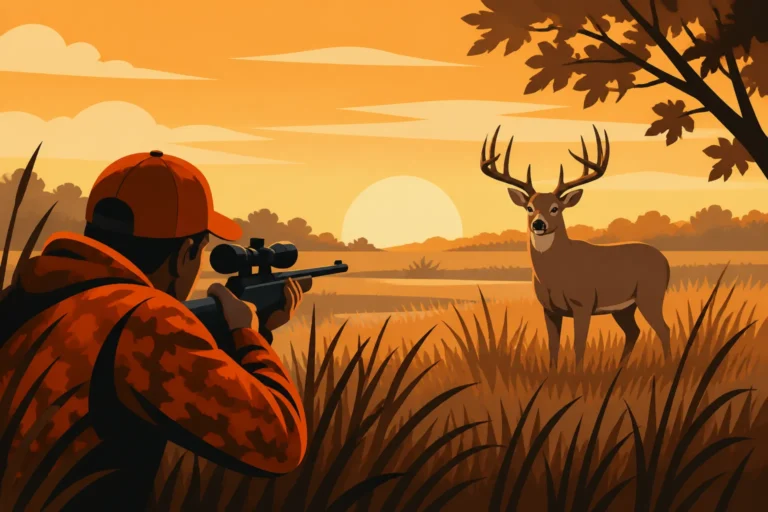
Hunting whitetails in the Flint Hills is a different ballgame compared to the timber-dense areas of eastern Kansas or the crop fields further west. Here, whitetails aren't necessarily hiding in vast tracts of woods; they're masters of using elevation, grass height, and subtle terrain features to remain hidden. Bucks in this region can grow quite large, benefiting from excellent nutrition provided by the diverse prairie flora and occasional agricultural patches on the fringe. However, finding them requires serious glassing and patience.
Instead of thick woods, deer often bed down in dense draws, sheltered sidehills, or even just in tall, mature bluestem grass that offers surprising concealment. They'll use the contours of the land to travel unseen, dipping into swales and creek beds to avoid detection. Hunters often find themselves covering significant ground, using binoculars and spotting scopes to pick apart distant hillsides. The rut here can be especially exciting, as bucks, when they're actively searching for does, are more exposed in the open landscape. Understanding Kansas Whitetail Hunting Tactics Through the Rut is crucial, but remember to adapt those tactics for the vastness of the Flint Hills.
The Iconic Greater Prairie Chicken
For many, the opportunity to hunt the Greater Prairie Chicken is the primary draw to the Flint Hills. This magnificent bird, a true icon of the tallgrass prairie, requires a very specific approach. Unlike pheasants that might hold tight in a plum thicket, prairie chickens are often found in large, open grass fields, sometimes miles from any significant cover. Their booming calls on their lek (breeding ground) in the spring are legendary, but hunting them in the fall and winter is a challenge all its own.
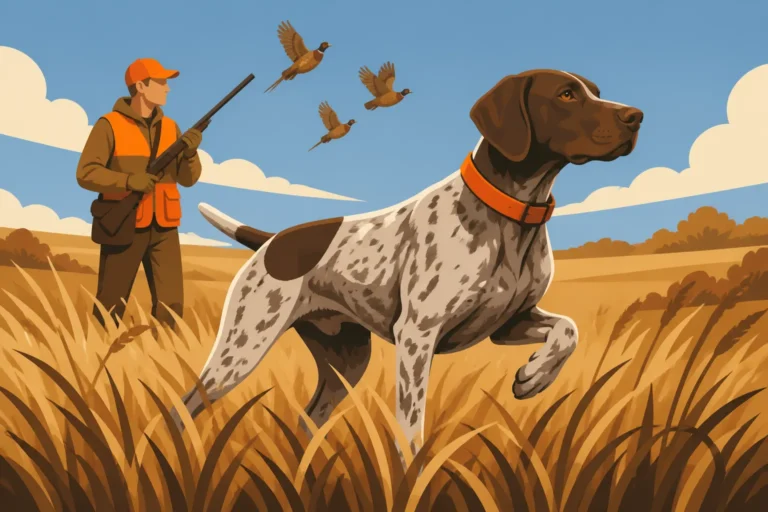
Locating prairie chickens involves extensive scouting, often driving miles of gravel roads at dawn and dusk to observe where they fly to and from. Once you've identified a general area, the hunt itself often involves long walks, working large blocks of grassland. When they flush, they do so with an explosive burst of wings and can fly for considerable distances, making follow-up shots or second flushes difficult. Success often hinges on having multiple hunters spread out to cover ground or using a good pointing dog that can hold birds tight enough for a shot. For a deep dive into the species, check out Kansas Greater Prairie Chickens of the Kansas Flint Hills.
Upland Birds: Pheasants and Quail
While the Flint Hills are not historically known as the absolute pheasant or quail mecca of Kansas, pockets of excellent hunting exist, especially where the prairie transitions into cultivated fields or where suitable shrubby cover is present. Pheasants tend to prefer the edges of agricultural fields, particularly milo or wheat stubble, mixed with tall grass. They also use the dense cover found along creek bottoms or in shelterbelts planted for windbreaks.
Quail, on the other hand, are often found in smaller coveys, utilizing plum thickets, brushy draws, and the edges where timber meets grassland. These birds thrive in diverse habitats that offer both dense escape cover and accessible food sources. Hunting them often involves walking these transition zones, focusing on the "edge habitat" where different types of cover meet. While you might not find the sheer numbers of pheasants or quail as in some western Kansas counties, the quality of the hunting and the beautiful backdrop of the Flint Hills make it a memorable experience. Keep an eye out for Quail Coveys in Plum Thickets as key indicators of bird presence.
| Game Species | Peak Hunting Season | Typical Flint Hills Habitat | Recommended Tactics |
|---|---|---|---|
| Whitetail Deer | October – December | Timbered creek bottoms, dense draws, tall grass | Spot-and-stalk, still hunting, stand hunting near water/timber |
| Greater Prairie Chicken | September – January | Expansive tallgrass prairie, rangeland | Long walks, spread-out lines, dogs, observing flight patterns |
| Pheasant | November – January | Field edges, shelterbelts, creek bottoms | Walking lines with dogs, blocking ends of cover |
| Bobwhite Quail | November – January | Plum thickets, brushy draws, transition zones | Working thickets with pointing dogs, focused walking |
| Turkey | April (Spring) / Oct-Nov (Fall) | Riparian timber, scattered woodlots, river breaks | Roosting, calling, run-and-gun (Spring) / pattern feeding (Fall) |
Navigating Public Access in the Flint Hills
One of the biggest hurdles for hunters in the Flint Hills is accessing land. Much of this iconic landscape is privately owned, primarily by ranching families. However, Kansas offers some fantastic public access programs and properties that, with careful planning and research, can provide incredible hunting opportunities. Knowing how to find and utilize these resources is paramount.
Kansas Walk-In Hunting Access (WIHA) in the Region
The Kansas Walk-In Hunting Access (WIHA) program is an absolute game-changer for public land hunters, and the Flint Hills region often has a good number of enrolled tracts. These are private lands leased by the state specifically for public hunting. What makes WIHA so valuable in the Flint Hills is that it often provides access to prime grassland and timbered draws that would otherwise be off-limits. However, WIHA tracts are typically managed for cattle grazing, so expect diverse conditions and, at times, livestock.
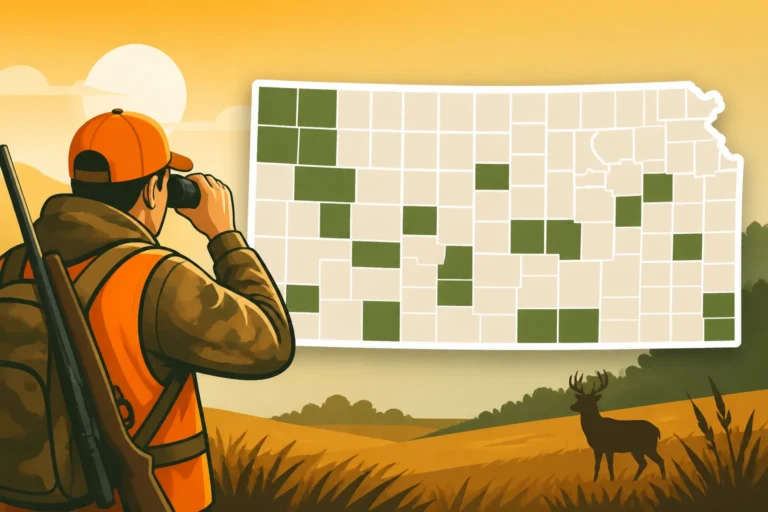
To effectively hunt WIHA in the Flint Hills, you absolutely need to consult the annual WIHA atlas, which details opening and closing dates, as well as specific rules for each tract. Digital tools like onX Hunt integrate WIHA boundaries, making it incredibly easy to see where you can legally hunt. Always be mindful of the specific regulations for each parcel, as they can vary. A key strategy is to Scouting Kansas Walk-In Tracts Before the Opener to identify potential hot spots, access points, and understand the terrain without disturbing game during the season. Remember that some WIHA tracts are "iWIHA," requiring an online check-in, which manages hunter density—a welcome feature in areas where pressure could be high.
State Wildlife Areas and Their Regulations
Beyond WIHA, Kansas also manages State Wildlife Areas (SWAs) which can offer significant hunting opportunities within or bordering the Flint Hills. These are permanently designated public lands, often centered around reservoirs, rivers, or unique ecological features. Examples might include areas like Tuttle Creek State Park & Wildlife Area or Melvern Wildlife Area, which feature extensive timber, grasslands, and water access. These areas are usually larger than individual WIHA tracts and can hold significant populations of deer, turkey, and upland birds.
Each State Wildlife Area has its own set of specific regulations, which can include special draw hunts, restrictions on vehicle access, or designated non-hunting areas. It's vital to check the Kansas Department of Wildlife and Parks (KDWP) website for the specific rules of any SWA you plan to hunt. While they offer consistent access, they can also experience more hunting pressure, especially on opening weekends or during the peak of the rut. Researching these areas in advance, and perhaps visiting during the off-season, can give you a significant advantage. Public Land Deer Hunting in Kansas discusses these opportunities in a broader context, but the principles apply directly to the Flint Hills SWAs.
The Role of Online Mapping Tools
In a region as vast and often featureless as the Flint Hills, online mapping tools are not just helpful; they are indispensable. Services like onX Hunt and GoHunt provide layers that show public land boundaries, WIHA tracts, topographic contours, satellite imagery, and even private landowner information. This allows you to e-scout from home, identifying potential access points, pinpointing key habitat features like isolated timber pockets, water sources, or deep draws, and planning your approach routes.
Using these tools, you can avoid trespassing, which is critical given the prevalence of private land. You can identify natural pinch points or funnels that might concentrate deer movement, even in seemingly wide-open country. For prairie chicken hunters, these maps are invaluable for identifying large blocks of suitable grassland. By leveraging the detailed information available, you can spend less time guessing and more time strategically hunting, maximizing your limited time in the field. They essentially allow you to "see" the land in a way that would be impossible with paper maps alone or even from the ground level.
Specialized Hunting Tactics for the Flint Hills
Hunting the Flint Hills requires a departure from many traditional methods. The open landscape, interspersed with critical water and timber features, demands unique strategies for each species. It’s a place where patience, good optics, and an ability to cover ground effectively will serve you well.
Spot-and-Stalk for Whitetails and Antelope
Spot-and-stalk is arguably the most effective method for hunting whitetail deer in the vastness of the Flint Hills, and it's practically a necessity if you're fortunate enough to draw an antelope tag in the very western reaches of the region. The open terrain, while challenging for concealment, also offers the advantage of long-range glassing. You can often see game from a mile or more away, allowing you to plan a methodical approach.
The key to successful spot-and-stalk here lies in understanding the terrain and using every dip, rise, and patch of tall grass to your advantage. Hunters spend hours perched on high points, systematically glassing distant hillsides and draws. Once game is spotted, the real chess match begins: planning a route that keeps you out of sight and downwind, often involving extensive detours. This can mean crawling, using creek beds, or even waiting for hours for the animal to move into a more favorable position. Patience is vital; a rushed stalk in this open country is almost always a failed one. Remember that even a seemingly small rise can hide you completely if used correctly.
Roosting and Running-and-Gunning for Turkeys
For spring turkey hunting in the Flint Hills, roosting birds the evening before and then employing aggressive run-and-gun tactics is often the most productive approach. Turkeys in the Flint Hills rely heavily on the timbered creek and river bottoms for roosting, as these are often the only tall trees available. Listening for gobblers as they fly up to roost at sunset, or fly down at first light, gives you a crucial starting point.
Once you've located a roosted bird, positioning yourself strategically before fly-down is key. As the birds hit the ground, if they don't come directly to your initial calls, don't be afraid to move. The term "run-and-gun" truly applies here. These turkeys often cover significant ground, especially when henned up or if a tom is shy. Being mobile, mimicking natural turkey sounds, and constantly trying to get ahead of or intercept moving birds through the draws and timber patches is often more effective than sitting in one spot all day. This is a topic thoroughly explored in Run-and-Gun Turkey Tactics on Kansas Walk-In Ground, and many of those principles transfer directly to the Flint Hills' unique terrain.
Working Large Grasslands for Upland Birds
Hunting pheasants, quail, and especially prairie chickens in the vast grasslands of the Flint Hills demands a concerted effort and an understanding of how these birds use the cover. For pheasants and quail, you'll be primarily focusing on the edges where grass meets crops, brushy draws, or isolated timber blocks. This often involves walking in lines with multiple hunters and dogs to push birds out of cover.
For prairie chickens, the scale is much larger. You're often walking miles of open prairie, relying on a good dog to find and hold birds, or simply pushing vast areas in hopes of flushing coveys. The birds are often in groups and will hold tight, but when they flush, they can be explosive and fly far. The tactics described in Prairie Chicken Hunting in the Flint Hills are invaluable for success here. Knowing how to efficiently work these large expanses, understanding the wind, and having a plan for retrieving downed birds in thick cover are all critical elements. It's physically demanding but incredibly rewarding when you finally get to see these magnificent birds take flight.
Challenges and Considerations for Flint Hills Hunters
Hunting the Flint Hills is an adventure, but it's not without its specific difficulties. Being prepared for these challenges isn't just about comfort; it's about safety and increasing your chances of success. From the unforgiving weather to the sheer scale of the landscape, understanding these hurdles is the first step to overcoming them.
Extreme Weather and Terrain Demands
The Flint Hills are known for their extreme and rapidly changing weather conditions. Summers can be brutally hot and dry, while winters can bring severe cold, ice, and heavy snow. Even during hunting seasons like archery in September, temperatures can swing wildly, making proper clothing choices crucial. The wind is a constant companion here, often strong and relentless, impacting everything from scent control to the perceived temperature.
Beyond the weather, the terrain, while not mountainous, is relentlessly rolling. You'll be walking up and down countless draws and hillsides, often through dense, tall grass that offers significant resistance. This means hunts can be physically demanding, requiring a good level of fitness. It's easy to get disoriented in the seemingly endless expanse of grass, so reliable navigation is essential. Always check the forecast thoroughly and pack layers, suitable for both hot sunshine and biting cold, perhaps even within the same day.
Water Availability and Hydration
In many parts of the Flint Hills, especially away from the major rivers and reservoirs, water sources can be sparse. While there are often stock ponds and small creeks, they may not be reliable in dry years, and it's generally not advisable to drink untreated surface water. For hunters, this means carrying ample water for yourself and any hunting dogs. Dehydration can quickly become a serious issue when covering extensive ground in potentially warm weather or working hard in cold conditions.
Planning your water needs is as important as planning your hunting route. Consider how much water you'll need for a full day afield, and perhaps stash extra water in your vehicle at strategic points if you're covering a large area. For multi-day hunts, ensuring you have a reliable supply of potable water is non-negotiable. This is especially true for early season bowhunts in September; always be thinking about hydration. Early-Season Bowhunting Over Water often centers around finding these critical resources.
Respecting Private Land Boundaries
Given that the vast majority of the Flint Hills is private ranchland, respecting property boundaries is not just a legal requirement but a fundamental ethical principle. Trespassing, even accidentally, can quickly sour relations between landowners and hunters, potentially jeopardizing future public access opportunities. This is where those online mapping tools like onX Hunt truly shine. They allow you to clearly see property lines and ensure you are only hunting where you have legal right, whether it's WIHA, SWA, or private land with explicit permission.
Always be aware of your surroundings, especially when moving through open country where fence lines might not be obvious, or markers could be sparse. The Kansas purple paint law signifies no trespassing, but not all landowners use it. When in doubt, err on the side of caution. Even retrieving a downed animal from private land requires permission. Building a reputation as a responsible and respectful hunter benefits everyone, preserving access to this incredible landscape for generations to come.
Essential Gear for a Flint Hills Hunt
Outfitting yourself properly for a Flint Hills hunt can make or break your experience. The unique challenges of the landscape—from its vastness to its variable weather—demand specific gear choices that prioritize durability, performance, and reliability. Don't skimp on the essentials; they are your best friends in this wild country.
Optics and Long-Range Equipment
In an environment where you can see for miles, quality optics are not a luxury; they are a necessity. A good pair of binoculars, at least 10×42, is essential for constantly glassing the rolling terrain for subtle movements or hidden animals. For serious spot-and-stalk hunting, especially for deer or antelope, a high-quality spotting scope (20-60x or similar) on a stable tripod becomes invaluable. It allows you to definitively identify animals, judge their size, and determine their exact location without spooking them by moving closer.
Rangefinders are equally critical. With such open country, judging distances accurately can be incredibly difficult, and a few yards can mean the difference between a clean kill and a missed shot or worse. Whether you're bowhunting or rifle hunting, knowing your exact yardage to target is paramount. For rifle hunters, understanding external ballistics and having a rifle sighted in for longer ranges is also a strong advantage. These tools, used in conjunction, allow you to hunt effectively and ethically across the vast distances the Flint Hills often present.
Footwear and Clothing for Rugged Terrain
Your feet will be your most important asset in the Flint Hills. Invest in high-quality, comfortable, and waterproof hiking boots that offer excellent ankle support. You'll be covering many miles, often through uneven terrain and potentially wet grass, so blisters and wet feet are the last thing you want. Break in your boots well before your hunt! Pairing them with good quality merino wool socks will help manage moisture and prevent rubbing.
Clothing should be durable, quiet, and layered to adapt to the unpredictable Kansas weather. A good base layer, insulating mid-layers, and a waterproof/windproof outer shell are critical. Blaze orange may be required during certain firearm seasons, so always check regulations. Forget heavy, cumbersome clothing; think about moisture-wicking fabrics that move with you and dry quickly. A comfortable, supportive backpack is also a must for carrying water, optics, layers, and any game you might harvest.
Navigation and Communication Tools
Getting lost in the rolling, often featureless grasslands is a real possibility, especially in low light or fog. A reliable GPS device or, more commonly these days, a smartphone app like onX Hunt with downloaded maps, is absolutely essential. These tools not only show your location and property lines but also allow you to mark waypoints, track your route, and navigate back to your vehicle or camp. Always carry a portable power bank for your phone, as constant use of mapping apps drains batteries quickly.
Communication in remote areas can also be challenging. Cell service in parts of the Flint Hills can be spotty or non-existent. Consider carrying a satellite messenger device (like a Garmin inReach or similar) if you're venturing far afield alone or in very remote areas. This allows you to send emergency messages and check in with loved ones even without cell service. Always leave a detailed trip plan with someone responsible, outlining your hunting area, expected return time, and who to contact if you don't check in. Leaving a Trip Plan for a Public Hunt is a crucial safety measure that should never be overlooked.
Conservation and Responsible Hunting Practices
Hunting in the Flint Hills is a privilege that comes with significant responsibilities. This unique ecosystem, while resilient, is also fragile and requires thoughtful stewardship. Practicing responsible hunting not only ensures the health of wildlife populations but also preserves the access and traditions for future generations of hunters.
Understanding the Importance of Prescribed Burns
One of the defining features of the Flint Hills is the practice of prescribed burning. Ranchers regularly burn portions of their grasslands in the spring to remove old, dead growth, control invasive species, and stimulate fresh, nutritious new grass for cattle. This ancient practice, mimicked from the bison and lightning fires of centuries past, is vital for maintaining the health of the tallgrass prairie ecosystem. For hunters, it means that the landscape you see one year might look completely different the next.
These burns, while beneficial, can temporarily displace game or alter their movements. Deer and turkeys might shy away from recently burned areas until new growth emerges, while upland birds might shift their nesting locations. Savvy hunters learn to adapt to these changes, understanding that different stages of regrowth offer different types of cover and forage. Recognizing where a burn occurred and how recently can greatly influence your scouting and hunting strategies, leading you to unburned pockets that provide refuge for wildlife or to areas of fresh growth that attract grazers. Flint Hills Burning and Prairie Chickens directly touches on the impact of these crucial management practices.
Ethical Harvest and Game Management
As hunters, we are critical to the management and conservation of game species. In the Flint Hills, this means adhering strictly to bag limits, season dates, and specific permit regulations for each species. For deer, understanding antlerless permit opportunities is key for herd management. Kansas Antlerless Hunts and Filling the Freezer plays an important role in balancing deer numbers with the carrying capacity of the land. Taking only what is legal and appropriate ensures that populations remain healthy and sustainable.
Ethical harvest also extends to shot placement and recovery efforts. In such open country, a wounded animal can be incredibly difficult to track, especially through dense grass. Taking the time to ensure a clean, ethical shot and diligently pursuing any wounded game is a fundamental responsibility. This may mean investing in advanced blood trailing skills or using a tracking dog, where legally permitted. The vastness of the Flint Hills makes every shot decision critical.
Leaving No Trace and Respecting the Land
The "Leave No Trace" principles are particularly poignant in an area as wild and pristine as the Flint Hills. This means packing out everything you pack in, including spent shell casings, food wrappers, and any other trash. Do not leave behind treestands, ground blinds, or other equipment unless explicitly allowed and within regulations, especially on public WIHA tracts or State Wildlife Areas. Leaving No Trace on Walk-In Ground is more than just a guideline; it's a code of conduct.
Beyond physical litter, respecting the land also involves minimizing your impact on the habitat. Drive only on designated roads, avoid creating new trails, and be mindful of sensitive areas. When crossing fences, do so carefully to avoid damage. Remember, whether on public or private land, we are guests in this incredible landscape. Our actions as hunters directly reflect on the entire hunting community, and upholding a standard of respect and responsibility is crucial for preserving hunting opportunities in the Kansas Flint Hills.
Disclaimer
This article is for general informational purposes only and does not constitute professional advice. Laws, prices and regulations vary by location and change over time. Consult a qualified professional for guidance on your specific situation.