Coyote Behaviour in Farm Country
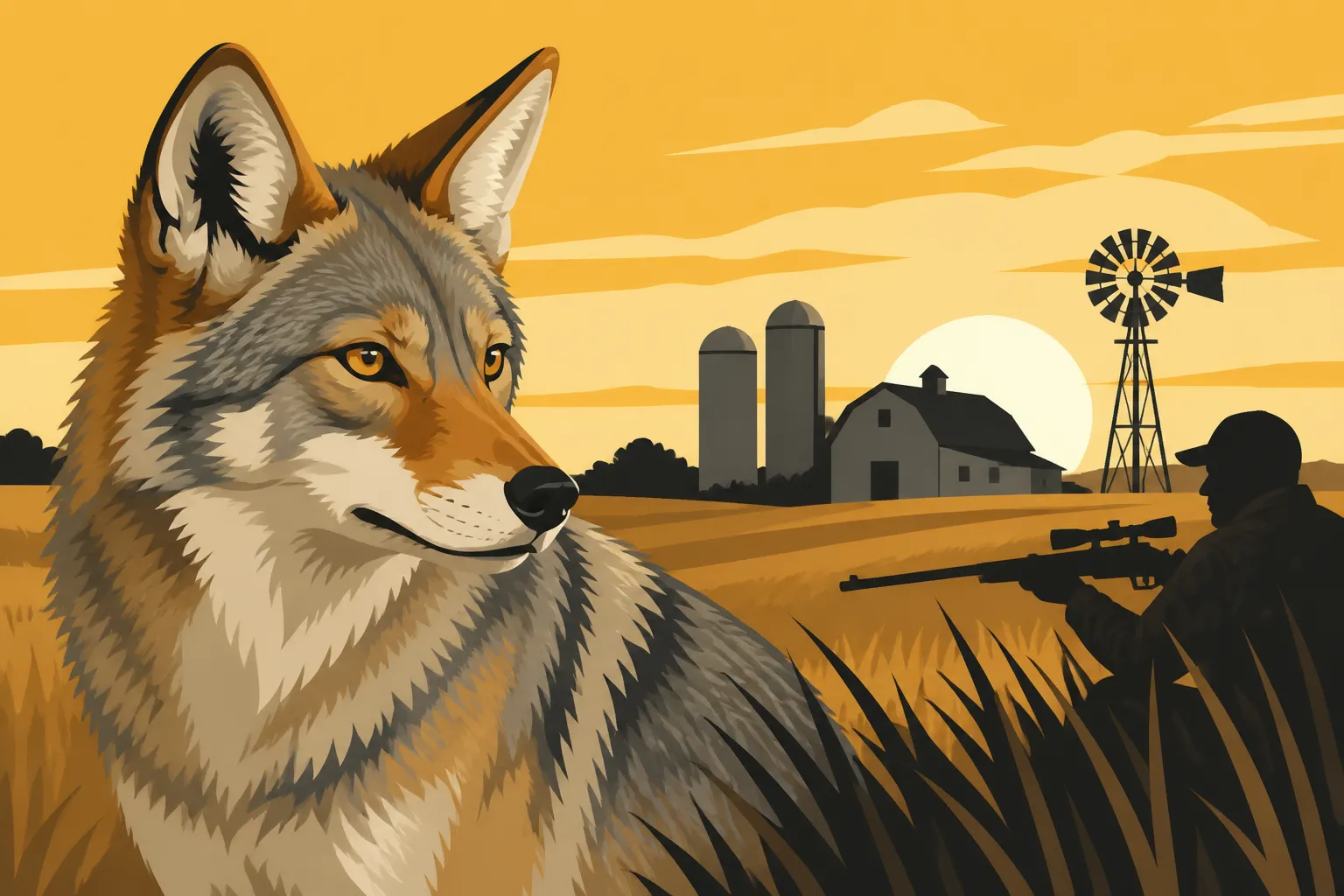
Living in Kansas farm country means coexisting with a myriad of wildlife, and few animals evoke as much curiosity and frustration as the coyote. These incredibly adaptable predators are an integral part of our landscape, but understanding their complex behavior can feel like trying to solve a puzzle, especially when you're trying to protect livestock or simply want to improve your hunting success. This guide aims to demystify the cunning ways of the Kansas coyote, offering a deep dive into their habits, seasonal shifts, and how they interact with our agricultural world, helping you better understand and coexist with these resourceful canids.
Understanding Coyote Adaptability in Kansas Farm Country
Coyotes thrive in Kansas farm country not by accident, but because they are masters of adaptation. They've learned to exploit every niche our agricultural landscape offers, making them incredibly resilient survivors. Their very presence speaks to their intelligence and resourcefulness.
The Opportunistic Hunter: Diet and Food Sources
One of the primary reasons coyotes flourish in Kansas is their incredibly varied diet. They are true omnivores, meaning they'll eat just about anything to survive, and our farm country provides a smorgasbord of options. From abundant rodent populations like voles, mice, and gophers scurrying through crop rows, to the swift cottontail rabbits and jackrabbits that hide in grassy cover, these small mammals form the backbone of a coyote's diet.
But their opportunism doesn't stop there. During fawning season, young deer become a crucial food source, and older, weaker deer or carrion left from harvest or other natural causes are quickly consumed. Insects, especially grasshoppers in the summer months, supplement their diet, as do berries, fruits, and even certain grasses when other options are scarce. This flexible menu means that even if one food source dwindles, coyotes can quickly pivot to another, minimizing the impact of environmental changes. Think about a field after harvest; the leftover grain, spilled silage, and displaced rodents all become prime targets for a hungry coyote family. This adaptability is what makes them such a persistent presence, often to the chagrin of landowners who discover them investigating chicken coops or lambing pens.
Social Structure and Territory in Open Landscapes
While often portrayed as solitary creatures, coyotes in Kansas farm country exhibit a surprisingly complex social structure. They are not always lone wolves; often, you'll encounter a breeding pair that maintains a territory year-round, sometimes with their offspring from the previous year acting as "helpers" in raising the current litter. These family units work together to hunt, defend territory, and raise their young. A typical territory size can vary greatly depending on food availability and coyote density, but in open farm country, they often require larger ranges to sustain themselves.
They communicate through a rich vocabulary of howls, yips, and barks, which serve various purposes: locating family members, advertising territory, warning off intruders, or simply expressing excitement. Marking their territory with urine and scat is also a common practice, essentially leaving a "scent post" message for other coyotes passing through. Understanding these vocalizations can be key for hunters. If you hear a distant chorus, it's often a family group announcing their presence, or perhaps individuals trying to locate each other. A lone howl might be a coyote searching for a mate or simply checking in. Recognizing these patterns, perhaps with the aid of a mapping tool like those offered by GoHunt, can give you valuable insight into how many coyotes are present and where their core areas might be.
Sensory Prowess: Sight, Sound, and Scent
Coyotes possess an incredible suite of senses that make them exceptionally difficult to approach, whether you're trying to observe them or hunt them. Their hearing is phenomenal, capable of detecting the slightest rustle of a mouse under snow or the distant squeak of a rabbit in distress. This acute hearing allows them to pinpoint prey from afar and avoid danger long before it's visible.
Their eyesight, while not as often lauded as their hearing or smell, is also very keen, particularly at dawn and dusk when they are most active. They are adept at detecting movement, even subtle shifts in cover. This means still-hunting them requires extreme stealth and often calls for moving during periods of low light or adverse weather.
But perhaps their most formidable sense is smell. A coyote's nose is a highly sophisticated instrument, capable of detecting odors at incredibly low concentrations and discerning a vast array of information from a single whiff. They can smell a hidden den, detect the presence of prey, or identify a human intruder long after they've passed through an area. This is why scent control is paramount for coyote hunters and why they so quickly learn to avoid areas where human scent persists. Imagine a coyote trotting along a field edge, its nose constantly sifting through the air, piecing together a detailed picture of who or what has been in the area recently. This keen sense makes them particularly wary of anything out of the ordinary.
Seasonal Shifts in Coyote Behavior and Activity
Just like deer or turkeys, coyote behavior isn't static; it ebbs and flows with the seasons, driven by biological imperatives like breeding and raising young, and external factors like food availability and weather. Understanding these shifts is critical for predicting their movements and activities throughout the year.
Winter Aggregation and Breeding Season Dynamics
As the harsh Kansas winter sets in, often with its biting winds and occasional snow, coyotes frequently adjust their social dynamics. You might start seeing larger groups of them, sometimes called packs, though these are typically extended family units rather than the complex hierarchical packs of wolves. They aggregate to more efficiently hunt larger prey, conserve warmth, and, most importantly, for breeding.
The breeding season for coyotes typically runs from late January through March, with a peak in February. During this time, vocalizations increase significantly. You'll hear more of those eerie group howls, yips, and barks as males and females seek out mates. Males become more aggressive and territorial, often fighting over females. This is a period of heightened activity and vulnerability for coyotes, as they are focused on reproduction. Hunters often find success during this time by mimicking breeding calls or distress sounds, as coyotes are more likely to respond due to their territorial instincts or hunger. Their movements may become more predictable around established territories as pairs solidify their bonds and begin to seek out denning locations.
Springtime Pup-Rearing and Denning Habits
Spring brings warmer weather and the critical period of pup-rearing, which usually occurs from March to May. Coyote dens are often well-hidden, typically in dense brush, old culverts, rock piles, hollow logs, or even abandoned badger or fox burrows. The female will typically give birth to a litter of four to seven pups, and both parents are incredibly protective and vigilant during this time.
The adults' primary focus shifts entirely to finding enough food to feed their growing family. This translates into increased hunting activity throughout the day, not just at night. This is also when young fawns and nesting game birds become particularly vulnerable. A farmer's newly born lambs or calves are also at higher risk as coyotes, driven by the intense need to provide for their pups, may take greater risks to find an easy meal. Scouting for Creek Crossings Worth Hanging a Stand On or Cedar Thickets as Bedding Cover might also reveal areas where coyotes could be denning, especially if they offer secluded, elevated spots for lookout.
Summer Dispersal and Young Coyote Learning
By late summer, typically around July and August, the coyote pups are larger, more mobile, and begin to accompany their parents on hunts. This is a critical learning period for the young, as they hone their hunting skills and learn the intricacies of their territory. As they mature, often in the fall, these young coyotes will begin to disperse, leaving their birth territory to establish their own. This dispersal can lead to coyotes showing up in new areas, sometimes far from where they were born.
During the summer, vocalizations may be less frequent as family units are often together and focused on hunting. Individual coyotes or small family groups might be encountered more often. Their diet will lean heavily on easily accessible prey like grasshoppers, young rodents, and whatever seasonal fruits are available. For hunters, summer can be a challenging time for calling, as coyotes may be more spread out and less responsive to calls, although the younger, less experienced coyotes might still be curious enough to investigate.
Fall Resource Exploitation and Preparation for Winter
As autumn arrives in Kansas, characterized by the changing colors of the landscape and the bounty of the harvest, coyote behavior shifts once more. This is a crucial time for building up fat reserves in preparation for winter. Crop fields, especially those of corn and milo, become prime hunting grounds. The standing crops offer excellent cover for coyotes, while the abundant rodent populations that feast on dropped grain become an easy meal. After the harvest, the stubble fields reveal the hidden prey, and coyotes will systematically patrol these areas.
Coyotes also begin caching food during this period, burying excess prey to be retrieved later when food becomes scarcer. This behavior demonstrates their foresight and adaptability. You might find them more active during daylight hours in fall as they capitalize on the abundance of food sources. This is also a good time to consider hunting them, as their focus on feeding makes them more likely to respond to distress calls from potential prey. Observing Milo and Corn Stubble Deer Patterns can also provide insights into where coyotes might be frequenting, as deer and coyotes often share these productive feeding areas.
| Season | Primary Activity | Social Structure | Key Behaviors for Hunters |
|---|---|---|---|
| Winter (Jan-Feb) | Breeding, larger pack hunting | Extended family groups, breeding pairs | Increased vocalizations, territorial, focused on finding mates. Good time for calling. |
| Spring (Mar-May) | Pup-rearing, denning | Breeding pair, highly protective | Increased hunting to feed pups, vulnerable to calls, less responsive if den is threatened. |
| Summer (Jun-Aug) | Pups maturing, dispersal | Small family units, individuals | Young learning to hunt, less vocal, focus on easy prey. Challenging for calling. |
| Fall (Sep-Dec) | Resource exploitation, caching | Family units, increasing pack size | Heavy feeding, targeting crop fields, preparing for winter. Good time for calling. |
Coyote Impact on Farm Operations and Local Wildlife
While fascinating, the prevalence of coyotes in Kansas farm country isn't without its challenges, especially for those managing livestock or concerned about local wildlife populations. Their opportunistic nature means they will capitalize on any available food source, which can lead to direct conflicts.
Predation on Livestock and Poultry
This is often the most significant point of contention between coyotes and landowners. While coyotes primarily subsist on rodents and other small game, they are not above taking easy meals, and domestic animals can unfortunately fall into this category. Sheep, goats, and poultry are particularly vulnerable, especially young animals. Calves, though larger, can also be targeted, especially if they are newborns or weakened. The frustration for farmers and ranchers is immense, as a single coyote or a small group can cause significant economic losses and emotional distress.
Prevention is often the best strategy, ranging from secure fencing and night pens for smaller livestock, to guard animals like dogs, llamas, or donkeys. Some operations might even consider advanced deterrents or specific management practices to minimize risk. It's a constant battle of wits and resources, and understanding Kansas Coyote Population dynamics can help in assessing local threats. When livestock depredation becomes a chronic issue, direct coyote management may be considered, but it's a complex topic with many factors at play.
Influencing Deer and Upland Bird Populations
Beyond domestic animals, coyotes exert a natural predatory influence on wild game populations, particularly deer and upland birds. When it comes to deer, coyotes are known to prey on fawns. While healthy adult deer can generally outrun or defend themselves against coyotes, fawns are vulnerable in their first few weeks of life, often relying on camouflage and remaining still. A significant coyote population could, in certain localized areas, contribute to fawn mortality, though research often shows a complex interplay of factors, including habitat quality and disease.
For upland birds like pheasants and quail, coyotes are primarily nest predators, consuming eggs and sometimes young chicks. They also prey on adult birds, especially those that are injured or less vigilant. This natural predation is part of the ecological balance, but when game bird populations are already struggling due to habitat loss or severe weather, high coyote numbers can exacerbate the problem. It’s a dynamic relationship, and the impact often depends on the overall health of the prey species and the availability of alternative food sources for the coyotes. Understanding Kansas Pheasant Population Cycles and Quail Numbers After a Wet Spring helps paint a fuller picture of these interactions.
Reading Coyote Sign and Predicting Movement for Hunters
For hunters, successfully pursuing coyotes means becoming a detective, reading the subtle signs they leave behind and predicting their movements. This requires a keen eye and a deep understanding of their habits, often learned through experience and leveraging modern tools.
Key Indicators: Tracks, Scat, and Vocalizations
The easiest way to confirm coyote presence is by finding their tracks. Coyote tracks are typically more oval and compact than domestic dog tracks, with visible claw marks and often a clear "X" shape formed by the two front and two rear pads. They also tend to walk in a straight line, placing their hind feet in the prints of their front feet, a trait known as "direct registering." Learning to distinguish these from dog tracks is crucial. You'll often find them along field edges, dirt roads, creek beds, and game trails.
Scat (droppings) is another excellent indicator. Coyote scat often contains hair, bones, and sometimes seeds or berries, reflecting their varied diet. The presence of hair and bone fragments indicates a carnivorous meal, and the size and shape can also offer clues. Finding scat on prominent objects like rocks or small mounds often signifies territorial marking.
Finally, vocalizations are perhaps the most exciting and informative sign. Coyotes are incredibly vocal, especially during certain times of the year, like the breeding season or when pups are young. Their howls, yips, barks, and growls all convey different messages. A lone howl might be a coyote advertising its presence or looking for companions. A chorus of yips and howls often indicates a family group. Understanding these sounds can help you locate coyotes from a distance and even gauge their mood or intentions, which is vital for effective calling. Listening for these calls at dawn or dusk can be a productive way to Coyote Calling in Open Kansas Country.
Locating Travel Corridors and Den Sites
Coyotes, like most animals, are creatures of habit. They will utilize the path of least resistance and areas that offer security while they travel. In flat Kansas farm country, this often means specific terrain features become crucial travel corridors. Creek bottoms and draws, even if dry, offer cover and natural routes through open fields. Shelterbelts and timber points provide cover, connecting larger blocks of habitat. Field edges, especially those bordering dense cover like CRP or timber, are highways for coyotes. Understanding Shelterbelt Ends and Buck Travel can also shed light on coyote travel, as they often use the same corridors as deer.
When scouting, look for these natural funnels and edges. Fresh tracks, scat, and even disturbed vegetation can indicate regular use. Den sites, as mentioned earlier, are typically found in secluded, well-hidden locations that offer protection from the elements and predators. Look for concentrated signs of activity, like tracks leading to a thicket, or an unusually strong animal odor in a dense patch of cover. During spring, if you hear persistent barking or a specific type of vocalization from a particular area, it could indicate a den.
Utilizing Technology for Scouting and Hunting
In today's hunting world, technology can be a powerful ally in understanding and pursuing coyotes. GPS mapping apps, like those found on GoHunt's platform, allow you to overlay property lines, topo maps, and aerial imagery, helping you identify potential travel corridors, pinch points, and cover areas from the comfort of your home. You can mark observed coyote sign, potential den sites, and even plan your access routes to avoid detection. This type of e-scouting can save countless hours in the field.
Trail cameras, while typically associated with deer hunting, can be incredibly effective for coyotes. Placing them on well-used game trails, near scent posts, or over bait stations (where legal) can provide invaluable intel on coyote presence, travel patterns, and even social dynamics. You can learn when they are most active in a particular area, whether they are lone individuals or family groups, and how they react to different stimuli. This data can inform your calling strategies, helping you choose the best stand locations and calling sequences. Remember to check Night Hunting Rules for Coyotes in Kansas as many areas allow specific methods for calling after dark, which can be particularly effective. For a deeper understanding of hunting pressure and how it affects animals, consider reading Hunting Pressure Patterns on Kansas Public Land, which applies to coyotes just as much as deer.
Successfully hunting coyotes in Kansas farm country is a rewarding challenge that demands patience, observation, and a good grasp of their behavior. Whether you're aiming to manage their numbers to protect livestock or simply enjoy the thrill of the chase, understanding these cunning canids is your greatest asset.
Disclaimer
This article is for general informational purposes only and does not constitute professional advice. Laws, prices and regulations vary by location and change over time. Consult a qualified professional for guidance on your specific situation.