Elk Herd Growth Near Fort Riley
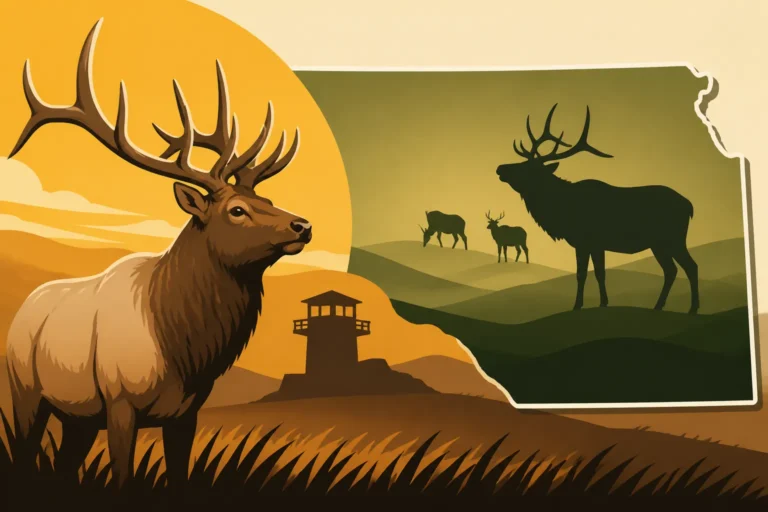
For many Kansas hunters, the idea of chasing elk within our state borders might sound like a dream, or perhaps even a tall tale. But the truth is, a remarkable success story has been unfolding right here in the heart of the Flint Hills, specifically surrounding Fort Riley. This guide aims to pull back the curtain on how this once-uncommon sight has become a thriving, managed herd, offering a rare and coveted opportunity for dedicated hunters.
The Unexpected Return of Kansas Elk
For generations, elk were a ghost from Kansas's past, a majestic animal that once roamed our vast prairies but vanished with westward expansion and unchecked hunting. Most folks figured if you wanted to hunt elk, you'd pack your bags for the Rockies. Imagine the surprise, then, when small herds began to establish themselves again, primarily centered around the expansive, protected lands of Fort Riley. It wasn't a formal reintroduction program that brought them back in the way some states have done; rather, it was a more organic, gradual process of animals migrating in from neighboring states or escaping from captive herds that eventually found sanctuary and suitable habitat within the military installation.
A Natural Resurgence and Fort Riley's Role
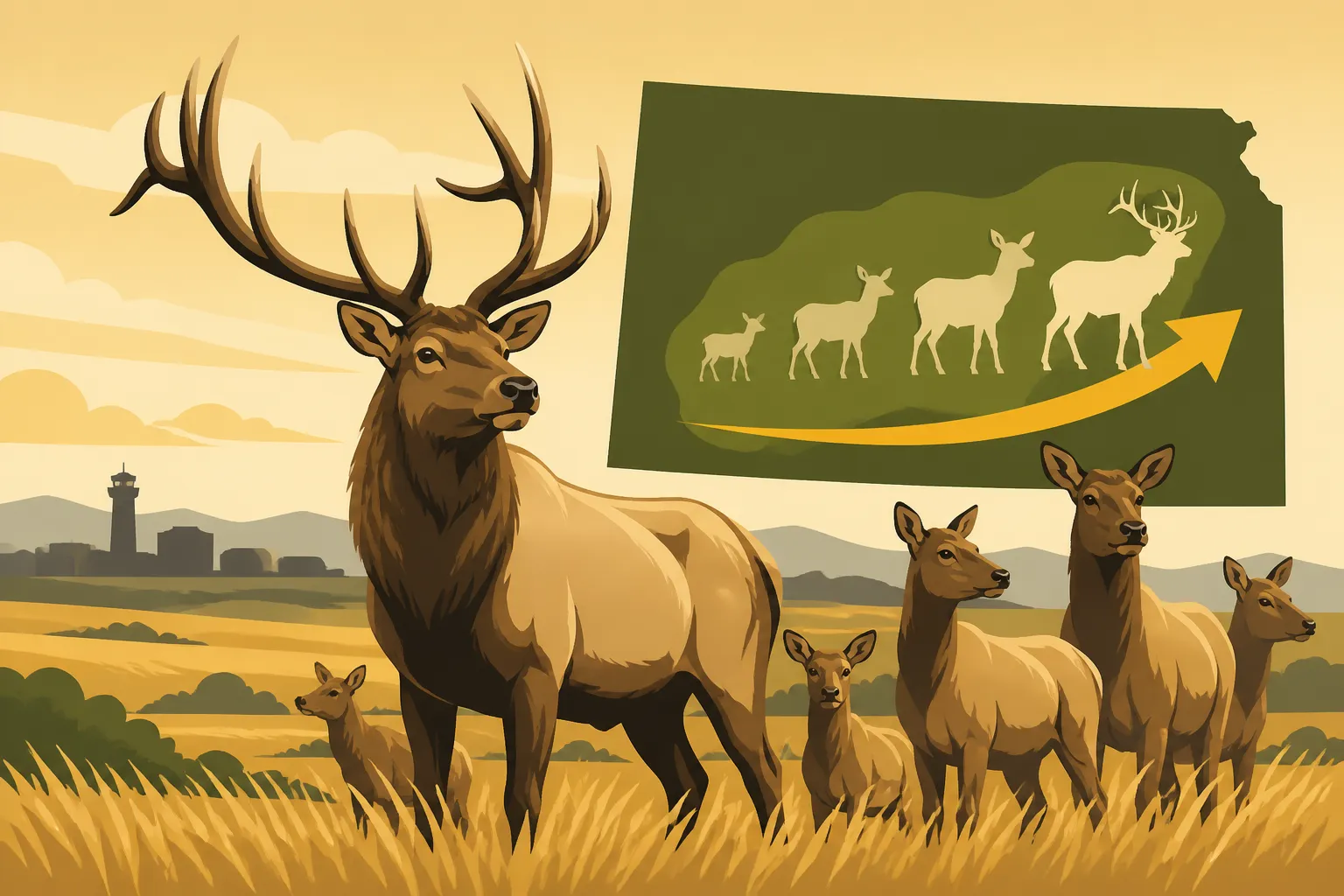
The sheer size and limited public access of Fort Riley created an ideal haven. Unlike the open prairies where their ancestors faced relentless pressure, Fort Riley offered vast tracts of timber, rolling hills, and secluded grasslands – perfect cover and feed for these magnificent animals. This wasn't something that happened overnight; it was a slow, quiet establishment over decades. Initially, sightings were rare, almost folklore among local hunters and military personnel. But as time went on, and the protection afforded by the base allowed them to breed and flourish largely undisturbed, the herd began to grow. This growth became undeniable, shifting elk from a historical footnote to a tangible, exciting part of Kansas's wildlife narrative. The command on Fort Riley, recognizing the unique resource they had, began to work with state wildlife agencies to manage this burgeoning population, understanding its significance both ecologically and recreationally.
Early Days and Public Awareness
In those early days, the primary challenge wasn't just managing the elk, but managing the excitement and curiosity they generated. Hunters, naturally, were eager to learn more. The idea of "Kansas elk" quickly became a topic of conversation in sporting goods stores and coffee shops across the state. The Kansas Department of Wildlife, Parks and Tourism (KDWP) began collecting data, tracking herd movements, and understanding the genetics and health of these animals. It was a learning curve for everyone, adapting to the presence of an animal once thought lost forever. This growing awareness eventually paved the way for controlled hunting opportunities, something that seemed unimaginable just a few short decades ago.
Factors Contributing to Elk Population Growth
The success of the Fort Riley elk herd isn't just luck; it's a testament to a combination of favorable conditions and careful management. Several key factors have converged to allow this population to thrive and even expand.
Protected Habitat and Abundant Resources
Fort Riley itself is the linchpin. Covering over 100,000 acres, much of it undeveloped and restricted from civilian access, it provides an unparalleled sanctuary. The base's diverse landscape includes dense timber, riparian areas along the Kansas River, vast native grasslands in the Flint Hills, and even some agricultural fields. This mosaic offers everything an elk needs: year-round forage, ample water sources, and critical bedding cover away from human disturbance. The military operations, while impactful in some ways, also mean that large tracts remain relatively untouched by continuous recreational pressure, creating zones where elk can live out their lives with minimal interruption. This effectively mimics the remote wilderness areas where elk typically thrive, but right here in Kansas.
Limited Hunting Pressure and Strategic Management
Unlike deer, where tags are more readily available, Kansas elk permits are among the most difficult to draw, making the Kansas Elk Permits and Fort Riley Hunts a truly sought-after prize. The KDWP, in conjunction with Fort Riley, issues only a handful of permits each year. This extremely limited harvest ensures that the herd maintains a healthy age structure and breeding potential. It's a precise balancing act: allowing some hunting to manage numbers and provide recreation, but not so much that it negatively impacts the population. This low-pressure environment contrasts sharply with elk herds in other states that face higher harvest rates, allowing Fort Riley's elk to reach maturity and contribute significantly to herd growth. The limited access on the base also plays a huge role; only hunters with specific permits and escorts can pursue elk, which prevents widespread disturbance.
Forage, Water, and Climate Advantages
Kansas, particularly the Flint Hills region, is known for its rich, nutritious grasses. While known for cattle, these same grasses, alongside browse from timbered areas, provide an excellent diet for elk, promoting good body condition and antler growth. Water is also generally abundant, with numerous creeks, rivers, and ponds scattered across the landscape. The Kansas climate, while having its extremes, is generally suitable. Mild winters typically mean less winter kill compared to harsher mountainous regions, and productive springs and summers ensure lush forage. Furthermore, the relative absence of large predators like wolves or grizzly bears, which would naturally prey on elk calves and weaker adults in western states, contributes to higher survival rates within the Kansas herd.
Let's summarize some of these contributing factors:
| Factor | Description | Impact on Elk Growth |
|---|---|---|
| Protected Habitat | Vast, undeveloped military land with diverse terrain (timber, grassland, riparian areas). | Provides sanctuary, excellent cover, and varied food sources. |
| Limited Human Disturbance | Restricted civilian access to much of Fort Riley; military activities often localized. | Reduces stress on elk, allowing natural behavior and breeding success. |
| Abundant Forage & Water | Rich Flint Hills grasses, browse, and numerous water sources. | Supports healthy body condition, successful reproduction, and antler development. |
| Controlled Hunting | Extremely limited, draw-only permits with precise harvest goals. | Ensures a healthy age structure and strong breeding potential, minimal impact on herd. |
| Low Predation | Absence of major natural elk predators (wolves, grizzlies). | Higher calf and adult survival rates, leading to faster population growth. |
| Favorable Climate | Generally milder winters compared to mountain elk ranges. | Reduces winter mortality and improves overall herd health. |
Management through the Kansas Deer Permit System
While it's elk we're talking about, the overall framework for how KDWP manages big game, including drawing permits, is similar to how deer are handled. Understanding how to apply for Kansas Deer Permits and the Nonresident Draw gives you insight into the competitive nature of any draw in this state. Using tools like GoHunt can provide insights into draw odds and help hunters strategically choose units for various species, though for elk, the units are highly specialized to Fort Riley and the surrounding zone. This meticulous approach to managing permits helps ensure that the growth of the herd is sustainable and doesn't overwhelm the available resources.
Challenges and Management of the Fort Riley Elk Herd
Even with such a success story, managing a growing elk herd in a state not traditionally known for them comes with its own unique set of challenges. It's not just about letting them run wild; it's about finding a balance that supports the elk, the ecosystem, and the surrounding human populations.
Balancing Growth with Ecological Capacity
One of the primary concerns for any wildlife manager is ensuring that a population doesn't grow beyond the carrying capacity of its habitat. While Fort Riley is vast, it's not infinite. Too many elk could lead to overgrazing, impacting native plant communities and potentially even competing with other species, including white-tailed deer. Kansas Whitetail Deer and Why They Grow Big are already abundant, and managers need to consider the broader ecosystem. Overpopulation can also increase the risk of disease transmission, a constant worry for any concentrated wildlife population. The KDWP and Fort Riley constantly monitor herd health and population trends to make informed decisions about herd reduction or expansion targets through hunting permits.
Elk Expansion Beyond Fort Riley's Borders
Elk, by their very nature, are wanderers. As the herd on Fort Riley grows, it's inevitable that some animals will venture off the military installation. While exciting for wildlife enthusiasts, this can create challenges for local landowners. Elk are large animals and can cause significant damage to crops, fences, and hayfields. They also pose a potential traffic hazard on roadways. When discussing Public Land Deer Hunting in Kansas or any other species, we often think about boundaries, but elk don't read property lines. The KDWP has programs in place to address depredation issues and works with landowners to mitigate conflicts, but it's a persistent challenge as the herd expands its range.
Hunting Opportunities and Collaborative Management
The system for obtaining a Kansas elk permit is extremely competitive, often requiring many preference points. This makes Kansas Preference Points Explained a critical topic for anyone hoping to draw one of these rare tags. The Fort Riley elk hunts are tightly controlled, with specific regulations and often requiring an escort by Fort Riley personnel. This collaboration between the KDWP and the military base is crucial. They work together to set permit numbers, define hunting zones, and ensure safety for both hunters and military operations. It's a complex dance of conservation, recreation, and military readiness, requiring continuous communication and adaptation. These hunts are truly an experience, whether you're after a majestic bull or an antlerless elk to fill the freezer, something covered in Kansas Antlerless Hunts and Filling the Freezer for deer, but the principle applies to elk as well.
Public Perception and Coexistence
The public's view of elk in Kansas is generally positive, especially among hunters. However, for those living near Fort Riley, particularly agricultural producers, elk can sometimes be viewed as a nuisance. Educating the public about elk behavior, management strategies, and the overall ecological benefits of a healthy elk population is an ongoing effort. Promoting coexistence and addressing legitimate concerns from landowners is vital to the long-term success and acceptance of the Kansas elk herd. It’s a delicate balance of celebrating a wildlife success story while managing the real-world impacts on communities.
The Future of Kansas Elk Hunting and Management
What does the future hold for these magnificent animals in the Sunflower State? The outlook is generally positive, but it requires continued vigilance, sound scientific management, and a flexible approach to the evolving landscape.
Long-Term Outlook for the Fort Riley Herd
The Fort Riley elk herd appears to be stable and healthy, with good recruitment rates. The protective environment of the military reservation remains its core strength. While dramatic population explosions are unlikely given the limited habitat and management goals, a sustained, healthy population seems well within reach. This stability means that the rare hunting opportunities will likely continue, allowing a select few hunters each year to pursue an elk in Kansas. Monitoring disease, habitat quality, and herd genetics will remain key pillars of management. The KDWP often releases annual reports and population estimates, which can be helpful for understanding Kansas Elk Herd History and predicting future trends.
Enduring Opportunities for Dedicated Hunters
For the hunter, drawing a Kansas elk tag is a once-in-a-lifetime event for most. It requires patience, persistence in applying, and a good understanding of the draw system. But for those who are successful, it offers an unparalleled adventure close to home. These hunts are truly unique, often conducted in an environment unlike typical elk hunts in the rugged mountains of the West. It's an opportunity to connect with a piece of Kansas's revitalized natural heritage. Whether you're planning for Muzzleloader Deer Hunting in Kansas's September Season or considering the general firearm season, the commitment to applying for and preparing for an elk hunt is on another level. Using resources like the GoHunt platform can help track application deadlines, draw odds, and provide research tools for those aspiring to hunt this majestic animal.
The Role of Conservation and Adaptive Management
The continued presence and health of the Fort Riley elk herd highlight the importance of conservation efforts and adaptive management strategies. Wildlife management is never static; it requires constant evaluation, research, and willingness to adjust based on new data and changing conditions. This includes understanding the dynamics of various game species, such as Kansas Whitetail Deer and Why They Grow Big which often share habitat with elk. The Fort Riley elk serve as a living example of how, with dedicated effort and the right circumstances, even a species long absent can return and thrive, enriching Kansas's natural landscape for future generations of wildlife enthusiasts and hunters alike. Protecting large tracts of habitat, controlling access, and carefully managing harvest are crucial to this ongoing success story.
Disclaimer
This article is for general informational purposes only and does not constitute professional advice. Laws, prices and regulations vary by location and change over time. Consult a qualified professional for guidance on your specific situation.