Pheasant Numbers After a Dry Summer
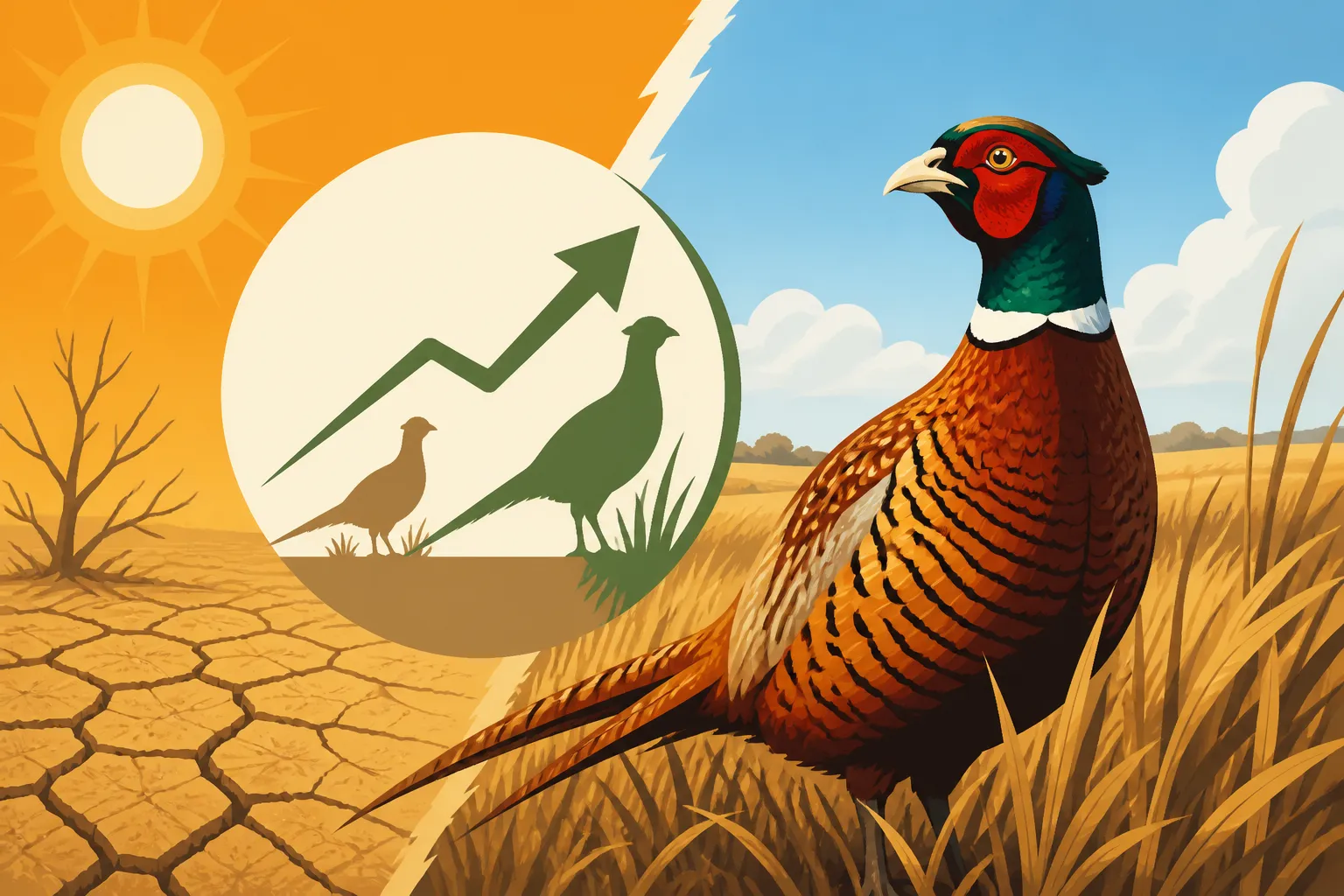
There's nothing quite like the dread that settles in when you watch the summer sun bake the Kansas landscape, day after dry day, and all you can think about are our beloved pheasant populations. We pour so much anticipation into pheasant season, imagining those explosive flushes, and a dry summer can really make you wonder if all that effort will be for naught. It's a valid concern, and many of us have felt that disappointment when the fields feel emptier than they should. This guide is all about tackling that worry head-on, helping you understand exactly how dry summers impact pheasant numbers in Kansas, what signs to look for, and most importantly, how to adapt your hunting strategies to still find success when Mother Nature hasn't been so generous with the rain.
The Direct Impact of Dry Summers on Pheasant Reproduction
When the skies refuse to open up and the temperatures soar, the foundation of a healthy pheasant season – successful reproduction – takes a serious hit. It's a domino effect, starting with the very first clutches laid in the spring.
Nesting Success and Early Brood Survival
A dry spring and summer directly impact the success of pheasant nesting and, critically, the survival of those tiny, vulnerable chicks. Pheasants need good, thick cover to hide their nests from predators like coyotes, raccoons, and even some birds of prey. When it’s excessively dry, that lush cover, whether it’s in CRP fields, roadside ditches, or wheat stubble, just doesn’t grow as robustly as it should. The grass might be sparser, shorter, and less dense, making nests easier targets for keen-eyed predators. Instead of a thick blanket of vegetation, nests might be exposed with less concealment, increasing the chances of a nest being discovered and destroyed.
Even if a hen successfully hatches her clutch, the struggle for the young poults is far from over. Newly hatched pheasant chicks, often referred to as poults, are incredibly delicate. They require a steady supply of moisture and protein-rich insects to grow quickly and build their strength. In hot, dry conditions, those vital insect populations plummet. Grasshoppers, beetles, and other bugs that are usually abundant in a healthy summer environment become scarce. This means poults might not get the nutrition they need, leading to slower growth, weakened immune systems, and higher mortality rates. Furthermore, extreme heat, coupled with a lack of available water, can quickly lead to dehydration, especially for these small birds that haven't fully developed their thermoregulation abilities. It's a brutal reality, but the harsher the early summer, the more pronounced these losses can be. This critical window for poult survival is absolutely key to understanding Kansas Pheasant Population Cycles.
Water Sources and Food Availability
Water is life, and for pheasants in a dry Kansas summer, it can become a desperate search. When natural water sources like ephemeral puddles, dew on vegetation, and shallow ditches dry up, pheasants, especially broods, are forced to travel further to find what little moisture remains. This increased travel means more exposure. They spend more time out in the open, crossing roads, fields, and other dangerous terrain, making them more vulnerable to predation and even vehicle collisions. You might notice them gravitating towards stock tanks, irrigation pivots, or other reliable water points, which can also concentrate predators.
Beyond direct hydration, the lack of rain also severely impacts the availability of their primary food sources. We already touched on insects, but let's talk about the crops. A dry spell can stunt the growth of crucial grains like milo and corn, which provide both food and cover later in the season. If crops are poor, the overall food supply diminishes. Think about it: robust fields offer not only grain but also a microclimate that's cooler and holds more insects. Sparse, stressed crops do neither. The connection between Rainfall and Pheasant Numbers is undeniable and profoundly affects what we see in the fall.
Beyond Reproduction: Long-Term Drought Effects and Habitat
The impacts of a dry summer aren't just limited to the current year's hatch. Prolonged drought can have deeper, more insidious effects that resonate through multiple seasons, shaping the landscape and the birds that call it home.
Habitat Quality Degradation
One of the most concerning long-term consequences of persistent dry weather is the degradation of critical habitat. Pheasants rely heavily on robust cover for nesting, brooding, escaping predators, and surviving harsh winters. Think about your typical Conservation Reserve Program (CRP) fields or other native grass stands. In a healthy year with adequate rainfall, these areas grow tall and thick, creating a dense, protective canopy. After a dry summer, however, these same fields might be stunted, sparse, or even completely withered. The protective cover they usually offer is dramatically reduced, making birds more exposed to both predators and the elements.
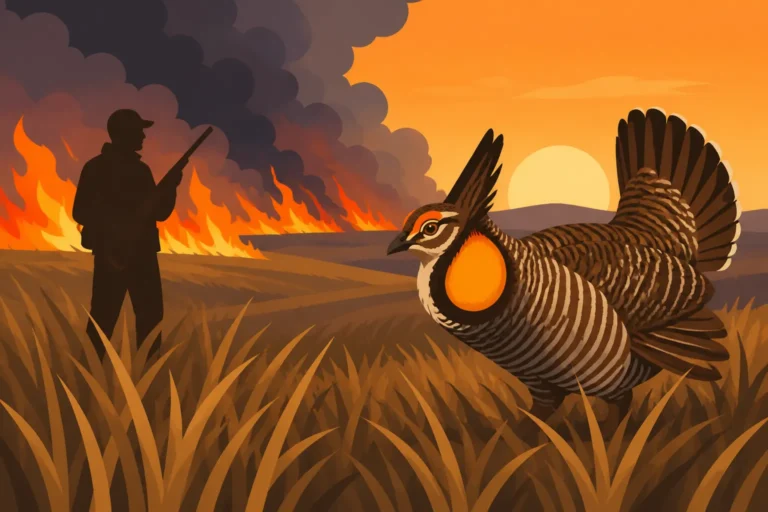
This degradation can also impact future nesting success, as the ground cover doesn't rebound quickly, leading to several years of subpar nesting habitat. Furthermore, severe drought significantly increases the risk of wildfires. A lightning strike or an accidental spark in parched grasslands can quickly escalate into a blaze that decimates vast tracts of pheasant habitat, setting back local populations for years. It's a real threat in the open country, and it can erase excellent cover in the blink of an eye. If you want to understand how important these cover types are, consider digging into CRP Loss and Kansas Pheasants.
Disease and Stress on Adult Birds
While young poults are often the most vulnerable, adult pheasants aren't immune to the stresses of drought. Constant searching for food and water, navigating less protective cover, and enduring extreme heat takes a toll on their physical condition. This sustained stress can weaken their immune systems, making them more susceptible to various diseases that might otherwise be minor issues in healthier birds. A bird already struggling with dehydration and malnutrition might not have the reserves to fight off a common illness, leading to increased mortality among adult birds even before hunting season begins.
Diminished physical condition in the summer also has serious implications for their ability to survive the winter. Kansas winters, even in a milder year, can be harsh. Birds that enter winter in a weakened state due to drought are less likely to withstand cold temperatures, snow, and ice. Their fat reserves might be lower, and their overall resilience compromised. This means that a dry summer could impact not just the current year's hatch, but also the breeding stock for the following year, creating a ripple effect on pheasant numbers.
Reading the Signs and Adjusting Your Hunt
A dry summer definitely changes the game, but it doesn't mean you should hang up your hunting boots. It just means you need to be a more observant and adaptable hunter. Think of it as a puzzle: the pieces are still there, they're just arranged a bit differently.
Scouting for Pheasant Numbers After a Dry Summer
Scouting becomes even more critical after a dry summer. Forget your assumptions about where birds should be; you need to find where they are. Start by focusing your efforts on areas that are most likely to retain moisture and offer adequate food and cover. This often means concentrating on creek bottoms, drainages, and areas adjacent to perennial water sources, even if they are small ponds or cattle tanks. Look for any irrigated fields – pivots are huge attractors in dry years – as these areas will have better crop growth and higher insect populations.
Pay close attention to cover density. Even in a generally sparse landscape, there will be pockets of thicker vegetation. This could be plum thickets, brushy draws, or even areas where a specific crop was able to get enough water to grow robustly. These "islands" of good cover will concentrate birds. Using mapping tools like GoHunt can be invaluable here. You can layer aerial imagery to identify different vegetation types, locate water sources, and pinpoint potential travel corridors between these critical areas. Before the season, take walks through prospective fields, looking for tracks, droppings, or even shed feathers. Remember, pheasants will be conserving energy, so you might not see as many birds out in the open, but the sign will still be there if you look carefully. When you are looking at aerial imagery, trying to figure out where birds might be, it's a lot like Reading Aerial Imagery for Bedding Cover for deer, but with a different goal in mind. Don't overlook the importance of Finding Water in Dry Western Kansas for all game, including pheasants.
Here's a quick comparison of what you might expect to see in a normal year versus a dry year:
| Feature/Behavior | Normal Rainfall Year | Dry Summer Year |
|---|---|---|
| Nesting Cover | Dense, tall CRP, thick field edges, robust weeds | Sparse, stunted grasses, exposed nest sites |
| Insect Population | Abundant, diverse, critical for poult growth | Scarce, limited diversity, less protein for young |
| Water Sources | Puddles, dew, moist ditches, widely available | Limited to perennial sources, irrigated areas |
| Pheasant Concentration | More dispersed, found in various cover types | Highly concentrated near water and dense cover |
| Bird Activity | More active, flushing readily from varied cover | May hold tighter, run more, conserve energy |
| Food Sources | Healthy crops, diverse seeds, abundant insects | Stunted crops, fewer insects, reliance on irrigated |
Adapting Hunting Strategies
Once you've done your scouting, it's time to adjust your hunting tactics to match the conditions. In drier years, pheasants often hold tighter in the available cover, preferring to run rather than flush, especially if cover is limited. This means you need to work fields more slowly and deliberately. Instead of making wide, fast sweeps, narrow your pushes, and concentrate your efforts on the densest pockets of cover. If you're Working Pheasant Fields Without a Dog, this becomes even more crucial; consider having multiple walkers to increase coverage and push birds towards blockers.
Focus your energy on those identified hotspots: creek bottoms, areas bordering irrigated land, and especially Shelterbelt Ends and Buck Travel or any thicker timbered edges that might offer shade and slightly more moisture. Pheasants will be conserving energy, so they're less likely to be out in sparse stubble. Think about how Kansas Pheasant Season Dates overlap with typical dry periods; sometimes waiting for a rain or a cold snap can dramatically improve hunting. You can also leverage tools like GoHunt right in the field to identify property lines, specific cover types you want to focus on, and even potential escape routes for running birds. Using this information to set up blockers or adjust your walking lines can be hugely beneficial. Understanding How Far Pheasants Move in a Day can help you plan your pushes more strategically.
Expectations and Conservation Efforts
It’s important to manage your expectations when hunting after a dry summer. While you might not experience the same bird numbers as a banner year, there are still pheasants to be found, and the hunt can be just as rewarding. The challenge shifts from finding large numbers of birds to locating those concentrated pockets and executing effective strategies. Being adaptable and observant is key. Remember, even in tough years, there are still Best Kansas Counties for Pheasants that might fare better than others due to localized rainfall or superior habitat management.
Beyond the hunt, understanding the impact of dry summers should reinforce the importance of habitat conservation. Programs that encourage the planting of diverse cover, maintain water sources, and implement responsible land management practices are vital for supporting pheasant populations through these challenging cycles. Every hunter has a role to play in advocating for and supporting efforts that create resilient habitats, ensuring that even after a dry summer, our pheasants have a fighting chance for future seasons. The long-term health of Kansas Ring-Necked Pheasants depends on it.
Disclaimer
This article is for general informational purposes only and does not constitute professional advice. Laws, prices and regulations vary by location and change over time. Consult a qualified professional for guidance on your specific situation.