Kansas Elk Herd History
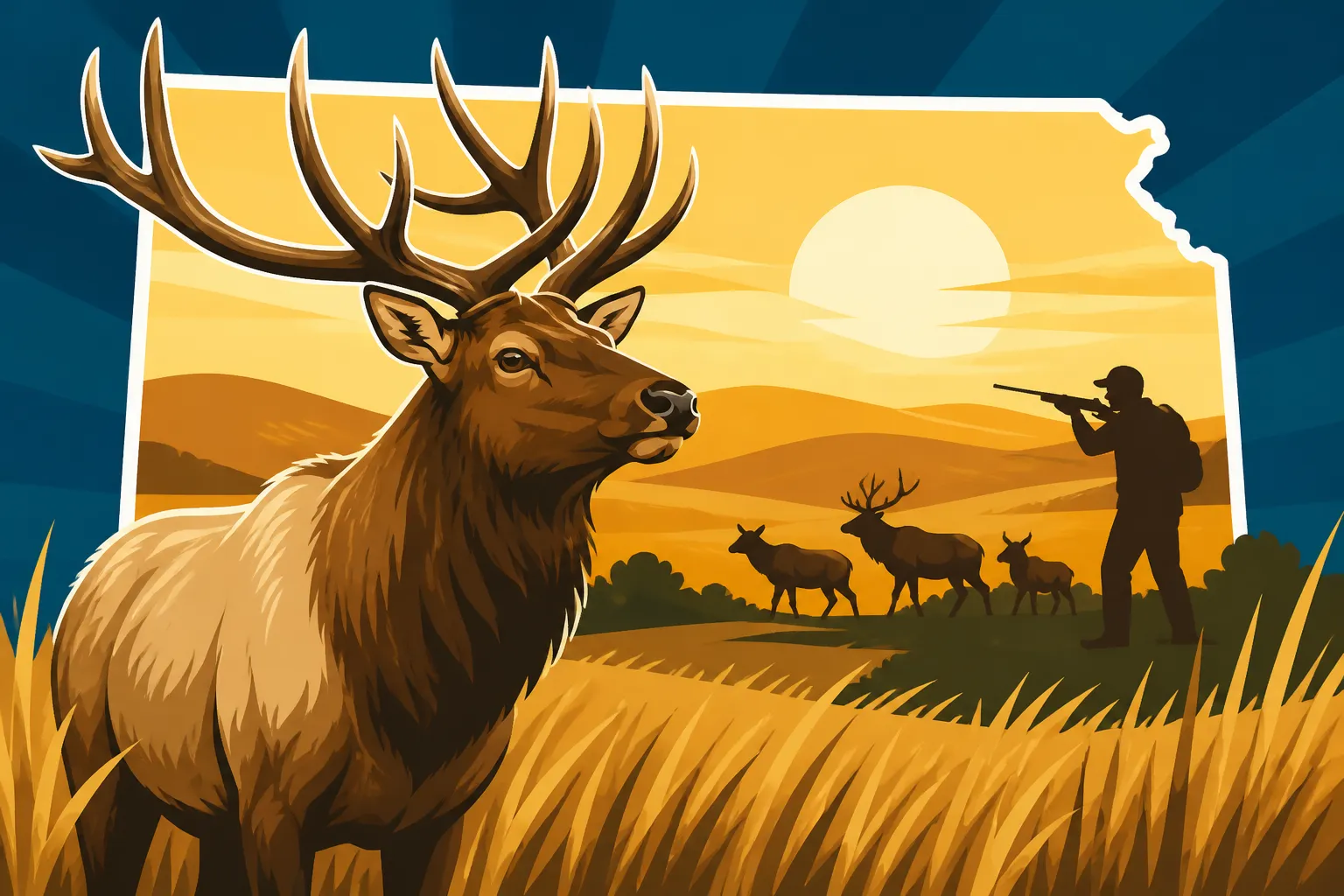
It's easy to assume that a state known for its wide-open plains and legendary whitetail deer might not have much in the way of larger, more elusive big game like elk. For many years, that assumption was largely true, leaving many Kansas residents and nonresident hunters alike in the dark about the surprisingly rich, albeit complex, story of elk in the Sunflower State. This guide is going to take a deep dive into the fascinating history of Kansas's elk herds, from their ancient presence to their modern resurgence and the unique management strategies that make hunting them such a challenging and coveted experience.
Pre-Settlement History and Extirpation
Before European settlement transformed the landscape, elk roamed freely across vast stretches of North America, including what would become Kansas. Their presence here is a testament to the diverse ecosystems that once thrived, offering a glimpse into a wilderness far different from the agricultural mosaic we know today.
Historical Presence and Habitat
In the centuries leading up to the 1800s, elk were a common sight across Kansas. These majestic animals, likely of the Eastern Elk subspecies, thrived in the varied habitats offered by the vast prairie-forest interface. Imagine the tallgrass prairies giving way to riparian woodlands along the state's numerous rivers and creeks. These river bottoms and associated timber points provided crucial cover, forage, and water, while the open plains offered abundant grazing. Elk, being adaptable creatures, utilized these different zones for everything from calving to winter shelter. Their historical range would have encompassed much of the state, especially the eastern and central regions where timber and water were more prevalent, but they certainly ventured into the western plains as well, following seasonal food sources and migration routes. They were an integral part of the prairie ecosystem, influencing plant communities and serving as a vital food source for indigenous peoples and predators.
Impact of Westward Expansion
The arrival of European settlers in the 19th century brought rapid, drastic changes to the Kansas landscape and its wildlife. The westward expansion was driven by agriculture, ranching, and resource extraction, all of which had a profound impact on elk populations. Settlers cleared land for farming, fragmenting critical habitat. The burgeoning cattle industry competed directly with elk for grazing resources, and fences began to crisscross the landscape, impeding natural migration patterns. Perhaps the most devastating factor, however, was unregulated market hunting. Elk were a valuable commodity, providing meat, hides, and even antlers for various commercial uses. With no bag limits or seasons, and a growing human population needing food, elk numbers plummeted at an alarming rate. It was a perfect storm of habitat loss and relentless pressure.
The Disappearance from Kansas
By the late 1800s, the once-thriving elk herds of Kansas were pushed to the brink of extinction within the state. The last wild, native elk in Kansas was reportedly killed around 1870, marking a somber end to an era. This extirpation wasn't unique to Kansas; it was a story replicated across many states in the Midwest and East as the frontier was settled. For decades, the Kansas landscape, while still teeming with other wildlife, was utterly devoid of its most regal cervid. The historical memory of elk faded for many, and the idea of them ever returning seemed like a distant dream, a romantic notion from a bygone era of untouched wilderness. Their absence left a void in the ecological fabric, a silent testament to the dramatic consequences of unchecked human development and exploitation.
The Return of Elk: Reintroduction Efforts
The 20th century brought a new era of conservation and a growing understanding of ecological principles. As wildlife populations across the nation struggled, dedicated efforts began to emerge, aiming to restore species to their native habitats. For Kansas elk, this meant a long and sometimes arduous path back.
Early Conservation and Restoration Ideas
The concept of bringing elk back to Kansas didn't materialize overnight. It was part of a larger national conservation movement born from the ashes of widespread wildlife decimation. Early conservationists, often hunters themselves, recognized the need for responsible management and reintroduction programs. By the mid-20th century, the Kansas Department of Wildlife, Parks and Tourism (KDWP) — or its predecessors — began to explore the possibility. However, simply releasing animals wasn't enough; careful consideration had to be given to suitable habitat, potential conflicts with agriculture, and sourcing healthy animals from existing herds in other states. These early discussions laid the groundwork for future action, shifting the focus from mere protection to active restoration.
Notable Reintroduction Programs
While several states successfully reintroduced elk through intentional stocking programs, Kansas's elk return story is a bit unique. Unlike many Western states that actively transplanted large numbers of elk, the initial significant re-establishment of a wild elk herd in Kansas wasn't a direct, planned state-sponsored reintroduction in the typical sense. Instead, a crucial population emerged, somewhat serendipitously, on the Fort Riley Military Installation in the late 1980s and early 1990s. These elk were believed to have migrated from populations in neighboring states like Nebraska or Oklahoma, or potentially from smaller, privately managed herds that existed in Kansas. Their presence on the vast, protected lands of Fort Riley provided the perfect conditions for a population to establish and grow, away from the immediate pressures of agriculture and dense human habitation. This burgeoning population became the bedrock of modern elk management in Kansas.
Challenges and Successes
The challenges of re-establishing any large wild animal population are immense, and Kansas's elk story is no exception. Even with the Fort Riley herd taking root, the animals faced hurdles. Diseases, vehicle collisions, and the inherent difficulties of managing free-ranging wildlife around human infrastructure were constant concerns. Public perception also played a role; while many cheered the return of elk, some landowners expressed worries about crop damage or competition with livestock. However, the success story is undeniable. The Fort Riley herd flourished, growing to a healthy, huntable population. This success demonstrated that elk could once again thrive in Kansas, provided the right conditions and careful management. It paved the way for the KDWP to develop regulated hunting seasons, allowing a limited number of hunters to pursue these magnificent animals while ensuring the long-term health and stability of the herd. This era truly validated the conservation efforts and the resilience of these incredible animals.
The Fort Riley Herd: A Unique Population
When people talk about elk in Kansas, the conversation almost always turns to Fort Riley. This sprawling military base, located in the Flint Hills of northeastern Kansas, is home to the state's largest and most consistent wild elk population, creating a fascinating intersection of military operations and wildlife management.
Origin of the Fort Riley Elk
The Fort Riley elk herd didn't arrive via a deliberate KDWP truckload from another state. Instead, it's widely believed that these elk are descendants of animals that either wandered down from neighboring Nebraska or perhaps escaped from private game farms in the region, eventually finding sanctuary on the sprawling, relatively undeveloped lands of the military post. The sheer size of Fort Riley, encompassing over 100,000 acres, offers a remarkable mix of tallgrass prairie, timbered river bottoms, and rugged hills – essentially a perfect habitat for elk. These lands, primarily managed for military training, also inadvertently provide a protected haven where elk can breed, calve, and thrive with minimal human disturbance outside of controlled training exercises. This accidental reintroduction has proven to be a tremendous asset for Kansas wildlife conservation.
Ecological Impact on the Military Post
The presence of a large elk herd on Fort Riley has a significant ecological footprint, largely positive, but with its own set of management considerations. Elk are large herbivores, and their grazing and browsing habits influence the vegetation, helping to maintain the health and diversity of the prairie and woodland ecosystems. They create trails, disturb soil, and distribute seeds, all of which contribute to ecosystem dynamics. However, in localized areas, particularly where elk congregate or during periods of high population density, their feeding can impact specific plant communities or even agricultural interests adjacent to the base. The Fort Riley wildlife management personnel work diligently to balance the needs of the elk herd with the primary mission of military training, often involving careful monitoring of herd health, forage availability, and habitat condition to ensure long-term sustainability.
Management Strategies at Fort Riley
Managing the Fort Riley elk herd is a collaborative effort between the military base and the KDWP, forming a unique model for wildlife management. The primary goal is to maintain a healthy, stable population that can coexist with military operations. This involves rigorous monitoring through aerial surveys and ground observations to estimate herd numbers and assess overall health. Hunting is a critical tool in this management strategy. Due to the limited, controlled access on a military installation, elk hunting at Fort Riley is conducted under specific regulations, often involving a special draw and strict permits. This ensures that harvest levels are sustainable and help keep the population within ecological carrying capacity, preventing overgrazing or disease outbreaks. The base also manages habitat, ensuring adequate water sources and forage are available, particularly during harsh weather. If you're considering applying for one of these coveted permits, resources like GoHunt can provide valuable insights into application success rates and unit information, helping you strategize for the Kansas Elk Permits and Fort Riley Hunts.
Elk Beyond Fort Riley: Scattered Populations and Management
While Fort Riley serves as the stronghold for Kansas elk, the story doesn't end there. Elk, being wide-ranging animals, have dispersed from Fort Riley, and other smaller, isolated herds have either established themselves or sporadically appeared in different parts of the state, presenting unique challenges and opportunities for wildlife managers.
Free-Ranging Elk Outside Fort Riley
It's not uncommon for elk to wander, especially younger bulls seeking new territories or cows establishing new calving grounds. Over the years, individual elk and small groups have dispersed from Fort Riley, venturing into surrounding counties. These Free-Ranging Elk in Kansas sometimes establish temporary or even semi-permanent residency in other areas, particularly where there's suitable habitat like large tracts of private timber, remote river bottoms, or even some of the larger public land blocks managed by the state or federal government. These smaller, "satellite" populations are often less stable and more susceptible to human-wildlife conflict. Hunters might occasionally encounter an elk in unexpected places, but these sightings are rare and thrilling, highlighting the adaptability of these animals.
Challenges with Dispersing Herds
The existence of elk outside the controlled environment of Fort Riley brings a unique set of challenges. One of the biggest concerns is agricultural damage. Elk are large and hungry, and a small herd can quickly cause significant damage to crops like corn, soybeans, or even hayfields. This leads to understandable frustration for landowners. Another challenge is vehicle collisions, as elk are powerful animals, and hitting one can be extremely dangerous. Poaching can also be a concern in less monitored areas. The KDWP must carefully balance the desire to see elk expand their range with the practical realities of managing them in a largely agricultural state. Unlike deer, which are ubiquitous and part of the everyday landscape, elk are still a novelty for many, and public tolerance for them can vary greatly.
Kansas Department of Wildlife and Parks KDWP Management Approach
The KDWP takes a proactive but cautious approach to managing elk outside of Fort Riley. For the few designated Kansas Elk Unit Boundaries that exist beyond the military installation, the KDWP often issues extremely limited permits, sometimes as few as one or two, to control specific populations that might be causing issues or to allow for a very conservative recreational harvest. These permits are typically highly sought after, and drawing one is a true stroke of luck. The KDWP also works closely with landowners experiencing elk-related damage, offering advice and sometimes assistance to mitigate conflicts. Their overall strategy is to allow for natural dispersion where habitat can support it without undue conflict, while prioritizing the robust, managed herd at Fort Riley. This ensures the long-term viability of elk in Kansas while managing expectations and mitigating potential negative impacts on private property owners. For those hoping to draw a permit, understanding the limited number of tags available is crucial, and resources like GoHunt can help analyze draw odds based on past data.
Modern Elk Management and Hunting Opportunities
For the passionate hunter, the idea of pursuing an elk in Kansas might seem far-fetched, but it's a very real, albeit incredibly exclusive, opportunity. The modern management of Kansas elk focuses on sustainability, limited access, and a unique draw system that reflects the rarity of these animals in the state.
The Limited Draw System
Hunting elk in Kansas is not like deer hunting, where over-the-counter tags are available for antlerless deer or certain seasons. Instead, it operates on a highly restrictive, once-in-a-lifetime draw system. The KDWP allocates a tiny number of permits each year, primarily for the Fort Riley herd, and occasionally a handful for the statewide units outside of Fort Riley. This extreme limitation is designed to carefully manage the population, prevent overharvest, and ensure the quality of the hunting experience. Applicants must apply through the KDWP's drawing system, and preference points generally do not play a significant role as they might in other Western states for elk. It's truly a lottery, meaning every applicant, regardless of how many times they've applied, has a chance, albeit a very slim one. This makes drawing a Kansas elk tag one of the most sought-after and challenging permits in the country. Many apply for years, even decades, hoping to get lucky. This system is very different from the Kansas Deer Permits and the Nonresident Draw, highlighting the distinct status of elk within the state's wildlife management.
Permit Allocation and Costs
The number of elk permits issued by the KDWP varies annually based on population surveys and management goals, but it is consistently low. For Fort Riley, which represents the bulk of the opportunities, permits are often designated as either "antlered" (bulls) or "antlerless" (cows and calves), and can be further broken down by weapon choice (archery, muzzleloader, or firearm) and season dates. The "outside Fort Riley" permits are even scarcer. For instance, you might see something like " Kansas Elk Unit 1 Closure" for certain periods or specific units, emphasizing how tightly controlled these opportunities are.
The cost of applying for a Kansas elk permit, while not as high as some Western states, is still a commitment, especially when considering the associated hunting license. A general hunting license is required, and then the specific elk permit comes with its own fee if you are drawn. For non-residents, the overall cost of a license and permit is significantly higher than for residents, adding to the exclusivity of the hunt. This financial commitment, combined with the low odds, means that those who apply are truly dedicated to the chance of hunting a Kansas elk. Websites like GoHunt can be an invaluable tool for researching the latest permit numbers, draw statistics, and fees, helping hunters make informed decisions about whether to throw their hat in the ring.
| Permit Type | Location | Typical Annual Permits | Primary Purpose | Odds of Drawing (Rough Estimate) |
|---|---|---|---|---|
| Antlered Elk | Fort Riley | 5-15 | Trophy/Recreational | Extremely Low (1 in 500+) |
| Antlerless Elk | Fort Riley | 10-30 | Herd Management/Meat | Very Low (1 in 100-200) |
| Antlered Elk | Outside Fort Riley | 1-2 | Problem Animal/Recreational | Near Zero (1 in 1000+) |
| Antlerless Elk | Outside Fort Riley | 0-5 | Problem Animal/Herd Control | Extremely Low (1 in 500+) |
Note: These numbers are highly variable year-to-year and are rough estimates. Always check the official KDWP regulations for the most current information.
Conservation Efforts and Future Outlook
The future of elk in Kansas, while promising, remains a delicate balance. The KDWP continues its robust conservation efforts, focusing on habitat management, disease monitoring (especially for Chronic Wasting Disease), and public education. They work to mitigate human-elk conflicts, particularly with landowners outside of Fort Riley, which is crucial for expanding the elk's acceptance and potential range. The success of the Fort Riley herd provides a blueprint for what is possible with dedicated management on large, protected landscapes. While we may never see vast herds roaming across all of Kansas as they did centuries ago, the continued presence of a healthy, huntable elk population is a testament to the power of modern wildlife conservation. Opportunities for hunters, while limited, will persist, offering a unique chance to connect with a truly magnificent animal that has, against the odds, found its way back to the Sunflower State. If you're lucky enough to draw a tag, be sure to study Kansas Elk Season Dates and prepare thoroughly for this once-in-a-lifetime hunt. The hope is that through continued conservation, future generations will also have the chance to experience the thrill of having elk call Kansas home.
Disclaimer
The information provided in this guide is for general informational purposes only and is subject to change. Hunting regulations, season dates, permit allocations, and costs are determined by the Kansas Department of Wildlife and Parks (KDWP) and can be updated annually. Always consult the official KDWP regulations, current hunting atlases, and direct communication with the KDWP before planning any hunting activities. Hunters are responsible for knowing and adhering to all applicable laws and regulations.