Quail Numbers After a Wet Spring
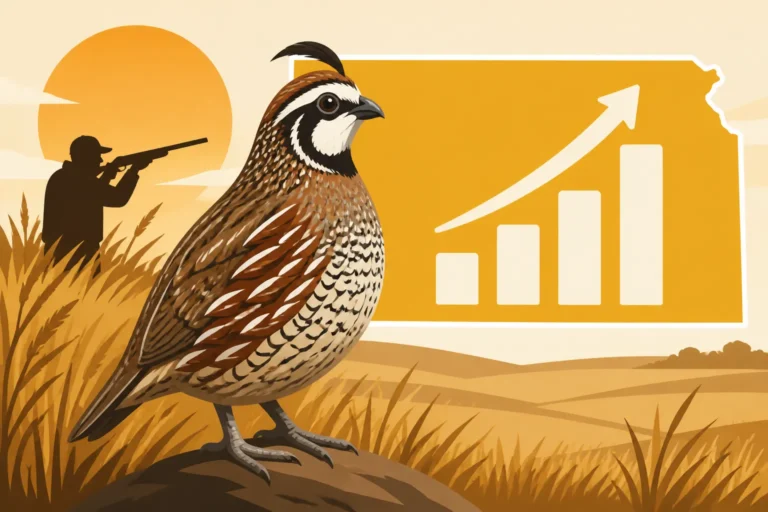
Every Kansas quail hunter knows the feeling: after a long, dry winter, a spring with good rain feels like a blessing. You start dreaming of booming coveys and full game straps in the fall. But sometimes, those spring rains don't just "feel good"—they become relentless deluges, turning fields into swamps and washing out nesting cover. It's a frustrating situation that leaves us wondering: what does a really wet spring actually mean for our beloved bobwhite quail populations come hunting season? This guide dives deep into the intricate relationship between spring rainfall and quail numbers, helping you understand the factors at play and what to realistically expect.
Understanding the Quail Lifecycle and Spring Impact
For bobwhite quail, spring is the season of renewal and reproduction, but it's also a period of immense vulnerability. Their entire population dynamics for the upcoming fall hunting season often hinge on the conditions experienced during these crucial months. It's not just about survival; it's about successful nesting and, more importantly, the survival of those delicate, pea-sized chicks.
The Critical Role of Spring Weather in Nesting
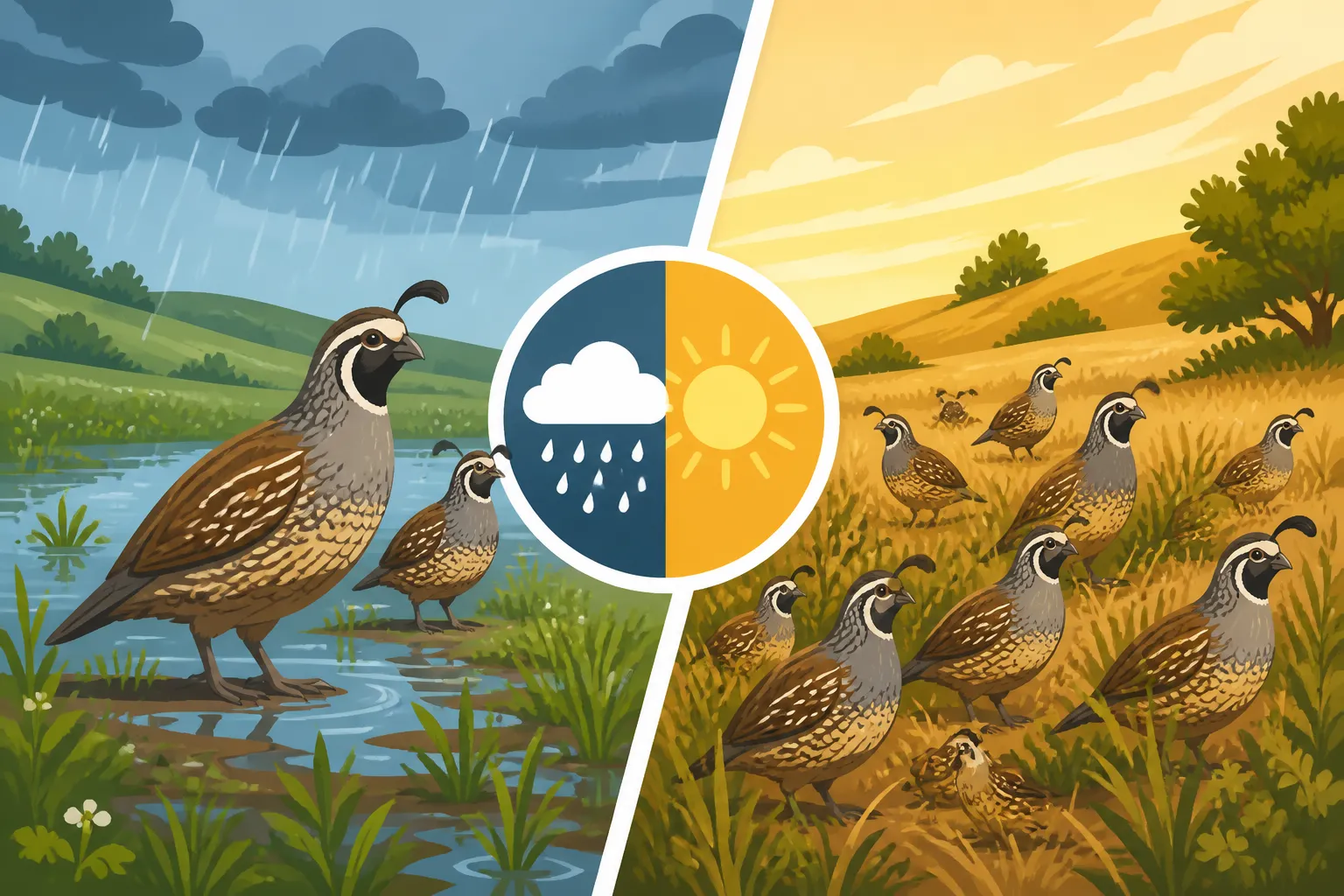
Spring weather in Kansas dictates the success of the initial nesting attempts for quail. Ideal conditions involve mild temperatures and timely, moderate rainfall that encourages lush, diverse vegetation. This isn't just for aesthetics; it provides critical nesting cover, places where a hen can safely lay her clutch of 10-14 eggs, hidden from predators. The type of cover matters too. Native grasses like big bluestem, switchgrass, and indiangrass offer dense, protective clumps, while forbs and legumes provide a crucial insect buffet for newly hatched chicks. Too little rain means sparse, stunted cover, making nests easy targets and reducing food. Too much rain, however, can completely inundate nests built on the ground, leading to total nest failure. Hens are resilient and will often re-nest, sometimes multiple times, but each re-nesting attempt uses up vital energy and pushes the hatch dates later into the summer, which can impact chick survival.
Beyond the immediate impact on nests, spring temperatures play a role in insect availability, a primary food source for hens during egg-laying and a critical one for growing chicks. Warm, gentle rains foster a thriving insect population. However, prolonged cold snaps, especially combined with wet conditions, can stress hens and make it harder for them to maintain body temperature and energy reserves needed for consistent egg production. Hunters often observe these fluctuations firsthand, noting barren patches in fields or a noticeable lack of insect buzz, directly correlating to what they later see (or don't see) in the quail population.
How Rainfall Affects Brood Rearing and Survival
Once the eggs hatch, typically in late May through June, the next critical phase for quail numbers begins: brood rearing. This is where rainfall's impact can be most pronounced and, often, most devastating if conditions are extreme. Young quail chicks, often referred to as "feather dusters" due to their tiny, fragile nature, are highly susceptible to exposure. Prolonged periods of cold rain can quickly lead to hypothermia, particularly if they can't find adequate shelter to dry off and warm up. Tall, dense overhead cover is essential for them to evade detection by avian predators, while a diverse understory provides a buffet of insects, which are almost exclusively what chicks eat in their first few weeks.
A healthy mix of short, open patches for foraging and thick overhead escape cover, known as "weedy edges" or "brood habitat," is vital. If heavy spring rains flatten this cover or create standing water for extended periods, it limits the chicks' ability to move freely, forage efficiently, and stay warm. Imagine a tiny chick trying to navigate a miniature lake in what should be its feeding ground – it's a death trap. Additionally, excessive moisture can increase the prevalence of diseases and parasites, further weakening young birds. It's a delicate balance, and the cumulative effect of a truly saturated spring can decimate an entire year's worth of potential recruits, leading to significantly lower quail numbers in the fall.
The Double-Edged Sword: Too Much or Too Little Rain
When it comes to Kansas weather, we often hear about the extremes. For quail, both too much and too little rain can be detrimental, but the specific impacts differ, and sometimes, the "just right" scenario can feel elusive. Understanding this spectrum is key to deciphering fall hunting prospects.
The Devastating Effects of Excessive Spring Rains
While some rain is good, too much in the spring can be catastrophic for Kansas quail. We're talking about those springs where storms seem to roll through daily, leaving fields waterlogged for days, sometimes weeks. The primary issue is direct nest destruction. Quail nests are built on the ground, usually in shallow depressions. Heavy, sustained rainfall, especially early in the nesting season, will flood these nests, drowning eggs or newly hatched chicks. Even if nests aren't completely submerged, a prolonged soaking can chill eggs, preventing them from hatching, or soak chicks, leading to hypothermia.
Beyond direct mortality, excessive rain damages crucial brood habitat. Tender forbs and insects, vital food sources for growing chicks, can be washed away, diluted, or become scarce. The ground cover that provides shelter and escape routes can become matted down, making chicks more visible to predators and harder for them to navigate. Think of it as turning a dense, protective jungle for a chick into a muddy, exposed obstacle course. This often forces hens to re-nest multiple times, delaying the hatch. Later-hatched birds face shorter growing seasons, are less mature, and generally have lower survival rates heading into winter. In regions like southeast Kansas, known for its heavy rainfall potential, hunters often lament the "washout" springs, knowing it means fewer birds in their coveys come November.
When a Wet Spring is Just Right for Quail
On the flip side, a moderately wet spring is often considered gold for Kansas quail. What's the sweet spot? It's usually characterized by timely, soaking rains in early spring that establish robust vegetation growth, followed by more spaced-out, gentler showers through May and June. These conditions lead to a vibrant mosaic of habitat: dense nesting cover, tall grasses for escape, and an abundance of broadleaf weeds (forbs) that support a booming insect population. This insect protein is absolutely essential for chick development and hen health during nesting.
An ideal wet spring creates what biologists call "good vertical structure" in the vegetation. This means the grasses and forbs aren't just dense at the ground level, but also have enough height and layering to provide overhead protection for chicks, while still allowing them to move easily underneath. Think of it like a miniature forest floor for tiny quail. This robust cover helps conceal nests from predators and provides ample shade during hot spells. Additionally, consistent moisture ensures that vital water sources are available, even if quail typically get most of their water from dew and insects. This balance fosters strong initial hatches, high chick survival rates, and often, healthy second or even third clutches, leading to a noticeable bump in the overall quail population come autumn. It's these springs that fill hunters with optimism for bountiful seasons.
Comparing Rainfall: East vs. West Kansas
Kansas is a big state, and rainfall patterns can vary dramatically from east to west, directly impacting quail. Eastern Kansas, particularly the southeastern units, typically receives significantly more annual rainfall. This means that while a "wet spring" here might push conditions into the detrimental "too much" category more often, an average spring provides ample moisture for dense cover. Conversely, western Kansas is much drier, characterized by vast expanses of shortgrass prairie and more arid conditions. Here, what might be considered "heavy" rain in the west could be just "moderate" in the east.
In eastern Kansas, hunters often find that an excessive spring can quickly turn habitat into soggy, matted messes, especially in low-lying areas or creek bottoms. The challenge here is managing the amount of cover to prevent it from becoming too dense and impenetrable for quail, especially after heavy rains flatten it. Conversely, in western Kansas, the concern is often the lack of moisture. A "wet spring" in the west might simply mean enough rain to produce decent forbs and activate insect hatches, providing a much-needed boost to quail that otherwise struggle in dry conditions. A truly dry spring in western Kansas can devastate populations by severely limiting nesting and brood cover, and shrinking insect populations, making it critical for hunters to utilize tools like GoHunt to analyze rainfall patterns and localized conditions within specific units. Recognizing these regional differences is crucial for any hunter assessing the quail outlook.
Key Factors Beyond Rainfall Influencing Quail Populations
While spring rainfall is undoubtedly a major player, it's never the sole determinant of fall quail numbers. A complex web of ecological factors constantly influences these fragile birds. Ignoring these other elements provides an incomplete picture of population health.
Habitat Quality: Cover, Food, and Water Resources
The phrase "habitat is king" rings true for quail, perhaps more than for any other game bird in Kansas. Even with perfect spring rains, if the habitat isn't up to par, quail populations will struggle. Quail require a diverse mosaic of cover types within a relatively small area, usually less than a quarter-mile radius, to complete their lifecycle. This includes dense nesting cover like native warm-season grasses, interspersed with areas of bare ground and low-growing forbs for easy movement and foraging. They need shrubby escape cover, such as plum thickets or cedar rows, to evade predators like hawks and coyotes. These are the places where you find a strong Quail Coveys in Plum Thickets.
Food sources are paramount, and this extends beyond just insects for chicks. Adult quail rely on a variety of seeds from broadleaf weeds, waste grains from agricultural fields, and berries. A lack of diverse food sources, especially heading into winter, weakens birds and reduces their ability to survive cold snaps or reproduce successfully the following spring. Water, while often obtained from dew and insect consumption, becomes more critical during prolonged dry spells. The availability of these resources in sufficient quantity and quality across the landscape is often the limiting factor for quail. Practices that encourage diverse plant communities, such as prescribed burning, disking, or selective herbicide use to promote beneficial weeds, are far more impactful than just hoping for rain. Understanding Bobwhite Quail Habitat in Kansas is essential for predicting where birds will thrive.
Predation Pressure on Nests and Chicks
Predation is a constant threat to quail, from the egg stage through adulthood, and its impact can be exacerbated by poor habitat or specific weather conditions. Raccoons, skunks, opossums, snakes, and coyotes are significant nest predators, while raptors like red-tailed hawks and great-horned owls take a heavy toll on adults and chicks. Feral cats are also increasingly recognized as a silent, devastating predator, especially near human habitation. When nesting cover is sparse due to dry conditions or matted down by heavy rains, nests become easier for ground predators to locate. Similarly, a lack of adequate escape cover makes adult and young quail more vulnerable to avian predators.
While it's impossible to eliminate all predators, effective habitat management can significantly mitigate their impact. Providing dense, diverse cover makes it harder for predators to locate nests and allows quail to escape more effectively. This is where CRP Grass and Where Bucks Bed (and where quail find cover) becomes vital. Areas with well-managed CRP (Conservation Reserve Program) fields often see healthier quail populations because the dense grass offers better protection from predators. Conversely, fragmented habitats, surrounded by agriculture or areas with heavy predator populations, will struggle to maintain high quail numbers, regardless of rainfall.
Disease and Parasites in Quail Populations
Though often less obvious than habitat degradation or direct predation, diseases and parasites can significantly impact quail populations. Avian pox, quail enteritis, and various internal and external parasites (like eyeworms, gapeworms, and ticks) can weaken birds, reduce their reproductive success, and even cause direct mortality. High parasite loads can make birds more susceptible to other stressors, such as harsh weather or predation. Wet, warm conditions can sometimes increase the prevalence of certain parasites or diseases by creating ideal breeding grounds for vectors like insects or by allowing pathogens to persist longer in the environment.
For instance, localized outbreaks of specific diseases can sometimes decimate coveys in an area, even when conditions appear otherwise favorable. While these outbreaks are often difficult for individual hunters to identify or prevent, wildlife agencies like the Kansas Department of Wildlife and Parks (KDWP) monitor for such issues. Information gleaned from Kansas Wildlife Disease Monitoring programs helps biologists understand broader health trends within game populations. Generally, healthy birds in robust habitat are more resilient to disease. Conversely, stressed birds in poor habitat are often the most vulnerable. This is another reason why comprehensive habitat management is so critical for overall quail health.
Reading the Signs: Predicting Fall Quail Numbers
As hunters, we're always looking for clues to predict the upcoming season. While the ultimate truth lies in the fall covey flush, there are actionable steps and observations we can make throughout the spring and summer to get a clearer picture of quail numbers.
Monitoring Summer Brood Counts and Surveys
One of the most reliable indicators of fall quail numbers is the annual roadside brood count surveys conducted by state wildlife agencies, including KDWP. These surveys typically run in late summer (July and August) and involve driving specific routes at dawn, counting all the quail (adults and chicks) observed. The number of broods seen, the average brood size, and the ratio of adults to juveniles provide crucial data on nesting success and chick survival for that year. A higher average brood size and a good adult-to-juvenile ratio usually point to a successful hatch.
While specific data from the KDWP reports are usually released closer to fall, keen observers can conduct their own informal surveys. Driving dirt roads at dawn or dusk in prime quail habitat, especially after a rain, can yield sightings of coveys. Pay attention to the size of the broods you see. Are they small, indicating late hatches or high mortality? Or are they robust, with many chicks almost adult-sized by late summer? These personal observations, while anecdotal, can provide localized insights that align with broader trends. Many dedicated hunters use apps like GoHunt to track local weather data leading up to these periods, cross-referencing rainfall with their observations, building a personalized database of expected outcomes.
Utilizing Technology and Scouting for Quail
In today's hunting world, technology offers powerful tools to enhance traditional scouting efforts. Satellite imagery, accessible through apps like onX Hunt, can help identify areas with prime quail habitat, even from your couch. Look for the mosaic of cover types: dense grasslands, plum thickets, brushy creek draws, and agricultural field edges. After heavy rains, you can often see areas that hold standing water, giving you a visual clue as to where nests might have been flooded. This can inform your ground scouting efforts.
When you're boots-on-the-ground scouting, pay attention to subtle signs. Look for quail droppings, dust baths (small, circular depressions in loose soil), and feathers. Listen for the distinctive "bob-white" call in the spring and the "scatter" call of a busted covey in the summer. During the summer, focus on walking field edges, especially where native grasses meet crop fields or brushy draws. These are prime areas where broods will forage and seek shelter from the heat. Don't be afraid to walk through dense cover, as this is where birds will be hiding. The more you put in during the off-season, the better your understanding of Quail Population Cycles Explained will be for your specific hunting grounds.
What Hunters Can Do to Help Quail Populations
While we can't control the weather, hunters and landowners play a vital role in supporting quail populations through habitat management. Simple actions can make a big difference. On private land, consider implementing habitat improvements such as disking strips to encourage beneficial annual weeds, planting native warm-season grasses, or creating brush piles for escape cover. Participating in programs like the Conservation Reserve Program (CRP) or the Environmental Quality Incentives Program (EQIP) can provide financial assistance for creating and maintaining prime quail habitat.
For those primarily hunting public land, supporting organizations like Quail Forever or the Kansas Department of Wildlife and Parks (KDWP) is crucial. Your license fees and donations help fund habitat projects on public access areas. Furthermore, adopting ethical hunting practices, such as never over-harvesting a covey and leaving ample birds for breeding, contributes to the long-term health of the population. Understanding the importance of Winter Weather and Quail Survival also influences how many birds are left after the hunting season to breed the next spring. By focusing on responsible stewardship and active habitat enhancement, hunters can contribute significantly to bolstering quail numbers against the vagaries of Kansas weather.
| Rainfall Scenario | Impact on Nesting Success | Impact on Brood Survival | Fall Quail Numbers Expectation | Hunter Strategy |
|---|---|---|---|---|
| Excessively Wet | Low (flooded nests, chilled eggs) | Very Low (hypothermia, disease, poor cover) | Significantly Lower | Focus on higher ground, well-drained areas; look for later hatches. |
| Moderately Wet | High (lush cover, abundant insects) | High (ample food, good cover, healthy chicks) | Significantly Higher | Hunt traditional spots with confidence; expect larger coveys. |
| Too Dry | Low (sparse cover, predator exposure) | Low (lack of insects/food, heat stress) | Lower to Moderate | Target areas with permanent water, dense cover, and irrigated fields. |
| Ideal Rainfall | Very High (optimal cover, conditions) | Very High (abundant food, minimal stress) | Excellent | Broaden hunting areas, expect strong numbers statewide. |
Long-Term Trends and Regional Considerations
Looking beyond a single spring, understanding the broader context of quail population trends and regional differences helps temper expectations and highlights the importance of sustained conservation efforts. Quail populations are inherently cyclical, but certain factors can influence the severity and duration of those cycles.
Historical Quail Population Cycles in Kansas
Kansas quail populations have historically experienced natural boom-and-bust cycles, largely driven by weather patterns (particularly drought and severe winters) and habitat availability. In the mid-20th century, quail were incredibly abundant across much of the state. However, changes in agricultural practices, such as the conversion of diverse small farms to large-scale monoculture and the loss of fencerows and odd-area habitats, led to a long-term decline in overall quail numbers. The rise of herbicides and pesticides also reduced the diverse weed communities and insect populations that quail depend on.
Despite these challenges, periods of favorable weather and strong conservation programs, like the CRP, have provided temporary boosts. We often see a few years of high numbers followed by a dip, then a slow recovery. This understanding of Quail Population Cycles Explained is crucial because even a truly wet and beneficial spring might not immediately reverse a decade-long decline if the underlying habitat issues persist. Hunters need to appreciate that while a great year is a gift, it's often part of a larger, fluctuating pattern, and managing expectations is part of the game.
Regional Differences in Kansas Quail Recovery
Just as rainfall patterns differ, so too do the recovery and health of quail populations across Kansas. While western Kansas might struggle with persistent drought conditions, making quail recovery slower, eastern and central Kansas often offer more resilient populations due to higher average rainfall and more diverse landscapes, including timbered creek bottoms and varied agriculture. The Flint Hills region, with its vast native prairies and controlled burning regimes, provides a unique and often excellent environment for quail, though it, too, is subject to rainfall variability and grazing pressure.
Some units in south-central Kansas, where there's a good mix of agriculture, CRP, and timber, often show better stability in quail numbers. However, areas with intensive agriculture and minimal remaining native habitat struggle the most, regardless of spring rainfall. When choosing where to hunt, it's essential to consider these regional differences. A spring that devastates quail in a low-lying, flood-prone eastern Kansas county might be just what the doctor ordered for a drier, central Kansas landscape. This means that a poor forecast for one part of the state doesn't necessarily doom the entire season. Utilizing detailed KDWP reports and local knowledge through platforms like GoHunt can pinpoint areas showing stronger recovery or more stable populations, even in challenging years.
Impact of Conservation Efforts and Programs
The role of conservation efforts cannot be overstated when discussing quail populations, especially in the context of fluctuating weather. Programs like the Conservation Reserve Program (CRP), which pays landowners to convert marginal cropland into perennial cover, have been a lifeline for quail. These fields provide crucial nesting, brooding, and winter cover that is often lacking in intensively farmed landscapes. The importance of these programs is evident when considering CRP Loss and Kansas Pheasants, which shares similar habitat needs with quail. When CRP enrollment declines, so too often do populations of pheasants and quail.
Beyond large-scale programs, local initiatives and private landowner efforts are also critical. Establishing food plots, creating brush piles, conducting prescribed burns to manage vegetation, and controlling invasive species all contribute to creating a more robust habitat that can buffer the effects of adverse weather. Organizations like Quail Forever work directly with landowners to implement these habitat improvements. These long-term, sustained efforts create the resilient landscapes that allow quail populations to rebound more effectively after challenging springs, ensuring that even after a tough year, there's a strong foundation for future recovery.
Disclaimer
The information provided in this guide is for general informational purposes only and is not intended as professional advice. Hunting regulations, wildlife populations, and environmental conditions can change rapidly. Always consult the latest Kansas Department of Wildlife and Parks regulations and local forecasts before planning any hunting trip.