What Happens if You Miss the Kansas Draw
It’s a feeling all too familiar to many nonresident hunters, and even some residents: that pit in your stomach when the Kansas deer draw results are posted, and your name isn't on the successful list. After months of anticipation, research, and dreaming of big Kansas whitetails, finding out you didn't draw a tag can feel like a real punch to the gut. But don't despair! This guide is here to walk you through exactly what happens next and, more importantly, what actionable steps you can take to still have a fantastic hunting season in Kansas, or set yourself up for success in the years to come.
The Gut Punch: What Happens When the Kansas Deer Draw Results Come Out (and You're Not on the List)
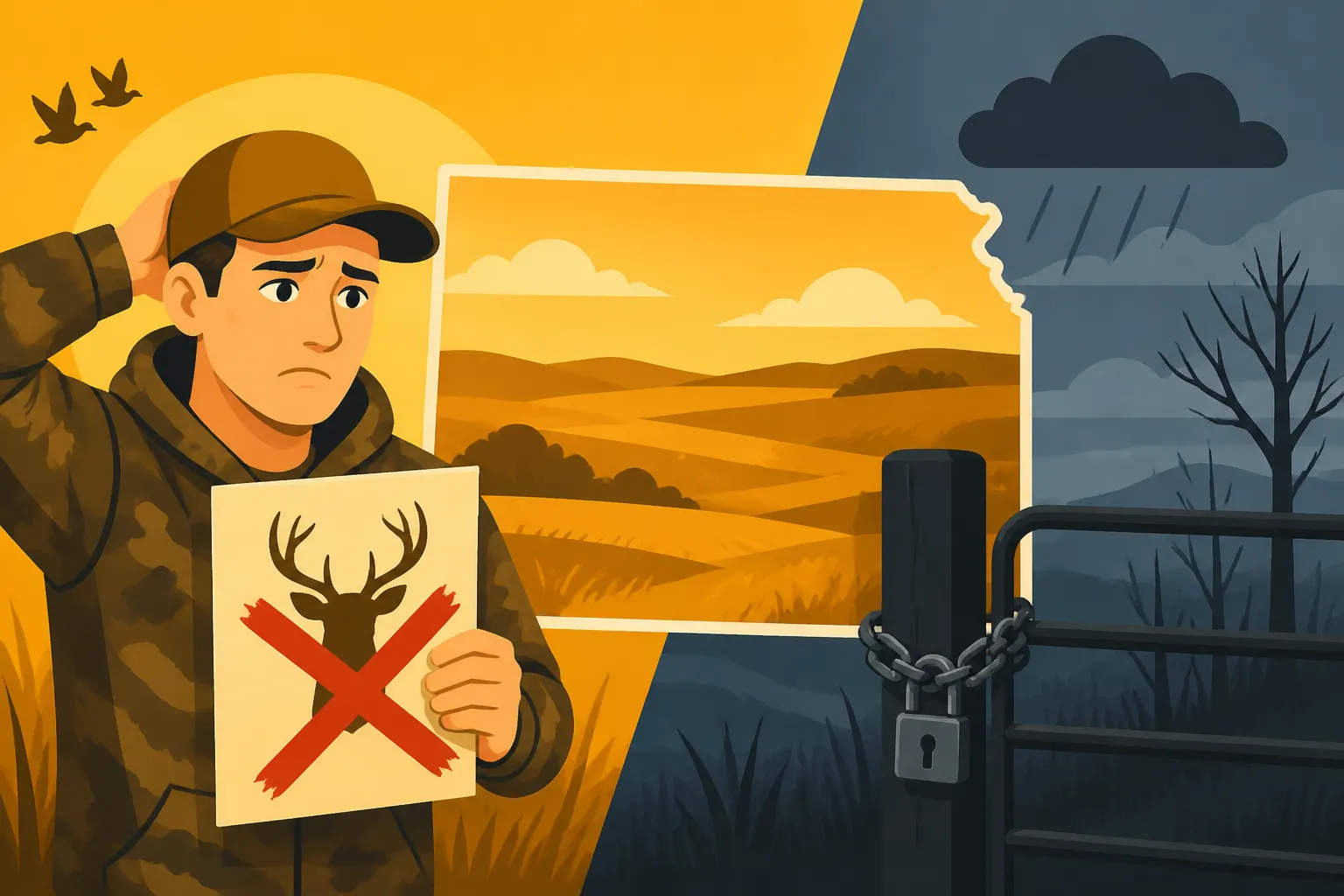
You've marked the calendar, you've checked your email relentlessly, and then… there it is. The notification. You log into your KDWP account, heart pounding, only to see "unsuccessful" next to your deer application. It's a truly deflating moment, especially if you've invested time and money, or even built up Kansas Preference Points Explained. Many hunters feel a sense of frustration, wondering if their carefully chosen units were too popular, if their point strategy was flawed, or simply if luck just wasn't on their side this year. This experience is common, and you're definitely not alone in feeling disappointed.
Understanding Why You Might Miss Out
Kansas is renowned for its trophy whitetails, and because of this, demand for nonresident deer permits is incredibly high, particularly in certain units and for prime rut dates. The draw system is designed to manage this demand and allocate tags fairly. Several factors can contribute to an unsuccessful draw.
Firstly, the number of applicants for a specific unit can simply outstrip the available tags. Some units are perennially popular due to a history of producing big bucks or offering significant public access. If you applied for a coveted unit with zero preference points as a nonresident, your odds were, frankly, pretty slim. It’s a numbers game, and while some folks get lucky, the system often favors those who have been building points for a while. Secondly, your weapon choice can influence draw odds. Often, firearm permits for the December season can be tougher to draw than archery permits, simply because more hunters apply for that specific time frame, although this can vary by unit. Lastly, even with a few points, there's always an element of randomness. You could apply for a unit that traditionally takes fewer points and still not get pulled if there's an unusually high number of applicants that year. It’s part of the gamble of hunting in a limited-draw state, and it’s why many hunters meticulously plan their Kansas Deer Permits and the Nonresident Draw strategy years in advance.
The Immediate Next Steps After an Unsuccessful Draw
Once you've gotten over the initial sting, it's time to shift gears. The very first thing you should do is confirm your preference point status. If you were unsuccessful in the draw, you should automatically receive a preference point for next year's application cycle. It's vital to ensure this point is correctly added to your profile. This point becomes a valuable asset for future applications, increasing your mathematical chances, albeit slightly, in subsequent draws.
Next, take a deep breath and reassess your goals for the season. Is deer hunting still your absolute priority? Are you open to different species or hunting methods? Kansas offers a wealth of other opportunities, and not every hunt requires navigating a complex draw. Look at the calendar for other open seasons. Maybe a fall turkey hunt, an upland bird hunt, or even an early season predator hunt could fill the void. Think about what drew you to Kansas in the first place—was it solely for a trophy whitetail, or was it the vast landscapes and diverse hunting culture? This is a crucial moment for adaptability.
Salvaging Your Deer Season: Over-the-Counter and Leftover Permit Opportunities
Just because you didn't draw a coveted antlered whitetail tag doesn't mean your deer season is completely over. Kansas offers a few avenues for hunters to still get afield, primarily through antlerless-only permits and, in rare instances, leftover whitetail permits.
Antlerless-Only Permits: Your Best Bet for Kansas Deer
For many hunters who miss the draw, the antlerless-only permit becomes their golden ticket. These permits are typically available over-the-counter (OTC) or through a separate, much less competitive draw process, depending on the unit and species. They are designed to help manage the deer population, particularly the doe numbers, and offer a fantastic opportunity to fill the freezer. Kansas Antlerless Deer Permits are a cornerstone of deer management and provide a high-odds hunting experience.
These permits are generally more affordable than either-sex permits and allow you to hunt a doe or a fawn, often in units where antlered tags are incredibly difficult to draw. This can be a phenomenal way to learn new hunting grounds, refine your skills, and still enjoy the camaraderie and challenge of deer season. You might not be chasing a monster buck, but the thrill of scouting, tracking, and making a successful harvest is still incredibly rewarding. Plus, there’s no better feeling than knowing you’re bringing home some delicious venison. It’s a practical, accessible option that far too many hunters overlook in their single-minded pursuit of a trophy.
Exploring Leftover Whitetail Permits (If They Exist)
After the initial draw, and sometimes even after subsequent preference point draws, there can be leftover whitetail permits available. This is more common for archery permits or permits in less popular units. These permits are usually sold on a first-come, first-served basis. The Kansas Department of Wildlife and Parks (KDWP) will typically announce if and when these permits become available, so it's crucial to stay vigilant and check their website regularly.
The window for purchasing these can be very short, and they often sell out quickly. You'll want to be ready to act the moment they go on sale. While it's certainly not a guarantee, it does happen, and if you're flexible with your unit choice and weapon, it's worth keeping an eye out. This is where tools like GoHunt or BookYourHunt can be useful for staying on top of announcements and potential openings, as they often aggregate information from various states. Remember, flexibility is key here; you might need to adjust your expectations about where in Kansas you'll be hunting.
Other Species That Don't Require a Draw
Kansas isn't just about deer, folks! If the deer tag eludes you, there are many other exciting hunting opportunities that don't involve the anxiety of a draw. Kansas Spring Turkey Permits and Units are generally available over-the-counter for non-residents in many units, and fall turkey permits are usually available without a draw as well. Turkey hunting offers an incredible challenge and a completely different style of hunting, with a rich tradition in the state.
Then there's the phenomenal upland bird hunting Kansas is famous for. Pheasant and quail seasons typically run from early November through January, and permits are available over-the-counter with a valid hunting license. This can be an incredibly social and active form of hunting, often enjoyed with friends and good dogs. Check out Kansas Upland Bird and Waterfowl Seasons for more details. Waterfowl hunting is another fantastic option, with abundant ducks and geese migrating through the Central Flyway. Squirrel and rabbit hunting offer accessible, fun opportunities often right in your local timber or creek bottoms. Don't let a missed deer draw overshadow the diverse hunting tapestry Kansas offers!
The Strategic Play: Building Points and Planning for Future Kansas Deer Hunts
While it's disappointing to miss a season, an unsuccessful draw can actually be a blessing in disguise, giving you time to refine your long-term strategy and increase your odds for future hunts. It’s all about playing the long game in states like Kansas.
The Value of Preference Points and How to Acquire Them
If you were unsuccessful in the draw, you automatically received a preference point. Think of these points as a step up the ladder each year, incrementally improving your chances in future draws. The more points you accumulate, the better your odds of drawing a tag in competitive units.
You can also opt to purchase a preference point without applying for a deer permit at all. This is a smart move for hunters who know they can't hunt this particular year, but want to continue building their point total for a dream hunt down the road. It ensures you don't lose momentum. The key is consistency; continuously building points year after year is what truly makes a difference. This strategy allows you to apply for highly sought-after units, like those known for Kansas Whitetail Deer and Why They Grow Big, with a much stronger hand when you're finally ready to cash in those points. Ensure you understand the Kansas Deer Application Window in April so you don't miss the opportunity to apply or purchase a point.
Adjusting Your Unit Choices for Better Odds Next Time
An unsuccessful draw should prompt a review of your application strategy. If you've been applying for the same difficult unit year after year without success, it might be time to reconsider. Use the KDWP draw odds reports (when available) to gauge the competition for different units and weapon choices.
- Consider less popular units: Some units, while perhaps not as famous, still offer excellent hunting and often have better draw odds. Research smaller, lesser-known public areas or areas with a mix of habitat.
- Be flexible with weapon choice: If you're primarily a bowhunter, but firearm tags are easier to draw in a particular unit you like, it might be worth considering a muzzleloader or rifle hunt if you're proficient with those weapons.
- Analyze adjacent units: Kansas allows you to pick a primary and an adjacent unit. Sometimes, a strong primary unit combined with a slightly easier-to-draw adjacent unit can provide a better overall strategy.
- Research public vs. private land access: Units with a higher proportion of public land (like WIHA) often see more applicants, potentially making them harder to draw. Conversely, if you have established private land access, a unit with less public land might be easier to draw.
| Strategy Component | Description | Benefit for Future Draws |
|---|---|---|
| Preference Point Accumulation | Purchase a point annually, even if not applying for a tag. | Increases long-term odds for competitive units. |
| Unit Research | Analyze KDWP draw odds, unit harvest reports, and habitat types. | Helps select units with better success rates for your point level. |
| Weapon Choice Flexibility | Consider applying for archery, muzzleloader, or rifle based on odds. | Opens up more tag opportunities that might be less competitive. |
| Adjacent Unit Strategy | Pair a desirable primary unit with a secondary, easier-to-draw adjacent unit. | Provides a fallback option and better overall draw flexibility. |
| Timing of Application | Apply during the designated Kansas Deer Application Window in April. | Ensures your application is submitted on time and considered. |
Alternative Avenues: Beyond the Deer Draw for a Kansas Hunting Adventure
Even without a drawn deer tag, Kansas offers a plethora of ways to experience its rich hunting culture. You just have to be a little creative and open to different kinds of adventures.
Public Land Access Without a Drawn Deer Tag
Kansas boasts an impressive amount of accessible public land, including Walk-In Hunting Access (WIHA) properties and State Wildlife Areas. These lands don't require a drawn deer tag for species like upland birds, small game, turkeys (if you have an OTC tag), or predators. Kansas Walk-In Hunting Access Explained is an amazing program that provides millions of acres of privately owned land, leased by KDWP for public hunting. You'll need a current Kansas hunting license and any species-specific permits, but no draw is necessary for access itself.
You could spend your "missed draw" season exploring different WIHA tracts, learning the terrain, and sharpening your scouting skills. This is invaluable experience that will pay dividends when you do draw a deer tag in the future. Imagine spending days walking CRP fields for pheasants, or still-hunting timber edges for squirrels, all while observing deer sign that will inform your strategy next year. It’s a fantastic way to immerse yourself in Public Hunting Land in Kansas without the pressure of a specific tag. Tools like GoHunt's mapping features can be incredibly helpful for identifying these public access points and their boundaries.
Pursuing Private Land Opportunities
For those committed to deer hunting even after missing the draw, focusing on private land access becomes paramount. Many hunters find success by knocking on doors, writing letters, or using online platforms to connect with landowners. While it takes effort and a good deal of polite persistence, gaining permission on private land can open up fantastic opportunities, often where deer density is higher and pressure is lower.
This involves being respectful, offering to help with chores, and always following up with a thank-you. Some landowners might be more open to granting access for antlerless deer, especially if they are experiencing crop damage or simply want to reduce their deer numbers. This ties back to the antlerless-only permit strategy. Platforms like BookYourHunt can sometimes offer leads for private land leases or self-guided options, though direct outreach is often the most personal and rewarding route to Finding Private Land Access in Kansas. Just remember, always get permission in writing and clarify exactly what you're allowed to hunt and when.
Considering a Guided Hunt (Even if You Didn't Draw)
While booking a fully guided hunt might not be what you initially envisioned, it's a solid option if you missed the draw and are set on deer hunting in Kansas this year. Reputable outfitters often have established relationships with landowners and acquire landowner permits or have access to units where permits might be easier to obtain through the draw due to their specific allocation. They manage all the logistics, from scouting to stand placement, increasing your chances of success significantly.
Of course, guided hunts come with a higher price tag. But if you've already invested in travel and gear, and your heart is set on a Kansas deer, it could be worth exploring. Outfitters often work years in advance, so even if you missed the draw for this season, reaching out to them for future availability is a smart move. They can often advise on how to strategically apply for the draw next year, or what types of landowner tags might be available. Just be sure to do your homework and choose a reputable operation. Ask about What Happens if You Do Not Draw with them, and what their policies are for rebooking or refunds.
Disclaimer
This article is for general informational purposes only and does not constitute professional advice. Laws, prices and regulations vary by location and change over time. Consult a qualified professional for guidance on your specific situation.