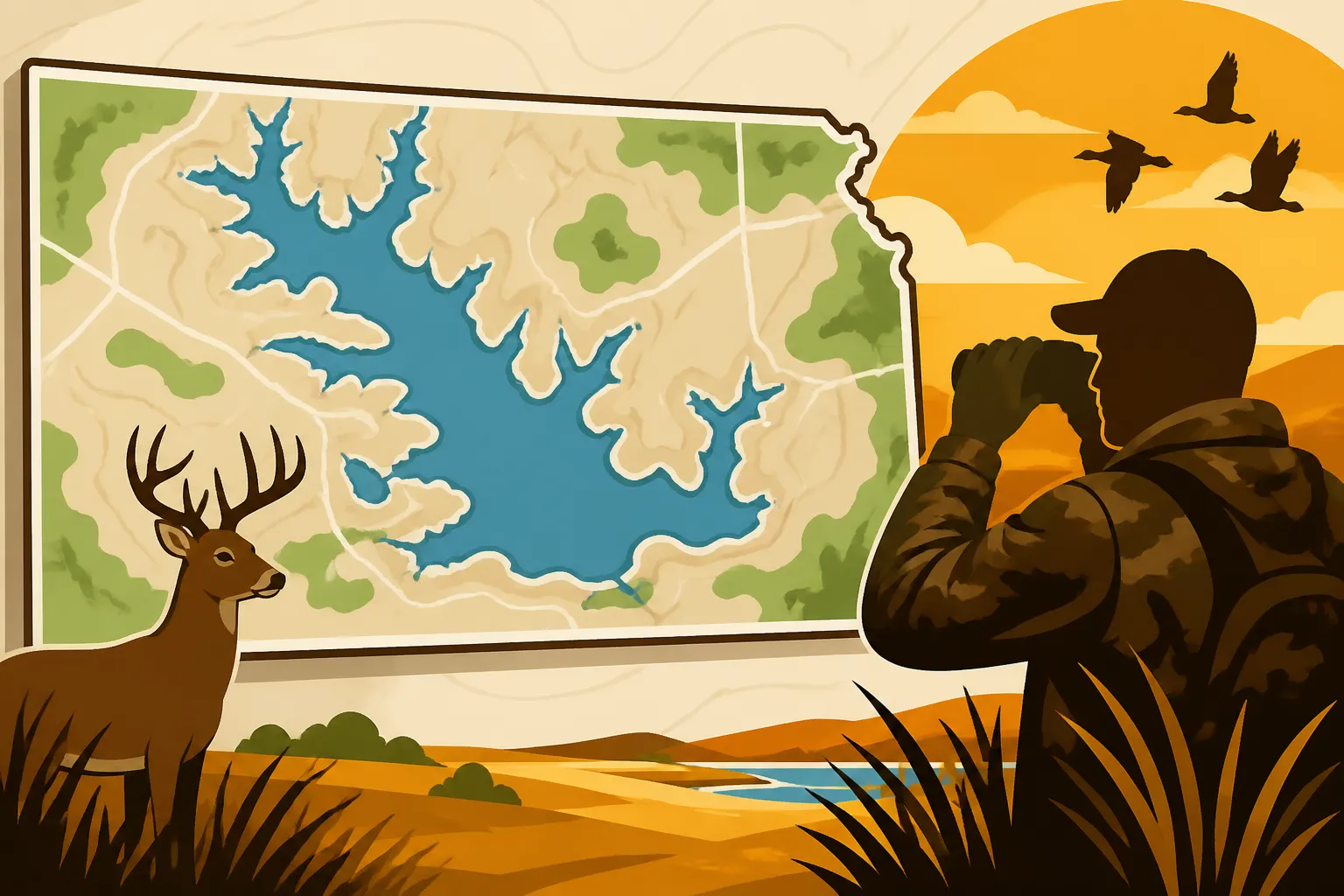
Marion Reservoir Hunting Map
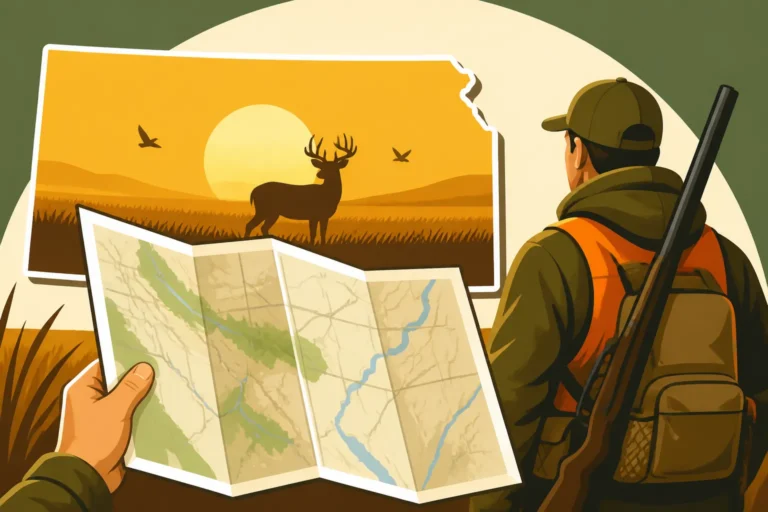
It can be incredibly frustrating to roll into a new hunting area, especially around a large body of water like Marion Reservoir, only to feel completely lost about where public land ends and private property begins. The lines blur, access points are unclear, and suddenly you're questioning every step, worried about trespassing. This guide is here to clear up that confusion, helping you confidently navigate the hunting opportunities available at Marion Reservoir by understanding its unique landscape and leveraging the right mapping tools.
Understanding Marion Reservoir's Unique Landscape for Hunting
Marion Reservoir, nestled in central Kansas, offers a fantastic blend of water-based and terrestrial hunting opportunities. Unlike sprawling national forests or vast grasslands, reservoir hunting comes with its own set of geographical and administrative nuances. You're dealing with a mix of federal land managed by the U.S. Army Corps of Engineers, potentially some state-managed wildlife areas, and a whole lot of private ground. Understanding this layered landscape is the first step to a successful hunt.
The Influence of the U.S. Army Corps of Engineers
The primary public hunting ground you'll find around Marion Reservoir is managed by the U.S. Army Corps of Engineers (Corps). These are the folks who built and maintain the dam, control water levels, and, crucially for us hunters, manage the buffer land surrounding the lake itself. This Corps land often extends quite a ways back from the water's edge, encompassing timber, brushy draws, and sometimes open fields that serve as important habitat.
Think of it this way: the Corps' mission is often flood control, recreation, and wildlife management. This means they often keep the land around the reservoir relatively undeveloped, which benefits wildlife. However, the specific boundaries of Corps land aren't always marked with clear signs every few feet. They often abut private agricultural fields or pastures, making it incredibly important to know exactly where you are. These areas can be fantastic for chasing deer, especially during the rut when bucks are cruising the timbered fringes, or for upland birds in the thicker cover. Waterfowl hunters also find this land crucial for accessing the lake or setting up along the shorelines. You'll find that this land is generally open for public hunting, but always double-check any specific regulations that the Corps or the Kansas Department of Wildlife and Parks (KDWP) might have in place for that particular reservoir. Understanding Kansas Reservoirs and Corps of Engineers Land is crucial for effective planning.
State Wildlife Areas and Managed Land
In addition to the federal Corps land, some reservoirs in Kansas, including Marion, might have designated Kansas Department of Wildlife and Parks (KDWP) State Wildlife Areas (SWAs) or other managed public hunting lands interspersed around the lake. These areas are specifically managed for wildlife habitat and public recreation, including hunting. The KDWP often puts a lot of effort into improving habitat through prescribed burns, food plots, and timber stand improvement, which can concentrate game.
These state-managed areas often have their own unique sets of regulations that might differ slightly from the general statewide hunting rules or even the adjacent Corps land. For example, some SWAs might have specific firearm restrictions, limited entry periods, or require special permits for certain seasons. It's not uncommon to find areas designated as refuges where hunting is prohibited, or specific zones for youth hunts. Always consult the latest KDWP hunting regulations for Marion Wildlife Area or any other state-managed tracts you plan to hunt. These areas, when present, can be prime locations due to intensive habitat management, drawing in deer, turkeys, and plenty of pheasants and quail, depending on the cover types present. Knowing about Kansas State Wildlife Areas in general will give you a leg up.
The Private Land Puzzle Piece
No matter where you hunt in Kansas, private land is an ever-present factor, and Marion Reservoir is no exception. The public hunting lands around the lake are almost always bordered by privately owned farms, ranches, and residential properties. This creates a complex patchwork that can be both challenging and rewarding. On the one hand, private lands often hold undisturbed game, acting as natural sanctuaries. On the other, they can create frustrating boundaries, forcing you to adjust your approach or access points.
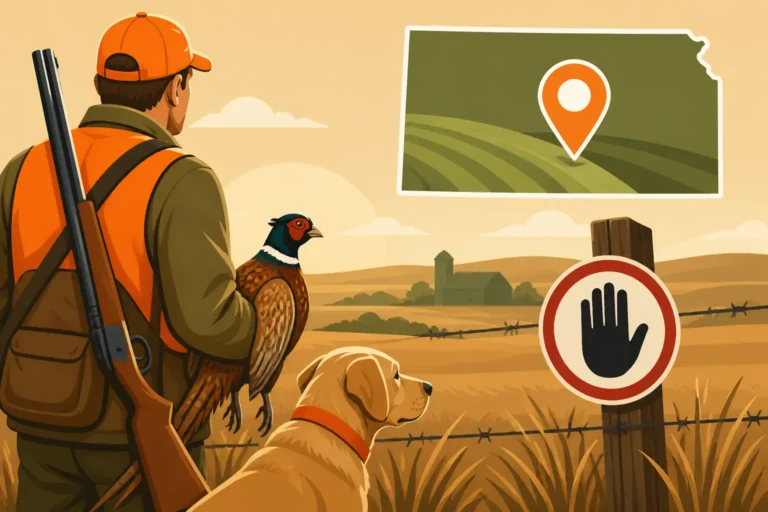
Imagine you're tracking a pheasant that just flew over a fence line, or a blood trail from a buck leads into a standing cornfield. That's when the private land puzzle becomes very real. Without clear boundaries, it's easy to inadvertently trespass, which can lead to serious consequences and give hunters a bad name. This is where precise mapping becomes absolutely non-negotiable. You need to know with certainty where you stand, where you can legally pursue game, and how to plan your access routes to avoid bumping deer or disturbing landowners. It's not just about avoiding trouble; it's about being a respectful and ethical hunter, ensuring that you preserve access for everyone.
Navigating Public Access Points and Regulations at Marion
Once you understand the general layout, the next step is figuring out how to actually get to the huntable public land and what rules you need to follow once you're there. Marion Reservoir has specific access points, and the regulations, while generally aligned with state law, might have local twists you need to be aware of.
Identifying Designated Public Access Points
Accessing public land around Marion Reservoir usually involves designated boat ramps, parking areas, and sometimes unimproved roads or trails. You won't typically find sprawling parking lots at every single corner of public land. Often, you'll need to use satellite imagery to spot small pull-offs or areas where a county road dead-ends into Corps property.
When you're trying to find a good spot, look for areas where public roads directly abut public hunting ground. These are your easiest entry points. Sometimes, you'll find gated service roads or old two-tracks that are open to foot traffic only. It's rare to find vehicular access beyond designated parking areas on Corps or KDWP lands. If you're a waterfowl hunter, boat ramps are your primary access to the water, but knowing where you can legally anchor, set decoys, and retrieve birds is paramount. Always be mindful of other users, whether they're anglers, hikers, or fellow hunters, and leave enough space. Planning Access Routes That Do Not Bump Deer is also crucial, so consider how your entry and exit will impact game.
Specific Regulations for Marion Reservoir Hunters
Hunting at Marion Reservoir means adhering to KDWP statewide regulations for specific game species, but also being aware of any localized rules. For instance, while Kansas generally allows hunting during legal shooting hours, certain wildlife areas might have earlier or later closing times for specific activities. It’s important to remember that KDWP also sets season dates and bag limits for all species, from deer and turkey to pheasants and quail.
A crucial point for all hunters: know your weapon regulations. While firearm hunting is permitted during the designated seasons, some areas might restrict certain types of firearms or require lead-free ammunition for waterfowl hunting. Additionally, regulations regarding baiting, the use of ATVs, camping, and leaving stands or blinds overnight can vary. Always check the current year's KDWP hunting regulations summary for Marion Reservoir, specifically looking for any sections pertaining to the Marion Wildlife Area or Corps of Engineers lands within Kansas. Ignorance of the rules is never a valid excuse, and a quick read-through can save you a lot of headache. This is where researching Kansas Deer Season Dates by Weapon and Kansas Upland Bird and Waterfowl Seasons comes in handy.
Understanding Boundaries and No-Hunting Zones
This is probably the biggest pain point for hunters trying to navigate reservoir lands. The boundaries between public hunting land, private property, and no-hunting zones (like safety zones around recreation areas, campgrounds, or residential areas) can be incredibly tricky. Often, the only thing separating public land from a private crop field is an old fence line or a change in vegetation.
You'll encounter signage around certain areas, especially near campgrounds, boat docks, and park offices, explicitly stating "No Hunting." Respect these zones, as they are often put in place for public safety and to maintain good relationships with non-hunting recreationists. Beyond those clearly marked spots, it's up to you to know the boundaries. Shooting within a certain distance of occupied dwellings, for example, is illegal statewide, and around reservoirs, homes can pop up unexpectedly near public ground. This is why tools that show property lines are not just a luxury, but a necessity. They give you the confidence to hunt aggressively on public land without constantly worrying about a violation.
Utilizing Digital Tools for Effective Mapping and Scouting
Gone are the days when a paper map was your only friend. Today, digital mapping applications are absolute game-changers for hunting public land, especially in complex areas like Marion Reservoir. They can turn uncertainty into confidence and maximize your time in the field.
Harnessing the Power of onX Hunt and Similar Apps
For navigating Marion Reservoir's hunting areas, a sophisticated mapping app like onX Hunt is an invaluable tool. It overlays property boundaries, land ownership information, and various terrain features directly onto satellite imagery. This means you can see, in real-time, exactly where the Corps land ends and private property begins. No more guessing if that timber stand is huntable or if that small field edge is private.
With onX Hunt, you can mark your truck location, plan your stalk routes, drop pins on sign you find (like rubs or scrapes), and identify potential bedding areas or travel corridors. The app also provides topo maps, showing elevation changes (even subtle ones that act as funnels in flat Kansas country), and various land cover types. Before you even leave home, you can "e-scout" the entire perimeter of Marion Reservoir, identifying promising public pockets, noting potential access points, and avoiding areas that are too close to private dwellings or marked as refuges. It's like having a local guide in your pocket, making you much more efficient and confident in your public land strategy. This is especially useful for E-Scouting Kansas Farm Country From Home.
Interpreting Aerial Imagery for Hunt Planning
Beyond simply showing property lines, the aerial imagery available through these apps, or even free resources like Google Earth, is crucial for effective pre-hunt scouting. Around Marion Reservoir, you’ll see obvious features like timber blocks, creek drainages, and open crop fields. But dig deeper.
Look for subtle changes in vegetation that might indicate a hidden bedding area, a thicket of plum or cedar that holds upland birds, or a travel corridor bucks might use to get from bedding to feeding. Notice how crop fields are laid out – interior corners, for instance, are classic ambush spots. Identify pinch points created by terrain or vegetation. For waterfowl, analyze shoreline contours, submerged vegetation, and obvious windbreaks that ducks and geese might favor. Pay attention to how close public timber runs to private crop fields; this often creates fantastic edge hunting opportunities. By studying these images, you can develop a mental map of the area, visualize how deer or birds might move through it, and pinpoint precise locations for your stand or blind. Think about Reading Aerial Imagery for Bedding Cover to find those hidden gems.
Utilizing Online Resources and Hunter Check-In Systems
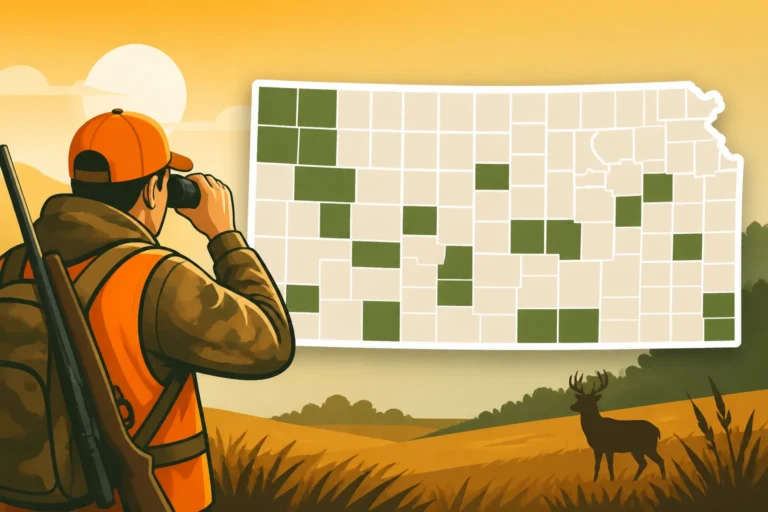
The KDWP website is a treasure trove of information. Their online interactive hunting atlas shows all public hunting lands across the state, including Corps properties and state wildlife areas around Marion Reservoir. This atlas is regularly updated and provides specific details about each tract, including legal species, open dates, and any special restrictions.
Some public lands in Kansas utilize an iWIHA (integrated Walk-in Hunting Access) check-in system, though larger Corps/SWA areas typically don't. While Marion Reservoir itself primarily falls under Corps/SWA management, if any WIHA tracts are near, you might need to check in and out through the Go Outdoors Kansas app or website. Even if not specifically for Marion, keeping an eye on broader resources like GoHunt can provide insights into general Kansas hunting conditions, weather patterns, and even harvest reports that can influence your strategy. Always make it a habit to check the KDWP site before heading out.
Planning Your Hunt: Species, Seasons, and Local Considerations
With the mapping sorted and regulations understood, it's time to put together a solid plan for your Marion Reservoir hunt. This means considering what you're hunting, when you're hunting, and how local factors might affect success.
Whitetail Deer Hunting at Marion
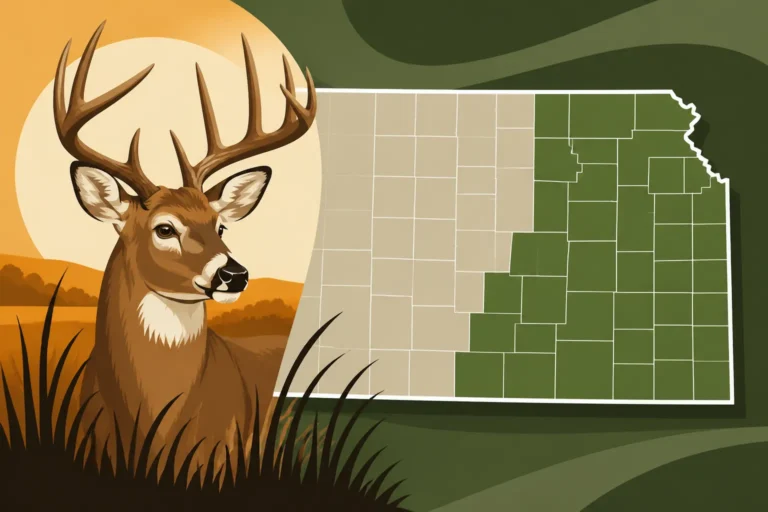
Marion Reservoir offers good whitetail hunting, particularly in the timbered draws and brushy areas along the Corps lands. Bucks use these areas for bedding cover and travel corridors, moving between the lake's edges and the surrounding private agricultural fields. Early archery season can be productive near water sources or food plots, while the late October Hunting the Kansas Pre-Rut in Late October and November rut periods see increased deer movement throughout the timber.
Hunters often find success setting up treestands or ground blinds along creek bottoms, points of timber extending into fields, or natural funnels created by the varied terrain. Remember, deer will utilize any available cover, so don't overlook thick plum thickets or cedar rows, even if they seem small. Antlerless deer permits are often available, providing excellent opportunities for filling the freezer. Be prepared for deer to use the water itself to escape pressure, so don't be surprised if you see them swimming the arms of the lake. Kansas Antlerless Hunts and Filling the Freezer are a great way to extend your season.
Upland Birds and Waterfowl Opportunities
Marion Reservoir is not just for deer; it's also a hotspot for upland bird and waterfowl hunting. The KDWP manages areas around the reservoir specifically for pheasants and quail, often planting milo, sunflowers, and other grains, or maintaining dense native grass. These fields, combined with the brushy draws and timber edges, create excellent habitat. For upland hunters, working these cover types methodically can yield good results, even without a dog, though a good bird dog dramatically increases success.
Waterfowl hunting, as you'd expect on a reservoir, can be phenomenal. Ducks and geese utilize Marion during their migration along the Central Flyway. Hunters can set up blinds along the shoreline, use layout blinds in cut fields adjacent to the lake, or hunt from boats in designated areas. Scouting is key for waterfowl; locating where birds are resting and feeding is paramount. Pay attention to wind direction, as it heavily influences where birds will cup their wings and land. Early season teal and dove hunting can also provide fast action before the main duck and goose migrations. Consider Waterfowl Hunting Kansas Reservoirs and Playas to learn more about similar hunting styles.
Seasonal Considerations and Pressure
The timing of your hunt profoundly impacts your experience at Marion. Early archery season in September can be hot, requiring strategies focused on water sources and shaded bedding areas. As fall progresses, the cooler weather and changing foliage will alter deer behavior and make upland bird cover more visible. The firearm season in December often sees increased hunter pressure, especially on public lands, so being able to adapt and hunt less-pressured pockets is key.
Hunting pressure on public ground like Marion Reservoir is a real factor, especially on weekends and during opening days of popular seasons. Be prepared for company. This might mean getting in earlier, hiking farther, or targeting weekdays if your schedule allows. Consider how other hunters might push game, and use that to your advantage. Knowing Hunting Pressure Patterns on Kansas Public Land can help you strategize. The table below outlines typical hunting seasons and target species around Marion Reservoir.
| Hunting Season | Primary Species | Typical Location / Habitat | Key Considerations |
|---|---|---|---|
| September Archery | Whitetail Deer | Timbered draws, creek bottoms, near water | Heat, bug pressure, food sources, undisturbed areas |
| October Bow/Muzzle. | Whitetail Deer | Transition areas, field edges, rut activity begins | Pre-rut movement, cooler weather, increasing pressure |
| November Bow | Whitetail Deer | Timbered areas, thick cover, cruising travel lanes | Peak rut activity, high deer movement, hunter density |
| Dec. Firearm | Whitetail Deer | Thick cover, escape routes, persistent food sources | High pressure, deer go nocturnal, cold weather |
| Fall/Winter Upland | Pheasant, Quail | Crop fields, native grass, plum thickets, brushy edges | Habitat conditions, dog work, block and drive tactics |
| Fall/Winter Waterfowl | Ducks, Geese | Lake shorelines, adjacent fields, open water | Migration patterns, weather, decoy spreads, blinds |
| Spring Turkey | Rio Grande Turkey | Roosting timber, field edges, creek bottoms | Gobbling activity, calling in henned-up birds |
Respecting the Resource and Other Users
Finally, always remember that public land is a shared resource. Practice ethical hunting, clean up after yourself, and leave no trace. Pack out everything you pack in, including spent shell casings and trash. Be mindful of noise, especially during early morning or late evening sits, as other hunters or wildlife are sensitive to disturbances.
Good relationships with landowners and other recreationists are vital for preserving hunting opportunities. If you accidentally retrieve a game animal on private land, obtain permission before crossing the fence. Always treat the land, the wildlife, and your fellow outdoor enthusiasts with respect. By being a responsible hunter, you contribute to a positive public image and ensure that places like Marion Reservoir remain open and enjoyable for generations to come.
Disclaimer
This article is for general informational purposes only and does not constitute professional advice. Laws, prices and regulations vary by location and change over time. Consult a qualified professional for guidance on your specific situation.