Kansas Pheasant Population Cycles
There’s almost nothing more frustrating for a Kansas upland bird hunter than planning your season, driving hours to your favorite spots, and finding barren fields where you expected to flush dozens of pheasants. It’s a common heartache, one that speaks volumes about the unpredictable nature of pheasant populations. This guide is all about diving deep into the fascinating, yet often challenging, world of Kansas pheasant population cycles, helping you understand what drives these fluctuations and how to adapt your hunting strategy.
Understanding the Basics of Pheasant Ecology in Kansas
Pheasants are truly resilient birds, but their lives are a delicate balance of favorable conditions and pressing challenges. In Kansas, where agriculture and wild landscapes intertwine, understanding the fundamental ecology of these birds is the first step to truly grasping why their numbers ebb and flow the way they do. It’s not just about a good or bad year; it’s a complex tapestry of biological and environmental factors.
Life Cycle and Reproduction
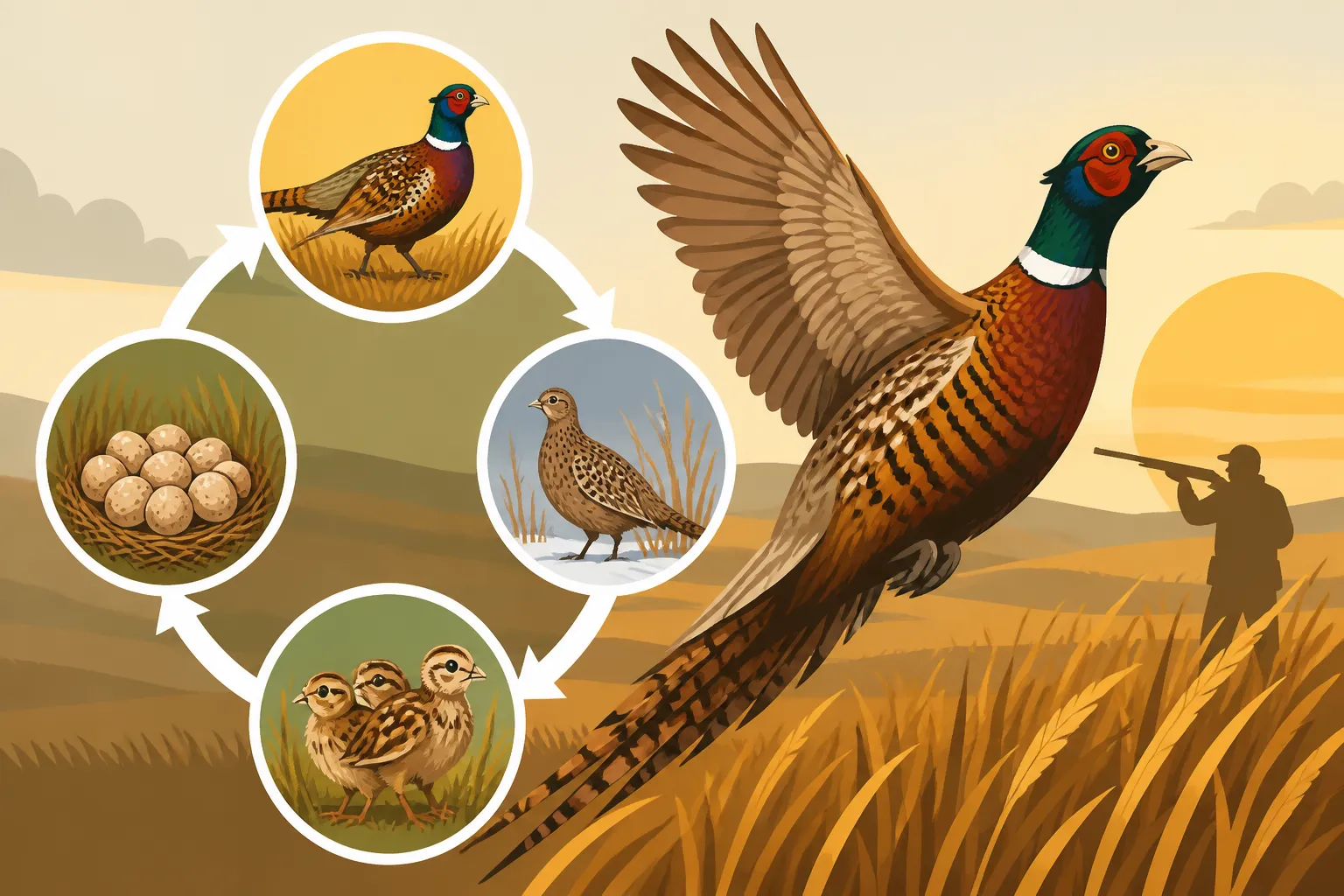
The pheasant's year starts with the breeding season in spring, typically March and April. Roosters establish territories, perform their distinctive crowing, and gather hens. Hens then begin nesting, usually in dense cover like CRP (Conservation Reserve Program) fields, road ditches, or undisturbed grasslands. A typical clutch might have 10-12 eggs, and incubation lasts about 23 days. The chicks, called poults, are precocial, meaning they can walk and feed themselves shortly after hatching. This early independence is crucial for survival, but they remain highly vulnerable to predators and weather.
A hen will often attempt multiple nests if her first (or even second) clutch is destroyed by predators, farming activities, or severe weather events like hail or intense rain. This re-nesting capability is a key factor in how well populations can rebound after early season setbacks. However, later nests tend to have fewer eggs and poults that hatch later in the summer often face tougher conditions with less abundant insect life, which is a critical protein source for growing chicks. The success of this reproductive period, from nest initiation to poult survival, is the primary driver of the pheasant numbers we see in the fall.
Food Sources and Winter Survival
Kansas winters, while not always as harsh as in northern states, can still be brutal for pheasants, especially in terms of food availability and thermal cover. Standing crop fields, particularly milo and corn, become vital food sources, offering much-needed calories to help them maintain body heat and energy through cold snaps. Waste grain left after harvest is a lifesaver. Without these readily available food sources, pheasants quickly deplete their energy reserves, making them more susceptible to disease, predation, and the sheer cold.
Beyond food, pheasants need robust winter cover. This isn't just about hiding; it's about shelter from blizzards, freezing rain, and brutal winds. Dense cedar thickets, plum thickets, brushy draws, and tall, un-mowed grass provide crucial thermal protection. Without adequate cover, birds are forced to huddle in less protected areas, making them easy targets for aerial predators like hawks and owls, or ground predators like coyotes and foxes. The number of birds that successfully make it through winter – what we call "overwintering" or "carryover" – directly impacts the breeding population available for the next spring, setting the stage for the following year's cycle.
The Critical Role of Weather and Rainfall in Pheasant Cycles
If you talk to any seasoned pheasant hunter in Kansas, they'll tell you that weather is the number one factor dictating bird numbers. It’s not just one event, but a year-round symphony of conditions that can make or break a pheasant season. Kansas weather is notoriously dynamic, swinging from severe drought to excessive rainfall within a single year, and these shifts have profound consequences for our feathered friends.
Spring Rainfall and Nesting Success
Spring is arguably the most critical period for pheasant reproduction, and the amount and timing of rainfall can be a game-changer. Mild, timely spring rains can be incredibly beneficial, promoting lush growth of nesting cover and an abundance of insects, which are essential protein for newly hatched poults. However, heavy, prolonged rains during the peak nesting and hatching period (typically May and early June) can be devastating. Nests located in low-lying areas, or even just in saturated ground, can be flooded and destroyed. Cold, wet conditions are also lethal for young poults, as they are susceptible to hypothermia before their feathers are fully developed. A cold, wet spring can significantly reduce the number of chicks that survive to adulthood, setting the stage for a lean hunting season. Conversely, a spring with moderate temperatures and well-spaced rainfall often leads to fantastic nesting success and a bumper crop of birds.
Summer Drought and Brood Rearing
Just as too much rain can be detrimental, so too can an extended period of summer drought, a common occurrence in many parts of Kansas. While pheasants are generally adapted to arid conditions, severe drought impacts them in several ways. Firstly, it can reduce the insect populations that poults rely on for growth. Without this crucial protein, chicks may grow slower, be weaker, and have a lower survival rate. Secondly, drought can stunt the growth of crucial cover crops and grasses, reducing both concealment from predators and thermal protection during hot summer days.
When fields are parched, and cover is sparse, young pheasants are more exposed. Farmers might also hay or cut fields earlier in drought conditions, further reducing cover at a critical time for broods. While adult pheasants can withstand dry periods better, the success of the brood-rearing period directly affects the fall population. If a drought follows a decent nesting season, it can still significantly cut down the number of birds that make it to maturity. You can often see this reflected in the Pheasant Numbers After a Dry Summer.
Harsh Winters and Carryover
While much attention is given to spring and summer, the severity of winter also plays a significant role, particularly in determining the number of breeding birds available for the following spring. Extended periods of extreme cold, heavy snow, and ice can be lethal for pheasants. Deep snow can cover crucial food sources, making it nearly impossible for birds to forage. Ice storms can coat vegetation and prevent access to food for days. Without access to calories, birds quickly succumb to starvation or become too weak to evade predators.
Furthermore, severe winters, especially those that linger into early spring, can deplete the physical condition of hens, potentially delaying nesting or reducing clutch sizes. A winter with plenty of accessible food and good thermal cover can ensure a high "carryover" of healthy adult birds into the spring breeding season, setting the foundation for a strong rebound in numbers. Conversely, a brutal winter, particularly one without ample standing crops or shelterbelts, can dramatically reduce the overwintering population, leading to a noticeable drop in pheasant numbers the following fall.
Habitat: The Unsung Hero of Sustained Pheasant Populations
When we talk about hunting pheasants, we often focus on the birds themselves. But the real unsung hero, the foundation of every thriving pheasant population, is habitat. In Kansas, a state dominated by agriculture, the availability and quality of suitable habitat are constantly fluctuating, directly influencing where pheasants can survive and thrive. Without the right blend of cover, food, and water, even perfect weather won’t produce a banner year.
CRP and Nesting Cover
The Conservation Reserve Program (CRP) has been an absolute lifeline for pheasants in Kansas, providing millions of acres of crucial grassland habitat. These enrolled lands offer dense, undisturbed nesting cover in the spring, protecting nests from agricultural disturbances like mowing and tilling. They also provide excellent brood-rearing habitat, rich with insects, and security cover throughout the year. The consistent availability of these thick grass stands gives hens a safe place to lay their eggs and raise their young without constant threat from machinery or predators.
However, the amount of CRP acreage can change, as contracts expire or land managers make different choices. When CRP Loss and Kansas Pheasants occurs, it immediately translates to less secure nesting and brooding habitat, forcing hens into less optimal areas, often with higher predation rates or more exposure to farming activities. The quality of CRP also matters; well-managed, diverse stands of native grasses and forbs are far more beneficial than monocultures of fescue. Hunters utilizing resources like the Kansas Hunting Atlas or digital tools like GoHunt can often identify large blocks of CRP land, which are prime areas to focus scouting efforts.
Food Plots and Winter Roosting
Beyond nesting, pheasants need year-round food and protective cover, especially during the lean winter months. This is where strategic food plots and undisturbed winter roosting cover come into play. Fields of standing grain, like milo, corn, or sorghum, planted specifically for wildlife, provide a critical energy source when natural forage is scarce. These plots aren't just food; they also offer standing thermal cover, breaking the wind and offering shelter during snow events. Imagine a blizzard raging, and a covey of pheasants tucked into a standing milo field – it's literally a matter of life or death.
Similarly, dense woody cover, like plum thickets, brushy draws, or even unharvested strips of crops left along fence lines, serve as vital winter roosting areas. These areas provide protection from both ground and aerial predators, and thermal insulation from bitter cold winds. Without a combination of accessible food and secure roosting cover, winter mortality can skyrocket, leading to a much smaller breeding population in the spring, regardless of how good the nesting season might be. This dual benefit of food plots and dense cover is something progressive landowners and wildlife managers prioritize.
Cropland Practices and Edge Habitat
Kansas is, at its heart, an agricultural state, and the way farmers manage their land has a monumental impact on pheasant populations. Modern farming practices, while incredibly efficient for food production, can sometimes reduce the habitat diversity that pheasants thrive on. Large, monoculture fields with minimal fence rows or buffer strips offer little in the way of cover or food variety. However, more conservation-minded farming practices can create incredibly valuable edge habitat.
Think about areas where different crop types meet, or where crop fields transition into grass buffers, drainage ditches, or timber strips. These "edge habitats" are pheasant magnets. They offer a mix of food (waste grain, seeds from weeds), cover (tall grasses, brush), and travel corridors. Delaying haying until after the primary nesting season, leaving strips of unharvested crops, or implementing no-till farming practices can significantly benefit pheasants by preserving cover and food sources. Farmers who understand the value of these practices contribute immensely to sustaining pheasant populations, creating pockets of prime hunting opportunities even in highly farmed landscapes. The subtle nuances of Milo and Corn Stubble Deer Patterns can often apply to pheasants too, as they also utilize these areas for food and cover.
Predation and Disease: Subtle Influences on Kansas Pheasants
While weather and habitat steal most of the spotlight when discussing pheasant populations, it’s important not to overlook the quieter, yet persistent, pressures of predation and disease. These factors don't usually cause the dramatic year-to-year swings we see with weather, but they exert a constant, underlying influence that can keep populations from reaching their full potential, especially when other conditions are less than ideal.
Common Predators and Their Impact
Pheasants face a gauntlet of predators throughout their lives, from the egg stage all the way to adulthood. On the ground, raccoons, skunks, opossums, and coyotes are notorious for raiding nests. A single raccoon can wipe out multiple nests in a night. As poults hatch, foxes, badgers, and even feral cats become major threats. Juvenile pheasants are easy prey before they develop full flight capabilities. Adult pheasants, while more elusive, still face dangers from coyotes and bobcats, especially when cover is sparse.
From the sky, various raptors, including red-tailed hawks, great horned owls, and northern harriers, actively hunt pheasants. During winter, when snow cover makes pheasants more visible, or when birds are forced into less secure cover, aerial predation can increase. While predation rarely "controls" a healthy, booming pheasant population, it acts as a constant pressure. In years where nesting success is low due to weather or habitat loss, increased predation on the fewer surviving birds can exacerbate the decline, making recovery slower. The key is a healthy balance – good habitat helps birds evade predators, mitigating their impact.
Avian Diseases and Their Spread
Avian diseases, while less frequently discussed by hunters, can also play a role in pheasant population health, though often locally or in specific circumstances. Diseases like Avian Influenza (AI), Newcastle Disease, and various parasitic infections can impact birds. While large-scale, population-level die-offs from disease are less common for pheasants compared to waterfowl or turkeys, localized outbreaks can occur. For instance, crowded conditions, such as those that might occur around a limited winter food source or roosting cover, can facilitate the spread of parasites or bacterial infections.
When birds are stressed by poor nutrition or harsh weather, their immune systems are weakened, making them more susceptible to disease. A bird that is sick is also more vulnerable to predation. The Kansas Department of Wildlife, Parks and Tourism (KDWP) monitors for significant disease outbreaks, and hunters can also play a role by reporting any unusually high numbers of dead or sick birds they encounter in the field. Understanding that these subtle biological pressures exist helps complete the picture of why pheasant numbers are never a simple straight line.
Hunting Pressure and Management Strategies
As hunters, we naturally wonder about our own impact on pheasant populations. While hunter harvest is a factor, it's typically managed through regulations and often has less overall impact on population cycles than weather and habitat. However, understanding how hunting pressure is managed and how individual hunters can contribute to sustainable populations is crucial for the long-term health of Kansas pheasant hunting.
Effects of Hunter Harvest
The ring-necked pheasant is polygynous, meaning one rooster will breed with multiple hens. This biological fact is central to pheasant management. Studies have consistently shown that rooster-only harvest, which is the standard for pheasant hunting in Kansas and many other states, generally has very little impact on the overall reproductive success of the population. There are always more roosters than needed to fertilize all available hens. Hunters selectively target the brightly colored males, leaving the camouflaged hens to perpetuate the species.
While excessive hunting pressure on a very small, isolated population could theoretically reduce numbers, for the vast, widespread pheasant populations across Kansas, regulated hunting seasons are not a primary driver of population cycles. Bag limits and season dates are carefully set by the KDWP to ensure sustainable harvest. The real impact comes from environmental factors that affect nesting success and poult survival. That said, responsible hunting practices, like respecting private property and avoiding over-pressuring birds on small public tracts, are always important. You might find some useful tips on Hunting Pressure Patterns on Kansas Public Land to avoid burning out your spots.
KDWP Management Programs
The KDWP plays a vital role in managing pheasant populations through research, habitat programs, and setting hunting regulations. They conduct annual roadside surveys to estimate pheasant numbers and reproductive success, which informs their season setting. These surveys track brood sizes, hen-to-chick ratios, and overall bird counts, giving biologists a snapshot of how the season's hatch went. This data is critical for understanding current population trends and forecasting future hunting prospects.
Beyond regulations, KDWP actively works to enhance pheasant habitat through various programs. They partner with private landowners to implement conservation practices, manage state wildlife areas for optimal bird habitat, and promote programs like the Walk-In Hunting Access (WIHA). The WIHA program alone opens hundreds of thousands of acres of private land to public hunting, often encompassing excellent pheasant habitat. By strategically managing these lands and working with landowners, KDWP helps ensure that pheasants have the resources they need to thrive, even amidst changing agricultural landscapes.
Private Land Practices
The vast majority of Kansas is privately owned, making private landowner practices incredibly important for pheasant numbers. Landowners who adopt conservation practices can make a huge difference. This includes planting diverse food plots, leaving undisturbed buffers along crop fields, delaying haying until after the primary nesting season (usually July 15th), and maintaining dense winter cover like shelterbelts or plum thickets. These actions create a mosaic of habitat types that pheasants rely on throughout the year.
Programs that incentivize these practices, often with federal or state funding, are crucial. Many landowners are keen to improve wildlife habitat, especially when it aligns with other conservation goals or offers financial benefits. Building strong relationships with landowners and showcasing the value of these practices is key to increasing and maintaining quality pheasant habitat across the state. In areas with dedicated landowners focusing on habitat, pheasant populations tend to be more stable and resilient, often providing excellent hunting even in years with less favorable weather.
Forecasting Pheasant Numbers: Tools and Indicators
Every upland hunter dreams of knowing ahead of time whether it's going to be a good pheasant year. While no crystal ball exists, there are several valuable tools and indicators that can help you forecast pheasant numbers and plan your hunts more effectively. Paying attention to these clues can significantly improve your chances of a successful season.
KDWP Roadside Surveys
The most reliable and comprehensive indicator of Kansas pheasant numbers comes from the KDWP's annual roadside surveys. These surveys are typically conducted in late July and early August, where biologists and staff drive standardized routes early in the morning, counting pheasants and broods seen along the roadsides. The data collected provides crucial insights into reproductive success (hen-to-chick ratios), average brood size, and overall bird density in various regions of the state.
The KDWP then releases a detailed report, usually in late August or early September, summarizing the findings. This report is invaluable for hunters, often breaking down numbers by regions or units, giving you a clear picture of where populations are up, down, or stable. It's not perfect, as roadside counts don't capture every bird, but it's the best large-scale scientific estimate we have. Checking these reports should be one of your first steps when planning your pheasant season, as they directly reflect the success of the most recent breeding and brooding season.
Localized Observations
While the KDWP reports offer a broad overview, nothing beats localized observations for fine-tuning your expectations. This means paying attention throughout the spring and summer to what you see and hear in the specific areas you plan to hunt. Did you see many roosters crowing in March and April? Were there numerous hens with broods crossing roads in July? How many poults were in those broods? What was the condition of the nesting cover, and did any severe storms hit that particular area during peak hatch?
Talking to farmers, local landowners, or even other hunters in the area can provide anecdotal, but often highly accurate, insights into what's happening on the ground. These firsthand accounts, combined with your own scouting trips, can help you identify micro-pockets of good pheasant numbers even if the regional report is only average. Remember, pheasants are localized birds, and conditions can vary significantly from one county or even one section of land to the next.
Utilizing Scouting Apps and Resources
In today's digital age, hunters have access to powerful scouting apps that can provide invaluable assistance in forecasting and locating pheasants. Platforms like GoHunt, onX Hunt, and others offer satellite imagery, public land boundaries (including WIHA tracts), land ownership data, and topographic maps. These tools are indispensable for e-scouting, allowing you to identify prime habitat without ever stepping foot in the field.
You can use these apps to pinpoint crucial features like dense CRP fields, standing crop fields that might hold late-season birds, plum thickets, brushy draws, and potential travel corridors. By layering information from the KDWP reports (e.g., high numbers in a specific county) with detailed habitat analysis on an app, you can narrow down your search for productive areas. Furthermore, some platforms integrate weather data, allowing you to track rainfall patterns and identify areas that may have received more favorable conditions during the critical nesting and brood-rearing periods. Leveraging these digital resources can give you a significant advantage in finding those elusive Kansas roosters.
Here’s a quick overview of some key factors influencing pheasant population cycles:
| Factor | Positive Impact | Negative Impact | Time of Year Most Critical |
|---|---|---|---|
| Spring Rainfall | Mild, timely rains; lush nesting cover | Heavy, prolonged rains; nest flooding, poult hypothermia | April – June |
| Summer Drought | Moderate conditions; abundant insects, healthy cover | Severe, extended drought; low insect populations, sparse cover | July – August |
| Winter Severity | Accessible food, dense thermal cover | Deep snow, ice storms, extreme cold; starvation, exposure | December – March |
| Nesting Cover (CRP) | High acreage, diverse native grasses | CRP loss, early mowing, monoculture | April – June |
| Food Sources | Standing crops (milo, corn), food plots | Clean farming, scarce waste grain | October – March |
| Predation | Healthy habitat, balanced predator numbers | Sparse cover, high predator density, weak poults | Year-round |
| Disease | Healthy, unstressed birds | Stress (weather, nutrition), crowded conditions | Year-round |
| Hunting Pressure | Rooster-only harvest, regulated limits | N/A (minor population impact with proper regulation) | November – January |
Disclaimer
The information provided in this guide is for general informational purposes only and is not intended as professional advice. Hunting regulations, seasons, and wildlife populations in Kansas can change. Always consult the latest official Kansas Department of Wildlife, Parks and Tourism (KDWP) regulations, proclamations, and advisories before planning or undertaking any hunting activities. Adherence to all local, state, and federal laws is the responsibility of the individual hunter.