Why Kansas Turkey Numbers Fell
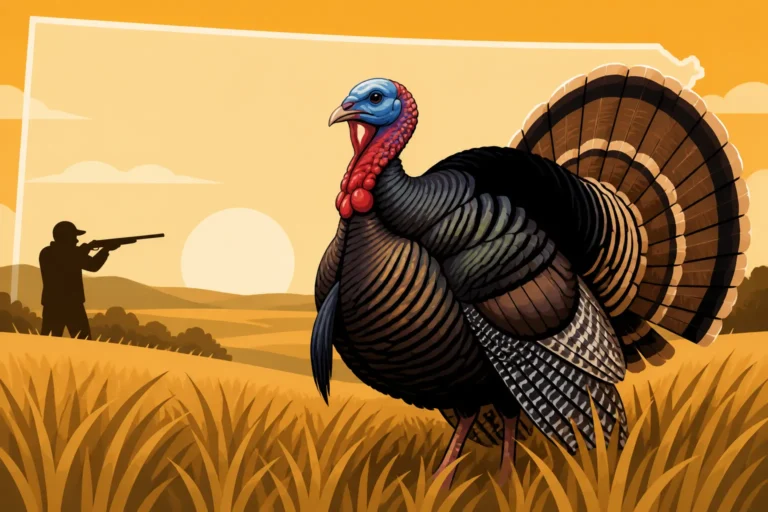
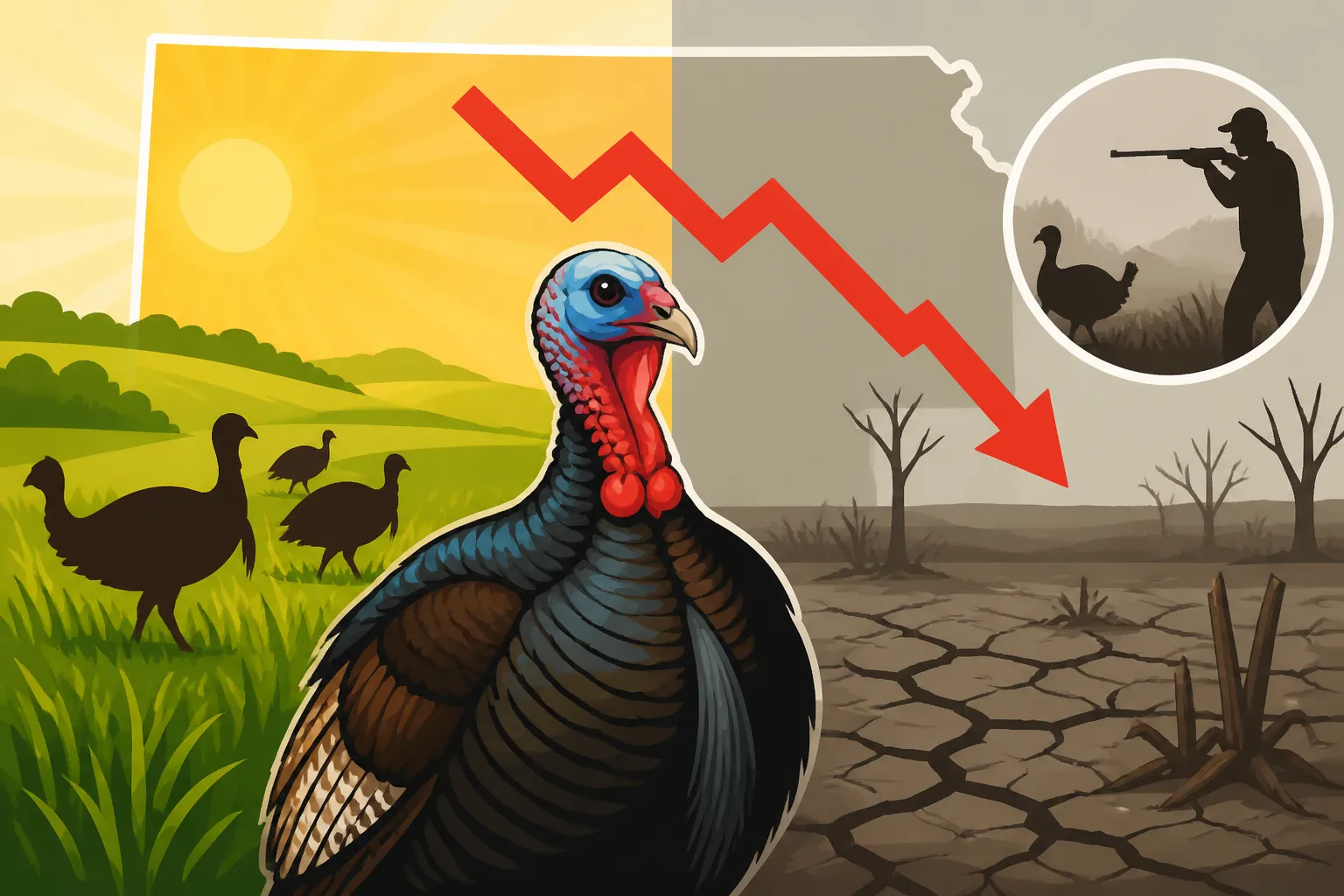
If you've spent any time chasing longbeards in Kansas over the last decade or so, you've probably noticed it: the woods and creek bottoms feel quieter. The once-ubiquitous gobbling that defined spring mornings seems to be a ghost of its former self, leaving many of us scratching our heads and feeling a deep sense of loss. It's a frustrating reality for hunters who remember a time when Kansas turkey hunting was nothing short of phenomenal. This guide dives deep into the complex, often intertwined reasons why Kansas turkey numbers have fallen, offering a candid look at the challenges and what's being done about it.
Understanding the Historical Context of Kansas Turkey Populations
It's easy to get discouraged when you see fewer turkeys, but to truly understand the current situation, we need to rewind a bit and appreciate just how incredible Kansas turkey hunting once was. We're talking about a true success story that saw the return of a majestic game bird to a state where it was once thought extinct.
The Golden Age of Kansas Turkeys
Believe it or not, wild turkeys were completely extirpated from Kansas by the early 20th century, mostly due to unregulated hunting and drastic habitat alteration from settlement and agriculture. For decades, Kansas didn't have a single wild turkey. Then, in the late 1950s and early 1960s, a monumental effort by the Kansas Department of Wildlife and Parks (KDWP) began to reintroduce turkeys, primarily Rio Grande birds from Texas and Oklahoma. These initial efforts, followed by additional releases of Eastern turkeys and hybrids, were wildly successful.
By the 1980s and 90s, Kansas experienced what many now refer to as the "golden age" of turkey hunting. Populations exploded, and it wasn't uncommon to see massive flocks of birds. The state quickly gained a reputation as a premier destination for turkey hunters, drawing in folks from all corners of the country. Locals were swimming in birds, and hunting was often a matter of picking a spot and waiting for a gobbler to announce himself. This rapid expansion was a testament to suitable habitat and a thriving environment for these intelligent birds. For a long time, the turkey population trends were only going up.
Initial Expansion and Management Success
The KDWP's initial strategy involved trapping turkeys from established populations and relocating them to suitable habitats across Kansas. This wasn't just a haphazard drop-off; it was a carefully planned operation, focusing on areas with adequate roosting timber, nesting cover, and food sources. The birds adapted remarkably well, spreading quickly into new areas.
Management during this period was largely about facilitating this growth. Seasons were set to allow for propagation while offering hunting opportunities. Hunters embraced the challenge, and the economic benefit to rural communities from turkey hunting tourism was significant. This success story became a benchmark for wildlife management across the country. It created an expectation of abundance that makes today's decline feel all the more stark. We simply got used to seeing a lot of birds, and that memory makes the current reality a bit harder to swallow.
Environmental Factors and Habitat Challenges
While the success of the reintroduction was largely due to excellent habitat, the Kansas landscape is always changing. Environmental shifts, both natural and man-made, have played a significant role in the recent downturn of turkey numbers.
Impact of Drought and Extreme Weather Events
Kansas is no stranger to wild weather swings, but recent decades have seen some particularly severe and prolonged drought conditions. Turkeys, especially young poults, are incredibly vulnerable to these extremes. Drought directly impacts food availability by reducing insect populations, which are a critical protein source for growing poults. It also makes succulent green vegetation scarce, forcing hens to travel farther from nests and exposing poults to predators.
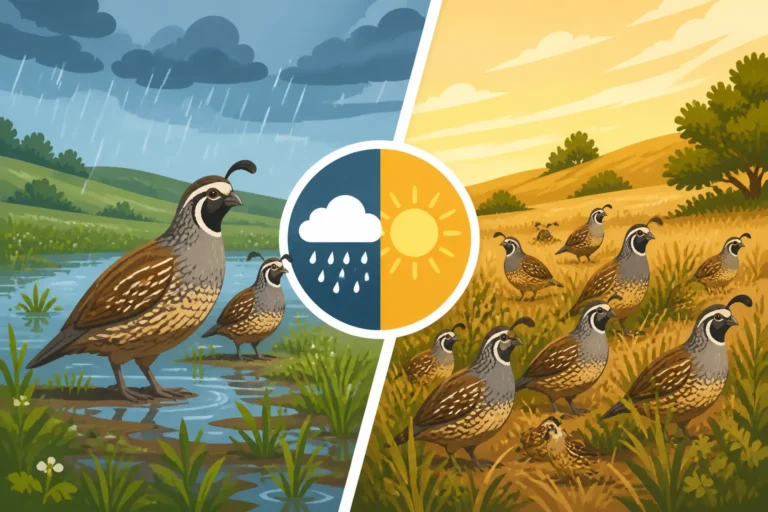
Conversely, overly wet springs can be just as detrimental. Heavy, cold rains can lead to hypothermia in young poults, which are not yet fully feathered and rely on their mother's body heat. Flooding can also destroy nests in creek bottoms and low-lying areas, forcing hens to re-nest, which often results in smaller, less viable clutches. When we talk about Turkey Poult Survival and Rainfall, it's a delicate balance. Too dry, too wet, too hot, too cold – Kansas weather can throw everything at these birds, and their reproductive success often hangs in the balance. We’ve seen springs with perfect weather, followed by devastating hail storms or cold snaps that wipe out newly hatched broods across entire regions.
Changes in Agricultural Practices and Land Use
Kansas is an agricultural state, and farming practices have always influenced wildlife. However, modern agriculture has brought changes that aren't always favorable to turkeys. The push for larger, more efficient farming operations often means removing fencerows, small woodlots, and odd corners that previously provided vital cover. Fields are often tilled right up to the timber edge, eliminating the crucial buffer zone of weeds and native grasses that turkeys use for nesting and foraging.
The type of crops grown also plays a role. While corn and milo provide excellent winter food, monoculture landscapes offer less diversity for insects and less cover during critical nesting periods. The loss of diverse, native grasslands and hayfields, often replaced by row crops, directly impacts prime nesting habitat. Turkeys need that varied mosaic of timber, open fields, and thick cover to thrive, and increasingly, the landscape is becoming less diverse. This broad change in land use directly impacts things like where turkeys roost in farm country and their travel corridors.
Loss of Critical Roosting and Nesting Cover
Beyond changes in agriculture, there's a more insidious loss of specific habitat types. Roosting cover is crucial, especially in the more open parts of western and central Kansas. Mature cottonwood galleries along rivers and creeks, or sturdy oaks in eastern timber, are vital for safety from ground predators at night. When these areas are degraded by timber harvest, disease, or simply old age without regeneration, turkeys lose essential safe havens.
Nesting cover is perhaps even more critical. Hens seek out dense, undisturbed areas with tall grasses, plum thickets, or brushy edges to lay their eggs. These areas provide concealment from predators like coyotes, raccoons, and opossums. The degradation or outright destruction of these thickets and tall-grass parcels, whether through development, overgrazing, or conversion to other land uses, leaves hens with fewer safe options. If a hen has to nest in sparse cover, her chances of success plummet, which ultimately impacts Nest Predation and Turkey Numbers. For hunters using tools like GoHunt to scout public or private lands, identifying these critical roosting and nesting areas is becoming more important than ever to understand where turkeys might be trying to survive.
Predation and Disease Pressures
Even with ideal habitat and weather, wild turkey populations face constant threats from predators and diseases. These pressures have always existed, but recent trends suggest they might be having a greater impact on turkey numbers than in past decades.
Increased Predator Populations
Let's face it, Kansas is absolutely brimming with predators, and many of their populations are thriving. Coyotes, bobcats, raccoons, opossums, and skunks are all opportunistically preying on turkey eggs, poults, and sometimes even adult birds. While predators are a natural part of any ecosystem, some studies suggest that predator numbers, particularly mesopredators like raccoons and opossums, have increased due to changes in land use and a decline in trapping interest.
Think about it: a hen sits on a nest for almost a month, completely vulnerable. If a coyote stumbles upon her, or a raccoon raids the nest while she's briefly off to feed, the entire clutch is lost. For poults, the first few weeks are a gauntlet. Anything from a hawk to a fox can snatch them up. If nesting cover is sparse, as discussed earlier, it becomes a much easier task for these predators to find and exploit turkey nests and broods. While it’s unrealistic to eliminate predators, their unchecked proliferation in certain areas can certainly put a heavy dent in local turkey recruitment. It's why efforts like predator control and managing habitat to favor prey species are often discussed in wildlife management circles, even if they aren't always implemented on a large scale. If you're looking into Coyote Calling in Open Kansas Country, you know how numerous these animals can be.
Disease Outbreaks Affecting Wild Turkeys
Disease can be a silent, devastating killer in wildlife populations, and turkeys are no exception. Avian pox, blackhead disease, and Lymphoproliferative Disease Virus (LPDV) are just a few of the ailments that can affect wild turkeys. While widespread, catastrophic disease outbreaks are less common than, say, a bad year for poult survival, endemic diseases can weaken birds, reduce reproductive success, and contribute to overall population decline.
Blackhead disease, for instance, is often spread by cecal worms, which thrive in areas with high concentrations of birds, or where domestic poultry are present. Symptoms can include lethargy, ruffled feathers, and distinctive dark-colored heads, though not always. LPDV has been detected in wild turkeys across the country, and while its specific impact on Kansas populations is still being studied, it's another stressor on birds that might already be struggling with habitat loss or environmental extremes. The KDWP and other research organizations actively engage in Kansas Wildlife Disease Monitoring to track these threats and understand their prevalence in the wild turkey population. It's a constant battle to keep tabs on these unseen dangers.
Reproductive Success and Poult Survival
Ultimately, the health of any game bird population hinges on its ability to reproduce and for those young birds to survive to adulthood. For Kansas turkeys, declining reproductive success and low poult survival rates are critical factors in the overall population decrease.
Factors Influencing Nest Success
A successful turkey nest requires a hen, viable eggs, and enough undisturbed time for those eggs to hatch. As mentioned before, prime nesting cover is paramount. Hens look for areas that provide excellent concealment from predators and some protection from the elements. This often means dense, grassy areas, thickets of plum or multiflora rose, or the brushy edges of timber blocks. If these preferred sites are scarce, hens may choose suboptimal locations, increasing the risk of nest predation.
Weather also plays a huge role. Cold, wet conditions during incubation can be tough on hens, and heavy rains can flood nests, particularly in bottomland timber. Conversely, very dry conditions can lead to increased predator activity around water sources, where hens might be forced to frequent, increasing their exposure. A hen might lay a clutch of 10-12 eggs, but if even one predator finds that nest, the entire effort is wasted. This is why consistent, good nesting conditions across multiple years are so vital for population stability. The state's Kansas Turkey Population Trends are heavily influenced by these annual nesting successes.
The Critical Role of Poult Survival
Even if a nest successfully hatches, the battle for survival has just begun for turkey poults. The first few weeks of a poult's life are incredibly precarious. They are tiny, vulnerable, and susceptible to a myriad of threats. Wet, cold weather, as discussed, can lead to hypothermia. Predators, from snakes to raptors to ground predators like foxes and coyotes, are constantly on the prowl for an easy meal.
Insects are the primary food source for young poults, providing essential protein for rapid growth. A healthy insect population depends on specific habitat types and favorable weather. If drought conditions reduce insect availability, poults struggle to gain weight and develop. Dense brood cover – areas with thick, tall vegetation that are still open enough for poults to move through but provide protection from aerial predators – is also critical. These areas also harbor abundant insects. Without good brood cover, poults are simply too exposed. When you hear about Turkey Poult Survival and Rainfall, it's not just about nests, but about those first few weeks of life being a gauntlet that many don't survive. It's this critical stage that often dictates the number of young birds that make it to maturity and contribute to the next breeding cycle.
Hunting Pressure and Management Strategies
When turkey numbers start to decline, it's natural for hunters to look at hunting pressure as a potential culprit. While not the sole reason, it's a factor that wildlife managers consider carefully, and the Kansas Department of Wildlife and Parks (KDWP) has made adjustments in response.
Evaluating the Role of Hunter Harvest
In the grand scheme of things, hunter harvest is typically a compensatory mortality, meaning it removes birds that would likely die from other causes anyway. However, in times of declining populations, excessive harvest can become additive, hindering recovery. For Kansas turkeys, the sheer number of hunters drawn to the state during the "golden age" was significant. While harvest levels generally stayed within sustainable limits, the perception, especially among residents, was that nonresident pressure was too high.
The KDWP has acknowledged this concern and taken steps to reduce overall pressure, particularly for nonresident hunters. The goal is to ensure that harvest rates don't outpace the population's ability to reproduce and recover. It's a delicate balance: managing hunter expectations while implementing sound biological strategies to protect the resource. For hunters trying to find a good spot, understanding the Kansas Spring Turkey Permits and Units can be a real headache now, given the reduced opportunities. GoHunt's map layers, for instance, can sometimes help visualize public land access, but even then, the birds simply aren't as numerous.
Kansas Department of Wildlife and Parks (KDWP) Management Adjustments
In response to declining turkey numbers, the KDWP has implemented several significant changes to turkey hunting regulations, especially for nonresident hunters. Historically, nonresidents could purchase two turkey permits, often leading to longer stays and potentially higher harvest.
Here's a look at some key adjustments:
| Feature | Old Nonresident Regulation (Pre-2022) | New Nonresident Regulation (2022 Onwards) |
|---|---|---|
| Number of Permits | Two statewide permits | One unit-specific permit |
| Unit Restriction | Statewide | Restricted to one of four units |
| Season Length | Standard | Shorter season in some units (e.g., Unit 4) |
| Bag Limit | Two gobblers | One gobbler |
| Application | Over-the-counter (OTC) | Draw system for most units |
These changes effectively reduce the number of nonresident permits and concentrate hunting in specific units, while requiring many to participate in a draw. The goal is to reduce overall harvest and redistribute pressure to give birds in harder-hit areas a chance to rebound. Additionally, the KDWP has implemented shorter seasons in certain units, especially Unit 4 (the southeastern part of the state) which is exclusively resident-only now due to significant population declines. These are tough decisions, but they reflect the seriousness with which the KDWP is approaching the issue. It's an ongoing process of monitoring and adjustment, always aiming to strike that balance between providing hunting opportunity and ensuring the long-term health of the wild turkey population.
The Path Forward for Kansas Turkeys
Understanding why turkey numbers have fallen is the first step; the next is figuring out what can be done to help them recover. It's a multi-faceted challenge, but there are definite avenues for improvement through habitat work, ongoing research, and continued adaptive management.
Habitat Restoration and Conservation Efforts
If habitat loss and degradation are major contributors to the decline, then habitat restoration is a key part of the solution. This isn't just about planting a few trees; it's about creating diverse ecosystems that provide everything a turkey needs throughout its life cycle.
- Restoring Native Grasslands: Encouraging the planting and maintenance of diverse native warm-season grasses provides excellent nesting and brood-rearing cover. These grasses grow tall and dense, offering concealment while allowing poults to navigate and find insects.
- Enhancing Riparian Areas: River and creek bottoms are critical for turkeys, providing roosting timber, water sources, and often dense undergrowth. Protecting these areas from overgrazing, encouraging diverse native tree and shrub growth, and managing invasive species can significantly improve their value.
- Creating Brushy Thickets and Edge Habitat: Turkeys thrive where different habitat types meet – timber edges, field borders, and plum thickets. Landowners can create or enhance these "edge" habitats, providing crucial cover and foraging opportunities. Programs like the Conservation Reserve Program (CRP) are vital here, but maintaining the quality of that CRP ground is also important; not all CRP is created equal in terms of turkey benefits.
- Prescribed Burning: When used appropriately, prescribed burning can rejuvenate grasslands and woodlands, reducing dense woody encroachment that makes it difficult for turkeys to move and find food, while stimulating the growth of beneficial plants and insects.
These efforts require cooperation from private landowners, conservation organizations, and government agencies. Organizations like the National Wild Turkey Federation (NWTF) are on the ground working with landowners to implement these kinds of changes, understanding that the future of Kansas turkeys lies heavily in the health of private lands.
Research and Monitoring Initiatives
To make informed management decisions, the KDWP and partner organizations rely heavily on scientific research and ongoing monitoring of turkey populations. It's not enough to just know that numbers are down; we need to understand exactly why, and how different factors interact.
- Poult Survival Studies: Researchers are conducting studies to track poult survival rates, often using leg bands or even tiny GPS transmitters on hens to monitor nesting success and the survival of their offspring. This data helps pinpoint critical periods of mortality and identify the most impactful threats. Understanding things like Turkey Poult Survival and Rainfall is directly tied to this ongoing research.
- Habitat Use and Preference Studies: By tracking turkeys, scientists can learn what types of habitat they prefer for nesting, roosting, feeding, and brooding. This information is invaluable for guiding habitat restoration efforts, ensuring that conservation dollars are spent on the most effective projects. If you're using a tool like GoHunt, you're essentially doing a form of e-scouting, but researchers are doing it on a much deeper, scientific level.
- Disease Surveillance: Ongoing Kansas Wildlife Disease Monitoring helps track the prevalence and impact of diseases like avian pox or LPDV. Early detection and understanding how diseases spread can inform management actions to mitigate their impact.
- Hunter Harvest Data Analysis: The KDWP collects harvest data through check-in systems and hunter surveys. This information, combined with biological surveys, helps estimate population trends and gauge the impact of hunting pressure. Changes to regulations, such as those impacting Kansas Nonresident Turkey Unit Quotas, are a direct result of analyzing this data.
These research efforts are continuous, adapting to new challenges and providing the scientific foundation for sound wildlife management. While the decline in Kansas turkey numbers is disheartening for many of us, the commitment to understanding and addressing these complex issues offers hope for future recovery. It won't be an overnight fix, but with dedicated effort, the gobbling that once defined spring in Kansas can return.
Disclaimer
Please note: Hunting regulations and wildlife populations are subject to change based on the latest scientific data and management decisions by the Kansas Department of Wildlife and Parks (KDWP). Always consult the most current KDWP hunting regulations before planning any hunting activity.