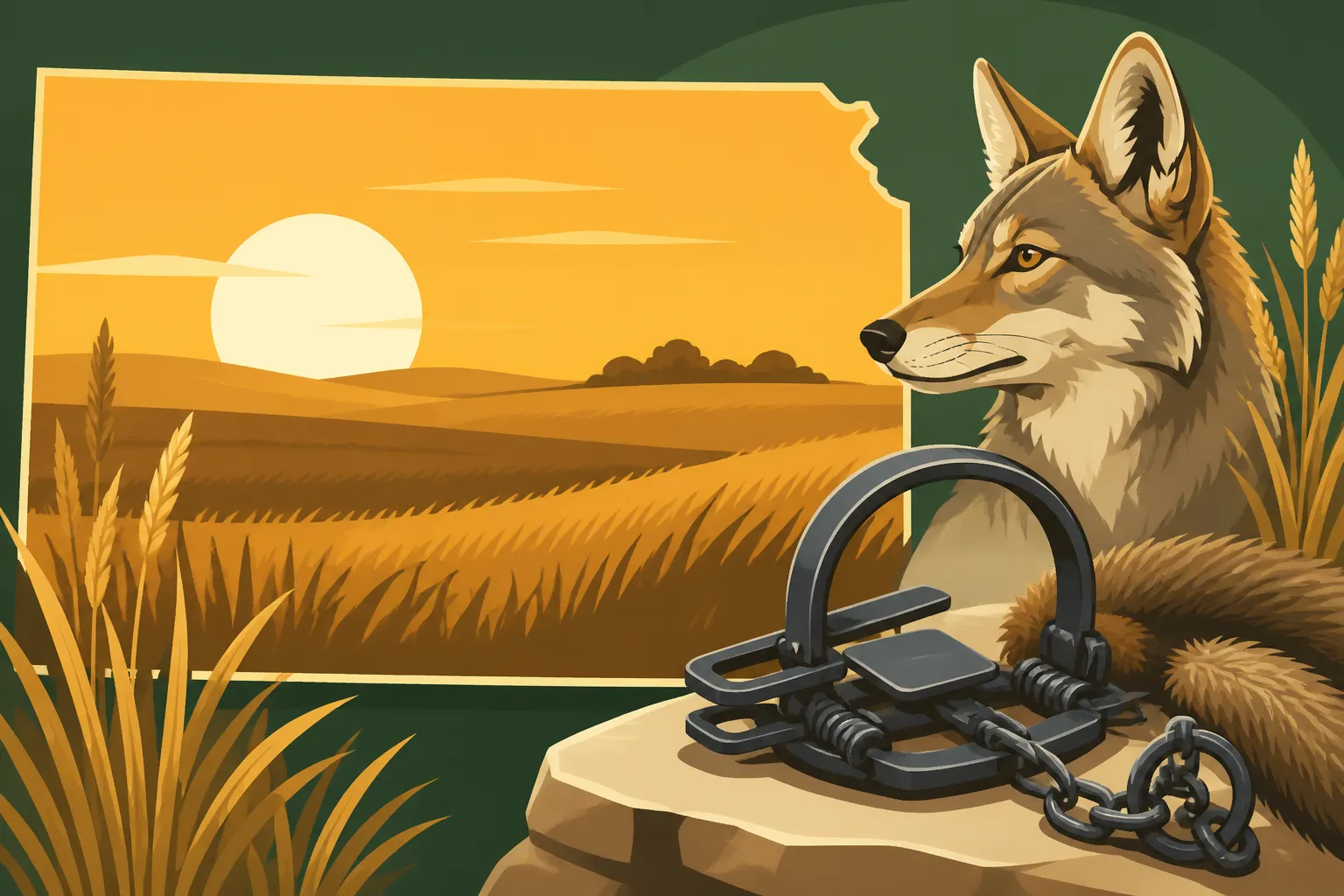
Kansas Trapping Season Dates
Trying to keep up with all the different hunting and trapping seasons in Kansas can feel like you need a full-time administrative assistant, especially when you're juggling work, family, and trying to scout. There's nothing more frustrating than getting ready for a day out only to realize you've misread the regulations or the season isn't even open yet for the species you're after. This guide is here to break down the Kansas trapping season dates and key regulations, giving you a clear, realistic overview so you can plan your furbearer pursuits with confidence and avoid those disheartening surprises.
Understanding Kansas Trapping Seasons and Furbearer Species
Kansas offers a diverse array of furbearers, providing fantastic opportunities for trappers, whether you're looking to manage nuisance animals, harvest pelts, or simply enjoy the tradition. But before you even think about setting steel, it's crucial to understand which animals you can legally trap and when their seasons are open. The Kansas Department of Wildlife, Parks and Tourism (KDWP) sets these seasons to ensure healthy furbearer populations and provide sustainable harvest opportunities. It’s not just about what you can catch, but also understanding the ecosystem balance.
Common Furbearers in Kansas
When you talk about trapping in Kansas, a few species immediately come to mind. These are the workhorses of the furbearer world, the ones most trappers focus on due to their populations and commercial value. Knowing their habits and peak activity periods can also help you determine the best time to target them within the open season.
Raccoons, Opossums, Badgers, and Skunks: These are often grouped together because their season dates frequently align and they share similar habitats in many parts of the state. Raccoons, of course, are abundant, found near water sources, timber, and even urban areas, always looking for a meal. Opossums are similarly widespread and opportunistic. Badgers prefer more open, arid country in western Kansas, while skunks are ubiquitous. Their pelts, while not always fetching top dollar, still contribute significantly to the overall harvest, and their presence can certainly impact local ecosystems, sometimes requiring management.
Coyotes and Bobcats: These are often the prized catches for many trappers due to the value of their pelts and the challenge they present. Coyotes are incredibly adaptable and can be found statewide, thriving in varied landscapes from open prairies to dense river bottoms. Their numbers are generally strong, offering consistent trapping opportunities. Bobcats, on the other hand, are a bit more elusive, preferring areas with good cover like timbered draws, thickets, and rough terrain. Targeting bobcats often requires more specialized knowledge and scouting. Knowing the specific regulations for species like bobcats, which often have stricter bag limits and tagging requirements, is critical. For instance, you might want to consult the KDWP's detailed rules, perhaps even using a mapping tool like GoHunt to scout potential bobcat habitat before the season opens.
Specialized Furbearers and Water Trapping Opportunities
Beyond the general furbearers, Kansas also provides opportunities for water trapping and targeting species that have specific management requirements, such as river otter. These animals require different techniques and often have distinct season dates and regulations.
Beaver and Muskrat: If you're into water trapping, beaver and muskrat are your primary targets in Kansas. Beavers are found on nearly every significant waterway and pond, known for their dam-building and wood-cutting habits. Muskrats, smaller and more numerous, inhabit marshes, ponds, and slow-moving streams. Their seasons often extend later than land-based furbearers, allowing for trapping through much of the winter and into early spring, when ice conditions might make access challenging but also concentrate activity. Early-season Reading a Kansas Creek Bottom for Deer Sign knowledge can even cross over to identify prime beaver and muskrat habitat along the same waterways.
River Otter: River otters are a recovering species in Kansas, and as such, their harvest is carefully managed. The KDWP implements a restricted season with a statewide bag limit to ensure sustainable growth of the population. Trappers interested in otter must obtain a specific permit or tag in addition to their regular furharvester license and report their harvest promptly. This is a testament to the KDWP's commitment to conservation, allowing for limited, responsible harvest while the population continues to expand. Always double-check the current year's regulations for the river otter season, as quotas can change.
Key Kansas Trapping Season Dates and Permitting
Navigating the exact dates for trapping seasons can be a bit tricky, as they can shift slightly from year to year. However, there's a general pattern that the KDWP follows, giving trappers a reliable framework to plan their activities. It's always best to consult the most current KDWP Furbearer Regulations Summary for the precise dates, which you can usually find published in the late summer or early fall.
General Furbearer Seasons
Most of Kansas's terrestrial furbearers share a common season window, typically opening in early to mid-November and running through mid-February. This timing aligns with when pelts are generally prime, ensuring trappers can maximize the value of their efforts.
November to February Window: This period is prime time for species like raccoon, opossum, skunk, badger, coyote, and both red and gray fox. The cool weather helps condition their fur, making it thicker and more valuable. This extended season allows trappers plenty of opportunities to set lines, monitor traps, and work different areas. For those new to trapping, or even seasoned veterans, tools like GoHunt can be invaluable for identifying potential trapping locations on public lands or pinpointing landowner information for permission requests. Remember that Bobcat Season and Fur Handling often falls within this same general window, but has stricter individual rules.
| Species | General Season Start | General Season End | Notes |
|---|---|---|---|
| Raccoon, Opossum, Skunk | Early November | Mid-February | Pelts prime in colder months. |
| Badger | Early November | Mid-February | Often found in western KS. |
| Coyote | Early November | Mid-February | Year-round opportunity with a hunting license. |
| Red Fox, Gray Fox | Early November | Mid-February | Found statewide, good fur value. |
| Bobcat | Early November | Mid-February | Restricted bag limit, required check-in/tagging. |
| Beaver | Early November | Late March | Water trapping, season extends longer. |
| Muskrat | Early November | Late March | Water trapping, season extends longer. |
| River Otter | Mid-November | Mid-March (or quota) | Limited statewide quota, specific permit required, check-in. |
| Dates are approximate; always consult current KDWP regulations. |
Water Furbearer Seasons and Exceptions
Trapping aquatic furbearers like beaver and muskrat often sees an extended season. This is because these animals remain active throughout the winter, and their pelts can retain prime quality longer into the spring. This longer season provides more flexibility, especially given the variable weather conditions that can affect water levels and ice formation.
Extended Winter and Spring Opportunities: The season for beaver and muskrat typically opens around the same time as other furbearers in November but often runs well into March. This allows trappers to target them through the coldest parts of winter, even when ice might form on ponds and rivers, necessitating different trapping sets. The longer duration is also beneficial for trappers who might focus on deer hunting in the early part of the general furbearer season and then shift their attention to water sets later on. Remember that specific areas, especially wildlife areas, might have their own nuanced Kansas Wildlife Area Special Regulations for trapping, so checking those local rules is essential.
River Otter Specifics: The river otter season is a notable exception due to its conservation status. It generally begins slightly later in November than the broader furbearer season and can close early if the statewide quota is met. This means trappers targeting otter need to be particularly vigilant with KDWP updates. A special River Otter Permit is required, costing an additional fee, and any harvested otter must be electronically checked in and physically tagged by a KDWP representative. These strict measures ensure that the species continues to thrive while still offering limited recreational harvest.
Obtaining Your Furharvester License and Permits
Before you can even think about setting a trap, you'll need the proper licensing. The Furharvester license is your golden ticket for trapping in Kansas, and it's separate from a general hunting license, though many hunters also hold one.
Kansas Furharvester Licence Requirements: Anyone 16 years of age or older must possess a valid Furharvester license to trap furbearers in Kansas. This license covers all general furbearer species, as well as beaver and muskrat. You can purchase your license online through the KDWP website or from authorized license vendors across the state. It's an annual license, running concurrent with the state's fiscal year, typically from January 1 to December 31. Understanding Kansas Hunter Education and Licensing Basics is fundamental here, as it lays the groundwork for all hunting and trapping activities. For younger trappers, there are often junior license rates, and for those born after a certain date, a hunter education certificate might be required.
Additional Permits for Specific Species: As mentioned, the river otter requires an additional permit – the River Otter Permit. This permit is often issued with a limited number of tags. Beyond that, if you plan to target coyotes with a firearm or archery equipment outside of trapping season, a valid hunting license would be necessary. Always confirm what specific permits are needed for the species you intend to pursue. The KDWP website is the official source, and it's a good habit to review the Kansas Regulation Summary Release Date each year to ensure you're working with the most current information.
Regulations Beyond Season Dates: Methods, Checks, and Ethics
Knowing when to trap is only half the battle; knowing how and where to trap legally and ethically is just as critical. Kansas has a comprehensive set of regulations governing trap types, placement, and checking requirements, all designed to promote humane practices and responsible furbearer management. Ignoring these rules can lead to significant penalties, including fines and loss of trapping privileges.
Legal Trapping Methods and Device Requirements
Kansas regulations specify certain trap types and how they must be used to minimize non-target catches and ensure the well-being of the animal. This isn't just bureaucratic red tape; it's about good stewardship and maintaining public acceptance of trapping.
Trap Types and Set Restrictions: In Kansas, both foothold traps (often called leg-hold traps) and body-gripping traps (like Conibear-style traps) are legal, but with restrictions. Foothold traps must have smooth jaws, and there are limits on their size depending on whether they are set on land or in water. Body-gripping traps also have size limits and often require a greater distance from public roads or trails if set on land. Cable restraints (snare-like devices) are also permitted but have strict regulations regarding their placement, entanglement prevention, and break-away mechanisms. The use of poisons or explosives is, of course, strictly prohibited. For specific details on trap dimensions and settings, you absolutely must consult the current KDWP regulations. Many trappers also choose to use resources from organizations like the National Trappers Association or the Fur Takers of America to ensure they are using best practices.
Trap Tagging and Checking: Every trap set in Kansas must be marked with the trapper's name and address, or their KDWP customer ID number, clearly visible. This ensures accountability and allows wildlife officials to identify the owner. Furthermore, all traps (including cable restraints) must be checked at least once every calendar day. This daily check is crucial for ensuring the quick and humane dispatch or release of any captured animals, minimizing their stress and exposure to the elements. Failing to tag your traps or check them daily is a common violation that can result in Kansas Wildlife Violation Penalties.
Public vs. Private Land Trapping and Access
Just like hunting, where you can trap is dictated by land ownership and specific regulations, particularly on public lands. Understanding these nuances is essential for staying legal and maintaining good relationships with landowners and fellow outdoor enthusiasts.
Trapping on Private Land: The vast majority of trapping in Kansas occurs on private land, and for good reason—it offers consistent access and often less competition. However, you must always obtain written permission from the landowner before setting any traps. This isn't just a courtesy; it's a legal requirement. Having a written agreement protects both you and the landowner. When asking for permission, be clear about your intentions, the species you're targeting, and your commitment to checking traps daily and leaving the property as you found it. This goes a long way in securing repeat access year after year.
Trapping on Public Land: Trapping is generally permitted on most Kansas public lands managed by the KDWP, such as State Wildlife Areas, as long as you adhere to statewide and any site-specific regulations. Some areas might have additional restrictions, such as prohibiting body-gripping traps near trails or within certain distances of recreation areas. Always check the individual rules for any specific wildlife area you plan to trap, as some might require special permits or have area-specific regulations posted. Websites like GoHunt or the official KDWP mapping tools can help you identify public land tracts, but nothing beats reading the on-site rules or contacting the area manager. Remember that leaving no trace is paramount on public land, especially when Leaving No Trace on Walk-In Ground.
Ethical Considerations and Reporting Harvests
Trapping, like all forms of wildlife harvest, comes with a strong ethical responsibility. Responsible trappers prioritize animal welfare, adhere to regulations, and contribute to wildlife management through proper harvest reporting. These practices are vital for ensuring the future of trapping in Kansas.
Responsible Trapping Practices
Ethical trapping goes beyond just following the law; it involves a mindset of respect for the animals and the environment. This means employing techniques that are selective, humane, and minimize incidental catches.
Humane Handling and Dispatch: Trappers have a moral obligation to ensure the quick and humane dispatch of any furbearer they harvest. This means using appropriate trap sizes for the target species, setting traps effectively to ensure a quick capture, and being proficient in dispatch methods. Education on these best practices is often covered in hunter education courses or specialized trapper education programs, which, while not always mandatory for adult trappers, are highly recommended. Remember that quickly dispatched animals yield better quality fur, so it's a win-win situation.
Minimizing Non-Target Catches: No trapper wants to catch an unintended animal, especially domestic pets or non-furbearer wildlife. Responsible trapping involves careful set selection and placement, avoiding areas where non-target species are likely to frequent. For example, using water sets for muskrat and beaver significantly reduces the chance of catching a domestic dog. Similarly, understanding the travel patterns of local wildlife can help you place traps where your target species is most active. It’s all about research, scouting, and thoughtful execution to ensure you're targeting effectively and responsibly. If you do catch a non-target animal, knowing how to release it safely or what steps to take, as outlined in the KDWP regulations, is crucial.
Harvest Reporting and Its Importance
Harvest reporting might seem like a chore, but it's a critical component of modern wildlife management. The data you provide helps the KDWP make informed decisions about furbearer populations and future season structures.
General Furbearer Harvest Reporting: While many furbearers in Kansas do not require immediate check-in, the KDWP conducts annual harvest surveys. If you receive one of these surveys, it is incredibly important to fill it out accurately and return it promptly. Your participation provides valuable data on overall harvest numbers, trapping effort, and regional population trends. This information directly influences decisions on season lengths and bag limits for future years. Think of it as your direct contribution to ensuring healthy Kansas Furbearer Harvest Numbers for generations to come.
Bobcat and River Otter Check-In: For bobcats and river otters, the reporting requirements are much stricter due to their sensitive management status. Any harvested bobcat or river otter must be electronically reported through the KDWP licensing system (the "Go Outdoors Kansas" platform) within 24 hours of harvest. Following this, the carcass, or at least the pelt with an attached skull, must be physically presented to a KDWP representative within seven days of harvest for tagging. This allows KDWP staff to collect biological data, such as sex, age, and location of harvest, which is invaluable for monitoring these populations. The tag issued at check-in must remain with the pelt until it is processed or sold, ensuring legal proof of harvest. Always refer to the most up-to-date Kansas Regulation Summary Release Date to ensure you are meeting all requirements.
Disclaimer
The information provided in this guide is intended for general informational purposes only and is subject to change. Hunting and trapping regulations, season dates, and permit requirements are established by the Kansas Department of Wildlife, Parks and Tourism (KDWP) and can be modified annually. It is the individual hunter's and trapper's responsibility to review and comply with the most current official KDWP regulations prior to engaging in any hunting or trapping activities. Always consult the official KDWP website or regulation pamphlet for precise and up-to-date information.